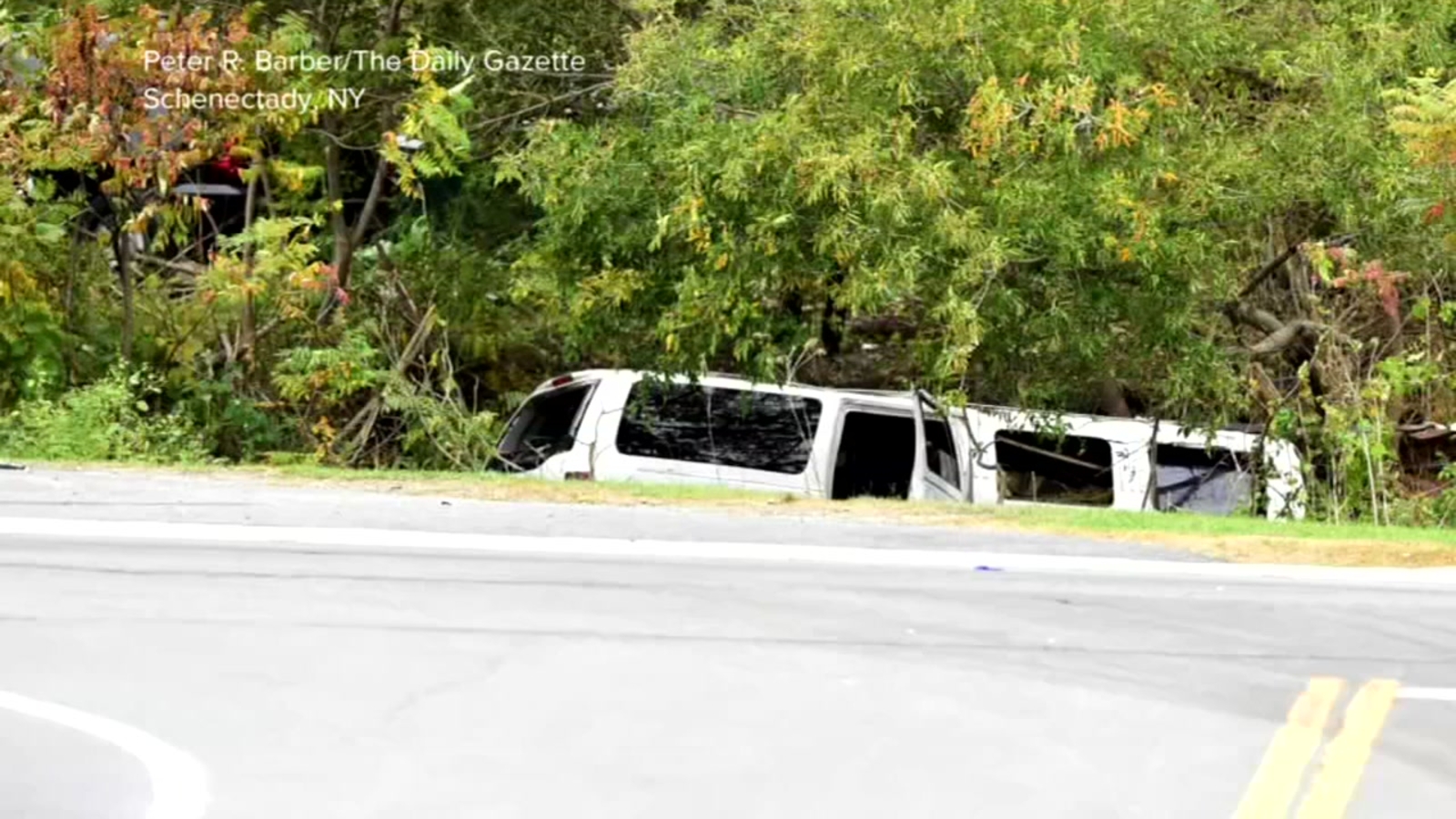
The October 2018 limousine crash in Schoharie, New York, resulted in 20 fatalities when a heavily modified, stretch Ford Excursion failed to stop at a T-intersection, crashing into a parked vehicle and a ravine. The disaster underscored critical safety gaps in stretch limousine regulations, vehicle inspection oversight, and passenger safety standards across the United States.
Background and Context of the Schoharie Limousine Disaster
On October 6, 2018, a catastrophic motor vehicle accident occurred just outside the Apple Barrel Country Store in Schoharie, New York. A 2001 Ford Excursion stretch limousine, operated by Prestige Limousine and carrying 17 passengers alongside the driver, careened down a steep descent on State Route 30. The vehicle failed to decelerate or stop at the intersection with State Route 30A, traversing the highway, striking an unoccupied parked SUV, and ultimately crashing into a shallow ravine and striking a tree line.
All 18 occupants inside the limousine—consisting of a group of friends celebrating a birthday—along with two pedestrians standing outside in the store parking lot, lost their lives. The incident stands as one of the deadliest road transportation accidents in the United States in recent history, immediately drawing intense national scrutiny to the safety culture, regulatory oversight, and legal frameworks governing the stretch limousine industry.
To understand how such an unprecedented disaster occurred, transportation safety investigators had to examine multiple overlapping factors: the structural integrity of the altered vehicle, the mechanical condition of its braking systems, the regulatory classification of the vehicle, and the operational practices of the transport company.
Chronology of Events and Emergency Response
The sequence of events leading up to the crash unfolded quickly on a busy autumn Saturday afternoon. The group of passengers had rented the stretch limousine to celebrate a 30th birthday. According to subsequent investigations, the vehicle experienced mechanical and operational issues earlier in the day, causing concern among the passengers and leading them to question the safety of continuing the journey in that specific automobile.
As the limousine approached the intersection of Route 30 and Route 30A—a notorious intersection known for high speeds and previous accidents where vehicles descend a steep hill—it reached speeds estimated significantly higher than the posted limit.
Key Factors in the Crash Sequence
- Brake Failure: Post-accident investigations by the National Transportation Safety Board (NTSB) and the New York State Police revealed catastrophic failures in the vehicle's hydraulic braking system, exacerbated by extensive rust and corrosion.
- Topographical Challenges: Route 30 ends abruptly at a T-intersection with Route 30A, requiring drivers to execute a complete stop and turn. The downward slope leading to this junction provides very little margin for error if brakes fail.
- Lack of Escape Route: Due to heavy traffic and roadside geography, the driver had no physical barriers or run-off areas to safely arrest the momentum of the heavily weighted, elongated vehicle.
First responders arrived at the scene within minutes, encountering a catastrophic wreckage site. Local volunteer fire departments, emergency medical services, and state troopers initiated recovery and triage operations, but the sheer force of the impact meant that none of the occupants in the limousine survived.
Vehicle Modification and Mechanical Analysis
The vehicle involved in the crash was a 2001 Ford Excursion that had been cut, extended, and heavily modified by an aftermarket manufacturer to convert it into a stretch limousine. This process involves slicing the frame, adding structural extensions, and altering drive shafts, electrical wiring, and braking lines.
Regulatory and Design Vulnerabilities
A core finding of the NTSB investigation was the legal gray area surrounding how stretch limousines are manufactured and inspected. When a standard light-duty truck or SUV is stretched, it often crosses weight thresholds that change its classification, yet it may evade the rigorous federal safety standards applied to commercial buses.
| Inspection Area | Findings from Investigation | Safety Implications |
|---|---|---|
| Braking System | Severe corrosion, compromised lines, and worn pads. | Inability to stop a vehicle weighing significantly more than its factory design limits. |
| Structural Integrity | Aftermarket frame extension without certified crash testing. | Compromised passenger cabin protection during high-impact collisions. |
| Seatbelts | Lap belts present, but many passengers were unrestrained or improperly positioned. | High risk of ejection and secondary impact injuries within the cabin. |
| Vehicle Certification | Failed multiple state inspections but continued to operate fraudulently. | Lack of enforcement against operators using uninspected, modified commercial vehicles. |
The mechanical autopsy of the Excursion revealed that the brake lines had rusted through, leading to a complete loss of hydraulic pressure. Furthermore, the vehicle had failed a New York State Department of Transportation inspection just weeks prior to the crash, yet the operator illegally kept the vehicle in active service.
Legislative and Regulatory Aftermath
The 20 dead in limo crash tragic collision overview forced federal and state lawmakers to reexamine how limousines are monitored. Prior to 2018, stretch limousines operated under a patchwork of state-level rules that often failed to account for structural modifications or mandatory retrofitting of safety equipment.
Legislative Actions in New York and Nationwide
- New York State Laws: In 2020, New York passed a package of laws aimed at tightening limousine safety. These measures included making it a felony to operate a vehicle that has failed an inspection, banning the operation of stretch limousines that fail specific safety tests, and requiring seatbelts for all passengers in for-hire vehicles.
- Federal NTSB Recommendations: The NTSB issued urgent safety recommendations to the National Highway Traffic Safety Administration (NHTSA), calling for mandatory federal safety standards for all newly manufactured and retrofitted limousines, including electronic stability control and side-impact protection.
- Seizure Powers: Law enforcement agencies were granted expanded authority to immediately impound illegal or uninspected for-hire vehicles discovered operating on public roads.
Legal Liability and Criminal Prosecutions
The tragedy led to significant criminal and civil legal proceedings against the owners and operators of Prestige Limousine.
Criminal Charges
The operator of the company, and family members involved in its management, faced criminal charges. The prosecution argued that the owners knowingly put an unsafe, uninspected, and mechanically compromised vehicle on the road in blatant disregard for human life. The criminal trials established a legal precedent regarding corporate accountability for motor vehicle maintenance failures in the transport sector.
Civil Litigation
Families of the victims filed extensive wrongful death lawsuits against multiple entities, including the limousine company, the maintenance shops that allegedly signed off on fraudulent inspections, and the manufacturer of the original chassis. These civil actions highlighted systemic accountability issues across the supply chain of custom commercial transport vehicles.
Frequently Asked Questions
What caused the Schoharie limousine crash?
The primary cause was catastrophic brake failure resulting from severe corrosion and lack of maintenance on a heavily modified stretch Ford Excursion, compounded by a steep downhill grade and the vehicle's failure to stop at a T-intersection.
How many people died in the 2018 limousine crash?
A total of 20 people died. This included all 18 occupants inside the stretch limousine (the driver and 17 passengers) and two pedestrians standing in the parking lot where the vehicle crashed.
What regulatory changes occurred after the accident?
Lawmakers introduced stricter inspection protocols, mandatory seatbelt requirements for all limousine passengers, increased penalties for operating uninspected vehicles, and expanded police powers to impound unsafe transport vehicles.
Were the passengers wearing seatbelts?
Investigations revealed that while lap belts were installed in the vehicle, many passengers were either not wearing them or were wearing them improperly, which contributed to the severity of their injuries during the impact.
How are stretch limousines regulated compared to standard vehicles?
Unlike mass-produced consumer cars, stretch limousines are often custom-built by aftermarket converters. Historically, this created regulatory gaps where they did not face the same rigorous federal crash-testing standards as buses or commercial motor coaches.
Next Actions and Safety Verification
For consumers hiring for-hire transportation, the Schoharie tragedy serves as a critical reminder to verify vehicle credentials before booking. State departments of transportation and motor vehicle agencies provide online portals where passengers can check the safety record, insurance status, and inspection history of commercial transport operators. Always ensure that the vehicle displays current inspection stickers and that working seatbelts are available for every passenger seat.