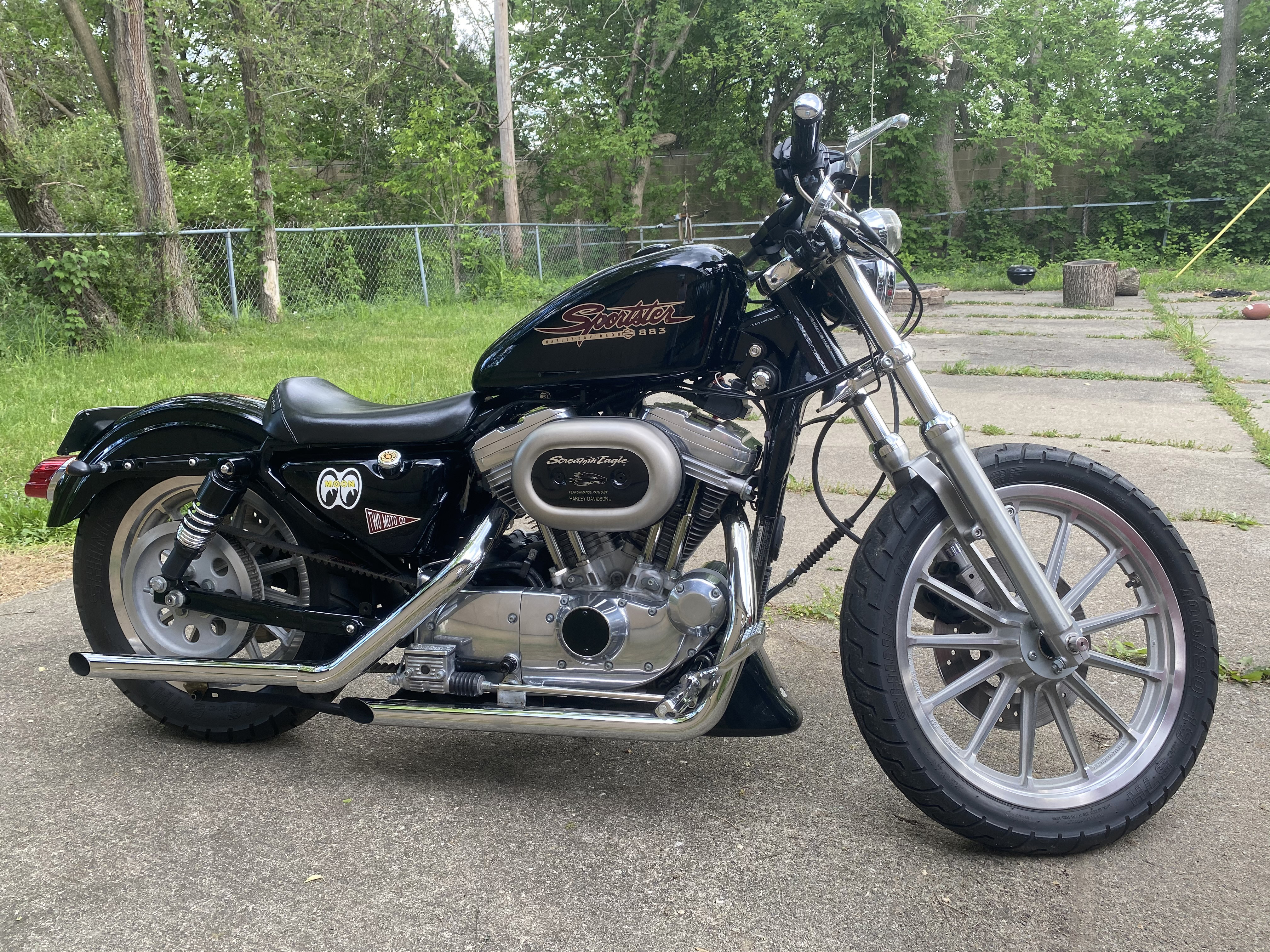
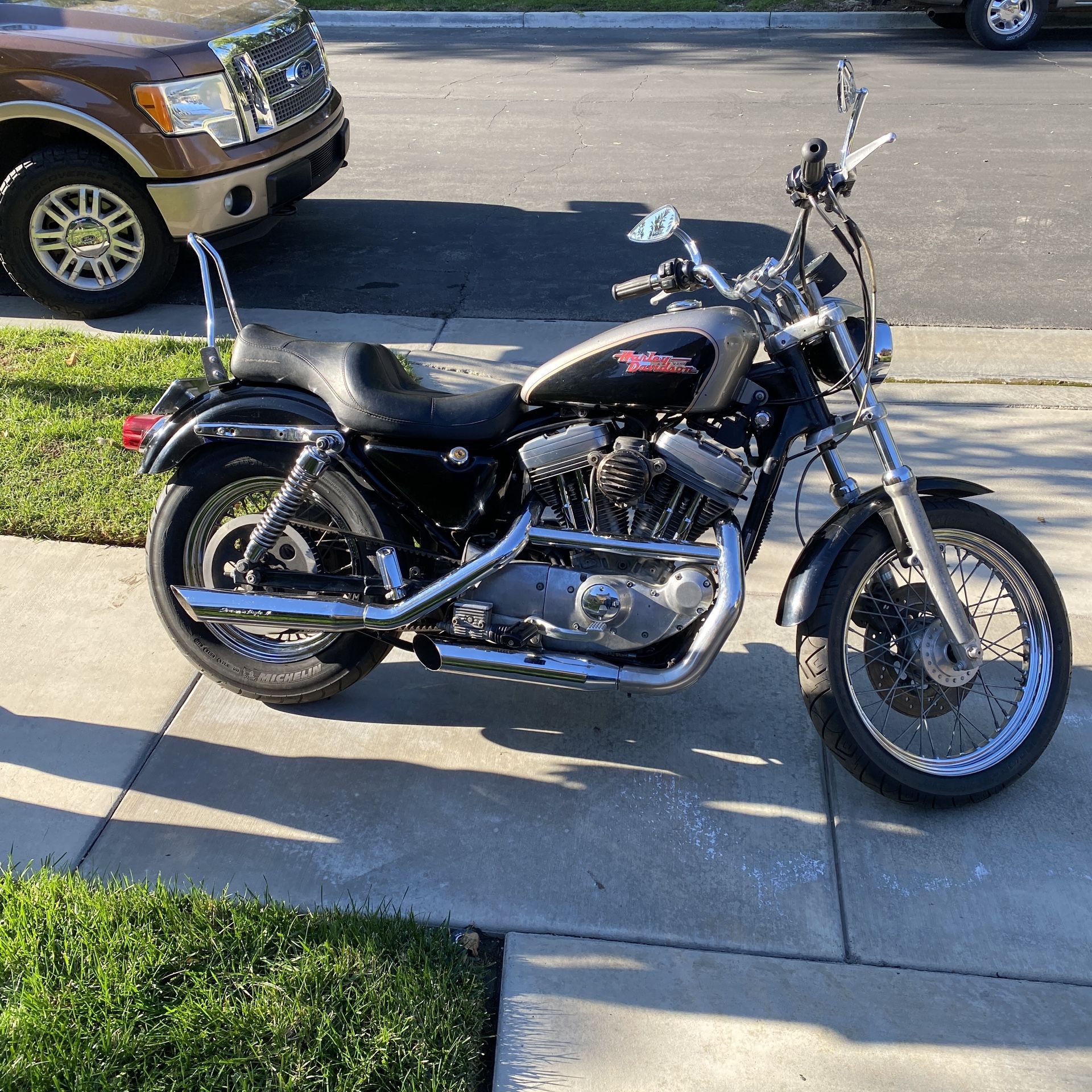
The 1999 Harley-Davidson Sportster represents the pinnacle of the "rigid-mount" Evolution engine era, offering a raw, mechanical connection to the road that modern cruisers often lack. Featuring the legendary air-cooled V-twin in 883cc and 1200cc displacements, it remains a highly sought-after model for enthusiasts seeking a pure, carbureted Harley-Davidson experience.
The Historical Context of the 1999 Sportster
By the time 1999 arrived, the Harley-Davidson Sportster had already been in continuous production for 42 years. Introduced in 1957 to compete with fast, lightweight British twins from Triumph and Norton, the Sportster (the "XL" series) carved out a niche as the "hot rod" of the Harley-Davidson lineup. However, the 1999 model year sits in a specific sweet spot of development: the late Evolution (Evo) era.
The Evolution engine, introduced to the Sportster line in 1986, saved the company from financial ruin. By 1999, Harley-Davidson had spent over a decade refining this powerplant. This year’s models benefited from the transition to five-speed transmissions (standardized in 1991) and the shift from chain to belt final drive. In 1999, the Sportster was not just an entry-level motorcycle; it was a proven, reliable platform that maintained the slim profile and nimble handling that defined the series before the move to heavier rubber-mounted frames in 2004.
As we look at the 1999 Sportster from the perspective of 2026, it occupies a prestigious space in the vintage market. It is old enough to be considered a "classic" (often eligible for vintage plates in many jurisdictions), yet modern enough to feature reliable electronic ignition and parts availability that remains unsurpassed in the motorcycling world.
Engineering the 1999 Evolution Engine
At the heart of the 1999 Sportster is the 45-degree V-twin Evolution engine. This engine is a masterpiece of industrial design, utilizing aluminum heads and cylinders to dissipate heat more efficiently than the iron-head engines of the past. For the 1999 model year, buyers chose between two primary displacements: the 883cc (53.9 cubic inches) and the 1200cc (73.2 cubic inches).
The 883cc version was favored for its affordability and "blank canvas" appeal. It featured a 3-inch bore and 3.8-inch stroke, producing a modest but torquey power delivery. The 1200cc variant offered a larger 3.5-inch bore, significantly increasing horsepower and highway passing capability. Both engines utilized the Keihin 40mm Constant Velocity (CV) carburetor. This specific carburetor is legendary among tuners for its ability to compensate for altitude changes and its smooth throttle response, making the 1999 Sportster one of the most user-friendly carbureted bikes ever built.
One of the defining characteristics of the 1999 engine is that it is "rigid-mounted" to the frame. Unlike the 2004-and-later models, which use rubber isolators to dampen vibrations, the 1999 engine is bolted directly to the steel tubes. This results in the classic "Harley-Davidson shake" at idle and a mechanical buzz at high speeds. While some modern riders find this fatiguing, purists seek out the 1999 model specifically for this tactile feedback, viewing it as the soul of the machine.
Analyzing the 1999 Model Lineup
Harley-Davidson offered several distinct flavors of the Sportster in 1999, each catering to a different riding style and aesthetic preference. Understanding these variations is crucial for anyone looking to acquire or restore one of these machines today.
The XLH883 Standard and Hugger
The XLH883 was the base model, characterized by its cast wheels and minimalist trim. The "Hugger" variant was specifically designed for shorter riders, featuring a lowered suspension and a "buckhorn" handlebar that pulled the controls closer to the rider. The Hugger played a significant role in expanding Harley-Davidson’s demographic, making the brand accessible to a wider range of body types.
The XL1200C Custom
The 1200 Custom was the "showbike" of the family. It featured a 21-inch laced (spoked) front wheel, a solid disc rear wheel, and a chrome-plated "eyebrow" over the headlight. The Custom also came with a larger 3.3-gallon fuel tank (compared to the standard 2.25-gallon "peanut" tank), which increased its range and made it more suitable for light touring.
The XL1200S Sport
For those interested in performance, the XL1200S Sport was the crown jewel of 1999. It was a radical departure from the traditional cruiser formula. It featured dual front disc brakes, adjustable Showa suspension (both front and rear), and high-compression cylinder heads with dual spark plugs per cylinder. The 1200S was Harley-Davidson’s attempt to bridge the gap between a cruiser and a "standard" performance bike, and it remains one of the most technologically interesting Sportsters ever produced.
Technical Specifications and Performance Data
To understand how the 1999 Sportster compares to other eras, it is helpful to look at the hard data. The following table highlights the differences between the three most popular configurations from that year.
| Specification | XLH883 Standard | XL1200C Custom | XL1200S Sport |
|---|---|---|---|
| Engine Type | Evolution V-Twin | Evolution V-Twin | High-Output Evolution |
| Compression Ratio | 9.0:1 | 9.0:1 | 10.0:1 |
| Braking System | Single Front Disc | Single Front Disc | Dual Front Disc |
| Front Wheel | 19" Cast | 21" Laced | 19" Cast |
| Rear Wheel | 16" Cast | 16" Solid Disc | 16" Cast |
| Fuel Capacity | 2.25 Gallons | 3.3 Gallons | 3.3 Gallons |
| Dry Weight | ~490 lbs | ~510 lbs | ~505 lbs |
| Final Drive | Belt | Belt | Belt |
The "Rigid-Mount" Riding Experience
Riding a 1999 Sportster is an exercise in sensory immersion. Because the engine is a stressed member of the frame, every combustion stroke is felt through the pegs, seat, and handlebars. At idle, the bike dances on its kickstand. As you accelerate, the vibrations smooth out into a rhythmic thrum between 45 and 55 mph—often called the "sweet spot."
However, once you exceed 65 mph, the vibrations return with higher frequency. For many, this limits the 1999 Sportster to around-town cruising and secondary backroads. For the long-distance traveler, modifications such as cushioned grips, vibration-dampening footpegs, and different gearing (changing the front pulley tooth count) are common upgrades.
The handling of the 1999 model is surprisingly nimble. With a narrower rear tire (130mm) compared to modern "fat tire" cruisers, the '99 Sportster tips into corners with ease. The frame geometry provides a stable feel, though the stock suspension—particularly on the Hugger and Standard models—is often criticized for being undersprung and having limited travel. Upgrading to aftermarket shocks is one of the most frequent "Day One" modifications for owners.
Maintenance, Reliability, and Common Issues
The 1999 Sportster is renowned for its mechanical simplicity. With no radiator to leak, no coolant to flush, and a single carburetor to manage, it is an ideal bike for the DIY mechanic. However, there are specific areas that require attention to keep a 27-year-old machine running reliably in 2026.
- Gasket Seepage: The Evolution engine is generally "dry," but the rocker box gaskets are known to develop seeps over time. Replacing these with modern multi-layer steel (MLS) gaskets usually solves the problem permanently.
- The "Grenade Plate": The stock clutch in many 1990s Sportsters contains a brass-riveted spring plate. If these rivets shear, they can cause significant damage to the clutch basket. Many owners preemptively replace this with an "Extra Plate Kit" that removes the spring plate entirely.
- Vacuum-Operated Fuel Valve (Petcock): The 1999 models use a vacuum-diaphragm petcock. If the diaphragm perishes, it can lead to fuel starvation or, conversely, a slow leak into the carburetor when the bike is off.
- Oil Lines: After nearly three decades, the rubber oil lines can become brittle and crack. Replacing these is a low-cost insurance policy against engine failure.
In terms of electronics, the 1999 Sportster is relatively simple. It uses a basic ignition module and a voltage regulator. Both are prone to heat-related failure eventually, but high-quality aftermarket replacements are readily available from companies like Daytona Twin Tec or Cycle Electric.
The Customization Legacy
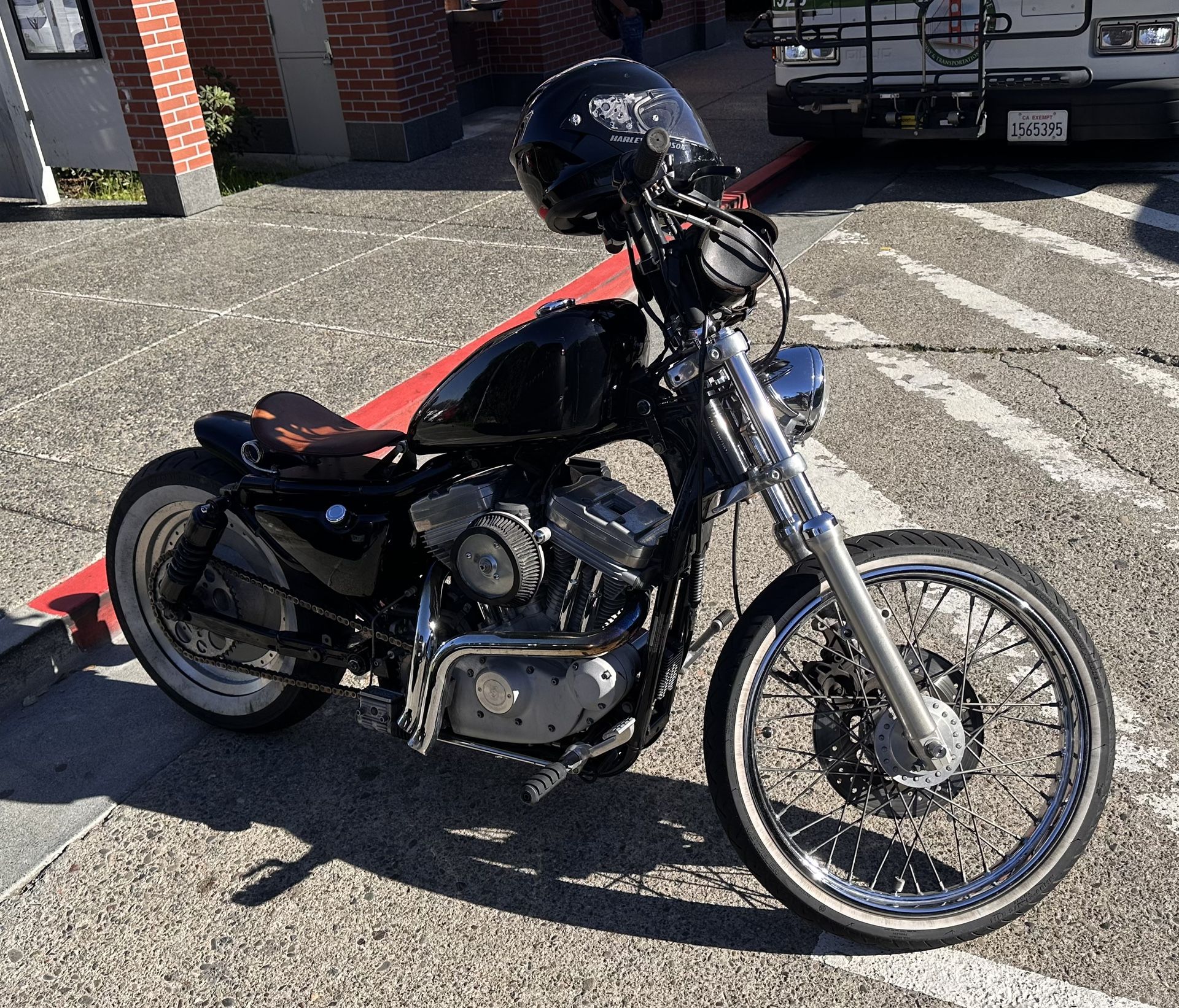
No discussion of the 1999 Sportster is complete without mentioning its role as a platform for customization. The "Evo Sporty" is perhaps the most customized motorcycle in history. The 1999 frame is particularly favored for "Chopper" or "Bobber" builds because it lacks the bulky rubber-mount brackets found on later models, allowing for a cleaner, more traditional silhouette.
For those looking for performance, the "883-to-1200" or "883-to-1250" conversion is a rite of passage. Because the 883 and 1200 share the same bottom end, owners can bolt on larger cylinders and pistons to nearly double their horsepower for a fraction of the cost of a new bike. This modularity is a hallmark of the Evolution era and ensures that the 1999 Sportster will never truly be obsolete.
Buying and Owning in 2026
In 2026, the 1999 Sportster has transitioned from a "used bike" to a "modern classic." When shopping for one, provenance matters. A well-documented service history is worth a premium, as is a bike that has been kept in a climate-controlled environment to prevent the oxidation of the aluminum engine cases.
Market Value Trends: As of 2026, clean, low-mileage 1200S Sport models have seen the highest appreciation due to their unique suspension and engine specs. The 883 models remain affordable entry points, but prices have stabilized as supply begins to dwindle. Expect to pay a premium for bikes that have avoided the "hacksaw" of over-eager amateur customizers.
Safety Considerations: It is important to remember that the 1999 Sportster lacks modern rider aids. There is no ABS (Anti-lock Braking System), no traction control, and the lighting is halogen rather than LED. Many owners upgrade to LED headlamps and improved brake pads to bring the bike’s safety profile closer to modern standards.
Frequently Asked Questions
Is the 1999 Sportster fuel injected?
No, all 1999 Sportster models are carbureted. They use a 40mm Keihin CV carburetor. Fuel injection was not introduced to the Sportster line until 2007. The carbureted setup is preferred by many for its ease of tuning and classic "potato-potato" exhaust cadence.
How fast can a 1999 Sportster 1200 go?
A stock 1999 XL1200 has a top speed of approximately 105–110 mph. However, its comfortable cruising speed is generally between 60 and 70 mph. Beyond that, the vibrations from the rigid-mounted engine and the lack of wind protection make for a fatiguing ride.
Can I use modern synthetic oil in a 1999 Sportster?
Yes, you can use high-quality 20W-50 synthetic motorcycle oil. Many owners find that synthetic oil helps the air-cooled Evolution engine run slightly cooler and provides better protection for the valvetrain. Always ensure the oil is rated for air-cooled V-twin engines.
What is the difference between a 1999 and a 2004 Sportster?
The primary difference is the frame. The 1999 model has the engine bolted directly to the frame (rigid-mount), making it lighter and slimmer but more prone to vibration. The 2004 model introduced rubber engine mounts, which made the bike smoother but also significantly heavier and wider.
Is the 1999 Sportster a good beginner bike?
The 883cc models are excellent for beginners due to their low center of gravity and manageable power. However, new riders should be aware that these bikes are heavier than modern entry-level Japanese motorcycles and require more frequent "hands-on" maintenance.
Practical Recommendations for Owners
If you are currently an owner or a prospective buyer of a 1999 Sportster, the best next step is to perform a comprehensive "baseline" service. This includes replacing all fluids (engine oil, primary/transmission fluid, and brake fluid), checking the date codes on the tires (anything over 6 years old should be replaced regardless of tread), and inspecting the drive belt for cracks or debris.
Joining a community such as the XLForum provides access to decades of archived knowledge specifically for these Evolution-era machines. The 1999 Sportster is more than just a motorcycle; it is a piece of American industrial history that, with proper care, will remain roadworthy for another quarter-century.