Joe Jackson’s Night and Day II, released in 2000, serves as the conceptual and spiritual successor to his 1982 masterpiece, Night and Day. This sophisticated exploration of New York City life blends Latin rhythms, classical arrangements, and contemporary pop, featuring a diverse cast of guest vocalists and a strictly "no guitar" instrumentation policy.
The Evolution of a Concept: From 1982 to 2000
When Joe Jackson released the original Night and Day in 1982, he was a British expatriate newly infatuated with the energy, danger, and diversity of New York City. That album became his most commercially successful work, spawning the hit "Steppin' Out." Fast forward to the late 1990s, and Jackson felt the urge to revisit the city’s psyche. However, the New York of 2000 was a vastly different landscape than the one he encountered in the early '80s.
Night and Day II is not a sequel in the traditional sense of repeating a successful formula. Instead, it is a reflection on how both the artist and the city had aged. As of 2026, the album remains a polarizing yet deeply respected entry in Jackson’s discography, often overshadowed by its predecessor but hailed by critics for its ambitious scope and technical precision.
15 Surprising Details About Joe Jackson’s Night and Day II
To understand the depth of this record, one must look past the surface-level melodies and into the specific choices Jackson made during its production. Here are 15 details that define the unique character of Night and Day II.
1. The Eighteen-Year Interval
The most obvious yet surprising detail is the nearly two-decade gap between the original and the sequel. Most "sequel" albums in the music industry are released within a few years of the original to capitalize on commercial momentum. Jackson waited 18 years, ensuring that Night and Day II was a genuine reflection of a different era rather than a cash-in. By 2000, Jackson had moved through phases of jazz, classical, and film score composition, all of which influenced this recording.
2. The Move to Sony Classical
Despite being a collection of songs with pop and Latin influences, the album was released on Sony Classical. This was a significant statement of intent. Jackson had grown weary of the traditional pop music industry and felt his more complex arrangements were better suited for a label that understood "serious" music. This choice affected how the album was marketed and perceived, often placing it in the "crossover" category rather than mainstream pop.
3. The Strict "No Guitars" Policy
Following the precedent set by the 1982 original, Night and Day II features no guitars. Jackson wanted to maintain the specific sonic palette of keyboards, percussion, and strings. In a musical landscape dominated by the rise of nu-metal and indie rock in the year 2000, releasing a "pop" album without a single guitar chord was a bold, contrarian move that emphasized the album's urban, sophisticated atmosphere.
4. A 24-Hour Narrative Cycle
The album is structured as a chronological journey through 24 hours in New York City. It begins with "Prelude," setting the stage, and ends with the reflective "Stay," which captures the quiet, early morning hours. This narrative structure forces the listener to experience the album as a singular piece of work rather than a collection of disparate singles.
5. Joe Jackson as a Supporting Vocalist
Perhaps the most surprising aspect for long-time fans is that Joe Jackson does not provide the lead vocals for several tracks. He acts more like a director or a "casting agent," matching specific voices to the characters in his songs. This move emphasized that Night and Day II was about the city's inhabitants, not just Jackson’s own perspective.
6. The Marianne Faithfull Collaboration
The track "Love Got Lost" features the legendary Marianne Faithfull. Her weathered, gravelly voice provides a stark contrast to Jackson’s cleaner delivery. The choice of Faithfull was deliberate; she embodies a certain type of New York (or international) world-weariness that fits the song’s themes of nostalgia and missed connections.
7. The Tragic Context of "Happyland"
The song "Happyland" is not about a theme park. It refers to the Happyland Social Club fire of 1990 in the Bronx, which claimed 87 lives. By including this, Jackson grounded the album in the real, sometimes grim history of the city, moving away from the purely romanticized version of New York seen in his earlier work.
8. Inclusion of "Stranger Than Fiction"
This track is one of the few instances where Jackson addresses the irony of his own career. The lyrics touch upon the nature of celebrity and the surreal experience of living in a media-saturated environment. It’s a self-aware moment that breaks the "fourth wall" of the concept album.
9. The Use of Regina Carter’s Violin
To replace the melodic role usually filled by a guitar or a lead synthesizer, Jackson employed the virtuoso jazz violinist Regina Carter. Her contributions give the album a fluid, organic feel that bridges the gap between the classical arrangements and the Latin-jazz rhythms. Her solos on tracks like "Stranger Than Fiction" are central to the album's identity.
10. The Latin-Pop Infusion
While the first album had a heavy Brazilian and salsa influence, Night and Day II incorporates a more modern, "Lower East Side" Latin feel. Tracks like "Glamour and War" utilize aggressive percussion and brass that reflect the evolving sound of the city's immigrant communities at the turn of the millennium.
11. Minimalist Packaging and Artwork
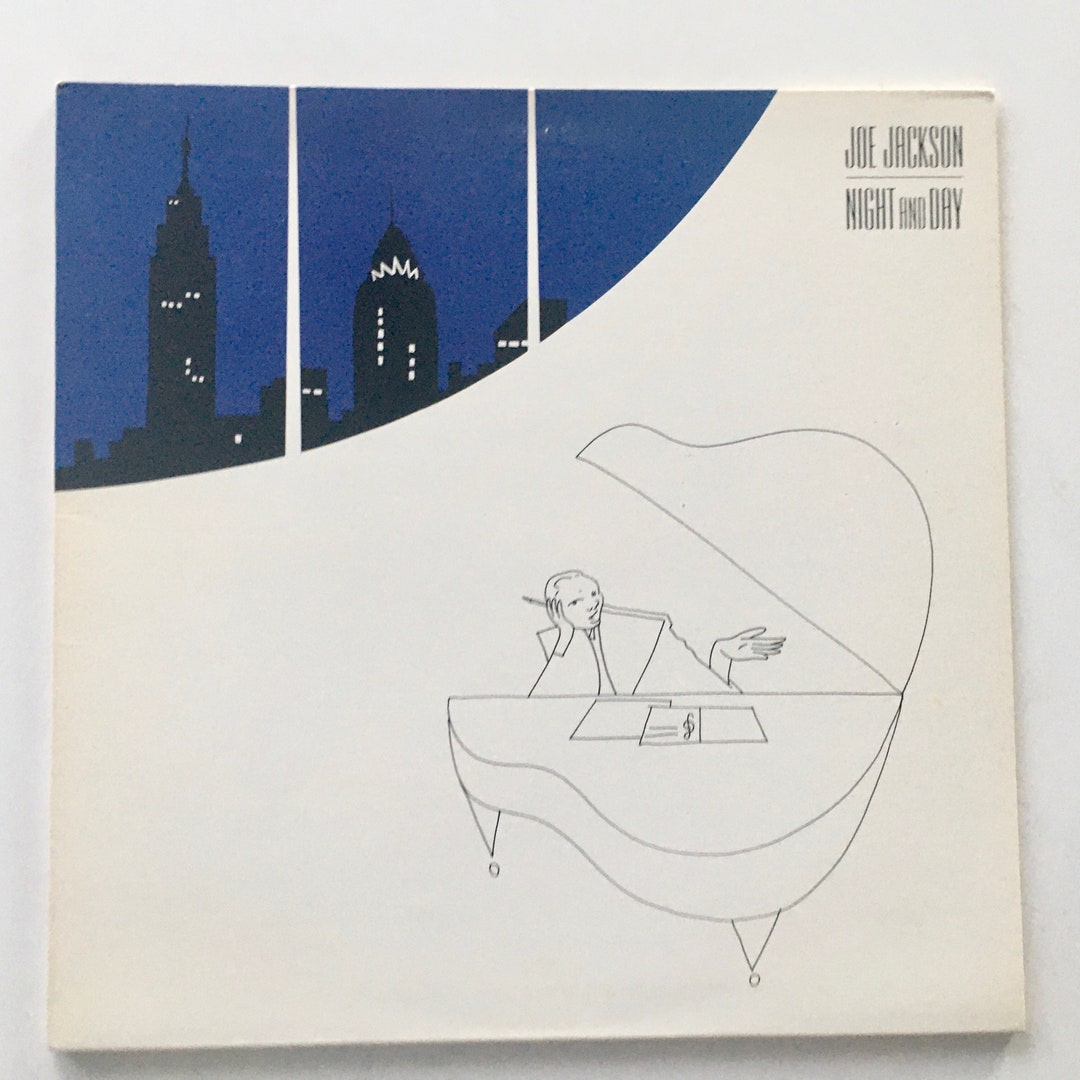
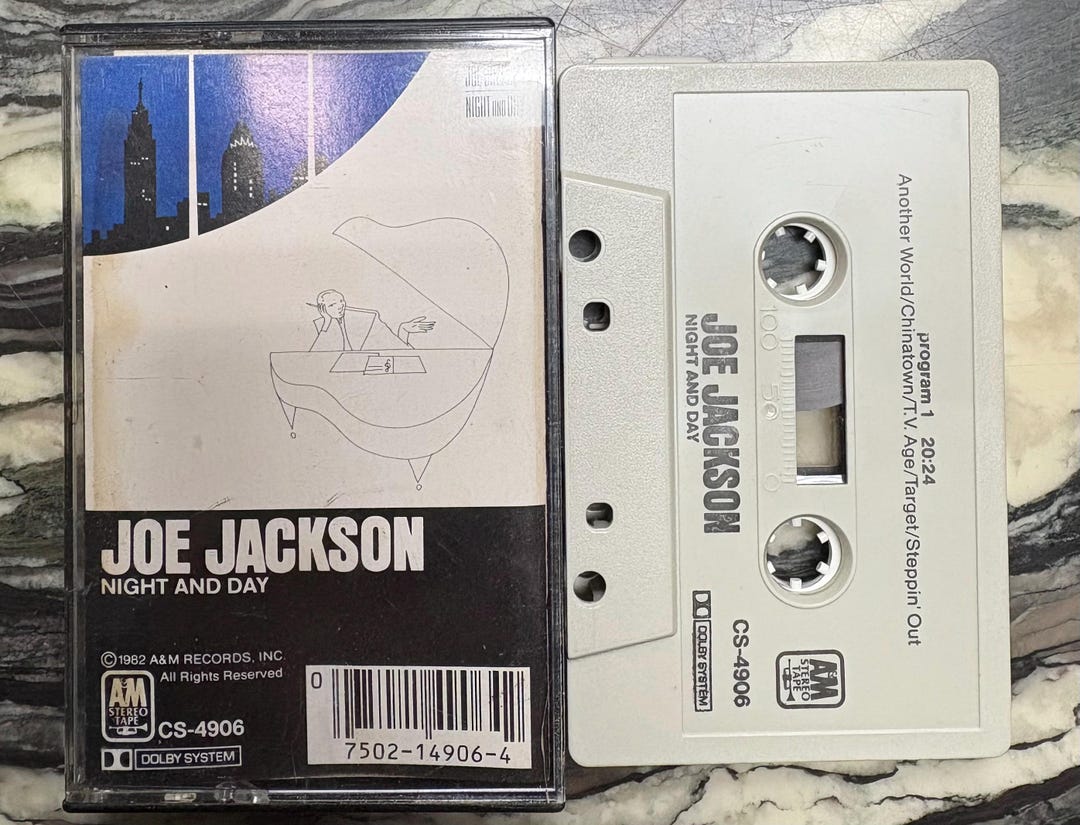
The cover art for Night and Day II is a direct homage to the original, featuring a similar aesthetic but with a more modern, photographic twist. It signals to the audience that this is a companion piece, yet the darker color palette suggests a more mature, perhaps more cynical, outlook on the city.
12. The Role of Graham Maby
Long-time bassist and Jackson’s most consistent collaborator, Graham Maby, appears on the album. His presence provides a sonic link to Jackson’s entire career. Maby’s melodic bass lines are crucial in an album without guitars, as they often provide the "hook" that anchors the complex arrangements.
13. Digital vs. Analog Tension
Recorded at the dawn of the digital recording revolution, the album exhibits a crystalline clarity. Jackson, known for his audiophile tendencies, utilized the digital technology of the era to ensure that the complex layers of strings and percussion did not become "muddy." In 2026, the album still stands as a testament to early-2000s high-fidelity production.
14. "Real Men" Parallels in "Art Party"
In the track "Art Party," Jackson revisits the social commentary and gender-role questioning that he famously explored in "Real Men" from the first album. However, the tone in Night and Day II is more satirical, poking fun at the pretentiousness of the New York art scene while still questioning the authenticity of the people within it.
15. The "Stay" Conclusion
The final track, "Stay," is a rare moment of vulnerability on the album. It represents the quiet after the storm of the city. While much of the album is loud, rhythmic, and bustling, "Stay" is a minimalist plea for connection, proving that despite the "concept," Jackson’s songwriting remains rooted in human emotion.
Technical Comparison: Night and Day (1982) vs. Night and Day II (2000)
| Feature | Night and Day (1982) | Night and Day II (2000) |
|---|---|---|
| Primary Label | A&M Records | Sony Classical |
| Guitars | None | None |
| Main Theme | Discovery and Romance | Reflection and Complexity |
| Lead Vocals | Joe Jackson | Mixed (Joe Jackson + Guests) |
| Key Instrument | Piano / Hammond Organ | Piano / String Quartet |
| Recording Location | Blue Rock Studios, NYC | Various NYC Studios |
| Guest Stars | None (Core Band) | Marianne Faithfull, Regina Carter, etc. |
Production Nuances and Musicality
The technical depth of Night and Day II is often found in its arrangements. Jackson, who has a degree in composition from the Royal Academy of Music, treated this album more like a "song cycle" than a standard LP.
The String Quartet Integration
Unlike many pop albums that use strings as a "pad" to fill out the background, Jackson wrote specific, contrapuntal parts for a string quartet. This gives the album a chamber-music quality. On tracks like "Why," the strings are not just accompaniment; they are driving the rhythmic and melodic narrative.
Percussion as a Melodic Element
Working with percussionists like Sue Hadjopoulos (who also worked on the 1982 original), Jackson used a wide array of instruments, from congas to timbales. In the absence of a standard drum kit on many tracks, these percussion instruments are tuned to specific pitches, contributing to the melodic texture of the songs. This is particularly evident in "Glamour and War," where the percussion creates a sense of urban tension.
Frequently Asked Questions
Is Night and Day II a direct continuation of the first album?
Thematically, yes. It revisits the setting of New York City and adheres to the "no guitar" rule. However, it is a standalone work that reflects a different time in Joe Jackson's life and a different era of the city. You do not need to have heard the first to appreciate the second, though the parallels are rewarding for long-time fans.
Why did Joe Jackson use guest vocalists on this album?
Jackson wanted to create a "theatrical" feel. By using different voices, such as Marianne Faithfull or the soulful vocals on "Happyland," he could depict a wider range of "characters" living in New York. This approach allows the album to feel like a play or a documentary in musical form.
Was Night and Day II commercially successful?
It did not reach the heights of the 1982 original, partly due to its release on a classical label and its complex, non-commercial arrangements. However, it solidified Jackson's reputation as a "musician's musician" and has maintained a strong following among audiophiles and critics over the decades leading into 2026.
Does the album address 9/11?
Interestingly, no. The album was released in October 2000, roughly a year before the September 11 attacks. As such, it captures a "lost" version of New York—the city at the height of the dot-com boom and the pre-9/11 world. Listening to it now provides a poignant snapshot of the city’s psyche just before it changed forever.
What are the best tracks for a first-time listener?
"Stranger Than Fiction" is the most accessible "pop" track, while "Love Got Lost" (featuring Marianne Faithfull) offers the most emotional depth. For those interested in the Latin-jazz side of Jackson, "Glamour and War" is an essential listen.
Final Recommendation: How to Experience the Album
To fully appreciate Night and Day II in 2026, it is recommended to listen to it in one sitting, preferably with high-quality headphones. Because it is a 24-hour cycle, the transitions between songs are as important as the songs themselves. Pay close attention to the interplay between the piano and the string quartet, as this is where Jackson's formal training and pop sensibilities truly collide. Whether you are a fan of 1980s New Wave or contemporary classical crossover, this album remains a vital, if underrated, chapter in the story of one of music's most restless innovators.