For modern campers and overlanders, investing in a portable power bank for 12-volt setups is generally worth it if you rely on electronics, medical devices, or extended off-grid comfort, but traditional dual-battery systems or simple power packs may better suit ultra-light backpackers or minimalists.
The evolution of outdoor recreation has shifted dramatically over the past decade. Traditional camping once meant packing a cooler with ice, lighting lanterns with mantles, and leaving all electronics behind. Today, campers bring an array of sensitive electronics, including smartphones, drone batteries, CPAP machines, portable refrigerators, and camera gear. Maintaining reliable power in remote locations has transformed from a luxury into a logistical necessity. To achieve this, outdoor enthusiasts frequently evaluate 12-volt camping setups against standalone portable power banks (often referred to as solar generators or power stations). Understanding how these systems work, what they cost, and whether they fit your specific camping style determines whether purchasing one is a smart financial and practical decision.
Understanding 12-Volt Camping Power Systems
To evaluate whether a portable power bank is worth the investment, you must first understand the baseline power architecture used in modern vehicles and trailers: the standard 12-volt (12V) electrical system. Vehicles rely on a starter battery designed to deliver massive bursts of energy to crank the engine, followed by an alternator that recharges the battery while driving.
However, drawing power from a vehicle starter battery while parked at a campsite creates a serious risk of draining the battery entirely, leaving you stranded. This vulnerability led to the creation of auxiliary power solutions. Traditionally, campers installed dual-battery systems—adding a second, deep-cycle battery (such as an AGM or Lithium Iron Phosphate or LiFePO4 battery) under the hood or in the truck bed, isolated from the starter battery via a voltage-sensitive relay or DC-to-DC charger.
While effective, traditional 12V hardwired systems require permanent vehicle modifications, careful electrical wiring, and technical know-how. This complexity is precisely why portable power banks have surged in popularity. They package an inverter, battery management system (BMS), and multiple charging inputs and outputs into a single, grab-and-go unit that requires zero vehicle modification.
What is a Portable Power Bank?
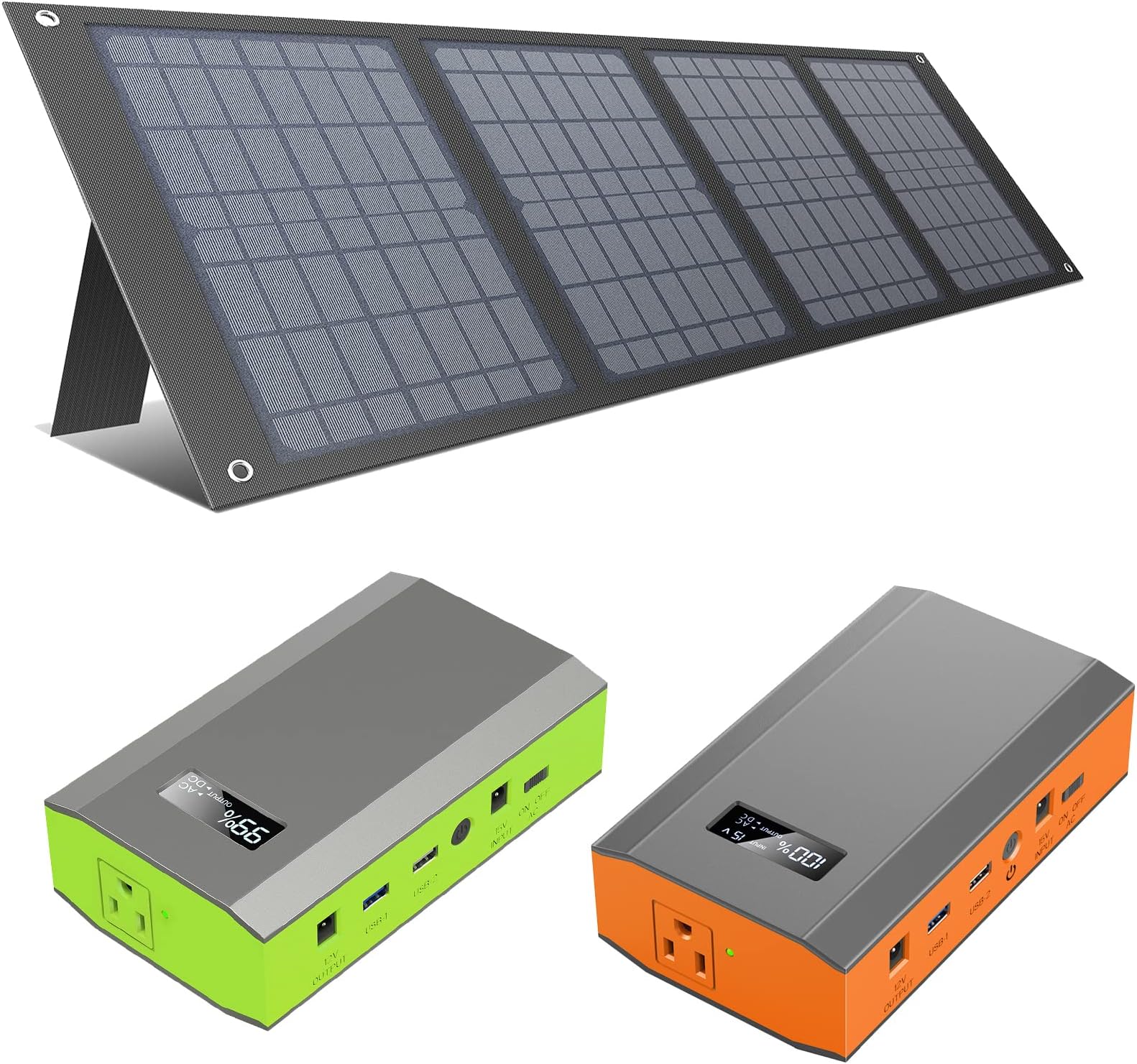
A portable power bank for camping is essentially an all-in-one electrical generator housed in a durable casing, running entirely on battery chemistry rather than fossil fuels. Unlike a pocket-sized USB power bank used to top off a smartphone on a day hike, camping-grade power banks—often built around advanced lithium-ion or LiFePO4 chemistries—offer capacities ranging from 300 watt-hours (Wh) to over 3,000Wh.
These units feature multiple output ports, including:
- Standard AC Outlets: 110V/120V household plugs to run laptops, blenders, or small appliances.
- 12V DC Sockets (Cigarette Lighter style): For running specialized camping gear like portable compressor fridges, air pumps, and LED light strips.
- Anderson Powerpole Connectors: Common in 12V overlanding setups for high-draw DC accessories.
- USB-A and USB-C Power Delivery (PD) Ports: For charging phones, tablets, and modern cameras quickly.
Key Technical Metrics to Know
When shopping for a portable power bank, two main metrics dictate performance:
- Capacity (Watt-hours / Wh): The total amount of energy the battery can store. For example, a 500Wh power bank can theoretically run a 50-watt device for 10 hours.
- Inverter Output (Watts / W): The maximum continuous load the unit's AC inverter can handle at one time. A 1000W inverter cannot power a 1500W coffee maker, regardless of battery capacity.
Comparing Power Options for 12V Camping
To determine if a portable power bank is worth your money, it helps to compare it directly against the other primary methods of powering gear while camping.
| Power Method | Initial Cost | Installation Complexity | Portability | Best Suited For |
|---|---|---|---|---|
| Portable Power Bank | Moderate to High | None (Plug-and-play) | High (Moveable between vehicles/tents) | Weekend campers, overlanders, tent campers, emergency backup |
| Dual-Battery System | High | Complex (Wiring required) | None (Fixed to vehicle) | Dedicated overlanders, hard-core 4x4 builds, permanent fridge setups |
| Gas/Propane Generator | Low to Moderate | Low | Low (Heavy, loud, requires fuel storage) | RVs, large basecamps, high-draw power needs |
| Disposable/Small Power Banks | Very Low | None | Very High | Ultralight backpackers, single-device charging |
Is a Portable Power Bank Worth It? Assessing the Pros
The argument for purchasing a portable power bank rests on convenience, safety, and versatility. For many campers, the benefits easily outweigh the upfront expense.
1. Safety and Ease of Use
Unlike traditional dual-battery setups that require cutting wire harnesses, running cables through firewalls, and mounting heavy batteries securely inside a vehicle cabin, a portable power bank is entirely safe out of the box. There are no hazardous acid spills, no risk of accidentally draining your vehicle’s starter battery, and no complex fusing required. You simply charge it at home, throw it in the trunk, and plug your gear in.
2. Silent, Fume-Free Operation
Traditional fuel-powered generators are loud, require carrying cans of gasoline or propane, and emit toxic carbon monoxide, making them illegal or deeply unpopular in many quiet campgrounds. Portable power banks operate in absolute silence and produce zero emissions, allowing you to run them inside a tent, camper shell, or cabin without hazard.
3. Versatility Across Activities
A portable power bank is not just a camping accessory; it doubles as an emergency home backup battery during grid outages, a power source for outdoor tailgating, and a mobile workstation for remote work. This multi-use aspect helps justify the higher initial purchase price.
4. Integration with Solar Charging
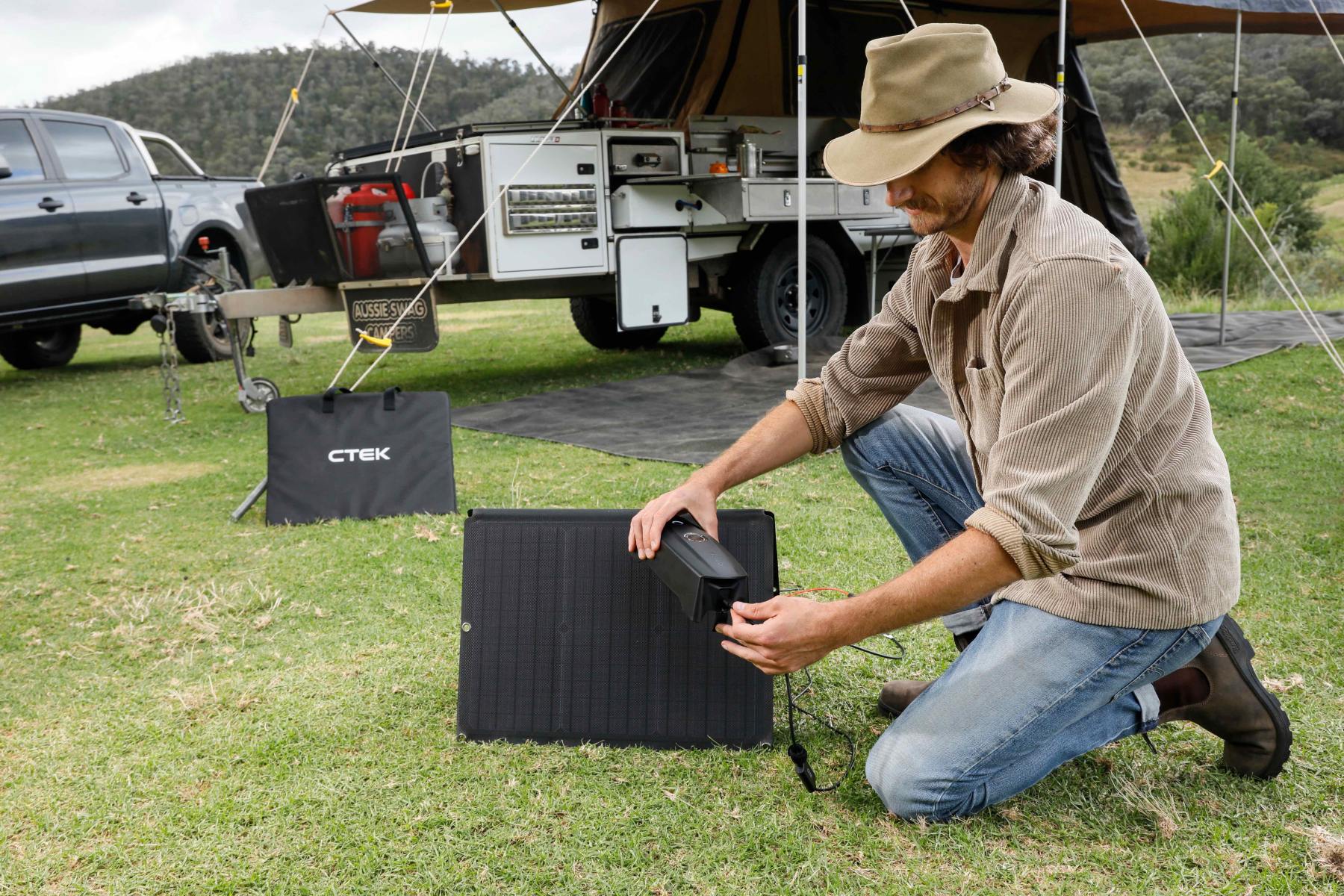
Most quality portable power banks feature built-in Maximum Power Point Tracking (MPPT) solar charge controllers. This allows users to plug in portable monocrystalline solar panels, enabling infinite off-grid power during extended camping trips without needing a running vehicle engine.
The Drawbacks: When a Power Bank Might Not Be Worth It
Despite their advantages, portable power banks come with distinct limitations that every buyer should consider before purchasing.
1. High Upfront Cost
Quality lithium-iron-phosphate (LiFePO4) power banks represent a significant financial investment. Units capable of running high-draw appliances or sustaining a multi-day trip often range from $500 to over $2,000. For casual campers who only go out once a year and primarily sleep under canvas without electronic devices, this cost is difficult to justify.
2. Weight and Bulk
While portable compared to a traditional generator or a dual-battery kit, camping power banks are heavy. A mid-range 1,000Wh unit typically weighs between 25 and 35 pounds. They are entirely unsuited for backpackers or anyone traveling light where every ounce matters.
3. Charging Logistics in Poor Weather
Relying on solar panels to recharge your power bank in the wilderness sounds ideal, but it requires consistent sunlight. Extended heavy cloud cover, dense forest canopy, or rainy conditions can leave you stranded with a depleted battery unless you have a vehicle charging cable (DC-to-DC car charger) or access to a shore power outlet.
Real-World Applications: What Can a Portable Power Bank Actually Run?
To gauge whether a power bank is worth your money, evaluate your specific power draw profile. Different camping styles demand vastly different capacities.
Weekend Car Camping
For a standard two-night weekend trip where you need to charge phones, tablets, run a string of LED tent lights, and power a small electric fan, a compact power bank in the 300Wh to 500Wh range is usually more than enough. These units are lightweight, affordable, and easy to manage.
Overlanding and Portable Refrigeration
If you run a 12-volt portable compressor fridge (such as an ARB, Dometic, or Iceco) continuously to keep food and drinks cold, your power demands skyrocket. Refrigerators draw power intermittently, typically consuming 40Wh to 80Wh per hour depending on ambient temperature. For a multi-day overlanding trip running a fridge, charging camera batteries, and powering medical devices like a CPAP machine, a 1,000Wh to 2,000Wh power bank paired with a 100W–200W solar panel is practically mandatory.
Common Mistakes to Avoid When Buying
If you decide that a portable power bank is right for your camping style, avoid these frequent buyer pitfalls:
- Buying Based on Price Alone: Cheap lead-acid or older lithium-ion units degrade quickly and often lack safety certifications (like UL listings). Stick to reputable brands utilizing modern LiFePO4 chemistries, which offer 3,000+ life cycles before dropping to 80% capacity.
- Ignoring Inverter Surge Ratings: Check both continuous and surge wattage. Devices with electric motors (like mini-fridges or pumps) require a surge of power to start up that is often double or triple their running wattage.
- Overlooking Physical Dimensions: Do not buy a massive unit that takes up half your trunk space if a smaller, modular system or dual smaller units would fit your packing constraints better.
Frequently Asked Questions
Can I charge a portable power bank while driving my car?
Yes. Most portable power banks include a 12V cigarette lighter car-charging cable (often called a DC adapter). While charging speeds via a standard vehicle socket are slower than household AC charging, it is an effective way to top off your power bank while driving between campsites.
How long will a portable power bank last before dying?
Modern power banks utilizing LiFePO4 (Lithium Iron Phosphate) battery chemistry typically last for 2,500 to 3,500 complete charge cycles before their capacity degrades to 80% of the original factory rating. For normal camping use (e.g., 30 to 50 cycles a year), a quality unit can easily last a decade or more.
Do I need a solar panel, or can I charge it at home?
You do not strictly need a solar panel. If you are only going on weekend trips, you can fully charge the power bank at home via a standard wall outlet before leaving. Solar panels are only necessary for extended off-grid trips lasting longer than your battery's total standalone capacity.
Can a portable power bank run a CPAP machine while camping?
Yes, many campers use portable power banks specifically to run CPAP sleep apnea machines off-grid. To maximize runtime, turn off the machine's heated humidifier and heated tube hose, which consume massive amounts of battery power. With the heater disabled, a 500Wh power bank can easily run a standard CPAP machine for multiple nights.
Are portable power banks waterproof?
No. Almost all portable power banks feature cooling fans and exposed AC/DC ports that are vulnerable to moisture, dust, and rain. You must keep them inside a tent, vehicle, or under a sheltered awning during inclement weather.
Conclusion and Final Recommendation
Investing in a portable power bank for 12-volt camping is worth it for campers who prioritize comfort, safety, and the reliable operation of modern electronics in the outdoors. If you frequently use portable fridges, charge multiple devices, travel with family, or want a reliable emergency backup power source at home, the plug-and-play convenience of a LiFePO4 power station justifies the upfront cost. However, if your camping trips consist of minimalist backpacking or traditional primitive tent camping where electronics are left behind, your money is better saved. Assess your daily wattage requirements, factor in your charging methods—such as vehicle DC charging or solar—and choose a unit capacity that matches your off-grid ambitions.