A blood pressure reading of 108/69 mmHg falls well within the healthy, optimal range for adults. It indicates that the heart is pumping blood efficiently without placing excessive strain on the arterial walls, and it generally requires no medical intervention or concern.
Blood pressure is one of the most critical vital signs monitored in clinical and home settings. When individuals check their measurements and see numbers like 108 over 69, questions frequently arise regarding whether these figures represent a healthy state or signal an underlying issue. Far from being a cause for worry, this reading aligns with contemporary cardiovascular guidelines that define optimal blood pressure as anything below 120/80 mmHg. Understanding the mechanics behind these numbers, recognizing how they fit into broader health contexts, and knowing when—and how often—to monitor them can empower individuals to maintain long-term cardiovascular wellness.
Deconstructing Blood Pressure Measurements: Systolic and Diastolic Mechanics
To properly evaluate a reading of 108/69, it is essential to understand what the two numbers represent. Blood pressure readings consist of two distinct metrics measured in millimeters of mercury (mmHg), written as a fraction where the top number is the systolic pressure and the bottom number is the diastolic pressure.
The top number, systolic pressure (in this case, 108), measures the force exerted against the artery walls when the heart contracts to pump blood out to the body. This is the peak pressure in the cycle. A systolic reading below 120 mmHg is categorized as normal according to major health organizations, including the American Heart Association (AHA) and the American College of Cardiology (ACC). At 108 mmHg, the heart is generating enough pressure to circulate blood effectively throughout the vascular network without creating excessive mechanical stress on delicate endothelial linings.
The bottom number, diastolic pressure (in this case, 69), measures the pressure in the arteries when the heart rests between beats, filling with blood before the next contraction. A normal diastolic reading is classified as less than 80 mmHg. A measurement of 69 mmHg sits comfortably below this threshold. During this resting phase, the arteries must maintain a baseline tone to ensure continuous perfusion of oxygen and nutrients to vital organs such as the brain, kidneys, and liver, and a reading of 69 indicates optimal vascular resistance.
Categorizing Blood Pressure Ranges According to Clinical Guidelines
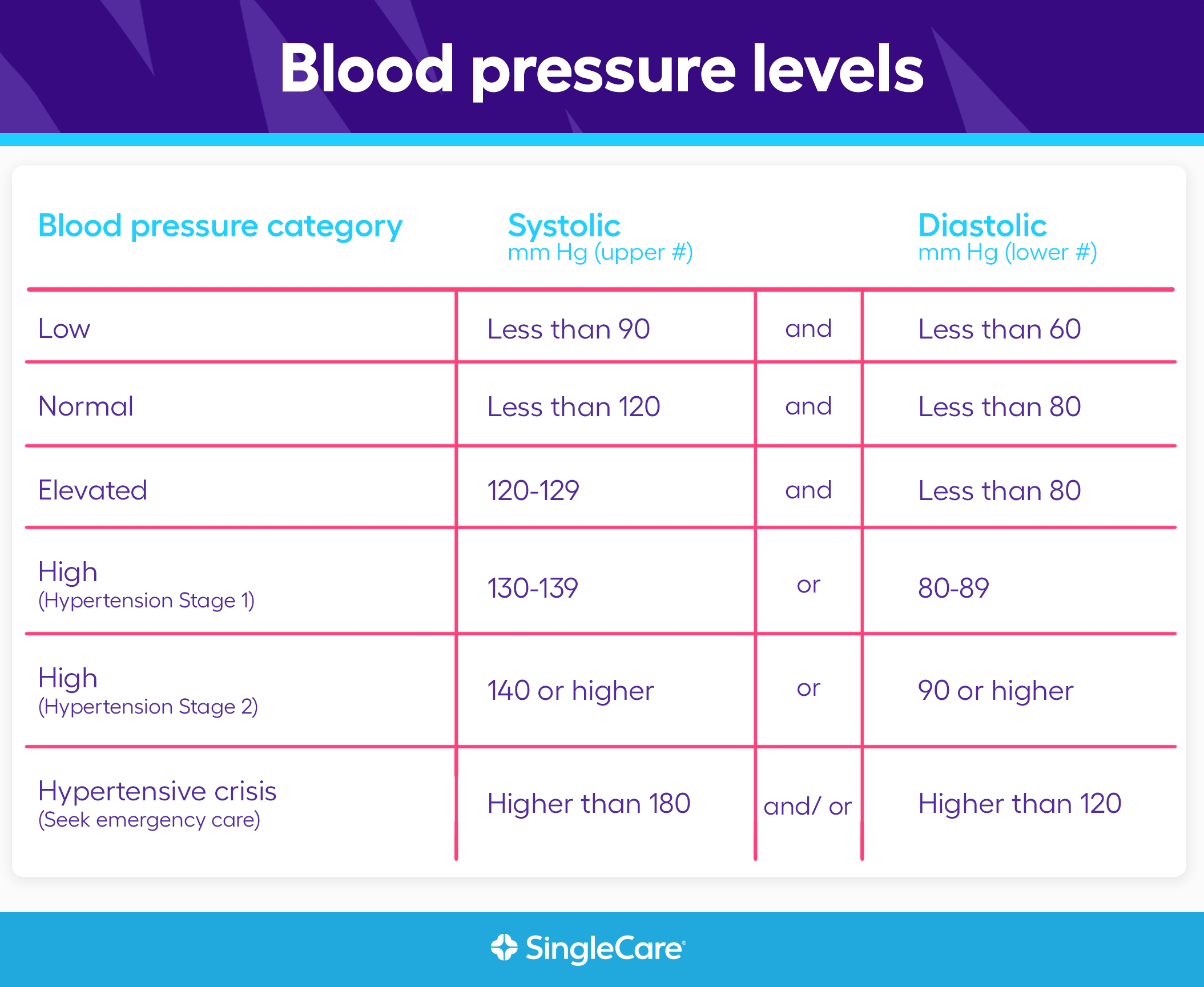
Medical authorities classify blood pressure into distinct categories to help clinicians and patients identify trends early and prevent cardiovascular disease. Reviewing these standards places a 108/69 reading into its proper context.
| Blood Pressure Category | Systolic (mmHg) | Diastolic (mmHg) | Clinical Interpretation |
|---|---|---|---|
| Normal | Less than 120 | and Less than 80 | Optimal cardiovascular health; lowest risk for heart disease and stroke. |
| Elevated | 120 – 129 | and Less than 80 | Tends to worsen over time if lifestyle changes are not adopted. |
| Stage 1 Hypertension | 130 – 139 | or 89 | Increased risk of cardiovascular events; requires lifestyle modification and possible medication. |
| Stage 2 Hypertension | 140 or higher | or 90 or higher | High risk; requires prompt medical evaluation, lifestyle changes, and typically multiple medications. |
| Hypertensive Crisis | Higher than 180 | and/or Higher than 120 | Medical emergency; requires immediate emergency medical attention. |
As shown in the table, 108/69 sits securely in the "Normal" category. It meets the criteria for both a systolic reading under 120 and a diastolic reading under 80.
Why 108/69 Is Generally Considered Optimal
A reading of 108/69 is not only normal; it is often considered an ideal target for cardiovascular health. Maintaining blood pressure in this range reduces the cumulative wear and tear on the arterial tree. High blood pressure over time can cause microscopic tears in the inner lining of arteries, promoting the accumulation of atherosclerotic plaques, which restrict blood flow and elevate the risk of myocardial infarction (heart attack), cerebrovascular accident (stroke), and chronic kidney disease.
Furthermore, a reading of 108/69 indicates a healthy balance between cardiac output and systemic vascular resistance. The heart does not have to work against abnormally stiff or constricted blood vessels to push blood forward. This efficient operation preserves myocardial function over decades, reducing the likelihood of left ventricular hypertrophy—an abnormal thickening of the heart muscle caused by chronic pumping against high resistance.
The Role of Individual Baseline Variations
While 108/69 is healthy for the vast majority of adults, blood pressure is inherently dynamic. It fluctuates throughout the day in response to physical activity, stress levels, dietary intake, hydration, sleep quality, and posture. What matters most is an individual's personal baseline and overall cardiovascular profile.
Physiological Factors Influencing Readings
- Circadian Rhythms: Blood pressure naturally dips during sleep and rises upon waking, peaking in the mid-morning hours.
- Physical Activity: Exercise temporarily raises systolic pressure to meet the oxygen demands of skeletal muscles, followed by a post-exercise drop.
- Stress and Emotion: Acute stress triggers the sympathetic nervous system, releasing hormones like adrenaline that temporarily increase heart rate and blood pressure.
- Caffeine and Nicotine: Stimulants cause acute, short-term vasoconstriction and increases in blood pressure readings.
For someone whose historical baseline has hovered around 135/85, a sudden reading of 108/69 might feel unusual, but from a clinical standpoint, it represents a healthier physiological state. Conversely, someone who naturally runs very low (such as 90/60) might experience 108/69 as an ordinary reading.
When Low Blood Pressure Becomes Clinically Significant
A common point of confusion is whether a reading like 108/69 is "too low." In medicine, hypotension (low blood pressure) is typically diagnosed only when readings consistently fall below 90/60 mmHg and are accompanied by bothersome symptoms of inadequate blood flow to the brain and vital organs.
Symptoms of clinically significant low blood pressure include:
- Dizziness or lightheadedness, particularly when standing up quickly (orthostatic hypotension)
- Fainting or syncopal episodes
- Unexplained fatigue or lethargy
- Inability to concentrate
- Cold, clammy, or pale skin
- Blurred vision
Because 108/69 is well above the 90/60 threshold, it rarely causes symptoms. If an individual with a 108/69 reading feels completely normal, energetic, and healthy, the reading is purely a sign of good cardiovascular function rather than pathological hypotension.
Best Practices for Accurate Blood Pressure Measurement
Obtaining a reliable blood pressure reading at home requires proper technique. Inaccurate measurements can cause unnecessary anxiety or mask genuine health trends. Ensuring that readings accurately reflect cardiovascular status involves several standardized steps.
Preparation and Positioning Steps
- Rest Before Measurement: Sit quietly in a comfortable chair with back support for at least five minutes before inflating the cuff. Avoid exercising, smoking, or consuming caffeine for 30 minutes prior.
- Proper Posture: Sit with feet flat on the floor and legs uncrossed. Rest the arm on a flat surface, such as a table, so that the middle of the cuff is level with the right atrium of the heart (the midpoint of the sternum).
- Correct Cuff Size: Use an appropriately sized upper-arm cuff. A cuff that is too small will yield falsely elevated readings, while a cuff that is too large may produce falsely low readings. Wrist and finger monitors are generally less reliable than validated upper-arm (brachial) monitors.
- Clothing Interference: Place the cuff directly against bare skin. Rolling up a tight sleeve can create a tourniquet effect that alters blood flow and skews the measurement.
- Minimize Distractions: Do not talk, watch television, or use a smartphone while the measurement is taking place, as conversation and mental stimulation can raise blood pressure.
Maintaining Long-Term Cardiovascular Health
Even when blessed with optimal readings like 108/69, maintaining cardiovascular health requires ongoing, proactive lifestyle habits. Blood pressure tends to increase naturally with age as arteries lose elasticity, making preventative lifestyle choices valuable across all life stages.
Nutrition and Hydration
Adopting a dietary pattern rich in fruits, vegetables, whole grains, and lean proteins—such as the Dietary Approaches to Stop Hypertension (DASH) eating plan—supports vascular health. Moderating sodium intake helps prevent unnecessary fluid retention and vascular stiffness. Adequate daily water intake also ensures optimal blood volume, preventing unnecessary strain on the circulatory system.
Regular Physical Activity
Engaging in regular aerobic exercise, such as brisk walking, swimming, cycling, or running, strengthens the heart muscle and improves endothelial function. The World Health Organization and the American Heart Association recommend at least 150 minutes of moderate-intensity aerobic activity per week, supplemented by muscle-strengthening activities on two or more days.
Stress Management and Sleep
Chronic stress elevates baseline cortisol and adrenaline levels, which can gradually drive up blood pressure over time. Incorporating mindfulness practices, deep-breathing exercises, yoga, or engaging hobbies helps mitigate stress. Additionally, prioritizing seven to nine hours of restorative sleep per night allows the cardiovascular system to undergo necessary nocturnal recovery and resetting.
Frequently Asked Questions
Is 108/69 blood pressure considered too low?
No. A reading of 108/69 is classified as normal and healthy. Hypotension is generally not diagnosed unless readings drop below 90/60 mmHg and are accompanied by symptoms such as dizziness, fainting, or fatigue. If you feel fine at 108/69, your organs are receiving adequate blood perfusion.
Can blood pressure fluctuate throughout the day and still be normal?
Yes. Blood pressure naturally varies in response to physical activity, stress, meals, caffeine intake, posture, and time of day. Readings typically dip during sleep and rise when active. A single reading of 108/69 fits comfortably within a healthy daily fluctuation range.
How often should I check my blood pressure if it is normally 108/69?
For adults with normal readings and no underlying cardiovascular risk factors, checking blood pressure during routine annual wellness exams with a healthcare provider is usually sufficient. Individuals managing specific health conditions or monitoring lifestyle changes may choose to check their readings at home weekly or monthly.
What should I do if my blood pressure reading changes suddenly?
Occasional variations in blood pressure are entirely normal. However, if you notice a sustained trend moving outside the normal range—such as consistent readings above 130/80 or sudden drops accompanied by severe symptoms—consult a healthcare professional for a comprehensive evaluation.
Does age affect what constitutes a normal blood pressure reading?
Current clinical guidelines from major cardiology organizations apply the same normal thresholds (below 120/80 mmHg) to all adults, regardless of age. While arterial stiffening occurs naturally with aging, maintaining a lower reading like 108/69 is associated with reduced cardiovascular risk across all age groups.
Conclusion and Next Actions
A blood pressure reading of 108/69 is a reassuring indicator of optimal cardiovascular health. It reflects an efficient heart and healthy, flexible blood vessels operating well within established safety thresholds. Rather than worrying about a normal reading, focus on sustaining the healthy habits that support it, including balanced nutrition, regular physical activity, effective stress management, and routine check-ups with a qualified healthcare professional. If you have specific health concerns or personal medical history that complicates your cardiovascular profile, consult your doctor for personalized guidance.