Converting 100,000 US Dollars (USD) to pesos requires careful attention to fluctuating exchange rates, transfer fees, and institutional regulations, as this substantial sum is subject to varying regional economic factors and banking protocols.
Converting 100,000 US Dollars to pesos yields a variable amount depending on the specific destination country and the live interbank exchange rate, ranging significantly across different Latin American and Asian economies such as Mexico, Colombia, the Philippines, Chile, the Dominican Republic, Argentina, Uruguay, and Cuba. Because "pesos" refers to the official currency of multiple nations, executing a high-value transfer of this magnitude requires precise destination identification, awareness of foreign exchange spreads, and strict adherence to anti-money laundering and tax reporting requirements in both the originating and receiving jurisdictions.
Understanding the Ambiguity of "Pesos" in Global Currency Markets
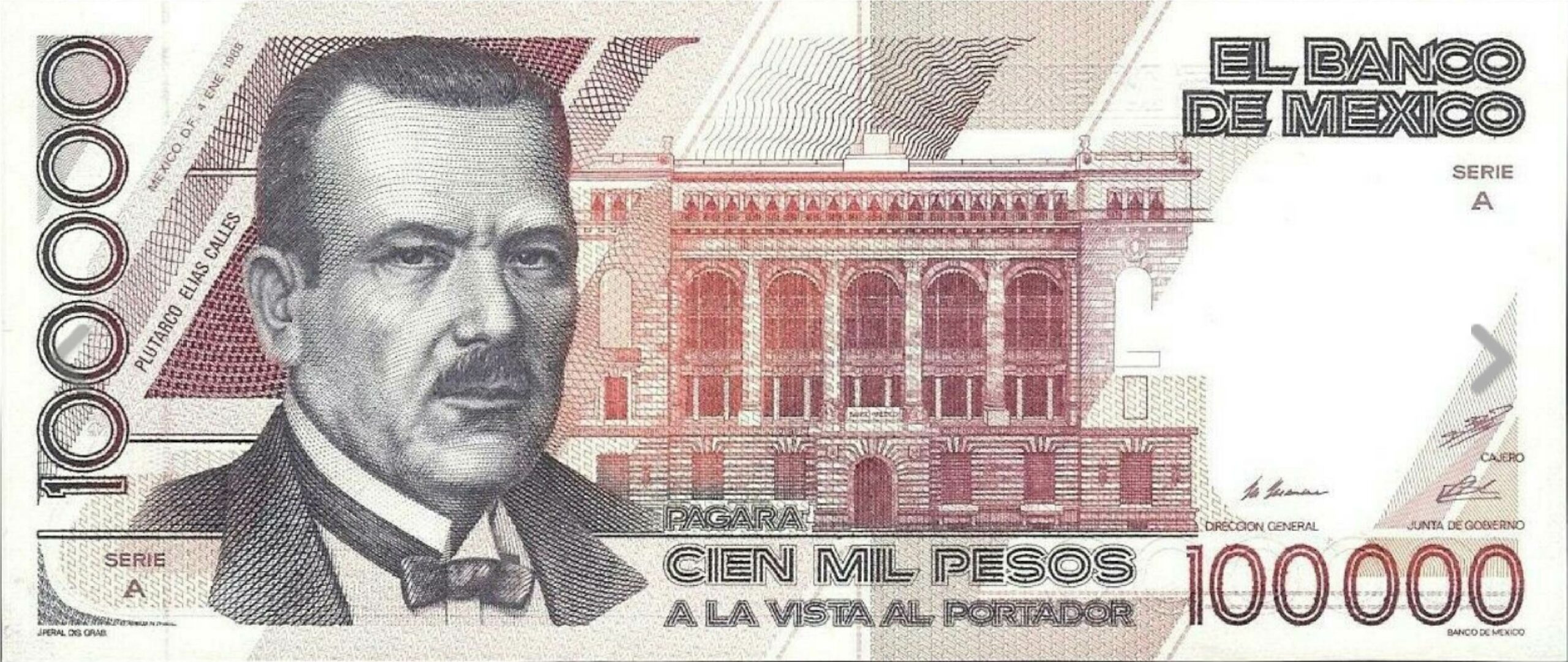
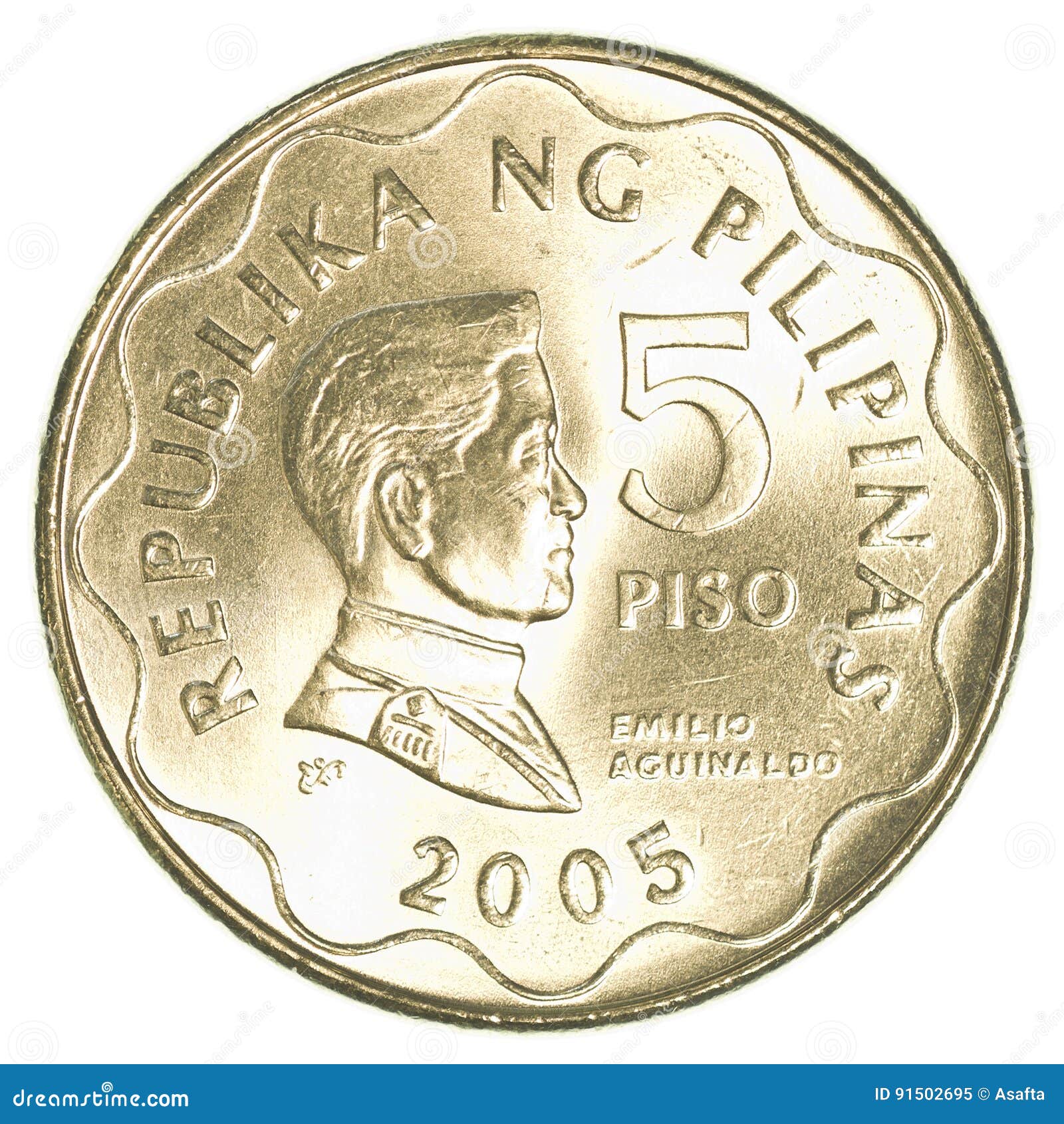
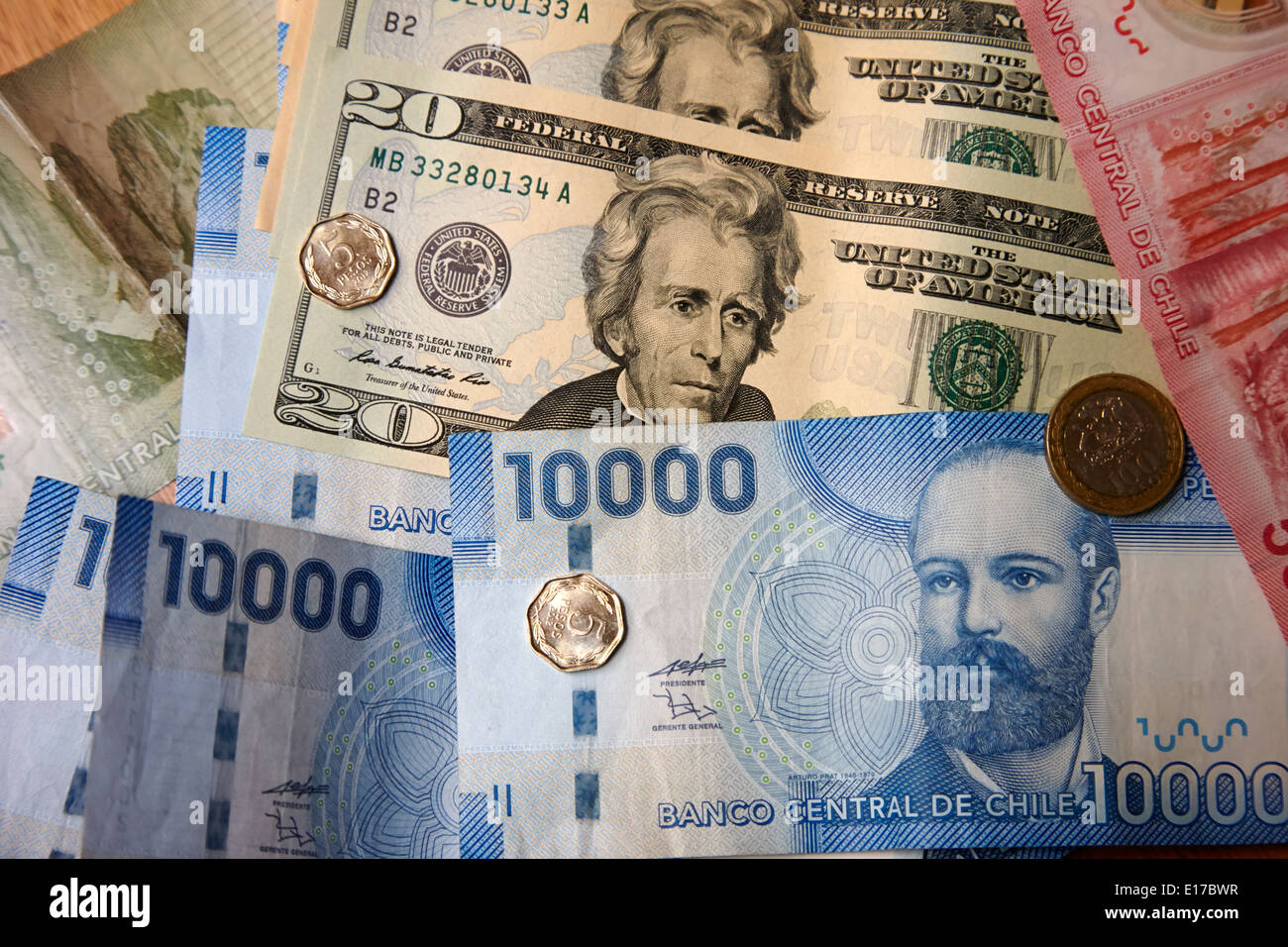
When individuals search for currency conversions involving "pesos," they are rarely looking at a single monetary unit. Unlike the US Dollar or the Euro, the term "peso" is shared by several distinct national economies, each with its own independent central bank, monetary policy, inflation rate, and exchange rate dynamics against the greenback.
When converting a large sum like 100,000 USD, failing to account for the specific country can result in catastrophic financial miscalculations. The Mexican Peso (MXN), for instance, floats freely and is one of the most heavily traded emerging market currencies in the world, whereas the Argentine Peso (ARS) operates under complex dual-rate systems and strict capital controls. Similarly, the Philippine Peso (PHP), Colombian Peso (COP), Chilean Peso (CLP), Dominican Peso (DOP), and Uruguayan Peso (UYU) each possess unique liquidity profiles and market behaviors.
Therefore, before initiating any financial transaction, verify the exact ISO 4217 currency code required for your intended destination. Confusing MXN with COP or PHP on a six-figure USD principal will introduce massive valuation errors that can alter your purchasing power by tens of thousands of dollars.
Factors Influencing the USD to Peso Exchange Rate
The exchange rate applied to a 100,000 USD conversion is rarely the mid-market or interbank rate seen on financial news tickers. Several structural and market-driven variables dictate the final amount of local currency deposited into a recipient account.
The Interbank Rate vs. Retail Exchange Rates
The interbank rate represents the wholesale price at which major global banks trade currencies with one another. Retail customers—even those transferring large amounts—typically receive a retail rate that incorporates a markup or "spread" charged by the currency broker, bank, or transfer provider. On a transaction of 100,000 USD, a seemingly small percentage spread of 0.5% to 2.0% translates to a cost of $500 to $2,000 in lost purchasing power.
Macroeconomic Drivers
National currency valuations relative to the US Dollar are heavily influenced by macroeconomic indicators:
- Interest Rate Differentials: Higher interest rates set by a central bank (such as Banco de México or Bangko Sentral ng Pilipinas) relative to the U.S. Federal Reserve can attract foreign capital, strengthening the local peso.
- Commodity Prices: Economies like Chile and Colombia are major exporters of copper and oil, respectively. Their pesos often fluctuate in tandem with global commodity cycles.
- Political Stability and Inflation: Persistent domestic inflation or political uncertainty tends to weaken local fiat currencies against the US Dollar, driving up the nominal peso yield for a 100,000 USD conversion.
Comparative Analysis of Major Peso Currencies
To illustrate how vastly different a 100,000 USD conversion can be across jurisdictions, examine the following structural comparison of major peso-denominated economies as of 2026.
| Country / Currency Code | Typical Liquidity | Common Transfer Methods | Regulatory & Compliance Focus |
|---|---|---|---|
| Mexico (MXN) | Very High | Wire transfer, specialized fintechs, local bank deposit | Proof of funds, source of wealth documentation |
| Philippines (PHP) | High | Remittance networks, direct bank transfer, cash pickup | Anti-Money Laundering Council (AMLC) reporting |
| Colombia (COP) | Moderate to High | Interbank wire, authorized FX intermediaries (Intermediarios del Mercado Cambiario) | Formal declaration of foreign exchange transactions (Declaración de Cambio) |
| Chile (CLP) | Moderate | Commercial bank wire, specialized brokers | Central bank statistical reporting for large inflows |
| Dominican Republic (DOP) | Moderate | Commercial bank transfer, remittance agencies | Know Your Customer (KYC) compliance, local tax identification |
Methods for Converting 100,000 USD to Pesos
Executing a six-figure USD exchange requires choosing the right financial channel to minimize fees and secure competitive rates. Traditional retail banks are often the most expensive option for this volume, while specialized cross-border payment providers or foreign exchange brokers frequently offer better pricing.
1. Traditional Commercial Bank Wire Transfers
Initiating a traditional wire transfer from a US bank account to a foreign bank account in pesos is secure but costly.
- Pros: High security, established institutional frameworks, suitable for corporate or real estate transactions.
- Cons: High intermediary bank fees, poor exchange rate spreads, and potential processing delays lasting 2 to 5 business days.
2. Specialized Foreign Exchange (FX) Brokers
For transactions of 100,000 USD and above, dedicated FX brokers (such as OFX, Wise Business, or institutional currency desks) often provide dedicated account managers, forward contracts to lock in rates, and significantly tighter margins than standard retail banks.
- Pros: Lower percentage spreads, personalized customer service, ability to execute limit orders or forward contracts.
- Cons: Requires account setup and identity verification; transfer limits may require tiered documentation.
3. Multi-Currency Business Accounts and Fintech Platforms
Digital platforms enable users to hold USD, convert balances at near-market rates, and disburse local currency directly into recipient accounts. However, limits on single-day transactions or maximum holding caps can apply depending on the platform's regulatory licensing.
Regulatory Compliance, Taxes, and Legal Requirements
Moving 100,000 USD across international borders triggers strict regulatory scrutiny. Financial institutions and regulatory bodies worldwide enforce rigorous compliance frameworks to prevent illicit finance, tax evasion, and money laundering.
Source of Funds and Wealth Verification
When you deposit or convert 100,000 USD, your bank or transfer provider is legally obligated to ask for documentation proving the legitimate origin of the capital. Acceptable documentation typically includes:
- Signed closing statements from real estate sales.
- W-2s, corporate tax returns, or audited financial statements for business owners.
- Inheritance documentation, court orders, or executed investment portfolio liquidation statements.
Failing to provide adequate documentation will result in frozen funds, canceled transactions, and potential filings with financial intelligence units such as FinCEN in the United States or equivalent local authorities abroad.
Tax Reporting Obligations
In the United States, transferring large sums abroad does not inherently trigger a federal tax liability (as moving your own capital is not a taxable event), but it does require proper reporting.
- FBAR (FinCEN Form 114): If you transfer the funds into a foreign financial account and the aggregate value of all foreign accounts exceeds $10,000 at any point during the calendar year, you must file an FBAR with the U.S. Treasury.
- FATCA (Form 8938): Depending on your filing status and total foreign asset thresholds, you may need to report foreign financial assets on your annual federal income tax return.
In the destination country, receiving a large influx of foreign currency often requires formal declaration to local tax authorities to ensure proper compliance with local income tax laws, capital gains rules, or value-added transaction frameworks.
Step-by-Step Guide to Executing the Transfer
To ensure a smooth and cost-effective conversion of 100,000 USD to pesos, follow a structured operational workflow.
- Verify the Live Interbank Rate: Check independent financial terminals or reliable market data providers to establish the baseline exchange rate before speaking with brokers.
- Select and Vet Your Provider: Compare quotes from at least two specialized FX brokers and one major commercial bank. Confirm that the provider is fully licensed and regulated in both the sending and receiving jurisdictions.
- Prepare Compliance Documentation: Gather your source of funds paperwork, government-issued identification, tax identification numbers, and any requested recipient bank verification letters in advance to prevent processing bottlenecks.
- Lock in the Rate or Execute Spot Trade: Decide whether to execute an immediate spot trade or use a forward contract if you need to protect against short-term currency volatility.
- Monitor Settlement and Confirmation: Confirm receipt of funds with both the sending institution and the destination bank, ensuring that local taxes or clearing fees have been appropriately accounted for.
Common Mistakes to Avoid
- Relying on Google Search Rates for Execution: The rate displayed on search engines is the wholesale interbank rate. Retail customers cannot trade at this rate; expecting it leads to severe budget miscalculations.
- Ignoring Transfer Limits and Hold Times: Many standard retail accounts have daily outbound wire limits well below 100,000 USD, requiring special telephone authorization or branch visits.
- Neglecting Intermediary Bank Fees: SWIFT wire transfers often route through intermediary correspondent banks that deduct flat fees ($15 to $50 per hop) before the funds reach the destination account.
- Failing to Notify Banks in Advance: Triggering a sudden six-figure transfer without prior notice to your financial institution’s fraud department frequently triggers an automatic account freeze.
Frequently Asked Questions
How much is 100,000 USD in Mexican Pesos (MXN)?
The exact conversion value changes continuously based on live market conditions. To find the current amount, multiply 100,000 by the live USD/MXN interbank exchange rate and subtract your broker's spread. Because the Mexican Peso floats actively against the dollar, check a live financial platform right before executing your trade.
What is the cheapest way to transfer 100,000 USD internationally?
Specialized foreign exchange brokers and institutional currency transfer desks are generally much cheaper than traditional commercial banks. They offer tighter percentage spreads and lower fixed fees on high-volume transactions, saving thousands of dollars compared to retail wire fees.
Will transferring 100,000 USD trigger a tax audit?
Transferring your own capital is not a taxable income event, but the transaction will be automatically reported to financial regulators under anti-money laundering thresholds. You must be prepared to document the legitimate source of funds to satisfy bank compliance and tax reporting requirements.
Can I lock in an exchange rate ahead of time for a large transfer?
Yes. Many specialized FX brokers offer "forward contracts," allowing you to lock in a specific exchange rate for a future settlement date, which protects your 100,000 USD principal against adverse currency fluctuations.
Do I need to declare the funds when they arrive in the destination country?
Yes. Most countries enforce strict foreign exchange regulations. Receiving a six-country sum will require formal declaration to local banking authorities and potentially the national tax administration to verify compliance with domestic capital controls.
Conclusion and Next Actions
Converting 100,000 USD to pesos requires meticulous planning, an understanding of specific destination currencies, and strict adherence to international compliance standards. Begin by identifying the exact peso currency code required, compare rates across specialized foreign exchange providers rather than relying solely on traditional retail banks, and assemble your source of funds documentation ahead of time. Contact your chosen financial provider or broker to discuss high-value transfer protocols, secure a competitive exchange rate, and execute your transaction safely.