Finding the right horror movies for Halloween night involves balancing atmospheric tension, iconic monster lore, and pacing that suits a late-October gathering or a quiet midnight marathon. Selecting films that capture the essence of the season ensures an immersive viewing experience, whether you prefer psychological suspense, supernatural dread, or classic slasher terror.
The Ultimate Halloween Movie Curations
Curating a lineup for Halloween night requires an appreciation of cinematic history, subgenres, and audience engagement. Below are ten foundational horror films spanning multiple decades, each offering a distinct atmosphere well-suited for an October evening.
1. Halloween (1978)
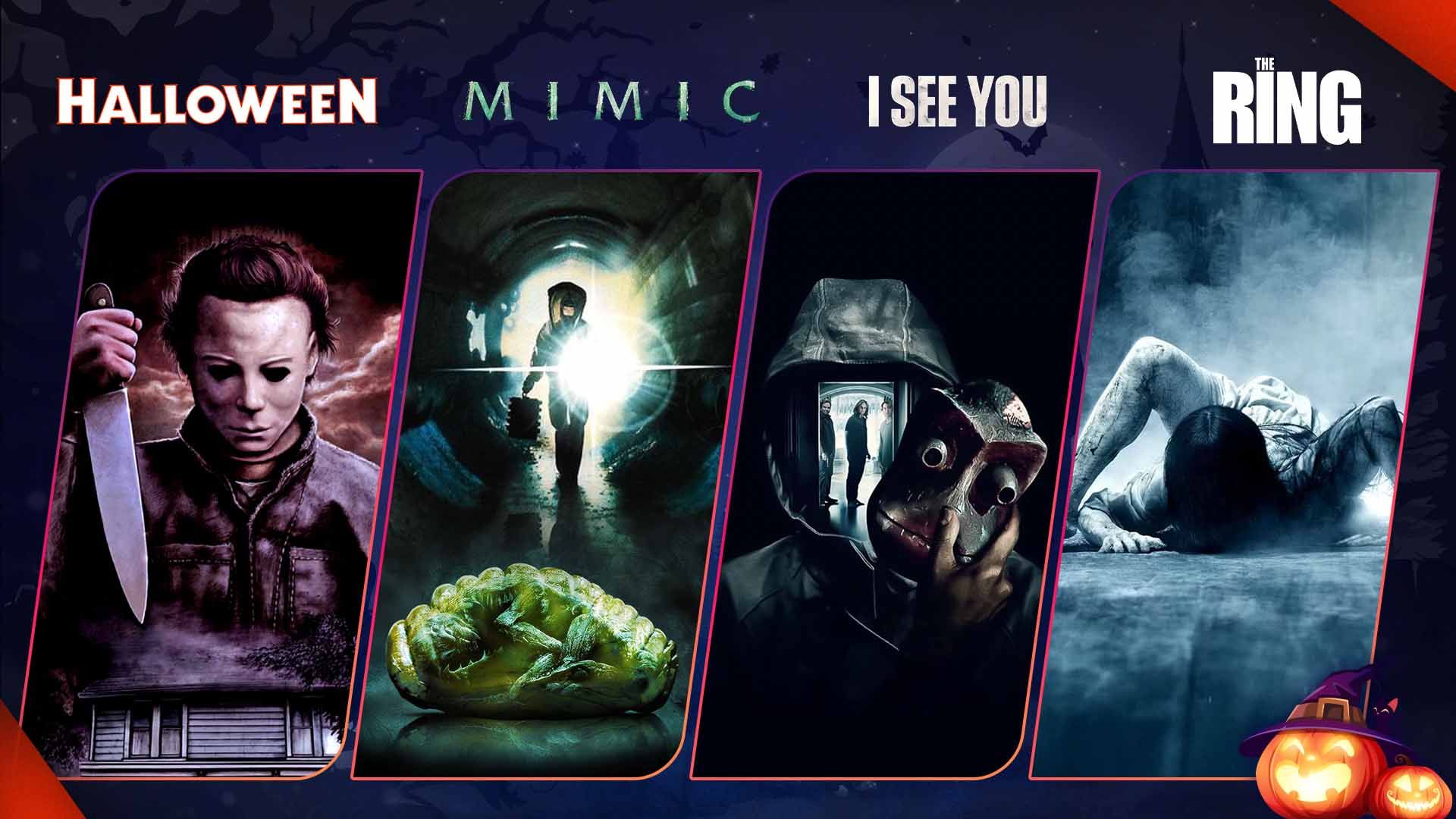
John Carpenter’s masterclass in suburban terror established many tropes of the modern slasher genre. Set on a crisp, quiet Halloween night in Haddonfield, Illinois, the film follows the relentless pursuit of babysitter Laurie Strode (Jamie Lee Curtis) by institutional escapee Michael Myers.
- Atmosphere: Eerie, suspenseful, and grounded in mundane suburban environments.
- Why Watch: The minimalist piano score and steady panning shots create a pervasive sense of vulnerability. It remains the definitive cinematic reference point for Halloween night viewing.
2. The Exorcist (1973)
Directed by William Friedkin, this adaptation of William Peter Blatty’s novel explores the horrifying demonic possession of a young girl and the desperate efforts of two priests to perform an exorcism.
- Atmosphere: Blasphemous, oppressive, and deeply psychological.
- Why Watch: Beyond its famous special effects, the film relies on atmospheric dread, stark lighting, and a meticulous exploration of faith and doubt. It is widely considered one of the most frightening films ever made.
3. Hereditary (2018)
Ari Aster’s feature debut examines the devastating grief that consumes a family following the death of their secretive grandmother. As strange occurrences multiply, sinister ancestral ties come to light.
- Atmosphere: Unsettling, claustrophobic, and emotionally harrowing.
- Why Watch: Toni Collette delivers a powerhouse performance that anchors the supernatural horror in genuine domestic trauma. The film rejects cheap jumpscares in favor of lingering, agonizing imagery.
4. The Thing (1982)
John Carpenter’s sci-fi horror masterpiece strands a group of American researchers in a remote Antarctic outpost where a shape-shifting alien organism begins imitating members of the team.
- Atmosphere: Paranoid, freezing, and visceral.
- Why Watch: Rob Bottin’s groundbreaking practical creature effects remain legendary. The central theme of distrust transforms every interaction into a guessing game of who is human and who is infected.
5. Night of the Living Dead (1968)
George A. Romero revolutionized horror by introducing the modern cinematic zombie. A diverse group of individuals barricades themselves inside a rural farmhouse in Pennsylvania to escape an onslaught of reanimated corpses.
- Atmosphere: Bleak, urgent, and socially reflective.
- Why Watch: Filmed on a micro-budget, Romero’s black-and-white classic combines gritty realism with biting social commentary, proving that human division can be as deadly as any monster.
6. Scream (1996)
Directed by Wes Craven and written by Kevin Williamson, Scream revitalized the slasher subgenre by injecting self-aware humor, horror-movie trivia, and a whodunit mystery into a high school setting.
- Atmosphere: Metatextual, energetic, and suspenseful.
- Why Watch: It balances genuine terror with sharp satire. The opening sequence featuring Drew Barrymore sets a high-stakes tone that subverts traditional slasher conventions.
7. The Shining (1980)
Stanley Kubrick’s adaptation of Stephen King’s novel follows writer Jack Torrance, his wife, and their psychic son as they winter caretaking duties at the isolated Overlook Hotel.
- Atmosphere: Hypnotic, surreal, and chillingly spacious.
- Why Watch: The labyrinthine corridors, unsettling sound design, and Jack Nicholson’s gradual descent into homicidal madness create a hypnotic, lingering nightmare.
8. The Texas Chain Saw Massacre (1974)
Tobe Hooper’s grimy, documentary-style classic follows a group of friends who fall victim to a family of cannibalistic killers in rural Texas, led by the chainsaw-wielding Leatherface.
- Atmosphere: Sun-drenched, chaotic, and suffocating.
- Why Watch: Despite minimal explicit gore, the relentless pacing, jarring soundscapes, and raw aesthetic evoke a deeply uncomfortable feeling of entrapment.
9. Trick 'r Treat (2007)
Michael Dougherty’s anthology film weaves together four interwoven Halloween-night stories centered on neighborhood folklore, ghost legends, and the consequences of breaking holiday traditions.
- Atmosphere: Playful, autumnal, and spooky.
- Why Watch: It captures the whimsical, folkloric spirit of Halloween better than almost any other modern film, introducing the iconic pumpkin-headed trick-or-treater, Sam.
10. The Conjuring (2013)
James Wan directs this supernatural horror based on the real-life paranormal investigations of Ed and Lorraine Warren, who attempt to help a family terrorized by a dark presence in their Rhode Island farmhouse.
- Atmosphere: Classic ghost-story tension, shadowy, and atmospheric.
- Why Watch: Relying on masterclass pacing, sound design, and committed performances by Patrick Wilson and Vera Farmiga, it delivers old-school haunted house scares with modern technical polish.
Comparison of Horror Subgenres for Your Marathon
To help structure an evening of viewing, understanding the distinct flavor of each subgenre is essential. The table below outlines stylistic elements across these ten titles.
| Film Title | Release Year | Primary Subgenre | Tone & Style | Key Viewing Appeal |
|---|---|---|---|---|
| Halloween | 1978 | Slasher | Suspenseful, suburban | Iconic synth score and suspense |
| The Exorcist | 1973 | Supernatural / Religious | Oppressive, terrifying | Groundbreaking practical effects |
| Hereditary | 2018 | Psychological / Occult | Unsettling, tragic | Masterclass performances |
| The Thing | 1982 | Sci-Fi Horror | Paranoid, freezing | Legendary practical monster design |
| Night of the Living Dead | 1968 | Zombie / Survival | Bleak, gritty | Foundational genre blueprint |
| Scream | 1996 | Meta-Slasher | Witty, energetic | Clever subversion of tropes |
| The Shining | 1980 | Psychological | Hypnotic, surreal | Masterful cinematography and dread |
| The Texas Chain Saw Massacre | 1974 | Slasher / Exploitation | Raw, chaotic | Documentary-style realism |
| Trick 'r Treat | 2007 | Anthology / Folklore | Playful, spooky | Celebration of Halloween traditions |
| The Conjuring | 2013 | Haunted House | Creepy, suspenseful | Traditional ghost-story execution |
Structuring the Perfect Halloween Viewing Schedule
When planning a multi-movie marathon or selecting a single feature for Halloween night, pacing matters. Jumping straight into an intensely bleak psychological drama like Hereditary can exhaust an audience before the night even begins.
Recommended Programming Flow
- The Warm-Up (8:00 PM): Begin with something atmospheric and culturally immersive that sets a festive mood without being overwhelming, such as Trick 'r Treat.
- The Peak Terror (9:30 PM): Transition to high-impact classics or psychological tension builders like Halloween, The Thing, or The Conjuring when attention and darkness are at their peak.
- The Late-Night Deep Dive (11:30 PM): Conclude with heavy, deeply unsettling masterpieces like The Exorcist or The Shining for viewers who want to stay up past midnight.
Frequently Asked Questions
How should I choose between slasher films and supernatural horror for a group?
Consider the social dynamic of your gathering. Slasher films like Scream or Halloween provide high-energy entertainment with clear villains, making them easy to watch with friends who enjoy cheering or guessing plot twists. Supernatural and psychological films like The Conjuring or Hereditary demand deeper quiet and focus, making them better suited for smaller groups or dedicated horror enthusiasts.
Are older horror movies like Night of the Living Dead still effective today?
Yes. While special effects have evolved significantly since 1968, foundational films rely on tension building, storytelling, and mood rather than visual shock value. Their influence can be seen in nearly every modern horror release, giving them enduring historical and visceral value.
What makes a movie feel specifically like "Halloween"?
Visual markers such as falling leaves, carved jack-o'-lanterns, suburban streetscapes at dusk, and crisp autumnal lighting anchor a film in the holiday aesthetic. Directors like John Carpenter and Michael Dougherty excel at capturing this specific mood through color grading and seasonal set dressing.
How can I balance jump scares with atmospheric horror in a single night?
Alternating between styles prevents viewer fatigue. Mixing a fast-paced thriller like Scream with a slow-burn masterpiece like The Shining ensures that the audience experiences different types of fear, ranging from sudden adrenaline spikes to slow, creeping dread.