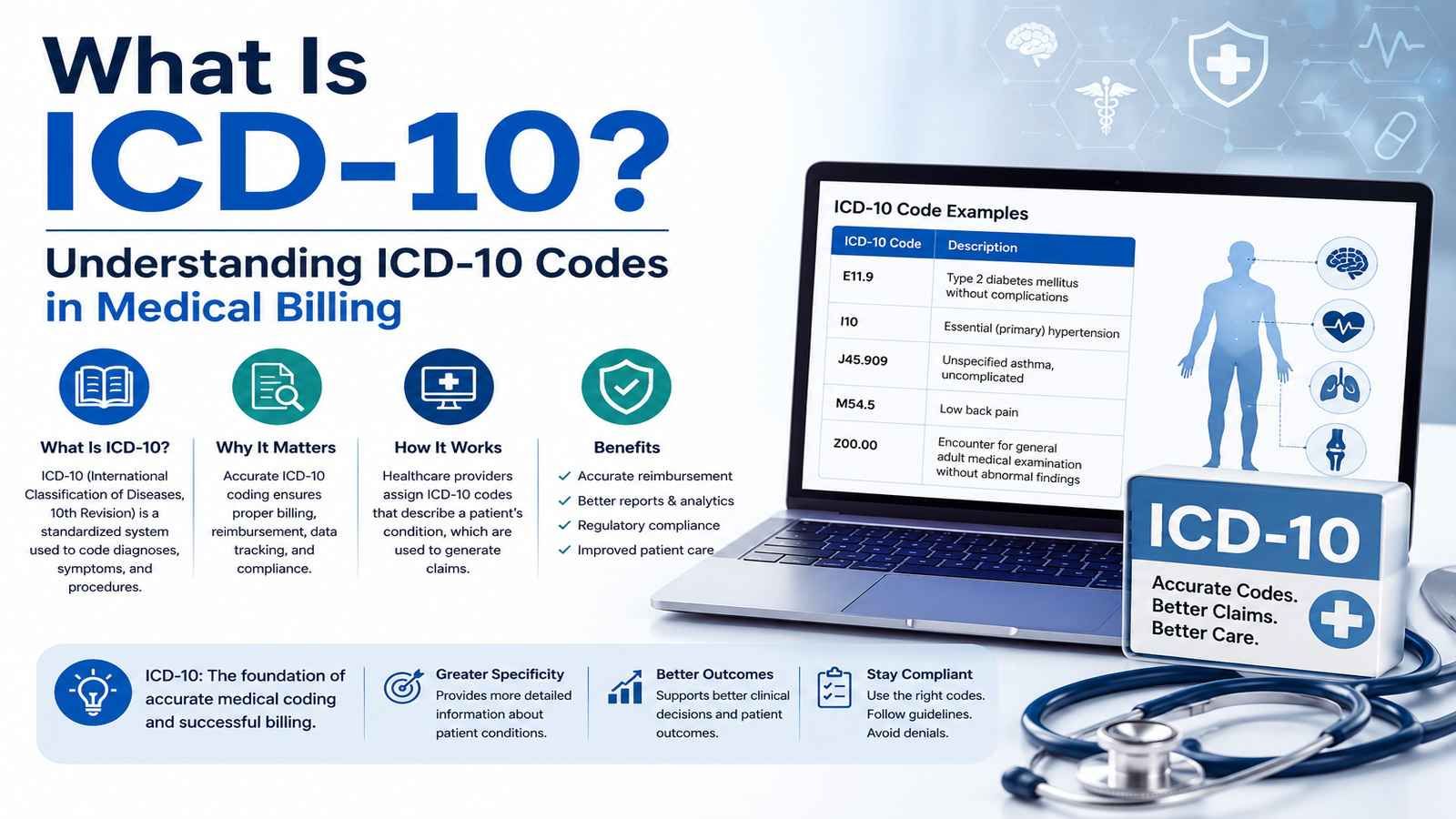
The International Classification of Diseases, Tenth Revision (ICD-10), contains over 70,000 diagnostic and procedural codes, including remarkably specific entries that sound like works of fiction. Ranging from duck attacks to burning water skis, these bizarre external cause codes serve critical clinical, epidemiological, and actuarial purposes, helping health insurers, public health agencies, and providers accurately document how injuries occur.
The Architecture of ICD-10: Why Strange Codes Exist
The World Health Organization (WHO) designs the international foundation for the International Classification of Diseases, which the United States adapts into the ICD-10-CM (Clinical Modification) under the stewardship of the National Center for Health Statistics (NCHS) and the Centers for Medicare & Medicaid Services (CMS). When the healthcare industry transitioned from ICD-9 to ICD-10, the available code set expanded from approximately 14,000 codes to over 70,000.
A substantial portion of this expansion occurred within Chapter 20: External Causes of Morbidity (codes V00–Y99). These codes do not describe an illness or injury itself; instead, they capture the environmental event, circumstance, activity, and location that caused the injury.
External cause codes exist for several functional reasons:
- Public Health Surveillance: Epidemiologists track emerging consumer hazards, dangerous workplace trends, and unusual environmental hazards to recommend safety legislation, vehicle redesigns, or consumer product recalls.
- Third-Party Liability and Claims Coordination: Health insurers use external cause codes to determine whether a claim should be covered by health insurance, workers' compensation, commercial liability coverage, or automotive personal injury protection.
- Actuarial Risk Modeling: Underwriters evaluate claim histories to price commercial, agricultural, and recreational insurance policies based on verified accident frequencies.
While codes detailing collisions with spacecraft or lampposts provoke amusement among administrative staff, each code represents a specific mechanism of trauma designed to eliminate ambiguity in medical records.
10 Strange ICD-10 Codes and Their Real-World Contexts
Every alphanumeric code in ICD-10-CM adheres to a standardized hierarchy. An initial letter establishes the broad category, followed by numbers defining etiology, anatomical site, and severity. In the codes detailed below, the final alphanumeric characters often capture encounter timing, establishing whether a patient is receiving acute initial care, ongoing recovery treatment, or care for late-stage complications (sequelae).
1. V91.07XA: Burn Due to Water-Skis on Fire, Initial Encounter
- Code Category: Water transport accidents (V90–V94)
- Official Description: Burn due to water-skis on fire, initial encounter
This code requires visualizing a water-skier whose equipment ignites while in use. While water skis primarily interact with water, modern powered personal watercraft attachments, motorized jet skis, and specialized motorized hydrofoils feature onboard fuel lines, lithium-ion battery packs, or combustion propulsion systems.
If an electrical failure or fuel leak sparks a fire while the skier is in transit, the resulting trauma combines thermal burns with blast or water impact injuries. The seventh character "A" designates this visit as the initial encounter for active medical management, such as emergency wound debridement or burn dressing.
2. W56.22XA: Struck by Sea Lion, Initial Encounter
- Code Category: Exposure to animate mechanical forces (W50–W64)
- Official Description: Struck by sea lion, initial encounter
Marine encounters present distinct trauma profiles. Male California sea lions (Zalophus californianus) can weigh upwards of 700 to 1,000 pounds. Coastal tourists, commercial fishermen, and marine wildlife rehabilitators frequently enter close quarters with these animals on docks, rocky shorelines, and boats.
When a marine mammal charges or thrashes, the force causes severe blunt-force trauma, including fractured ribs, concussions, and deep contusions. Coders must differentiate W56.22XA (struck by sea lion) from W56.21XA (bitten by sea lion), because blunt trauma management differs substantially from the aggressive antimicrobial treatment required for infectious marine bites (such as Mycoplasma phocacerebrale infections, commonly known as "seal finger").
3. V97.33XA: Sucked into Jet Engine, Initial Encounter
- Code Category: Air transport accidents (V95–V97)
- Official Description: Sucked into jet engine, initial encounter
Aviation ground-crew personnel face hazardous conditions around active aircraft tarmacs. Jet intake suction hazards create an operational perimeter that can pull ground handlers, baggage loaders, or maintenance engineers directly into rotating turbine blades.
Although this injury mechanism often results in fatal poly-trauma, patients who survive ingestion events or partial entrapment suffer complex crush injuries, catastrophic lacerations, and foreign-body contamination. From an insurance standpoint, this code immediately triggers federal aviation investigations, Occupational Safety and Health Administration (OSHA) reviews, and commercial workers' compensation claims adjudication.
4. W61.62XA: Struck by Duck, Initial Encounter
- Code Category: Contact with birds (W61)
- Official Description: Struck by duck, initial encounter
The category for bird-related injuries differentiates between bites, pecks, and kinetic impacts. Code W61.62XA identifies physical impact injuries from a duck rather than a bite or scratch.
This mechanism occurs in several common scenarios:
- High-velocity bird strikes experienced by motor vehicle drivers, motorcyclists, or open-cockpit pilots where a flying waterfowl shatters a windshield or strikes the operator directly.
- Collisions at recreational amusement parks or lakes where waterfowl cross pedestrian paths or water-ride flumes.
- Agricultural injuries sustained while handling aggressive domesticated duck breeds on poultry farms.
The kinetic force of a heavy bird striking an individual at speed can cause cervical spine whiplash, ocular trauma, and facial fractures.
5. Y92.253: Opera House as the Place of Occurrence
- Code Category: Place of occurrence codes (Y92)
- Official Description: Opera house as the place of occurrence of the external cause
ICD-10 includes administrative codes designated strictly to describe the physical environment where an accident took place. Unlike primary diagnostic codes, secondary status codes in category Y92 never identify a clinical pathology.
Y92.253 isolates opera houses from general concert halls, movie theaters, or school auditoriums. If a patron falls down a tiered mezzanine staircase, or an orchestral performer trips over stage rigging inside an opera facility, this code is appended to identify premises liability. It allows property insurers and municipal safety inspectors to aggregate injury trends across specific cultural venues.
6. W22.02XA: Walked into Lamppost, Initial Encounter
- Code Category: Exposure to inanimate mechanical forces (W20–W49)
- Official Description: Walked into lamppost, initial encounter
Pedestrian distraction injuries escalated significantly with the widespread adoption of smartphones and handheld digital devices. This code isolates injuries sustained when a pedestrian collides with stationary street furniture.
Clinicians use W22.02XA when a patient sustains a contusion, nasal bone fracture, or concussion from walking into a municipal light pole. This code assists municipal public safety departments and urban planners in evaluating whether sidewalk designs, streetlighting placement, or pedestrian corridors present geometric hazards or obstruction risks.
7. V95.43XA: Spacecraft Collision Injuring Occupant, Initial Encounter
- Code Category: Air and space transport accidents (V95–V97)
- Official Description: Spacecraft collision injuring occupant, initial encounter
With the growth of commercial spaceflight, satellite launches, and suborbital aerospace tourism, medical coding requires classifications that extend beyond atmospheric aircraft. Subcategory V95.4 covers spacecraft accidents, with V95.43XA specifically identifying collision-related trauma sustained by an occupant onboard.
Whether an injury occurs during docking maneuvers, orbital capsule staging, or planetary landing approaches, this code tracks aerospace medicine metrics. It separates atmospheric aviation injuries from high-g-force, pressurized-vessel impacts governed by aerospace administrative bodies and private space enterprise liability protocols.
8. Z63.1: Problems in Relationship with In-Laws
- Code Category: Factors influencing health status and contact with health services (Z00–Z99)
- Official Description: Problems in relationship with in-laws
The "Z" chapter of ICD-10 captures socioeconomic, psychosocial, and lifestyle factors that impact patient health outcomes without constituting an acute physical illness. Code Z63.1 documents chronic family friction involving parents-in-law, siblings-in-law, or extended marital relations.
While clinicians do not prescribe medication solely for an in-law dispute, this code serves as an essential secondary modifier in psychiatric, behavioral health, and primary care settings. Severe family conflict frequently exacerbates:
- Generalized anxiety disorders and stress-induced hypertension.
- Marital breakdowns and depressive episodes.
- Somatic symptom disorders presenting with physical gastrointestinal pain or tension headaches.
Documenting Z63.1 supports the medical necessity for family psychotherapy, behavioral counseling, and holistic psychiatric interventions.
9. R46.1: Bizarre Personal Appearance
- Code Category: Symptoms, signs and abnormal clinical and laboratory findings (R00–R99)
- Official Description: Bizarre personal appearance
Chapter 18 (R codes) contains diagnostic findings, abnormal signs, and symptoms where a definitive underlying disease has not yet been isolated. R46.1 is an observational diagnostic code used during psychiatric, geriatric, or neurological mental status evaluations.
A "bizarre personal appearance" goes beyond unconventional fashion choices; it indicates severe self-neglect, severe disinhibition, manic dress, inappropriate clothing for weather extremes (such as wearing heavy thermal winter coats in desert heat), or disheveled states indicative of advanced dementia, schizophrenia, or severe decompensation. It provides immediate, standardized baseline documentation of a patient’s cognitive state during initial triage.
10. W55.41XA: Bitten by Pig, Initial Encounter
- Code Category: Exposure to animate mechanical forces (W50–W64)
- Official Description: Bitten by pig, initial encounter
Domestic swine bites are dangerous injuries encountered in agricultural, veterinary, and slaughterhouse operations. Pigs possess strong jaw musculature and sharp, omnivorous dentition capable of exerting crushing pressures alongside deep soft-tissue lacerations.
Code W55.41XA requires meticulous clinical documentation. Swine oral flora carries virulent zoonotic pathogens, including Streptococcus suis, Pasteurella multocida, Staphylococcus aureus, and atypical anaerobes. Recording this specific etiology ensures that treating clinicians implement specialized, broad-spectrum antibiotic regimens and monitor the patient for rapid necrotizing soft-tissue complications.
Comparative Matrix: Strange ICD-10 Diagnostic Codes
The following table summarizes these ten unusual ICD-10 codes, their designated coding chapters, administrative functions, and proper structural application.
| ICD-10-CM Code | Official Nomenclature | Classification Category | Primary Administrative or Clinical Purpose | Default 7th Character Extension |
|---|---|---|---|---|
| V91.07XA | Burn due to water-skis on fire | Transport Accidents (V00–V99) | Tracks motorized watercraft equipment failure; verifies recreational liability coverage. | A (Initial), D (Subsequent), S (Sequela) |
| W56.22XA | Struck by sea lion | External Causes (W00–X58) | Differentiates blunt-force trauma from marine microbial bite infections. | A (Initial), D (Subsequent), S (Sequela) |
| V97.33XA | Sucked into jet engine | Air Transport Accidents (V95–V97) | Establishes catastrophic industrial airport accident causation; guides OSHA reporting. | A (Initial), D (Subsequent), S (Sequela) |
| W61.62XA | Struck by duck | Contact with Birds (W61) | Distinguishes kinetic impact injuries from avian bites or infectious pecks. | A (Initial), D (Subsequent), S (Sequela) |
| Y92.253 | Opera house as place of occurrence | Place of Occurrence (Y92) | Secondary tracking code for premises liability, commercial property risk, and slip-and-fall claims. | None (Static auxiliary code) |
| W22.02XA | Walked into lamppost | Inanimate Mechanical Forces (W20–W49) | Evaluates distracted pedestrian trauma patterns and municipal sidewalk obstructions. | A (Initial), D (Subsequent), S (Sequela) |
| V95.43XA | Spacecraft collision injuring occupant | Air & Space Transport (V95–V97) | Documents aerospace impact trauma; supports specialized aviation/aerospace underwriting. | A (Initial), D (Subsequent), S (Sequela) |
| Z63.1 | Problems in relationship with in-laws | Factors Influencing Health (Z00–Z99) | Justifies family counseling reimbursement; documents clinical psychosocial stressors. | None (Non-injury modifier) |
| R46.1 | Bizarre personal appearance | Symptoms & Clinical Findings (R00–R99) | Quantifies observational mental status during psychiatric and cognitive assessments. | None (Non-injury clinical sign) |
| W55.41XA | Bitten by pig | Animate Mechanical Forces (W50–W64) | Flags agricultural exposure to select zoonotic pathogens requiring specialized empiric antibiotics. | A (Initial), D (Subsequent), S (Sequela) |
Coding Mechanics: Placeholders, Modifiers, and Rules
To use strange or highly granular ICD-10 codes without generating billing claim rejections, health information professionals adhere to specific structural rules mandated by the Official ICD-10-CM Guidelines for Coding and Reporting.
The Dummy Placeholder "X"
ICD-10 diagnostic codes require specific lengths to be billable. Codes that demand a 7th character for encounter tracking—but lack the baseline length of six characters—must use the dummy placeholder "X."
For example, take code W22.02 (Walked into lamppost). The core diagnosis is five characters long. However, the system requires an encounter tracking marker at the 7th character position. To preserve structural integrity, coders insert the letter "X" into the empty 6th space:
$$\text{W22.02} + \text{Placeholder [X]} + \text{Encounter [A]} = \mathbf{W22.02XA}$$
Omitting the placeholder character causes immediate electronic claim submission failures during claim clearinghouse validation.
Seventh-Character Extension Protocol
External cause codes rely on three standard 7th-character values to explain the patient's phase of care:
- A – Initial Encounter: Used while the patient is receiving active treatment for the condition. This covers emergency department evaluation, initial surgical intervention, or evaluation by a new specialist.
- D – Subsequent Encounter: Applied during the recovery phase after active treatment has concluded. Examples include follow-up cast changes, suture removal, medication adjustments, or rehabilitation visits.
- S – Sequela: Assigned for late complications that arise as a direct result of the original injury (e.g., chronic joint instability or scar tissue formation years after a sea lion strike). When using the "S" suffix, coders must list both the specific complication and the original causal code on the claim.
Primary vs. Secondary Sequencing
A common compliance mistake is attempting to bill external cause codes as primary diagnoses. According to official coding guidelines:
- Codes from categories V00–Y99 can never be sequenced as the first-listed (primary) diagnosis.
- External cause codes must always serve as secondary, tertiary, or auxiliary entries supporting an underlying acute injury code from Chapter 19 (Injury, Poisoning, and Certain Other Consequences of External Causes, codes S00–T88).
For instance, if a patient is struck by a duck and breaks their nose, the primary diagnosis code must reflect the nasal fracture (e.g., S02.2XXA - Fracture of nasal bones, initial encounter). Code W61.62XA is appended beneath the fracture to explain its physical etiology.
- [Primary Claim Code] S02.2XXA (Nasal bone fracture, initial encounter)
- [Secondary Cause Code] W61.62XA (Struck by duck, initial encounter)
- [Place of Occurrence] Y92.320 (Public park as place of occurrence)
How Insurers Use Granular Codes to Process Claims
Health insurance organizations and government payers do not scrutinize unusual codes simply to critique clinical documentation. The financial lifecycle of a claim depends on these data points to route liability properly.
Coordination of Benefits and Subrogation
When an insurer processes a claim displaying W22.02XA (Walked into lamppost), their automated claims-adjudication software scans the record for third-party liability flags. If the claim contains an opera house place of occurrence code (Y92.253), the insurer's subrogation department may review whether the incident occurred due to an unsafe condition on private commercial property. If unsafe premises contributed to the injury, the primary commercial liability policy of that venue becomes the primary payer, relieving the health maintenance organization (HMO) or preferred provider organization (PPO) of primary financial responsibility.
Preventing False Claims and Overutilization
Hyper-specific coding protects medical practices during insurance payer audits. If a patient visits an urgent care clinic three distinct times in six weeks claiming acute physical trauma, an insurance auditor might flag the file for fraudulent billing, suspecting duplicate claims for the same resolving injury.
Documenting clear, distinct etiologies—such as an initial domestic animal bite followed weeks later by a distinct mechanical sports injury—proves that each clinical presentation represents an independent trauma event that justifies separate diagnostic workups and facility fees.
Frequently Asked Questions
Can a hospital claim be denied for using an unusual ICD-10 code?
Yes, a claim can be denied if the code is sequenced incorrectly or submitted without its mandatory supporting clinical documentation. Payers reject claims that submit an external cause code (such as V91.07XA) as the primary diagnosis, because external cause codes do not describe an active medical condition. Denials also occur if a required 7th-character extension or placeholder "X" is omitted.
Who writes and updates these strange medical codes?
The codes are developed internationally by the World Health Organization (WHO) and maintained in the United States by the ICD-10 Coordination and Maintenance Committee. This federal committee is co-chaired by the Centers for Disease Control and Prevention's (CDC) National Center for Health Statistics (NCHS) and the Centers for Medicare & Medicaid Services (CMS). The committee holds public meetings twice annually to review requests for new, updated, or retired codes.
Are clinicians required to ask patients about the exact details behind every accident?
Clinicians are required to document the clinical history and mechanism of injury to the extent necessary to deliver safe, effective medical care and comply with institutional charting standards. While a physician does not need to cross-examine a patient unnecessarily, emergency physicians, orthopedists, and trauma specialists routinely record the exact mechanics of an injury (e.g., animal involvement, machinery contact, or watercraft involvement) to detect tissue contamination risks and rule out hidden internal trauma.
Does ICD-11 eliminate these unusual diagnostic codes?
No, the 11th Revision of the International Classification of Diseases (ICD-11) maintains and often expands mechanisms for identifying unique external causes of morbidity. ICD-11 uses a different structural syntax called "stem codes" and "extension codes," which allows healthcare providers to link an injury directly to an object, animal, or context without needing thousands of separate pre-combined codes.
Why do place-of-occurrence codes exist if they carry no direct reimbursement value?
Place-of-occurrence codes (category Y92) support epidemiological tracking and premises liability investigations. State health departments and federal agencies like the CDC use this data to identify hazardous consumer environments, such as identifying patterns of pediatric falls at specific recreation sites or recurring chemical exposures in distinct commercial facilities.
Practical Guidance for Billing and Medical Documentation
To maintain clean claims and optimize health records when documenting unusual injury mechanisms, healthcare organizations should enforce the following operational steps:
- Verify Primary Code Assignment: Always ensure an acute clinical diagnosis code from the injury chapter (S00–T88) or disease registry is designated as the primary diagnosis. Never submit an external cause code (V00–Y99) on line one of an encounter form.
- Review the Seven-Character Hierarchy: When documenting traumatic events, verify that the 7th-character modifier accurately matches the clinical status of the encounter: "A" for active treatment, "D" for routine recovery/healing encounters, or "S" for late complications (sequelae).
- Audit Placeholder Positions: Validate that five-character codes requiring a 7th character contain the letter "X" in the 6th position prior to claim transmission. Billing scrubbers should flag any truncated external cause codes before submission to clearinghouses.
- Link Secondary Codes to Objective Charting: Ensure that every secondary cause code assigned by billing staff is clearly supported by physician notes, nursing intake sheets, or emergency department triage reports. Unsubstantiated codes can delay claims processing and complicate insurance audits.
Applying these coding rules keeps medical records accurate, meets payer expectations, and provides researchers with the high-quality data they need to track public health and injury trends.