The 2018 Winter Olympics in Pyeongchang, South Korea, witnessed several high-profile costume slips, equipment failures, and wardrobe malfunctions, most notably involving South Korean ice dancer Yura Min and French ice dancer Gabriella Papadakis. These incidents triggered massive global interest, a surge in online searches, and extensive discussions regarding the rigorous demands of athletic gear under high-pressure competitive conditions.
Introduction to the 2018 Pyeongchang Olympic Costume Incidents
Competitive figure skating and ice dancing demand extreme physical exertion, intricate choreography, and lightweight, form-fitting costumes. During the XXIII Olympic Winter Games in February 2018, these volatile design elements collided with intense international scrutiny.
When wardrobe malfunctions occur on a live global broadcast watched by tens of millions, they instantly dominate news cycles and social media platforms. The 2018 Winter Olympics yielded two primary, widely publicized wardrobe incidents during the figure skating and ice dancing events. Understanding the exact timeline of these occurrences requires looking past sensationalized headlines to examine how the athletes managed the crises, how governing bodies responded, and what technical factors contributed to the clothing failures.
Technical Demands of Figure Skating and Ice Dancing Attire
To understand why wardrobe malfunctions happen on Olympic ice, one must analyze the unique engineering constraints placed on ice skating apparel. Costumes are not merely fashion statements; they are high-performance athletic gear subjected to severe mechanical stress.
Skaters execute explosive jumps, high-speed rotational spins, deep edge work, and intense lifts. These movements exert immense tension on seams, closures, and delicate fabrics such as mesh, chiffon, and stretch velvet. Designers must balance several competing requirements:
- Aesthetic Appeal: Costumes must align with the theme of the routine and impress the judging panel.
- Flexibility and Stretch: Fabrics must accommodate extreme ranges of motion without restricting respiration or joint mobility.
- Security and Fastening: Garments must stay securely anchored to the body despite centrifugal force, sweat, and friction.
- Weight Minimization: Every gram matters; heavy fabrics can alter a skater’s center of gravity or aerodynamic profile during airborne elements.
When designers rely heavily on illusion mesh or delicate clasps to create seamless looks, the margin for structural failure increases significantly.
Timeline of the 2018 Winter Olympics Wardrobe Malfunctions
The 2018 events unfolded across several days of competition at the Gangneung Ice Arena. Below is the verified chronological sequence of the most notable incidents.
February 11, 2018: Yura Min’s Short Dance Crisis
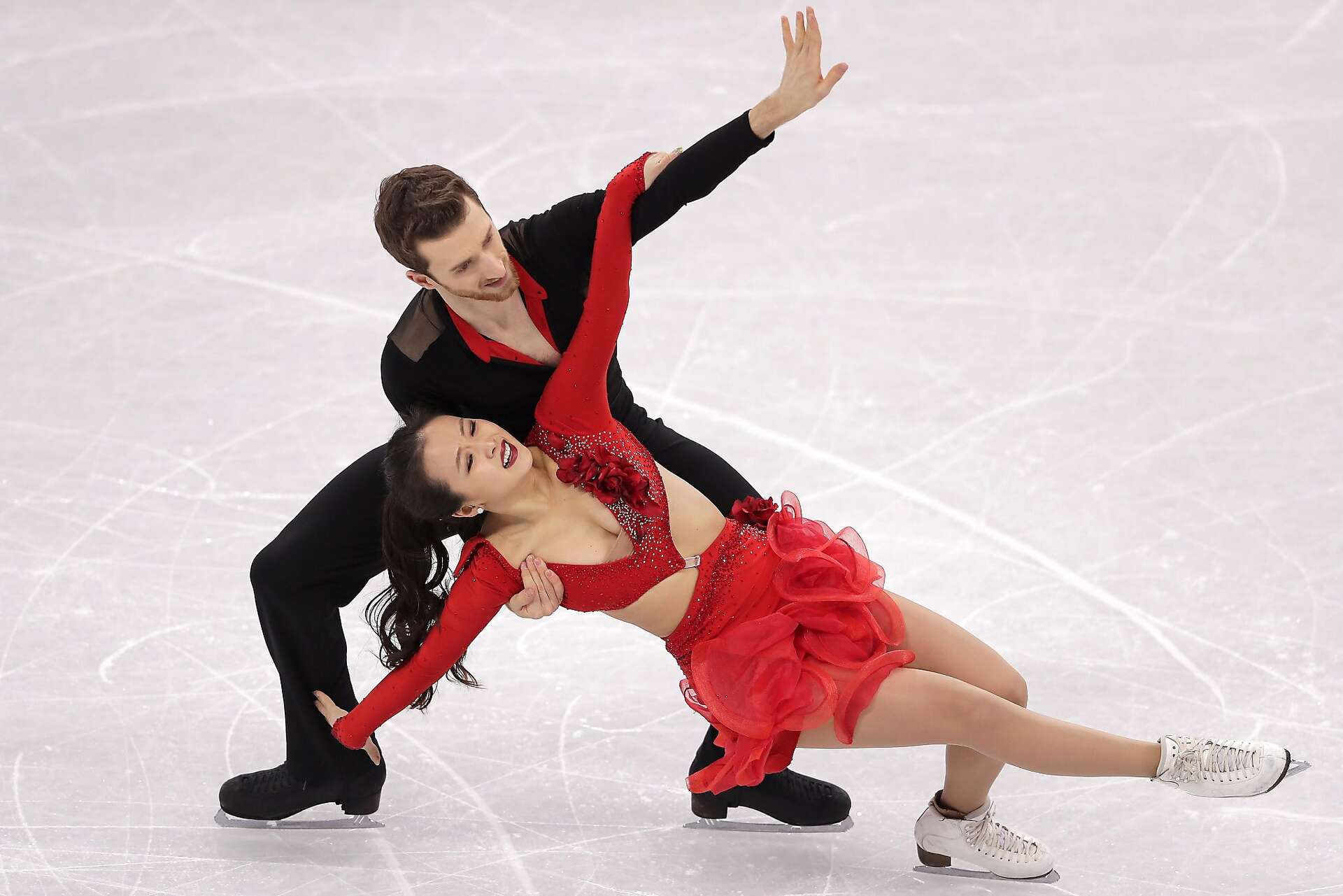
During the Olympic figure skating team event on February 11, 2018, South Korean ice dancer Yura Min experienced a terrifying wardrobe malfunction seconds into her routine with partner Alexander Gamelin.
- The Incident: While executing the opening sequence to a medley of traditional folk music, the clasp holding together the back of Min's red, off-the-shoulder dress unhooked. The upper portion of her costume threatened to slip completely down, forcing her to make quick adjustments mid-performance.
- The Athletic Response: Min managed to discreetly tuck and hold the fabric in place while maintaining her posture and continuing the choreography alongside Gamelin. Despite the distraction, the duo completed their performance.
- The Aftermath: Following the routine, Min took to social media to share her experience, stating that while it was a terrifying moment, she was able to recover and finish the skate. The incident drew widespread praise for her composure under pressure.
February 19, 2018: Gabriella Papadakis’s Short Dance Costuming Failure
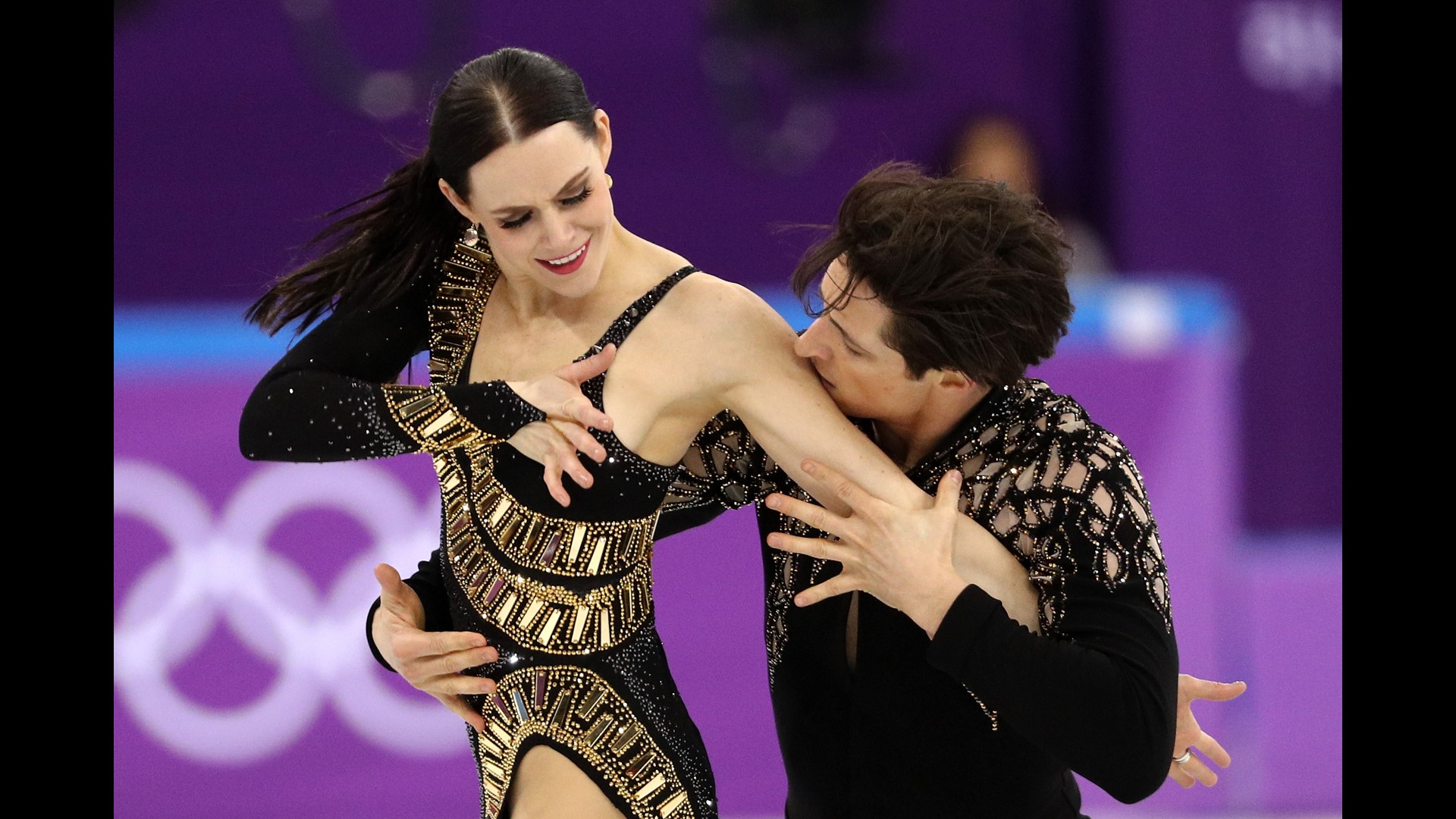
Just over a week later, on February 19, 2018, French ice dancer Gabriella Papadakis suffered an even more prominent wardrobe failure during the short dance event alongside partner Guillaume Cizeron.
- The Incident: Early in their routine set to Ed Sheeran's "Shape of You" and "Thinking Out Loud," the neck clasp securing Papadakis’s green, sequined dress snapped open. The malfunction caused the back of the dress to drop, exposing her left breast momentarily before she managed to adjust it during a rotational lift.
- The Athletic Response: Papadakis and Cizeron continued their performance with extraordinary technical precision. Despite the visible distress and the obvious discomfort, they scored 81.93 points, placing second heading into the free dance.
- The Emotional Fallout: In the mixed zone following the skate, an emotional Papadakis described the incident as her "worst nightmare happening at the Olympics." She noted that it distracted her heavily and made it difficult to focus entirely on the skating elements.
February 20, 2018: The Free Dance Redemption
The timeline concluded on a high note for the affected athletes during the subsequent medal events.
- Gabriella Papadakis and Guillaume Cizeron: Wearing a redesigned, heavily secured dark blue costume for the free dance on February 20, the French duo skated a flawless routine. They broke their own world record with a score of 123.35, securing the Olympic silver medal overall behind Canada’s Tessa Virtue and Scott Moir.
- Yura Min and Alexander Gamelin: Min competed in a securely modified costume for the individual ice dance event, successfully completing their Olympic journey without further equipment incidents.
Summary of 2018 Olympic Skating Costume Incidents
| Athlete(s) | Country | Event Date | Nature of Malfunction | Resolution & Outcome |
|---|---|---|---|---|
| Yura Min & Alexander Gamelin | South Korea | February 11, 2018 | Back clasp unhooked during team short dance. | Maintained composure, completed routine, secured costume for future skates. |
| Gabriella Papadakis & Guillaume Cizeron | France | February 19, 2018 | Neck clasp snapped during individual short dance. | Finished routine, placed second in short dance, won silver overall after free dance. |
Broadcast Standards, Ethics, and Viewer Reactions
The incidents at Pyeongchang sparked global conversations regarding live broadcasting ethics and the technological vulnerabilities of modern sports attire.
When unexpected wardrobe slips occur during live events, broadcast networks face immediate editorial decisions. International Olympic Committee (IOC) and host broadcasting guidelines generally dictate how cameras handle nudity or unexpected exposures. During the Papadakis incident, the live broadcast captured the initial slip because the cameras were tracking the fast-paced choreography. Subsequent replays by certain international networks minimized or omitted the explicit frames, while digital platforms and social media accelerated the spread of screenshots and video clips.
Public reaction was overwhelmingly supportive of the athletes. Rather than focusing on the malfunction itself, media commentary praised the mental toughness required to push through a high-stakes Olympic performance while dealing with compromised equipment.
Preventive Measures and Modern Costume Engineering
In the wake of the 2018 Pyeongchang Games, costume designers and sports federation technicians implemented stricter safety protocols to prevent similar wardrobe failures at subsequent competitions, such as the 2022 Beijing Winter Olympics and the 2026 Milano Cortina Winter Games.
- Redundant Fastenings: Designers now rely on multi-point security systems, combining heavy-duty hidden snaps, reinforced hook-and-eye closures, and invisible mesh panels that anchor garments securely to the torso.
- Stress Testing: Costumes undergo rigorous simulation testing off-ice, including centrifugal spin tests and resistance pulls, to identify weak seams before athletes step onto competitive ice.
- Emergency Modifications: Skaters frequently travel with backup costumes or emergency repair kits containing heavy-duty safety pins, specialized athletic tape, and reinforced stitching thread.
Frequently Asked Questions
What caused Gabriella Papadakis’s dress to break at the 2018 Winter Olympics?
The clasp behind her neck snapped under the centrifugal force and rapid rotational movement executed during the opening sequence of the short dance. The sudden tension proved too much for the single fastening point, causing the costume to shift downward.
Did the wardrobe malfunction affect Papadakis and Cizeron’s final score?
While the malfunction caused an obvious distraction and added immense emotional pressure, the judges scored the technical elements based on their execution. Papadakis and Cizeron finished second in the short dance and ultimately won the silver medal after a record-breaking free dance performance the next day.
How common are wardrobe malfunctions in figure skating?
Minor equipment slips, such as loose hairpins, fallen accessories, or untied skate laces, happen occasionally. However, major structural failures affecting the core costume during high-profile events like the Olympic Games are relatively rare due to the stringent pre-competition checks conducted by athletes and designers.
What rule changes or safety updates occurred after the 2018 incidents?
While International Skating Union (ISU) costume regulations regarding modesty and safety have long existed, the 2018 incidents prompted individual skating federations and elite designers to heavily emphasize structural reinforcement, moving away from single-point neck clasps in favor of multi-anchored mesh bodices.
How do Olympic broadcasters handle live wardrobe malfunctions?
Host broadcasters and regional networks rely on delay protocols and editorial guidelines to balance accurate sports journalism with respect for athlete privacy, often refraining from broadcasting slow-motion replays of accidental exposures.
Conclusion and Next Actions
The wardrobe malfunctions at the 2018 Pyeongchang Winter Olympics remain a defining case study in athletic resilience and sports engineering. For sports fans, costume historians, and competitive athletes alike, examining these incidents highlights the importance of rigorous gear preparation and mental fortitude. When evaluating high-performance athletic apparel, always prioritize multi-point structural security and stress-tested fasteners to ensure that equipment holds up under extreme competitive pressure.