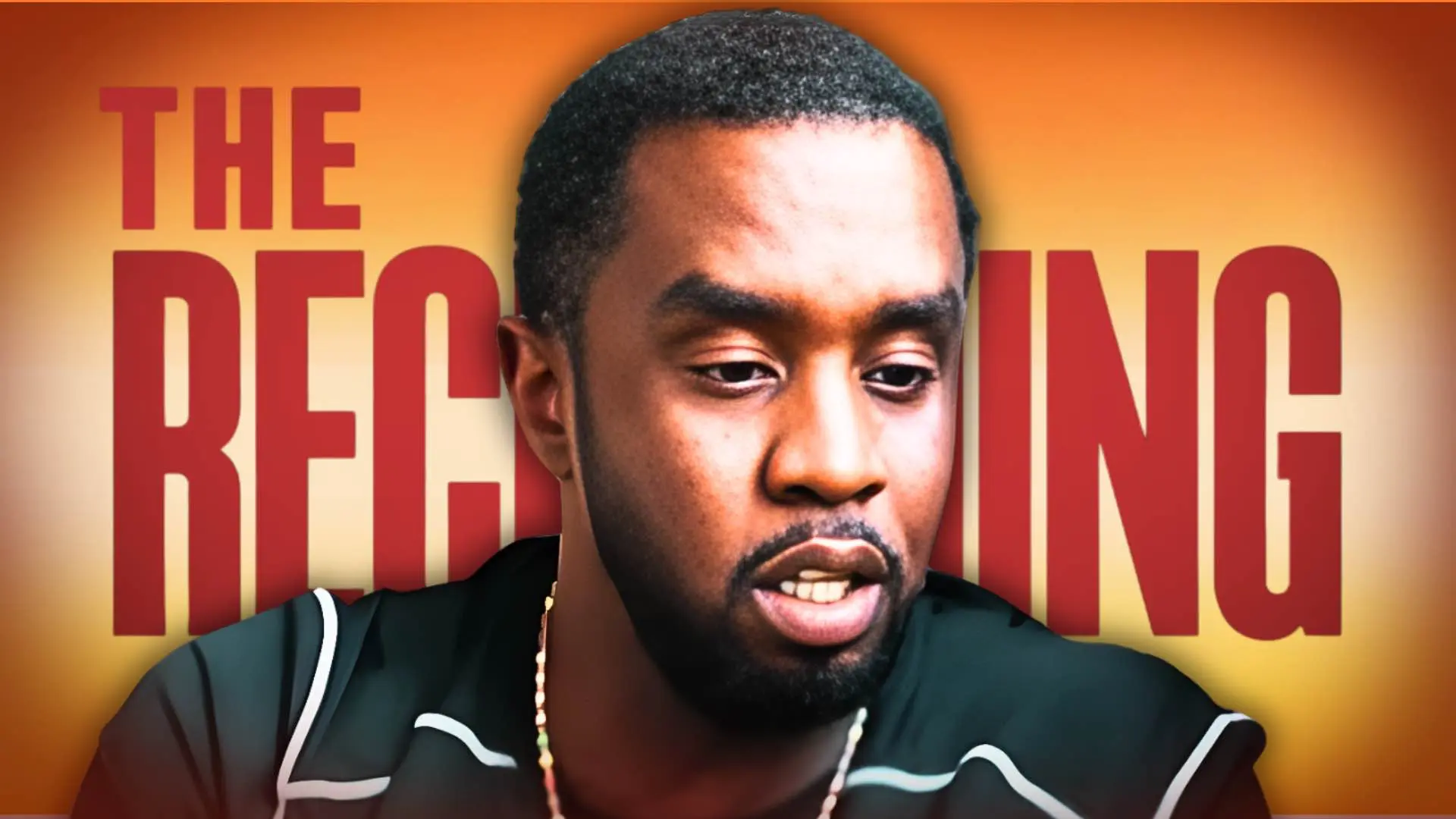
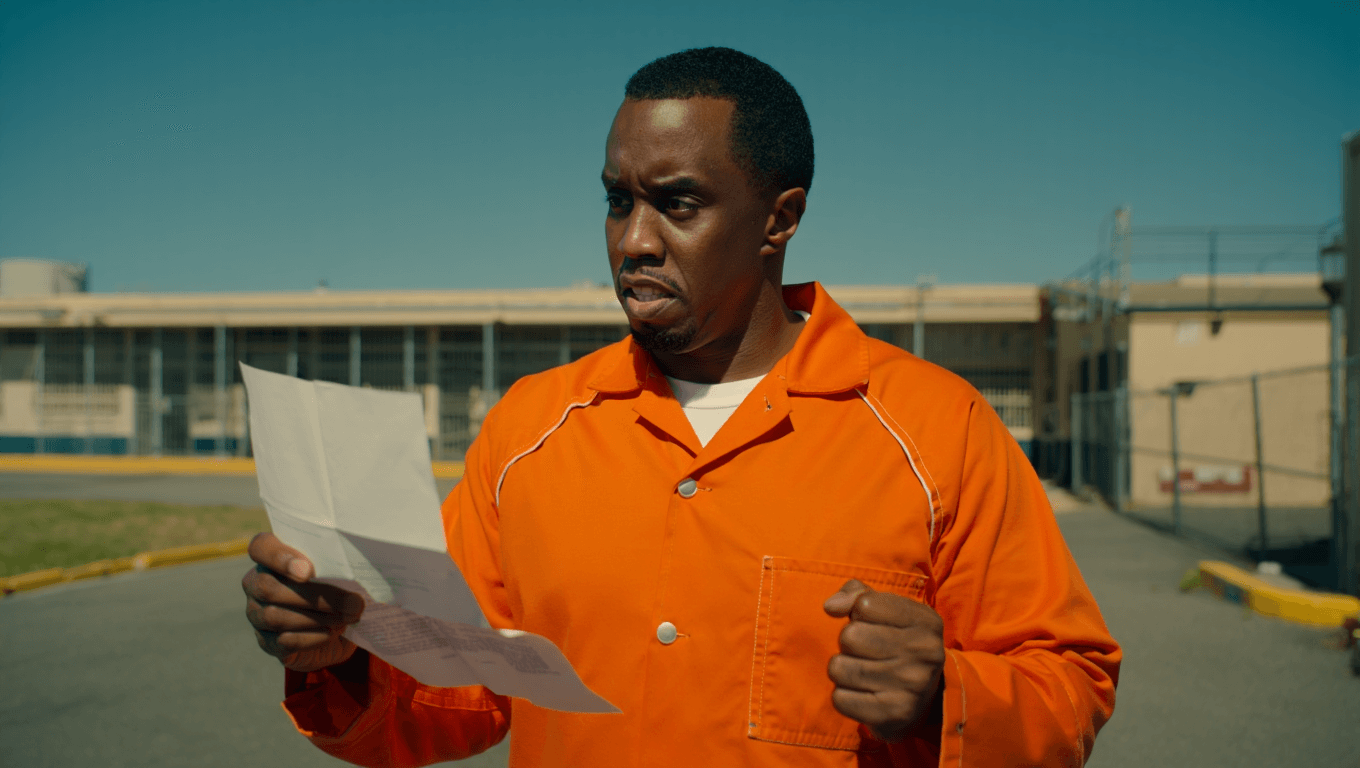
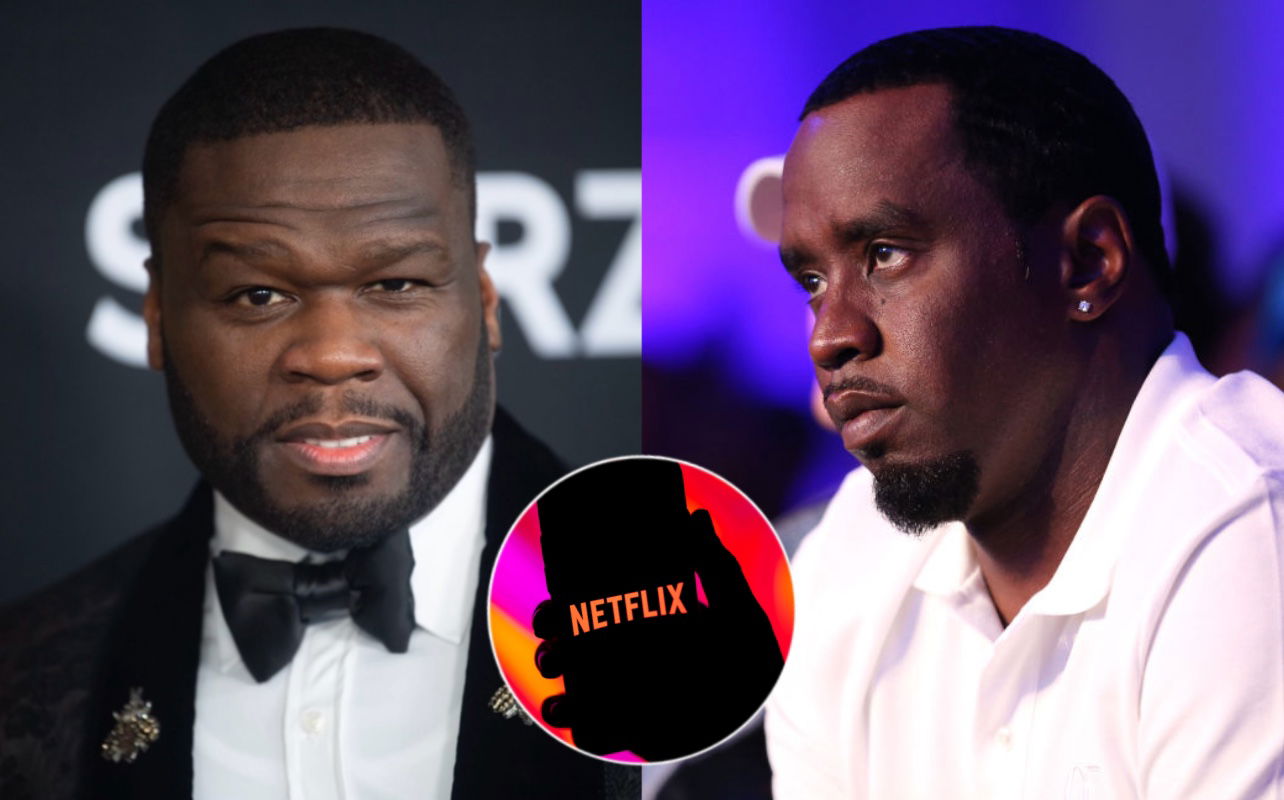
The production of Sean Combs: The Reckoning, a multi-part documentary series, features Curtis "50 Cent" Jackson as an executive producer through his G-Unit Film & Television banner. His role focuses on documenting the legal allegations against Sean "Diddy" Combs, utilizing his platform to examine the intersection of hip-hop culture, industry power dynamics, and the pursuit of accountability within the music business.
Understanding the Genesis of The Reckoning
The documentary project Sean Combs: The Reckoning emerged in a climate of intense public scrutiny surrounding the professional and personal life of Sean Combs. As allegations of misconduct, abuse, and racketeering began to permeate mainstream news cycles in 2024 and throughout 2025, the demand for a comprehensive narrative grew. 50 Cent, who has maintained a long-standing and often public, contentious relationship with Combs, positioned his production company, G-Unit Film & Television, to lead the narrative.
For 50 Cent, this project is not merely a journalistic endeavor; it is an extension of his long-standing critique of the culture of silence within the music industry. By producing this project, he aims to dissect how systemic issues in the entertainment world can allow figures of immense power to evade consequences for extended periods. The documentary serves as a critical archive, pulling together testimonies, legal filings, and public records to build a timeline of the accusations.
50 Cent’s Strategic Role as Executive Producer
Executive producers in documentary filmmaking are rarely involved in the granular day-to-day editing or cinematography, unless they are specifically hands-on. Instead, 50 Cent’s role as the executive producer of The Reckoning involves high-level strategic oversight, securing the necessary production infrastructure, and leveraging his influence to ensure the project remains high-profile.
His involvement acts as a catalyst for visibility. In the competitive landscape of streaming and documentary content, the association with a high-profile figure ensures that the project gains traction, funding, and eventually, distribution. 50 Cent has spent over a decade using his social media presence to mock or critique Sean Combs; thus, transitioning this long-standing public animosity into a structured, long-form documentary format allows him to formalize his critiques into a cohesive narrative that carries the weight of investigative journalism.
The Dynamics of the Production Process
Production of a project covering active legal cases requires significant legal vetting. 50 Cent’s production team must navigate a complex web of defamation laws, ongoing criminal investigations, and the sensibilities of victims. The executive producer’s role here is to manage the risks associated with such a volatile subject. By working with seasoned production teams and legal counsel, G-Unit Film & Television attempts to balance the storytelling requirements of a documentary with the harsh realities of legal discovery.
The focus of the documentary is largely informed by the timeline of the civil lawsuits and federal investigations that accelerated in late 2024. The production team focuses on:
- Archival Footage: Curating years of public appearances and music industry events to establish context.
- Expert Interviews: Soliciting insights from journalists, former industry insiders, and legal experts who can explain the structural power imbalances in the record industry.
- Victim Narrative: Highlighting the testimonials provided in court documents while maintaining a professional distance that respects the sensitivity of the allegations.
Industry Context and the Critique of Power
To understand why 50 Cent is the driving force behind this project, one must understand his personal history with the music industry. Since the early 2000s, 50 Cent has often positioned himself as an outsider who understands the inner workings of the system. His critiques are rarely subtle, and by producing The Reckoning, he is framing himself as a whistleblower of sorts, pointing out that the industry often chooses profit and influence over ethics.
The documentary addresses the "reckoning" part of its title by examining whether the music industry is capable of self-correction. It poses questions about the enabling behaviors of associates, labels, and media outlets that, for decades, may have ignored or suppressed rumors that have now crystallized into formal legal action. 50 Cent uses his role to amplify these uncomfortable questions, forcing audiences to reconsider the legacy of figures once considered untouchable.
Comparison of Project Perspectives
When evaluating the impact of such documentaries, it is helpful to contrast the role of a producer who has a personal history with the subject versus an objective third-party production house.
| Feature | 50 Cent / G-Unit Production | Traditional Investigative Doc |
|---|---|---|
| Primary Driver | Cultural critique & personal history | Neutral reporting & fact-finding |
| Perspective | Aggressive, adversarial | Balanced, observatory |
| Distribution Strategy | High-profile, social-media driven | Broad journalistic syndication |
| Subject Focus | Systemic industry failure | Individual legal culpability |
Challenges and Limitations in Production
One of the primary challenges for The Reckoning is the active nature of the legal proceedings. Because the situation is fluid—with court dates, settlements, and potential criminal trials ongoing in 2026—the documentary must be treated as a "living" project. This poses a logistical problem for distributors. A traditional film has a fixed release, but a project of this nature may require constant updates or follow-up segments as new information emerges from federal court records.
Furthermore, the involvement of 50 Cent brings a specific lens that some critics may view as biased. While the documentary provides a service by aggregating information, viewers must recognize that the "narrative" is curated by a figure who has a long-standing personal vendetta. This does not necessarily invalidate the facts presented, but it does mean the viewer should remain critical of the framing and the specific focus of the editorial team.
Legal and Ethical Considerations
In producing a documentary about an individual currently facing legal scrutiny, the production team faces stringent ethical standards. They must avoid "trial by media," which could theoretically jeopardize the legal processes occurring in court. 50 Cent’s role requires him to ensure that the content is legally sound to avoid being the subject of countersuits. This involves working closely with compliance officers and media attorneys who review every cut of the documentary to verify that claims are supported by public records or reputable, on-the-record sources.
The goal is to maintain a standard that justifies the project as a historical record rather than a defamatory attack. By rooting the documentary in the filings from the Southern District of New York and other relevant jurisdictions, the production team provides a solid evidentiary base. This helps the documentary stand up to scrutiny as a piece of investigative content in 2026.
Frequently Asked Questions
Is 50 Cent the director of the documentary? No, 50 Cent acts as an executive producer. This role involves financing, providing the intellectual property framework, and overseeing the strategic vision of the project, rather than the daily directorial duties of filming or editing.
What is the goal of "The Reckoning"? The goal is to consolidate the various legal allegations and public claims against Sean Combs into a single narrative, examining how the music industry may have enabled the alleged behaviors.
Does the documentary contain new evidence? While the documentary synthesizes existing reports and legal filings, its primary value lies in its structured presentation of the timeline. Any "new" evidence would typically be filtered through formal legal channels before appearing in a mainstream documentary.
Can 50 Cent’s involvement affect the legal outcome of Combs' cases? Generally, no. Documentary film production is separate from the judicial process. While the public pressure created by such projects can influence the cultural conversation, they hold no weight in a court of law.
Where is the documentary available? As of 2026, the distribution of this project is handled through major streaming platforms and network partners secured by G-Unit Film & Television. Availability depends on your regional streaming rights and service subscriptions.
Next Steps for Interested Viewers
If you are looking to understand the full scope of the situation, begin by reviewing the primary source documents referenced in the documentary. These are often available through the public dockets of the federal courts handling the cases. Pay attention to the specific allegations rather than the commentary surrounding them. When watching the documentary, look for the distinction between verified court filings and the narrative interpretation provided by the production team. By balancing the visual storytelling of The Reckoning with independent review of legal reports, you will gain a more nuanced understanding of this evolving industry narrative.