Required Minimum Distributions (RMDs) are the mandatory annual withdrawals that the Internal Revenue Service (IRS) requires account holders to take from certain retirement plans once they reach a specific age. While both Traditional IRAs and 401(k) plans are subject to these rules, the mechanics of how and when you must satisfy these obligations can differ significantly based on your employment status, the number of accounts you hold, and your specific plan provider's guidelines for 2026.
The Foundation of Required Minimum Distributions
The fundamental purpose of an RMD is to ensure that tax-deferred retirement accounts—which were funded with pre-tax dollars—are eventually taxed. Because the government allowed you to grow your investments without paying annual income tax on gains, dividends, or interest, the RMD serves as the mechanism to force those assets into the taxable income stream during your retirement years.
In 2026, the age at which you must begin taking RMDs is determined by your birth date, per the SECURE 2.0 Act. For most individuals reaching age 73 or 75 during this period, the RMD is calculated by dividing your account balance as of December 31 of the previous year by a life expectancy factor published by the IRS in Publication 590-B.
401(k) Distribution Rules and the "Still Working" Exception
One of the most significant differences between an IRA and a 401(k) involves the "still working" exception. If you are a participant in a 401(k) plan and are still employed by the company sponsoring that specific plan, you may be able to defer your RMDs from that account until April 1 of the year after you retire.
Limitations of the Still Working Exception
It is critical to understand that this exception does not apply universally:
- Ownership Stakes: If you own more than 5% of the company sponsoring the 401(k), the "still working" exception is generally not available to you. You must begin taking RMDs at the statutory age regardless of your employment status.
- Multiple Plans: This exception applies only to the 401(k) of your current employer. If you have legacy 401(k) plans from previous employers or separate Traditional IRAs, those accounts are still subject to RMD rules regardless of your current employment status.
- Plan Document Provisions: While the law allows for the "still working" exception, specific plan documents may vary. Always verify with your plan administrator to confirm if they permit the delay of distributions for active employees.
IRA RMD Requirements: The Aggregate Calculation Advantage
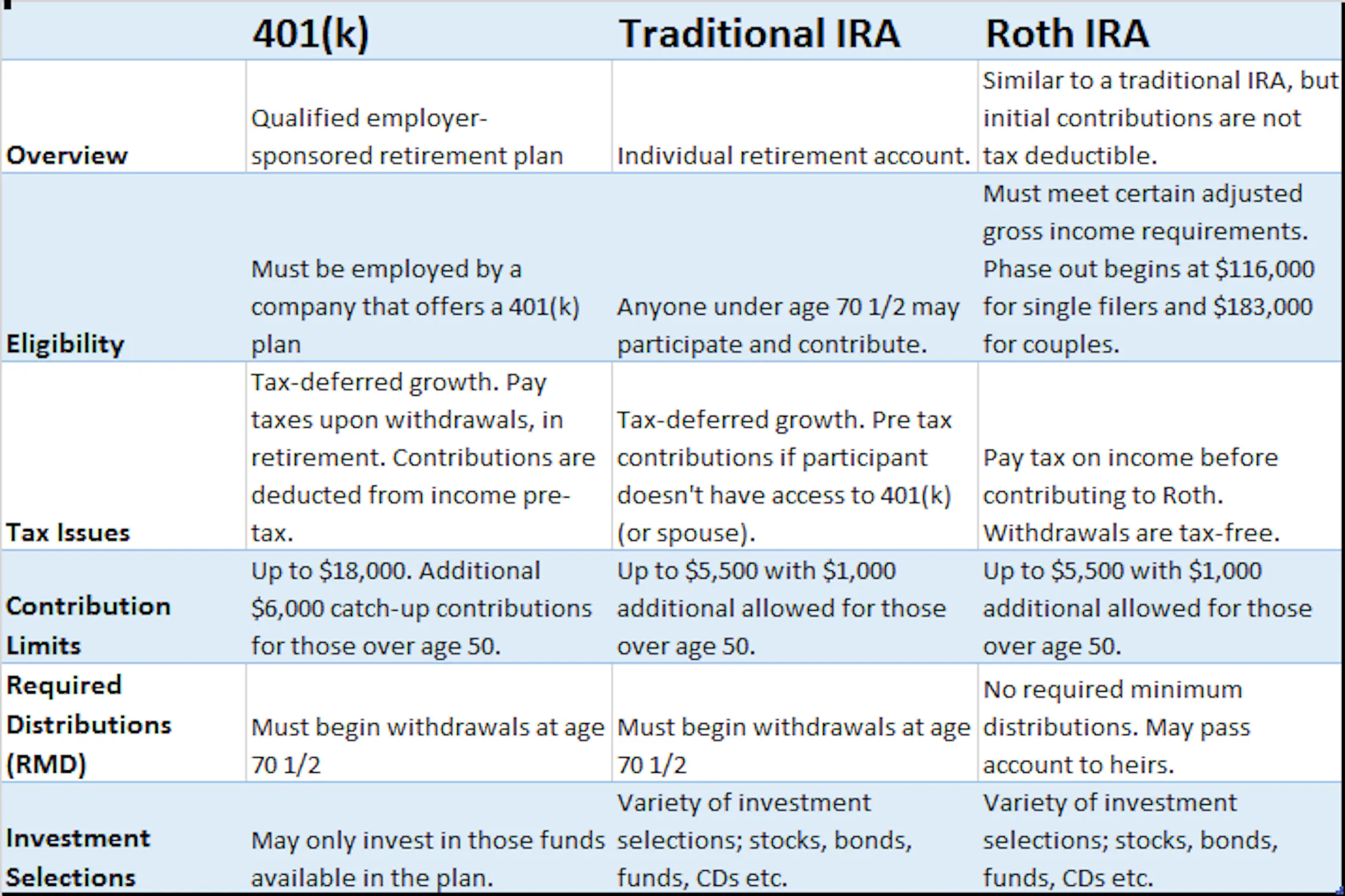
When you hold multiple Individual Retirement Accounts (IRAs), the IRS permits a unique calculation advantage: you can aggregate your RMDs. This means you calculate the total RMD amount for all your Traditional IRAs and SEP or SIMPLE IRAs combined, and then withdraw that total amount from any one or a combination of those IRAs.
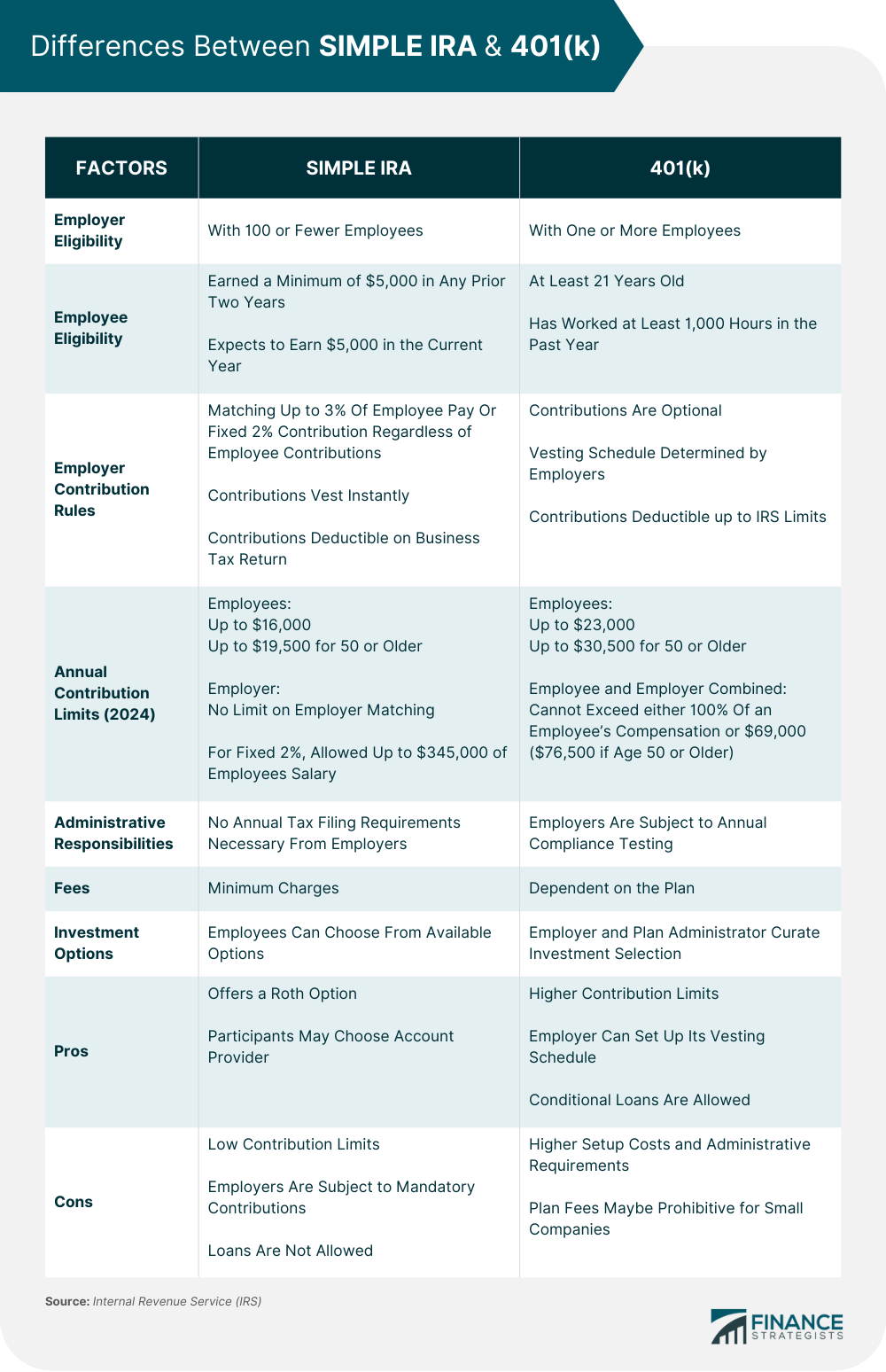
This is fundamentally different from 401(k) rules. If you have three different 401(k) accounts, you must calculate and satisfy the RMD for each account individually. You cannot take the total required amount from just one of the 401(k) plans. This requirement makes administrative management of 401(k)s slightly more complex for retirees holding multiple legacy accounts.
Comparison Table: IRA vs. 401(k) RMD Handling
| Feature | Traditional IRA | 401(k) Plan |
|---|---|---|
| Start Age | Age 73 or 75 (based on birth year) | Age 73 or 75 (based on birth year) |
| Aggregation | Can aggregate RMDs across all IRAs | Must satisfy each account individually |
| Still Working Exception | Not applicable | Possible (if not a 5% owner) |
| Calculation Source | IRS Life Expectancy Tables | IRS Life Expectancy Tables |
| Deadline | December 31 annually | December 31 annually |
Calculating Your RMD: Essential Steps
To ensure compliance in 2026, follow these procedural steps:
- Identify Account Balances: Determine the closing balance of each relevant account as of December 31, 2025.
- Locate Life Expectancy Factors: Use the Uniform Lifetime Table from IRS Publication 590-B unless your sole beneficiary is a spouse more than 10 years younger than you (in which case you use the Joint Life and Last Survivor Expectancy Table).
- Perform the Division: Divide the account balance by the distribution period factor provided in the table.
- Execute the Withdrawal: Instruct your financial institution to distribute the funds. Be mindful of taxes; while RMDs are taxable as ordinary income, they are also eligible for Qualified Charitable Distributions (QCDs) if you are over age 70 ½, which can satisfy your RMD while excluding the amount from your adjusted gross income.
Common Pitfalls and Compliance Risks
The most frequent error retirees encounter is failing to take the full RMD amount or missing the December 31 deadline. The penalties for failing to take an RMD are substantial. Under current rules, the excise tax for a missed RMD is 25% of the amount not withdrawn. This penalty may be reduced to 10% if the oversight is corrected in a timely manner.
Potential Hazards to Avoid
- Market Timing: Do not wait until late December to request your RMD. Delays in processing by financial institutions, especially during the year-end holiday season, can result in a missed deadline.
- Incorrect Aggregation: Do not attempt to aggregate 401(k)s with IRAs. These remain separate silos in the eyes of the IRS.
- Ignoring Inherited IRAs: Remember that if you have inherited IRAs, those accounts have separate distribution schedules—often the "10-year rule"—that are distinct from your personal RMD obligations.
Expert Guidance and Professional Limitations
Managing retirement distributions involves interplay between tax law and investment strategy. While the mechanics of RMDs are governed by federal statutes, your specific financial situation may be influenced by state-level tax laws, the tax-efficiency of specific assets within your accounts, and your overall estate planning goals.
Disclaimer: This article provides general information regarding RMD rules as of 2026. It does not constitute legal, tax, or financial advice. Because individual circumstances, tax brackets, and account structures vary, you should consult with a qualified tax professional or a certified financial planner to address the specifics of your retirement strategy.
Frequently Asked Questions
Can I satisfy my 401(k) RMD by withdrawing from my IRA?
No. RMDs are account-specific for 401(k)s. You cannot use a withdrawal from an IRA to satisfy the RMD requirement for a 401(k) plan, and vice versa. Each type of account must meet its own distribution requirements independently.
What happens if I forget to take my RMD?
If you miss an RMD deadline, you are subject to an excise tax on the amount that should have been withdrawn. You should file Form 5329 with your federal tax return to report the error and request a waiver of the penalty if the failure was due to reasonable cause.
Does the 10% penalty for early withdrawals apply to RMDs?
The 10% early withdrawal penalty (for those under age 59 ½) is distinct from the excise tax for missed RMDs. RMDs are required specifically to move assets into taxable status, and they are mandatory regardless of whether you have reached the age threshold for penalty-free early withdrawals.
Are Roth IRAs subject to RMDs?
No. Roth IRAs owned by the original account holder are not subject to RMDs during the lifetime of the owner. This is a primary distinction between Traditional IRAs (tax-deferred) and Roth IRAs (tax-exempt). Note, however, that Roth 401(k)s were previously subject to RMDs, though recent legislative changes have moved toward aligning them with Roth IRA rules; verify with your specific plan administrator.
How do I handle an RMD if my account is held in illiquid assets?
If your retirement account holds assets that cannot be easily liquidated—such as certain types of private equity or real estate—you must still satisfy the RMD. You may need to plan ahead to ensure you have sufficient liquid cash within the account to process the distribution, or potentially move assets out of the retirement account (though this triggers complex tax consequences).
Next Steps for Account Holders
If you are approaching age 73 or 75, verify your exact RMD start date based on your birth year. Contact your plan administrators for your 401(k)s and your IRA custodians to confirm that they provide RMD calculation services. If you hold multiple 401(k) plans, consider whether consolidating them into a single IRA (where permitted) would simplify your future RMD management through the aggregation rule. Proactive planning in the year prior to your first RMD deadline significantly reduces the risk of penalties and ensures your retirement income strategy remains intact.