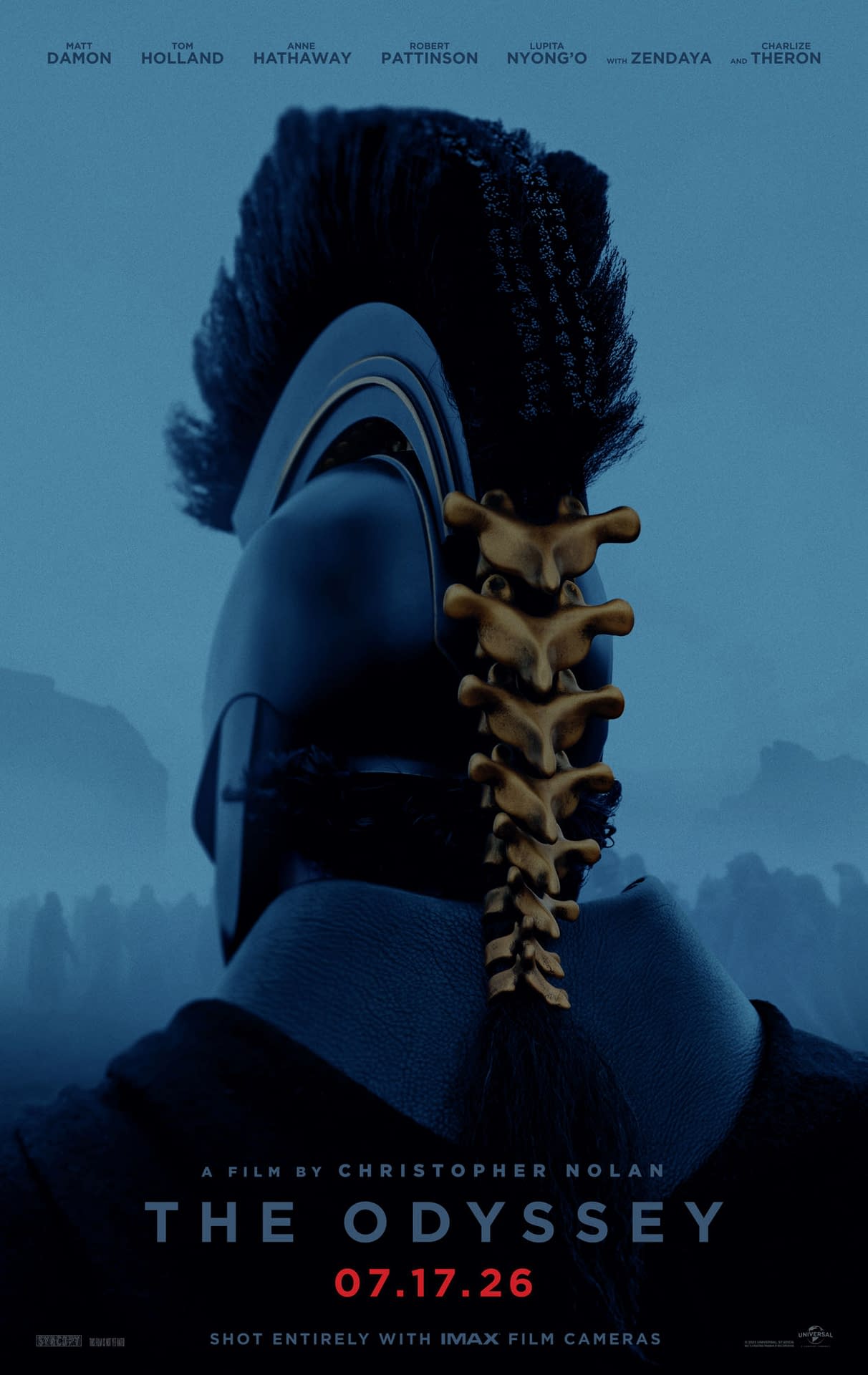
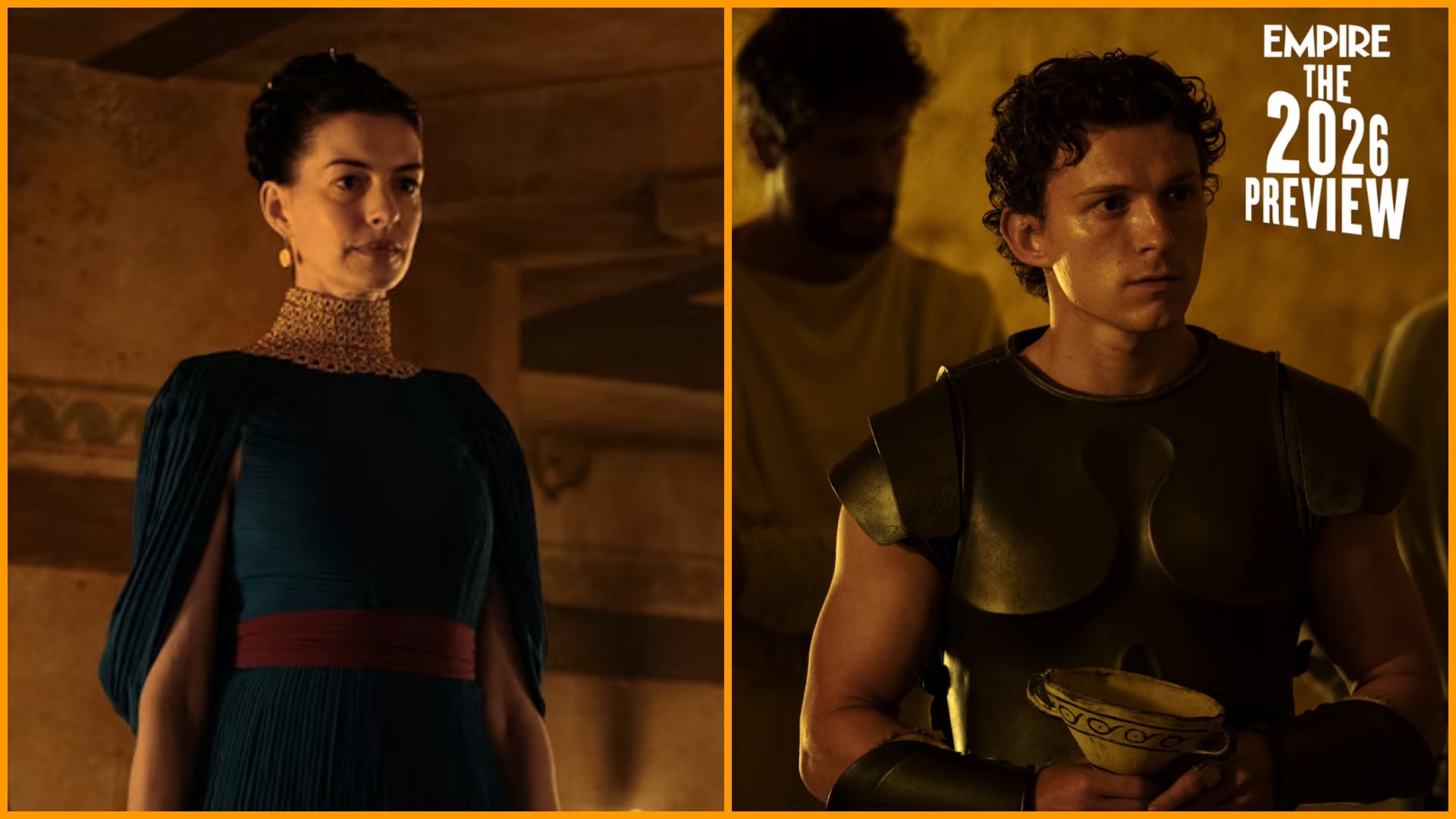
When evaluating complex references such as "1 the odyssey 2026 hermes," readers and researchers often encounter an intersection of literary legacy, modern digital nomenclature, and specialized designations. This designation brings together a classical epic framework, a forward-looking temporal marker, and a specific mythological or brand entity, requiring careful contextualization to fully grasp its operational and thematic implications.
Decoding the Elements: The Odyssey, 2026, and Hermes
To understand what "1 the odyssey 2026 hermes" represents, it is essential to break down its component parts. The term invokes Homer’s ancient epic, The Odyssey, which serves as a foundational archetype for journeys, trials, and ultimate returns. The inclusion of "2026" grounds the reference in the current operational timeframe, signifying contemporary releases, schedules, or projected milestones. Meanwhile, "Hermes" introduces a dual layer of meaning: in classical mythology, Hermes is the swift messenger god of transitions, boundaries, and commerce, while in contemporary contexts, the name often appears in high-value luxury branding, aerospace initiatives, or technological project codenames.
When these elements converge under a single indexing term, they typically point to a structured series, a specialized catalogue entry, or an institutional project phase. Recognizing the relationship between these terms requires an examination of how classical motifs are adapted into modern frameworks, particularly within digital archiving, publishing series, or event-driven product roadmaps.
Contextual Frameworks and Potential Interpretations
Because multi-keyword strings like "1 the odyssey 2026 hermes" can originate from various domains, establishing the correct contextual framework prevents misinterpretation. Depending on the industry, this string might refer to a numbered volume in a contemporary publishing line, a specific logistics or technological milestone scheduled for the mid-2020s, or an organizational project structure.
Literary and Publishing Series Analysis
In publishing and media catalogs, numbers such as "1" frequently denote a first edition, a primary volume, or the inaugural chapter of a sequence. If "The Odyssey" refers to a newly curated translation or an expanded multimedia adaptation scheduled around 2026, the inclusion of "Hermes" may designate a specific imprint, a publishing collection focused on travel and exploration, or a digital distribution channel.
Publishers often utilize mythological names to brand distinct literary lines. A collection dedicated to classical revivals or exploration narratives operating under a Hermes-themed imprint would prioritize themes of communication, journey, and cross-cultural exchange. Readers seeking copies or digital licenses for such works must verify the specific ISBN, editorial house, and translation credentials to ensure they acquire the intended volume.
Technological and Project Codename Applications
In corporate and technical environments, composite strings often serve as internal identifiers or project trackers. A project designated as "The Odyssey" with a milestone or target completion year of 2026, managed or communicated via a subsystem called "Hermes," points toward structured development lifecycles.
- Phase 1 Objectives: Establishing baseline architecture, resource allocation, and foundational data pipelines.
- Milestone Integration: Synchronizing external communications and internal logistics through automated relay systems.
- Deployment Windows: Targeting structural testing and validation phases aligned with current operational calendars.
Organizations employing such nomenclature rely on strict version control and documentation standards. Understanding these structures requires reviewing official technical briefs, release notes, or procurement schedules rather than relying on generalized summaries.
Comparative Overview of Naming Conventions
To better understand how complex identifiers function across different sectors, the following comparison outlines typical usage patterns, primary objectives, and verification methods.
| Sector | Primary Objective | Typical Structure | Verification Method |
|---|---|---|---|
| Publishing & Media | Cataloging editions, translations, or serial adaptations | Title + Volume + Imprint | ISBN registries, publisher catalogs, library databases |
| Technology & Project Management | Tracking development phases and milestone deadlines | Project Codename + Year + Subsystem | Internal documentation, official roadmaps, release logs |
| Logistics & Commerce | Managing supply chains, shipments, or product lines | Identifier + Series + Brand Designation | Invoices, manifest records, official brand directories |
Practical Steps for Researching and Verifying Complex References
When encountering specific alphanumeric strings or multi-entity search terms, users often require a systematic approach to verify authenticity and extract actionable information. Navigating these inquiries effectively involves several distinct stages of verification.
1. Source Authentication
Begin by identifying the primary source of the reference. If the term appears on a commercial platform, check the seller credentials, manufacturer details, and official documentation. For academic or literary references, consult university presses, library union catalogs, or peer-reviewed literary journals.
2. Temporal Alignment
Keep in mind that current timelines operate within the 2026 framework. Ensure that any schedules, pricing models, or availability dates correspond accurately to current administrative guidelines rather than outdated or speculative projections.
3. Resolving Ambiguity
If a search string yields conflicting results—such as a luxury goods line sharing a name with a literary project—segment your search queries. Use quotation marks for exact phrasing (e.g., "the odyssey 2026") and add contextual modifiers such as publisher names, corporate entities, or ISBN numbers to narrow the scope.
Frequently Asked Questions
What does the number "1" signify in this context?
The number "1" typically indicates a primary edition, a first volume in a series, or an initial phase in a structured project timeline. It establishes priority and sequencing for cataloging purposes.
How does the year 2026 impact this reference?
The year 2026 serves as the current operational timeframe for scheduling, distribution, or milestone tracking. It provides a temporal anchor for verifying active status, deadlines, or contemporary releases.
Is "Hermes" referring to the Greek god or a modern brand?
The reference can be symbolic or literal depending on the domain. In literary contexts, it evokes the mythological messenger, while in commercial or technical settings, it may represent a specific brand, imprint, or internal software module.
How can I verify the authenticity of a product or publication bearing these names?
Always cross-reference official registries, such as international standard book number databases for publications, or verified manufacturer documentation for commercial goods, ensuring all details match authorized releases.
What should I do if my search yields multiple unrelated results?
Narrow your search parameters by adding specific industry qualifiers, brand names, or exact publication details to filter out irrelevant matches and target the exact subject matter.
Final Recommendations for Researchers
When evaluating composite terms like "1 the odyssey 2026 hermes," clarity depends entirely on establishing the correct domain. Avoid making assumptions based on isolated words. Instead, examine the surrounding documentation, verify the credentials of the issuing publisher or organization, and rely on primary source records to confirm specifications, availability, and intended use.