The P0101 error code on a Nissan Sentra indicates that the Engine Control Module (ECM) has detected a range or performance problem with the Mass Air Flow (MAF) sensor circuit. This specific fault often stems from a dirty sensor, intake air leaks, or outdated ECM software, requiring a systematic diagnostic approach to resolve.
Understanding the P0101 Code in the Nissan Sentra
In the context of automotive diagnostics in 2026, the P0101 code remains one of the most frequent "check engine" lights encountered by Nissan Sentra owners, particularly those driving models from the last fifteen years. The Mass Air Flow (MAF) sensor is a critical component located between the air filter and the throttle body. Its primary function is to measure the volume and density of air entering the engine. The ECM uses this data to calculate the precise amount of fuel needed to maintain the stoichiometric ratio (14.7:1) for efficient combustion.
When the ECM identifies that the signal from the MAF sensor does not correlate with the expected values based on throttle position, engine speed (RPM), and load, it triggers the P0101 code. On a Nissan Sentra, this isn't always a "broken" sensor. Because Nissan’s engine management systems are calibrated with very tight tolerances, even minor deviations—such as a film of dust on the sensor wire or a hairline crack in an intake boot—can trip the code.
The Role of the MAF Sensor
The MAF sensor in a Sentra typically utilizes a "hot-wire" system. The ECM sends an electrical current to heat a wire or film within the sensor to a specific temperature above the ambient air. As air flows past the wire, it cools down. The ECM then increases the current to keep the wire hot. The amount of current required is directly proportional to the mass of the air flowing into the engine. If this feedback loop is interrupted or produces illogical data, the P0101 code is stored, and the vehicle may enter a "limp home" mode to protect the engine from damage.
Primary Symptoms of P0101 in a Nissan Sentra
Identifying the symptoms early can prevent more costly repairs, such as catalytic converter failure due to improper fuel mixtures. While the most obvious sign is the illumination of the Malfunction Indicator Lamp (MIL), the Sentra often exhibits specific drivability issues:
- Engine Hesitation or Stumbling: You may feel a "hiccup" during acceleration or when merging onto highways. This occurs because the ECM is receiving incorrect data about how much air is entering, leading to a momentary lean or rich fuel condition.
- Erratic Idle: The engine may fluctuate in RPM while stopped at a red light. In severe cases, the Sentra may stall completely when coming to a stop.
- Reduced Fuel Economy: If the MAF sensor over-reports air intake, the ECM will over-inject fuel. You may notice a significant drop in Miles Per Gallon (MPG) and a faint smell of unburnt gasoline from the exhaust.
- Limp Mode (Reduced Power): To prevent engine knock or overheating, the ECM may limit the engine to a maximum of 2,500–3,000 RPM, making the car feel sluggish and unresponsive.
- Hard Starting: Incorrect air-fuel ratios during the cranking phase can make the engine take longer to fire up, especially during cold starts.
Common Causes Specific to Nissan Sentra Models
While P0101 is a generic OBD-II code, its causes on the Nissan Sentra are often specific to the vehicle's design and common wear patterns.
1. Dirty or Contaminated MAF Sensor
This is the most common cause. The MAF sensor wire is incredibly sensitive. Over time, microscopic particles of dust, oil from "performance" air filters (like K&N oiled filters), and debris can coat the wire. This creates an insulating layer that prevents the wire from cooling properly, leading to inaccurate air mass readings.
2. Air Leaks After the MAF Sensor
Any air that enters the engine without passing through the MAF sensor is called "unmetered air." In many Sentra models, the rubber intake boot (the corrugated hose between the air box and the throttle body) is prone to dry-rotting and cracking. Even a small split in the bellows of this hose can pull in enough unmetered air to trigger a P0101 code.
3. Dirty Throttle Body and Carbon Buildup
On the Nissan Sentra, the throttle body and MAF sensor work in tandem. If the throttle plate is coated in carbon "gunk," the actual airflow may not match the throttle position sensor's (TPS) expectations. This mismatch can sometimes cause the ECM to blame the MAF sensor, resulting in a P0101.
4. PCV System Issues
A stuck-open Positive Crankcase Ventilation (PCV) valve can allow an excessive amount of crankcase gases and air back into the intake manifold. This creates a vacuum leak scenario that confuses the MAF sensor readings.
5. ECM Software Issues (Technical Service Bulletins)
Nissan has issued several Technical Service Bulletins (TSBs) for the Sentra (notably for the 2013–2018 models). In many cases, the P0101 code is caused by overly sensitive ECM software rather than a hardware failure. In these instances, the "repair" is actually a software reflash performed by a dealership.
Diagnostic Steps for the Nissan Sentra P0101
Before replacing parts, follow this diagnostic sequence to ensure you are targeting the actual root cause.
Step 1: Visual Inspection
Start with the basics. Open the hood and inspect the air filter housing. Ensure the filter is clean and properly seated. Check the intake snorkel and the rubber boots for cracks or loose clamps. Pay close attention to the underside of the intake hose, as cracks often hide in the folds of the rubber.
Step 2: Use an OBD-II Scanner for Live Data
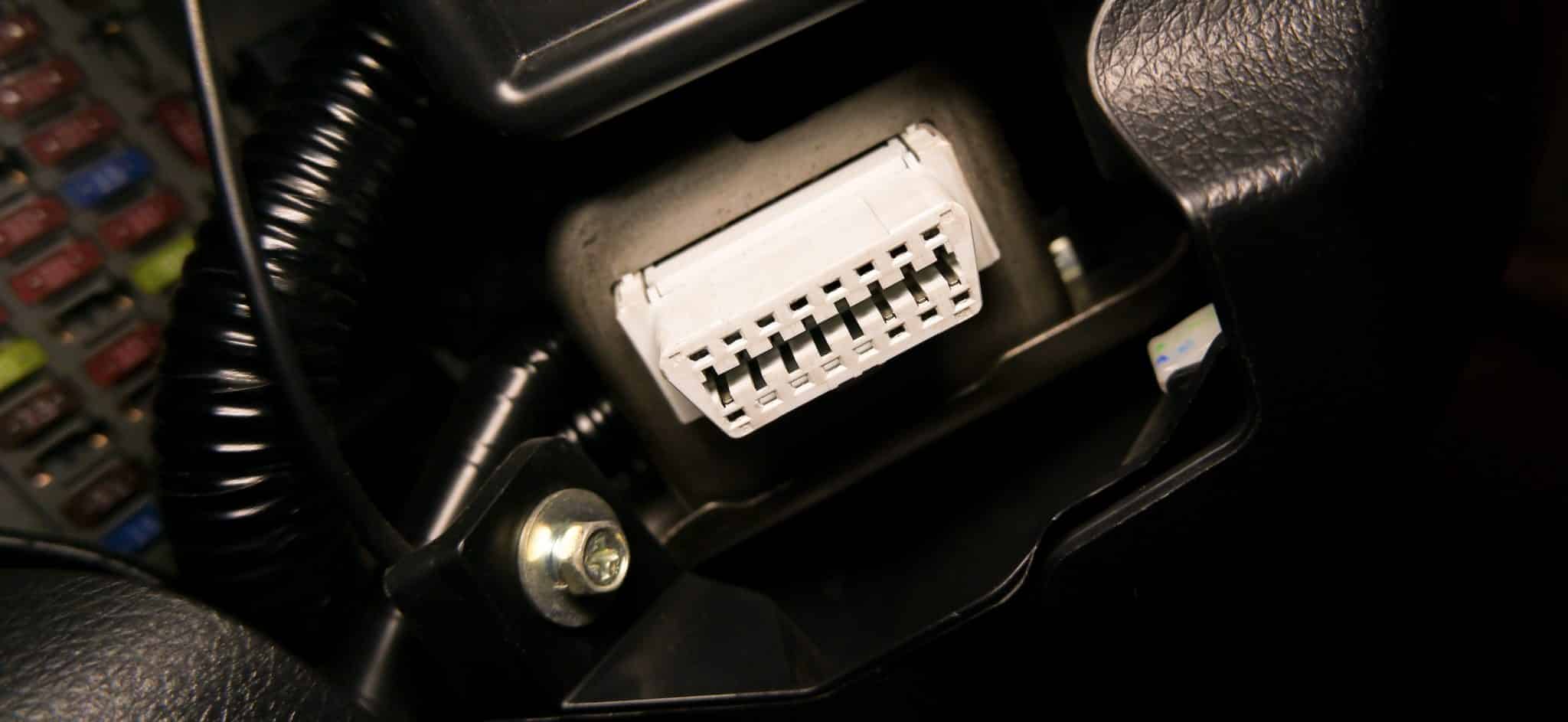
Connect a diagnostic tool to the OBD-II port. Instead of just reading the code, look at the "Freeze Frame" data. This shows exactly what the engine was doing (RPM, Load, Temperature) when the code was set.
- Grams per Second (g/s): At idle, a 1.8L or 2.0L Sentra engine should typically see about 2.0 to 5.0 g/s. If the reading is 0 or extremely high at idle, the sensor is likely faulty or disconnected.
- Fuel Trims: Look at Long Term Fuel Trim (LTFT). If it is high (e.g., +15% or +20%), the engine is compensating for a lean condition, likely a vacuum leak or a dirty MAF.
Step 3: Inspect the MAF Sensor Connector
Disconnect the electrical plug to the MAF sensor. Check for backed-out pins, corrosion (greenish crust), or frayed wires. A poor electrical connection can cause intermittent voltage drops that trigger the P0101 code.
Step 4: Perform a Voltage Drop Test
Using a digital multimeter, check for 12V power at the sensor and a solid ground. Finally, check the signal wire. With the engine running, the signal voltage should increase smoothly as you manually increase the engine RPM. Any "dead spots" or erratic jumps in voltage indicate a failing sensor.
Repair Procedures and Solutions
Once you have identified the likely cause, proceed with the corresponding repair.
Cleaning the MAF Sensor
If the sensor is dirty, do not use brake cleaner or carburetor cleaner, as these can destroy the delicate protective coating on the sensor wire.
- Remove the two screws holding the MAF sensor into the air intake tube.
- Carefully pull the sensor out.
- Use a specialized MAF Sensor Cleaner spray.
- Spray the wire inside the "dropper" tube 10-15 times. Do not touch the wire with your fingers or the spray straw.
- Let it air dry completely (about 10 minutes) before reinstalling.
Replacing the Intake Boot
If cracks are found in the intake hose, replacement is the only permanent fix. Temporary wraps with electrical tape or duct tape rarely hold up due to the heat and vibration of the engine bay. Ensure the new clamps are tightened firmly but not so tight that they cut into the new rubber.
The "Idle Air Volume Learn" Procedure
On a Nissan, after you clean the MAF sensor or the throttle body, the idle may become high or erratic. The ECM "remembers" the old, dirty settings and needs to be taught the new airflow characteristics.
- This can be done using a high-end scan tool.
- Manual "pedal dance" methods exist for older Sentra models, but by 2026, most technicians use the "Work Support" function on a diagnostic tablet to reset the Idle Air Volume.
| Component | Potential Cost (Parts + Labor) | Difficulty (1-10) | Commonality |
|---|---|---|---|
| MAF Sensor Cleaning | $10 - $15 (DIY) | 2 | Very High |
| Air Filter Replacement | $20 - $45 | 1 | High |
| Intake Boot Replacement | $120 - $250 | 4 | Medium |
| MAF Sensor Replacement | $250 - $550 | 3 | Medium |
| ECM Software Reflash | $150 - $250 (Dealer) | N/A | High (Specific Years) |
| Throttle Body Cleaning | $80 - $150 | 5 | Medium |
Preventing Future P0101 Codes
Maintenance is the most effective way to avoid the P0101 code.
- Change Air Filters Regularly: Replace the engine air filter every 15,000 to 30,000 miles. A clogged filter creates turbulence that confuses the sensor.
- Avoid Over-Oiling Filters: If using a reusable air filter, be extremely conservative with the oil. Excess oil is the #1 killer of MAF sensors.
- Check for Recalls and TSBs: Periodically check with a Nissan service department using your VIN to see if there is an outstanding software update for the ECM.
- Use Quality Fuel: Carbon buildup on the throttle body can be mitigated by using high-quality Top Tier gasoline containing detergents.
Summary of Next Actions
If your Nissan Sentra is currently displaying a P0101 code, your first action should be a visual inspection of the intake snorkel for cracks. If the hardware looks intact, attempt to clean the MAF sensor with dedicated electronic cleaner. If the code persists after cleaning and a reset, check for available TSBs for your specific model year, as a software update is a very common requirement for this specific fault in the Nissan ecosystem.
Frequently Asked Questions
Can I drive my Nissan Sentra with a P0101 code?
While the car is usually drivable, it is not recommended for long periods. The engine will likely run in a "sub-optimal" state, leading to poor fuel economy and potentially damaging the catalytic converter. If the car is in "limp mode," drive it only to a repair facility.
Why did my P0101 return after I replaced the MAF sensor?
If you replaced the sensor with a cheap, non-OEM part, the ECM may not recognize its calibration. Nissan engines are notoriously sensitive and often require Hitachi (the OEM) or genuine Nissan sensors. Additionally, if you didn't perform the "Idle Air Volume Learn" or check for vacuum leaks, the underlying cause may still be present.
Does a P0101 code mean I need a new engine?
No. A P0101 is a sensor-related and air-management code. It does not indicate internal engine damage. It is an external component issue that affects how the engine "breathes" and calculates fuel.
How much does a Nissan dealership charge for a P0101 diagnosis?
In 2026, most dealerships charge between $140 and $190 for a diagnostic fee. This usually covers one hour of labor to scan the vehicle, check for TSBs, and perform a basic inspection. This fee is often applied toward the total repair cost if you choose to have the work done at the dealership.
Can a bad car battery cause a P0101 code?
While unlikely, low voltage or a failing alternator can cause electronic sensors to provide "noisy" or inconsistent data to the ECM. If your Sentra is also having starting issues or dimming lights, have the charging system tested alongside the MAF sensor.