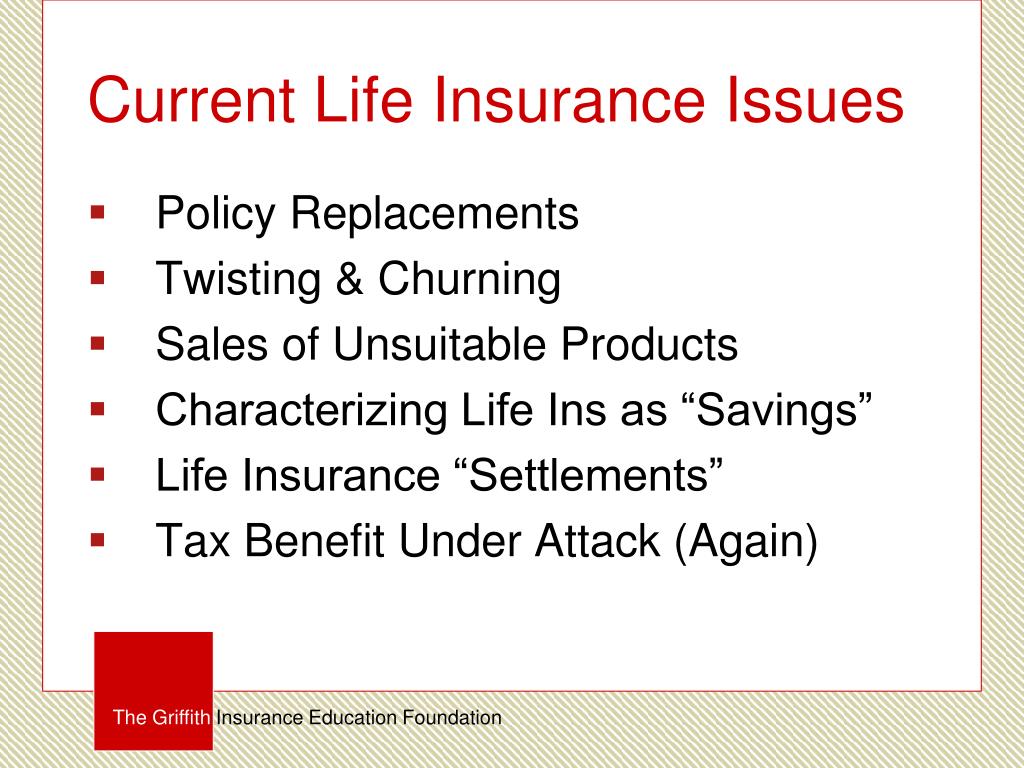
The life insurance industry is currently undergoing a transformative phase defined by the integration of real-time health data and hyper-personalized underwriting. As of 2026, the primary shift centers on the transition from static, periodic risk assessment to continuous, technology-driven monitoring. This evolution has sparked intense debates regarding consumer privacy, the ethics of algorithmic bias, and the potential for a "protection gap" created by increasingly granular risk segmentation.
The Shift Toward Continuous Underwriting
Historically, life insurance underwriting was a "point-in-time" event. A policyholder would undergo a medical examination at the start of a policy, providing a snapshot of their health that dictated their premiums for decades. By 2026, this model has shifted toward a paradigm of continuous underwriting, fueled by the proliferation of wearable technology and digital health integration.
The Role of Wearables and Telemetry
Modern life insurance providers increasingly incentivize policyholders to share data from smartwatches and other biometric trackers. This data—ranging from resting heart rate and sleep patterns to daily step counts—allows insurers to move beyond the traditional "age and smoking status" binary. Instead, they can offer dynamic premium adjustments based on the actual health behaviors of the insured.
The Impact on Accessibility
For the health-conscious consumer, this shift often results in lower premiums and a more frictionless application process. Many companies now offer "accelerated underwriting," where algorithms process digital health records in seconds rather than the weeks required for traditional paramedical exams. However, this convenience assumes a high level of digital literacy and access to health-tracking hardware, creating a divide between tech-native populations and those who remain outside this ecosystem.
Ongoing Debates in the Industry
As the technological landscape matures, the insurance industry finds itself embroiled in several high-stakes debates that pit efficiency against equity.
Privacy and Data Sovereignty
The most vocal criticism of continuous underwriting involves the sanctity of personal health data. While insurers argue that granular data leads to more accurate pricing, consumer advocates raise alarms about data longevity. There is an ongoing debate regarding the "right to be forgotten" in the context of insurance data. If a policyholder improves their health metrics, they may be rewarded, but questions remain about whether an accidental slip in health data could lead to punitive premium hikes or the eventual denial of coverage renewal.
The Ethics of Algorithmic Bias
Algorithmic underwriting systems are trained on historical data sets. In 2026, regulators are increasingly scrutinizing whether these models inadvertently reinforce systemic biases. If an algorithm disproportionately penalizes individuals from specific demographic backgrounds due to indirect proxies—such as zip code-based health outcomes or neighborhood-level lifestyle trends—it could lead to discriminatory pricing that is difficult to trace and audit.
The Protection Gap
A secondary, but equally critical, debate concerns the "protection gap." As insurers become better at identifying high-risk individuals through advanced analytics, there is a risk that they may become increasingly selective. This leads to a situation where the healthiest individuals enjoy the lowest rates, while those with pre-existing conditions or lower technological connectivity find themselves priced out of the market. This creates an ongoing struggle between the insurance industry’s role as a private, profit-seeking entity and its societal role in providing a financial safety net.
Comparison of Traditional vs. Modern Underwriting Models
The following table outlines the key differences between the legacy approach and the current 2026 standard.
| Feature | Traditional Underwriting | Modern Continuous Underwriting |
|---|---|---|
| Data Source | One-time paramedical exam / Lab tests | Wearables, digital health records, IoT |
| Frequency | Once (at inception) | Ongoing (real-time/periodic) |
| Premium Structure | Static / Fixed | Dynamic / Performance-based |
| Application Speed | Weeks or months | Seconds to days |
| Privacy Risk | Limited to initial disclosure | High (persistent data collection) |
| Primary Goal | Risk categorization | Risk management and mitigation |
Navigating the New Landscape as a Consumer
For individuals seeking life insurance in the current environment, the shift toward data-driven underwriting requires a proactive approach. Understanding how your habits and digital footprint interact with your policy is no longer optional.
Assessing Your Digital Privacy Options
Before opting into programs that offer premium discounts for data sharing, it is vital to review the insurer’s data retention policy. Ask explicitly: Who has access to my raw data? Is this data sold to third parties, or is it strictly used for internal risk assessment? In 2026, transparency in these disclosures is a primary indicator of a reputable carrier.
Managing Your Health Data
If you participate in wellness programs tied to your insurance, treat your health metrics as you would any other financial asset. Regular review of your insurer’s digital portal allows you to identify if the data being reported is accurate. If you notice erroneous health data—such as incorrect heart rate spikes during travel or tech malfunctions—contact your insurer immediately to prevent these errors from impacting your premium rating.
Long-Term Value vs. Short-Term Savings
Many consumers are lured by the "gamification" of insurance, which offers immediate cash-back or gift cards for hitting health targets. While these are beneficial, prioritize the long-term policy structure. Ensure that the core of your policy—the death benefit and the guaranteed premium period—is sustainable, regardless of whether you remain physically active or compliant with the insurer’s tracking requirements in the years to come.
FAQ: Shifts in Life Insurance
How does continuous underwriting impact existing policyholders? Most continuous underwriting programs are voluntary. Existing policyholders who bought traditional policies generally remain on their original terms. However, many insurers are now offering conversion options to bridge the gap between legacy policies and modern, data-integrated plans.
Can an insurer cancel my policy based on wearable data? Typically, no. Most life insurance contracts are "guaranteed renewable," meaning as long as premiums are paid, the coverage cannot be revoked due to changes in health. The ongoing debates focus on whether insurers can use data to deny new coverage or adjustments rather than cancelling existing, active policies.
Is my genetic data being used for underwriting in 2026? While the technology exists, the use of genetic testing in life insurance remains highly restricted by regional and national regulations. Most jurisdictions have specific laws preventing insurers from mandating genetic tests or using results to discriminate in underwriting, though this remains a point of constant legislative review.
Are digital-first insurance startups safer than traditional carriers? Digital-first startups often offer superior user experiences, but they carry different risks. When choosing a carrier, prioritize financial strength ratings from established agencies like A.M. Best. A carrier's ability to pay claims in the future is just as important as the convenience of its app today.
What happens if I stop sharing my data? If your policy is contingent upon a wellness program, opting out usually means you lose the associated premium discounts. You would generally revert to the "standard" non-discounted rate for your age and health bracket, rather than having your coverage voided.
Strategic Next Actions
To ensure you are well-positioned within the current insurance landscape, take these three steps:
- Request a Privacy Audit: When applying for a new policy, request the "Data Privacy Statement" specifically regarding wearable device integration to understand exactly what the insurer captures.
- Verify Your Digital Identity: Ensure that any wearable device linked to your insurer is properly secured with multi-factor authentication, as this device now acts as an extension of your medical record.
- Consult an Independent Advisor: Because the market is shifting toward proprietary, technology-laden products, an independent life insurance broker can provide a comparative analysis of how different carriers handle data and privacy, preventing you from being locked into a rigid ecosystem.