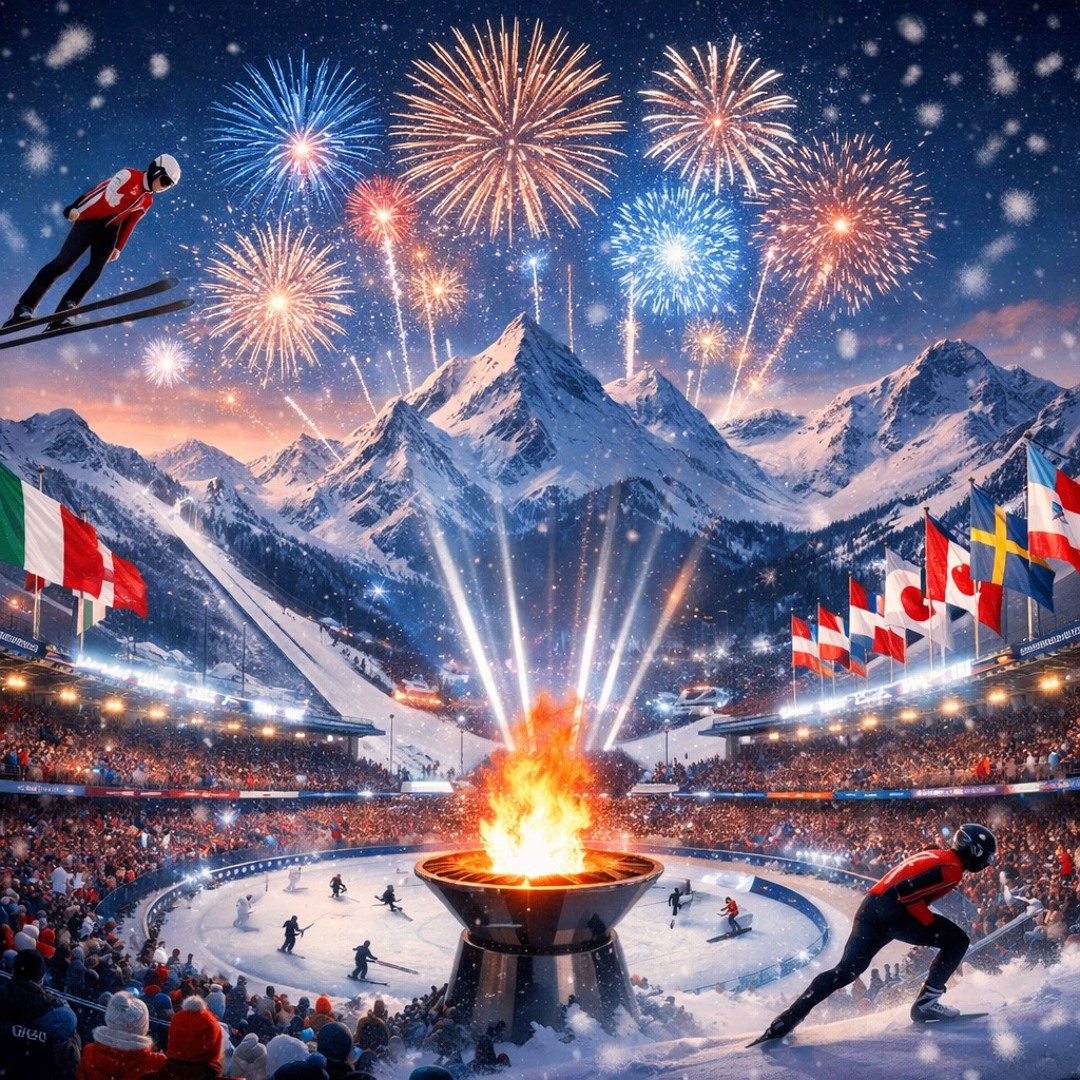
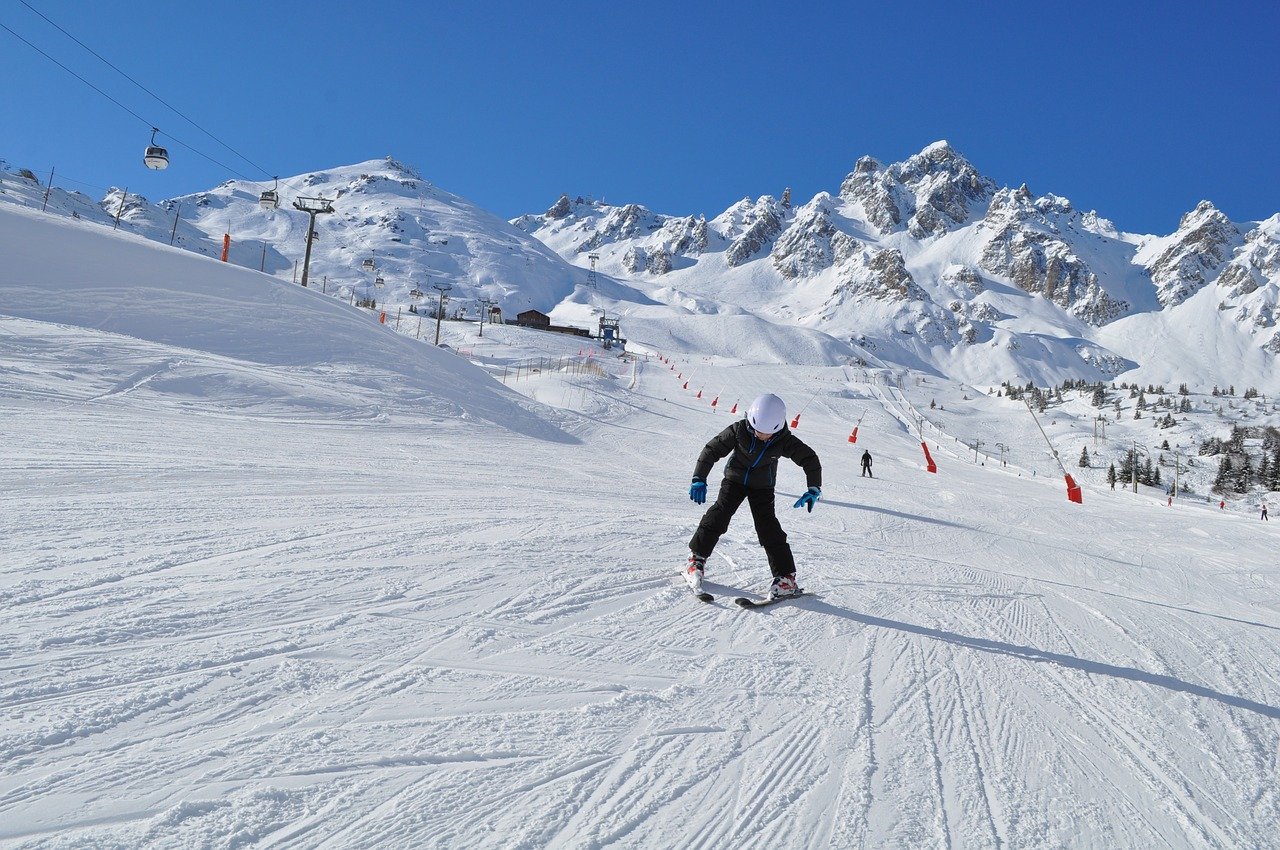
Egypt's participation in the Winter Olympic Games represents a unique intersection of warm-climate geography and the global pursuit of winter sports excellence. While the North African nation is predominantly defined by its desert landscapes, historical participation and contemporary developmental milestones in winter disciplines showcase a growing commitment to multi-sport representation on the international stage.
Introduction to Egypt's Winter Olympic Footprint
When analyzing Egypt's presence in the Winter Olympic Games, observers look at a unique intersection of tropical and subtropical geography meeting international athletic competition. Although Egypt does not possess natural snowfields or alpine terrain suitable for traditional winter training, globalization, diaspora athlete recruitment, and international winter sports federations have enabled athletes representing the Egyptian flag to compete at elite levels.
The journey of African nations in the Winter Olympics has historically been pioneering, marked by solitary athletes breaking barriers in disciplines such as alpine skiing and skeleton. For Egypt, engagement with the Winter Games involves navigating complex administrative hurdles, securing international qualification standards set by the International Olympic Committee (IOC) and respective sports federations, and establishing institutional support structures where none traditionally existed. This overview examines the historical context, qualification pathways, disciplinary focus, and broader implications of Egypt's representation.
Historical Context of Winter Sports in Egypt
Winter sports representation from African nations has seen gradual evolution since the late 20th century. While countries like South Africa, Morocco, and Kenya established early precedents in winter disciplines, Egypt's entry into the winter sports ecosystem has been characterized by individual initiative and the utilization of international training facilities.
Because Egypt lacks domestic infrastructure for ice and snow sports, athletes representing the country typically train in European or North American facilities. This dynamic requires substantial personal or private investment, as national Olympic committees in warm-weather countries often allocate the vast majority of their resources to summer disciplines where domestic participation is widespread. Despite these structural challenges, the presence of Egyptian athletes in winter sports qualification cycles highlights the expanding reach of the Olympic movement.
The Evolution of Non-Traditional Winter Nations
The International Olympic Committee actively encourages universal representation, allowing qualified athletes from non-traditional nations to participate through allocation systems and rigorous international standard-setting. For Egypt, this means that winter athletes must compete globally against athletes from traditional winter sports powerhouses—such as Norway, Austria, the United States, and Canada—to earn their starting positions.
- Global Training Requirements: Athletes must relocate temporarily to regions with reliable snow and ice infrastructure.
- National Federation Recognition: The Egyptian Ski and Winter Sports Federation acts as the governing body responsible for affiliation with international bodies like the International Ski and Snowboard Federation (FIS).
- Financial and Logistical Planning: Funding relies heavily on a combination of private sponsorships, personal financing, and limited National Olympic Committee assistance.
Qualification Pathways and International Standards
Earning a quota spot for the Winter Olympic Games is a rigorous, multi-year process governed by strict international federation rules. For athletes competing under the Egyptian flag, the path to qualification involves accumulating points through international competitions sanctioned by bodies such as the FIS or the International Bobsleigh and Skeleton Federation (IBSF).
To secure an Olympic berth, athletes must achieve specific ranking thresholds or meet baseline point requirements within designated qualification windows. These standards are designed to ensure that all competitors possess the technical proficiency and safety awareness necessary to compete safely on elite-level Olympic courses.
| Discipline | Governing Body | Core Qualification Requirement | Typical Training Locations |
|---|---|---|---|
| Alpine Skiing | FIS | Point thresholds via FIS-sanctioned races | Europe (Alps), North America |
| Cross-Country Skiing | FIS | Continental point brackets and distance benchmarks | Northern and Central Europe |
| Skeleton / Bobsleigh | IBSF | Ranking points on Intercontinental and World Cups | Europe, North America, Asia |
Navigating Federation Requirements
The administrative burden on athletes from non-traditional winter nations is substantial. Beyond athletic performance, competitors must manage international licenses, medical clearances, equipment logistics, and travel to remote mountain venues across the globe. The Egyptian Olympic Committee oversees these entries, ensuring compliance with both IOC charters and anti-doping regulations established by the World Anti-Doping Agency (WADA).
Disciplinary Focus: Where Egyptian Athletes Compete
Given the constraints of climate and infrastructure, Egyptian winter sports participation historically centers on sports that rely on individual execution and portable equipment rather than massive team facilities.
Alpine Skiing and Snowboarding
Alpine skiing—encompassing slalom and giant slalom—remains the most accessible entry point for athletes from warm climates who relocate to mountainous regions for education or professional training. The technical nature of alpine skiing places a premium on precise edge control, physical conditioning, and tactical course reading. Similarly, snowboarding offers disciplines like slopestyle and giant slalom that attract younger, diaspora-based athletes holding dual citizenship or eligibility to represent Egypt internationally.
Sliding Sports: Skeleton and Bobsleigh
Sliding sports have increasingly become a viable avenue for athletes from non-traditional winter countries due to the centralized nature of training tracks and the global development programs run by the IBSF. Skeleton, which involves hurtling head-first down an ice track on a small sled, requires explosive sprinting ability at the start line combined with extreme mental focus.
Broader Impact and Development of Winter Sports Infrastructure
While competitive participation at the elite level garners immediate media attention, the longer-term objective for a warm-weather nation engaging with winter sports often involves grassroots awareness, sports science knowledge transfer, and institutional development.
Inspiring Future Generations
Participation in the Winter Olympic Games serves a vital motivational role within Egypt's broader sporting culture. By showcasing Egyptian athletes competing in environments completely distinct from the nation's geography, the Olympic platform expands public perception of national athletic capabilities. This visibility encourages young athletes to explore diverse athletic disciplines, leveraging international mobility and global sports networks.
Sports Science and Cross-Pollination
The training methodologies required for winter sports—ranging from high-velocity aerodynamic positioning to specialized biomechanical analysis—often intersect with summer sports training. Athletes and coaches who gain experience in the international winter sports circuit frequently bring advanced conditioning and physiological monitoring techniques back to Egypt's broader athletic community.
Frequently Asked Questions
Does Egypt have natural snow or ski resorts?
No, Egypt features a hot desert climate with virtually no natural snowfall, save for rare, light occurrences in high-elevation regions of the Sinai Peninsula, which are insufficient for commercial skiing or winter sports training. Consequently, all competitive training occurs abroad.
How do Egyptian athletes fund their winter sports training?
Funding is typically a hybrid model involving personal financing, family support, private corporate sponsorships, and grants from sports governing bodies. Because summer sports receive the vast majority of domestic sports funding in Egypt, winter athletes must be largely self-sufficient.
What are the main challenges for winter athletes from non-traditional nations?
The primary challenges include high financial costs associated with international travel and equipment, the necessity of living abroad for training access, and competing against athletes from countries with deeply entrenched winter sports cultures and state-backed infrastructure.
Are winter sports growing in popularity in Egypt?
While participation remains niche compared to football or combat sports, digital media exposure and the inspirational impact of international representation have gradually increased domestic awareness of winter disciplines.
Which international bodies govern Egyptian winter athletes?
Egyptian winter athletes must be registered with the Egyptian Ski and Winter Sports Federation, which in turn maintains membership and compliance with international governing bodies such as the International Ski and Snowboard Federation (FIS).
Conclusion and Next Actions
Egypt's presence in the landscape of international winter sports is a testament to individual perseverance, globalization, and the universal appeal of the Olympic movement. For those following Egypt's athletic trajectory, monitoring the official calendars of international federations such as the FIS and IBSF provides the most accurate, real-time updates regarding athlete qualifications, ranking lists, and upcoming event schedules. Stakeholders, fans, and sports administrators looking to support these efforts can engage directly with national sports federations to understand the logistical and financial frameworks required to sustain non-traditional Olympic representation.