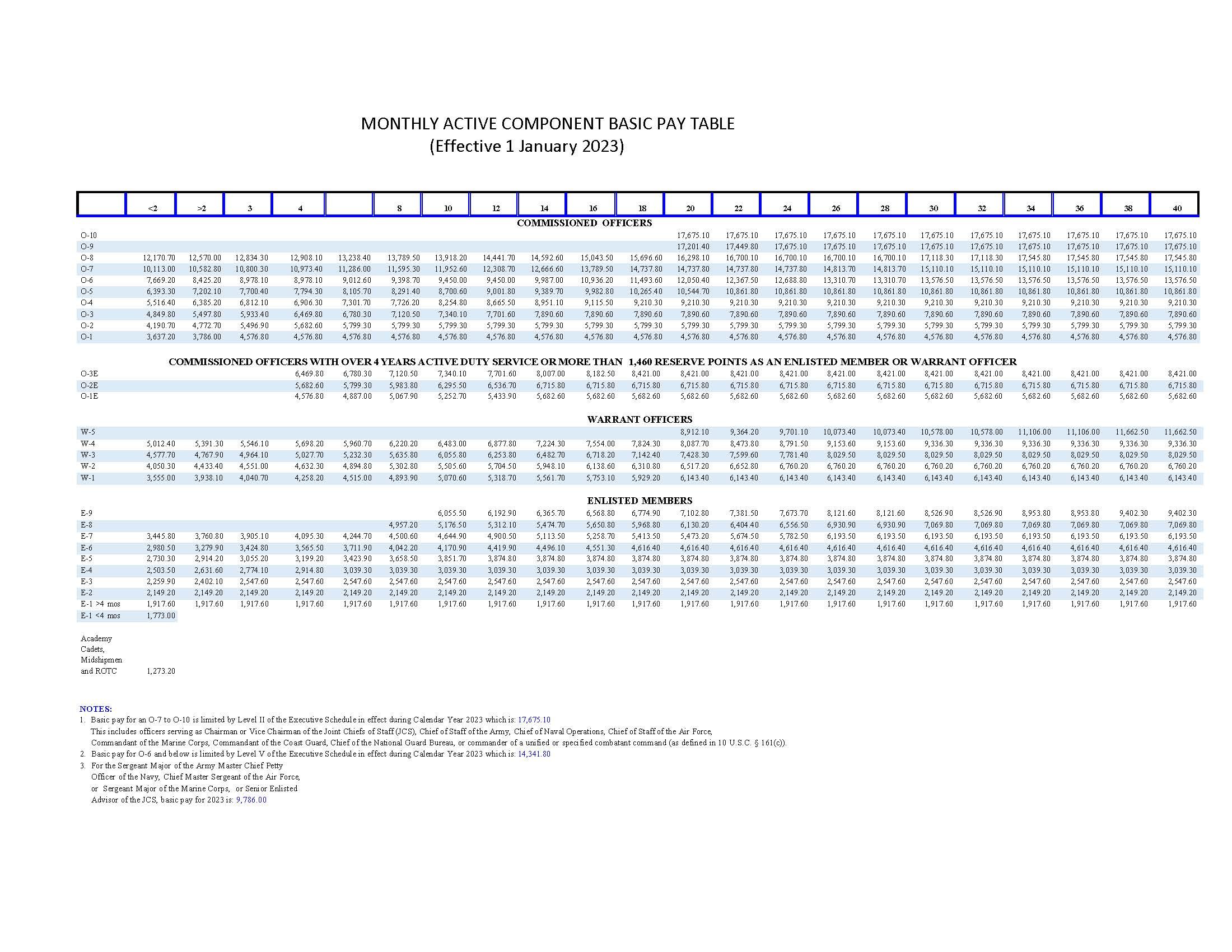
United States Navy pay is structured around two distinct classification systems—Enlisted ranks (E-1 through E-9) and Officer ranks (O-1 through O-10)—with E-1 and E-2 representing the foundational entry-level enlisted pay grades where new recruits begin their military careers. Navigating military compensation requires understanding how these basic pay grades interact with time in service, allowances, and specialized career paths.
Introduction to United States Navy Pay Grades
The United States Navy compensation system is designed to provide predictable, structured financial support to service members based on their rank, responsibility level, and cumulative time in service. For anyone entering the Navy, the financial journey begins at the lowest rungs of the enlisted tier: pay grades E-1 and E-2.
While these grades represent the entry point of the naval hierarchy, they are subject to precise statutory rules governing basic pay, automatic advancements, and eligibility for various allowances. Understanding these two pay grades requires a look at how Navy pay is legislated, how promotions affect monthly earnings, and what benefits accompany initial enlistment.
The Enlisted Pay Structure: E-1 and E-2 Defined
In the US military compensation framework, the letter "E" stands for "Enlisted," followed by a numerical grade ranging from 1 to 9. Pay grades reflect the level of responsibility and technical proficiency expected of a service member, while years of service determine incremental pay increases within that grade.
Pay Grade E-1: Recruit and Seaman Recruit
- Rank Title: Seaman Recruit (SR), Airman Recruit (AR), Fireman Recruit (FR), Construction Recruit (CR), or Hospital Recruit (HR), depending on the rating or community.
- Status: This is the entry-level grade for almost all non-prior-service personnel entering Navy Basic Military Training (boot camp) at Recruit Training Command Great Lakes.
- Basic Pay Duration: Members typically hold the E-1 grade for their first six months of active duty service, provided they maintain satisfactory conduct and performance standards.
Pay Grade E-2: Seaman Apprentice
- Rank Title: Seaman Apprentice (SA), Airman Apprentice (AA), Fireman Apprentice (FA), Construction Apprentice (CA), or Hospital Apprentice (HA).
- Status: The second tier of the enlisted structure. Personnel normally advance automatically from E-1 to E-2 upon completing six months of active-duty service, though graduates of certain accelerated enlistment programs or those with college credits may enter the Navy directly at the E-2 or E-3 pay grade.
Basic Pay Tables and Incremental Increases
Military basic pay is established annually by federal law and published in official military pay tables. Basic pay is taxable income and forms the foundation of a service member's regular earnings.
For E-1 and E-2 personnel, the compensation scale is heavily influenced by cumulative years of service (YOS), though most individuals do not remain at these pay grades long enough to accumulate high service-year multipliers.
- E-1 Under 4 Months of Service: Designed specifically for new recruits undergoing initial entry training, this rate reflects the starting baseline for all enlisted personnel.
- E-1 Over 4 Months of Service: A minor adjustment occurs once a recruit surpasses four months of active service, bridging the gap before their mandatory promotion to E-2 at the six-month mark.
- E-2 Increments: Upon reaching pay grade E-2, basic pay increases relative to months and years of service, providing an immediate financial step up from the E-1 baseline.
The following table summarizes the structural differences and standard progression milestones between E-1 and E-2 Navy pay grades.
| Pay Grade | Standard Rank Titles | Time-in-Service Requirement | Typical Advancement Path | Primary Focus |
|---|---|---|---|---|
| E-1 | Seaman Recruit (SR), Airman Recruit (AR), etc. | 0 to 6 months | Automatic promotion to E-2 at 6 months | Initial basic training and accession pipeline |
| E-2 | Seaman Apprentice (SA), Airman Apprentice (AA), etc. | 6 to 24 months | Advancement to E-3 (Seaman) via time-in-rate and exams | A-school training and initial fleet assignment |
Allowances and Non-Taxable Compensation
Basic pay is only one component of total Navy compensation. Junior enlisted personnel at the E-1 and E-2 levels frequently receive additional non-taxable allowances, particularly if they live on military installations or utilize government-provided housing and subsistence.
Basic Allowance for Housing (BAH)
- On-Base Living: E-1 and E-2 personnel residing in military barracks or shipboard quarters typically do not receive BAH, as their government housing and utilities are fully provided.
- Off-Base Living: Junior enlisted personnel rarely qualify for BAH unless they have dependents (spouse or children) or are specifically authorized by their command to reside off-base due to a lack of available government quarters. When authorized, BAH rates are adjusted based on geographic location and dependency status.
Basic Allowance for Subsistence (BAS)
- Meal Entitlement: BAS is a monthly non-taxable allowance intended to offset the cost of meals for service members.
- The Mess Hall (Galley): E-1 and E-2 personnel living in the barracks are generally assigned to a government dining facility and have meal deductions applied or receive reduced BAS depending on their specific operational environment. Personnel with dependents or those authorized to live off-base receive the full monthly BAS rate.
Special Pays and Initial Enlistment Incentives
While standard basic pay for E-1 and E-2 grades is tied strictly to time in service, initial enlistment contracts frequently include financial incentives that alter total take-home pay during the early months of a naval career.
- Enlistment Bonuses: Individuals who enlist in critical technical fields or high-demand ratings may qualify for Enlistment Bonuses (EB), paid out in lump sums or installments upon completion of training milestones.
- Student Loan Repayment Programs (LRP): Some recruits negotiate loan repayment options in lieu of traditional educational benefits, affecting their broader financial picture rather than monthly cash flow.
- Sea Pay and Hazard Duty Pay: Once E-1 and E-2 personnel graduate from training and report to operational sea-going commands or aviation units, they may become eligible for specialized duty pays, though these are more common at higher pay grades or specific operational billets.
Taxes, Deductions, and Financial Management
Managing Navy pay involves understanding mandatory deductions that reduce gross monthly earnings to net take-home pay. For junior sailors, financial literacy training is a mandatory component of initial accession pipelines.
- Federal and State Income Taxes: Basic pay is subject to federal and state income taxes. However, allowances (such as BAH and BAS) are entirely non-taxable.
- FICA: Social Security and Medicare taxes are automatically withheld from basic pay.
- Servicemembers' Group Life Insurance (SGLI): Junior sailors are automatically enrolled in maximum SGLI coverage unless they explicitly opt out or reduce the coverage amount. A small monthly premium is deducted from basic pay.
- Thrift Savings Plan (TSP): Under the Blended Retirement System (BRS), automatic and matching contributions apply to participating members, helping junior personnel build long-term savings early in their careers.
Common Misconceptions Regarding E-1 and E-2 Pay
Naval compensation rules are frequently misunderstood by incoming recruits and civilians. Clarifying these points ensures realistic financial planning:
- Myth: All E-1 sailors make the exact same amount regardless of where they live.Fact: While basic pay is uniform across the entire US military based on rank and service time, total compensation varies significantly if a sailor qualifies for location-based housing allowances or dependent-rate adjustments.
- Myth: E-1 and E-2 ranks last for several years.Fact: Barring disciplinary demotions, service regulations structure these pay grades as temporary transition points. Most sailors reach E-3 (Seaman, Airman, Fireman) within their first year to eighteen months of service.
- Myth: Allowances are subject to federal income tax.Fact: By law, BAH and BAS are non-taxable, meaning a significant portion of a junior service member's total financial compensation is protected from income tax withholding.
Frequently Asked Questions
How long do you stay at the E-1 pay grade in the Navy?
Most recruits enter the Navy as an E-1 (Seaman Recruit) and are automatically advanced to E-2 (Seaman Apprentice) after completing six months of active-duty service, provided they meet performance and conduct standards.
Is Navy basic pay taxable?
Yes, basic pay for all grades from E-1 through O-10 is subject to federal and state income taxes. However, allowances such as BAH and BAS are completely non-taxable.
Do E-1 and E-2 sailors receive housing allowances?
Junior enlisted personnel living in barracks or shipboard quarters do not receive BAH because government housing is provided. BAH is only granted if the member has recognized dependents or is officially authorized by their command to reside off-base.
What is the difference between rank and pay grade?
Pay grade is an administrative classification (such as E-1 or E-2) used to determine pay and formal hierarchy, while rank is the specific title associated with that grade (such as Seaman Recruit or Seaman Apprentice).
How can a recruit enter the Navy at a higher pay grade than E-1?
Recruits may enter the Navy at advanced pay grades (E-2 or E-3) by presenting proof of college credits, completing specific youth programs like Junior ROTC, or qualifying via certified technical skill programs outlined in Navy recruiting instructions.
Conclusion and Next Actions
Understanding E-1 and E-2 Navy pay requires examining the interplay between statutory basic pay tables, automatic time-in-service promotions, and non-taxable allowances. For new recruits and prospective sailors, mastering these financial fundamentals allows for effective budgeting, successful utilization of military benefits, and informed planning for career advancement. To verify current monthly pay scales, consult the official Defense Finance and Accounting Service (DFAS) military pay tables or review your MyPay account portal upon entering active service.