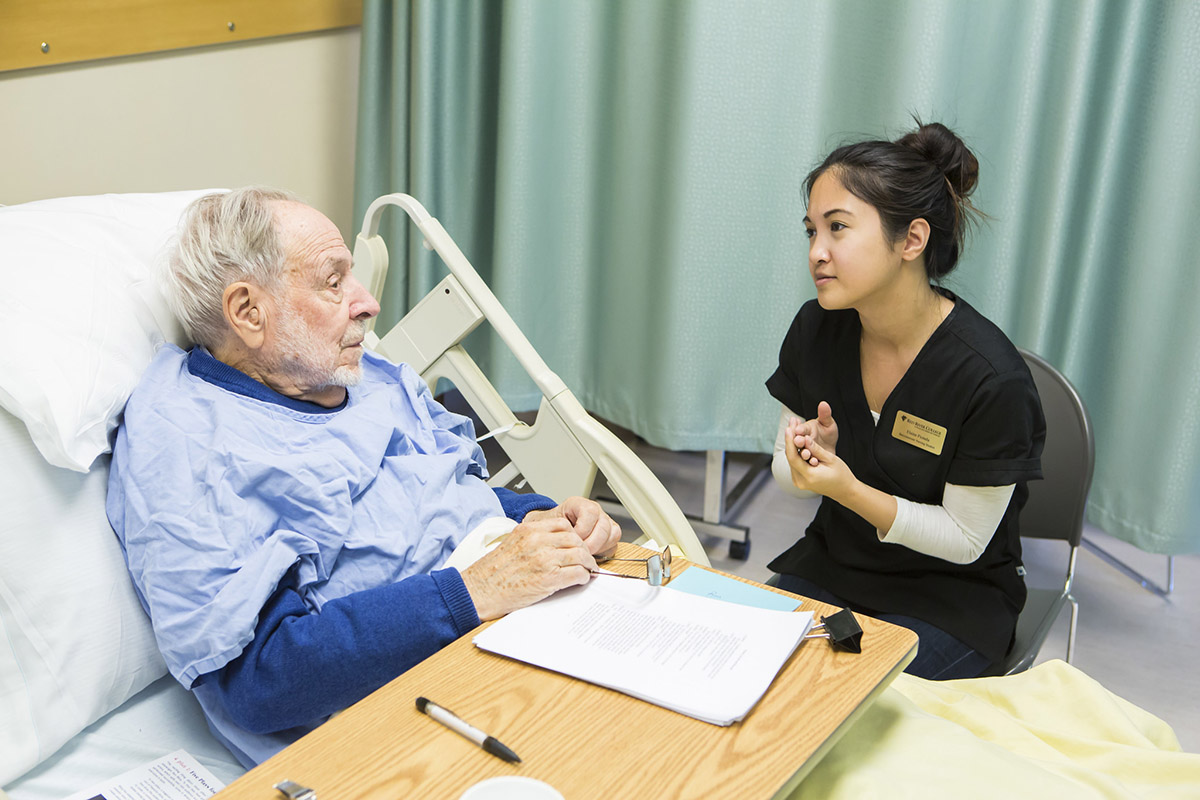
The essential personal and professional qualities of a healthcare worker include a combination of professional appearance, specific personality traits such as empathy and dependability, effective communication skills, and the ability to function within a team. These attributes ensure patient safety, foster trust between providers and clients, and maintain the high ethical standards required in clinical environments.
The Significance of Professionalism in 2026 Healthcare
In the clinical landscape of 2026, the technical proficiency of a healthcare provider is only one half of the equation for successful patient outcomes. As medical technology and artificial intelligence become more integrated into daily workflows, the "human element"—defined by personal and professional qualities—has become the primary differentiator in quality care. Chapter 4 of health science curricula focuses on these foundational behaviors because they dictate how a professional interacts with patients, families, and colleagues.
Professionalism is not a single act but a collection of habits. It encompasses how a person dresses, speaks, listens, and reacts under pressure. For a healthcare worker, these qualities are not optional; they are as vital as knowing how to take a blood pressure reading or administer medication. When a provider lacks these traits, patient trust erodes, which can lead to poor compliance with treatment plans and increased risk of medical errors.
Personal Appearance and the Standard of Care
The first impression a healthcare worker makes is almost always visual. In a high-stakes environment, patients look for cues that signal competence and cleanliness. Following established dress codes and hygiene standards is a fundamental professional requirement.
Uniforms and Clothing
Most healthcare facilities require specific uniforms, such as scrubs or lab coats. In 2026, many institutions use color-coded scrubs to help patients quickly identify different departments (e.g., navy for nursing, teal for respiratory therapy). Beyond the color, the clothing must be clean, neat, and well-fitting. Wrinkled or soiled uniforms suggest a lack of attention to detail that patients may subconsciously associate with the quality of medical care they are about to receive.
Personal Hygiene and Grooming
Because healthcare workers are in close physical proximity to patients, personal hygiene is critical. This includes daily bathing, the use of deodorant, and good oral hygiene. It is equally important to avoid strong perfumes, colognes, or scented lotions. Many patients have sensitivities to odors, and in some cases, strong scents can trigger allergic reactions or respiratory distress in compromised individuals.
Hair should be kept clean and styled neatly. In clinical settings, long hair must be pulled back and kept off the collar to prevent it from touching the patient, falling into sterile fields, or interfering with equipment. Similarly, nails should be kept short and clean. Most facilities prohibit long artificial nails or gel polish because they can harbor pathogens and may puncture medical gloves.
Jewelry and Accessories
Jewelry is generally kept to a minimum for safety and sanitation reasons. A wedding band and small stud earrings are typically the only items permitted. Piercings in visible areas other than the ears are often restricted depending on the facility's policy. The rationale is two-fold: jewelry can provide a place for bacteria to hide, and it can pose a physical danger if a confused or combative patient pulls on it.
Essential Personal Characteristics for Health Science
Beyond the external appearance, the internal character of the healthcare worker defines their success. While some people are naturally more patient or empathetic, these qualities can be developed and refined through conscious practice.
Empathy and Honesty
Empathy is the ability to understand and share the feelings of another person without necessarily feeling sorry for them. It differs from sympathy in that it focuses on understanding the patient’s perspective to provide better care. In 2026, with the increasing diversity of patient populations, empathy requires a high level of cultural humility and active effort to see the world through the patient’s lens.
Honesty and integrity are the cornerstones of medical ethics. Healthcare workers must be truthful in their documentation and communication. If a mistake occurs, such as a medication error, the professional must report it immediately. This transparency is vital for patient safety and maintains the integrity of the healthcare team.
Dependability and Willingness to Learn
Patients and colleagues rely on healthcare workers to be present and prepared. Dependability means arriving on time, completing assigned tasks accurately, and maintaining a consistent level of performance. Frequent absences or tardiness disrupt the entire unit's workflow and can compromise patient safety.
The medical field is constantly evolving. A willingness to learn is essential because procedures, medications, and technologies change rapidly. Healthcare workers must participate in continuing education and be open to adapting their methods as new evidence-based practices emerge.
Patience and Acceptance of Criticism
Healthcare is often stressful, and patients may be irritable, frightened, or demanding. Patience allows the worker to remain calm and professional even in challenging situations. Furthermore, the ability to accept criticism is a vital part of professional growth. In a clinical setting, feedback from supervisors or peers is not a personal attack but a necessary tool for ensuring the highest standards of care.
Responsibility and Discretion
Responsibility involves being held accountable for one’s actions. It means doing what is required and standing behind the results. Closely tied to this is discretion. Healthcare workers have access to sensitive, private information. They must adhere to confidentiality laws, such as HIPAA, and ensure that patient information is only shared with authorized members of the healthcare team.
| Quality | Description | Impact on Patient Care |
|---|---|---|
| Tact | The ability to say or do the kindest or most fitting thing in a difficult situation. | Reduces patient anxiety and prevents unnecessary conflict. |
| Competence | Being qualified and capable of performing a task while following instructions. | Ensures procedures are performed safely and effectively. |
| Self-motivation | The ability to begin or follow through with a task without constant direction. | Increases efficiency and allows the team to function smoothly. |
| Enthusiasm | Displaying a positive attitude and enjoying one's work. | Encourages patients and diminishes the effects of a stressful environment. |
| Team Player | Working well with others to achieve a common goal. | Improves communication and reduces the likelihood of medical errors. |
Communication in the Healthcare Setting
Communication is the process of exchanging information, ideas, and feelings. In healthcare, effective communication can be the difference between a successful recovery and a tragic complication. It involves a sender, a message, a receiver, and feedback.
Verbal and Non-verbal Communication
Verbal communication includes both spoken and written words. It is important to use language the patient can understand, avoiding overly technical medical jargon. Non-verbal communication, such as facial expressions, body language, and touch, often conveys more than words. For example, a healthcare worker who says they are listening but keeps looking at their watch is sending a non-verbal message of impatience.
Barriers to Communication
Effective communication is often hindered by various barriers that the healthcare worker must identify and overcome:
- Physical Disabilities: Deafness or hearing loss, blindness or impaired vision, and speech impairments (aphasia).
- Psychological Barriers: Prejudice, attitudes, and personality clashes. Professionals must set aside personal biases to provide equitable care.
- Cultural Diversity: Differences in beliefs regarding health, illness, and personal space. Understanding that some cultures view direct eye contact as disrespectful, for instance, is crucial for building rapport.
Active Listening
Listening is the most undervalued skill in healthcare. Active listening involves paying full attention to the speaker, observing their non-verbal cues, and providing feedback to ensure the message was received correctly. This practice makes patients feel heard and valued, which is essential for accurate diagnosis and treatment.
Teamwork and Leadership Roles
No healthcare professional works in a vacuum. Whether in a hospital, clinic, or home health setting, care is delivered by an interdisciplinary team.
Developing Good Interpersonal Relationships
A functional team requires members to respect one another’s roles. This involves the "Golden Rule"—treating others as you would want to be treated. It also requires open communication and the ability to resolve conflicts privately and professionally. When team members support each other, the quality of patient care inevitably rises.
Leadership Styles
Leadership in healthcare isn't just for administrators; every worker may need to lead in specific situations. There are three primary leadership styles taught in health science:
- Democratic Leader: Encourages the participation of all individuals in decisions. This style listens to the opinions of others and bases decisions on what is best for the group.
- Laissez-faire Leader: An informal type of leader who strives for minimal interference with the thoughts and feelings of others. This works best with highly independent, motivated individuals.
- Autocratic Leader: Often called a "dictator," this leader maintains total rule and makes all decisions. While often viewed negatively, this style is sometimes necessary in emergency "Code Blue" situations where immediate, clear direction is required.
Stress and Time Management
The demanding nature of healthcare in 2026 requires robust strategies for maintaining personal well-being. Burnout is a significant risk for those who do not manage their stress and time effectively.
Stress Management
Stress is the body's reaction to any stimulus that requires a person to adjust to a changing environment. While some stress is motivating, chronic stress leads to physical and mental exhaustion. Healthcare workers must identify their "stressors" and employ healthy coping mechanisms, such as deep breathing exercises, regular physical activity, and maintaining a balanced diet.
Time Management
Effective time management reduces stress and increases productivity. It involves a systemic approach to completing tasks:
- Analyze and Prioritize: Determine what needs to be done and which tasks are most urgent.
- Identify Habits: Recognize "time-wasters" and replace them with productive behaviors.
- Schedule Tasks: Use tools like digital planners or "to-do" lists to organize the day.
- Maintain Focus: Complete one task before moving to the next to avoid the inefficiencies of multitasking.
Professional Development and Continuing Competence
As we navigate through 2026, the definition of a "qualified" healthcare worker includes a commitment to lifelong learning. Professionalism dictates that a worker should never perform a task they are not trained or legally permitted to do. Maintaining competence involves staying current with the latest clinical guidelines and technological advancements. This dedication to excellence is what separates a healthcare professional from a casual employee.
By mastering the personal and professional qualities outlined in Chapter 4, healthcare workers create an environment of safety, respect, and high-quality care. These traits form the bedrock of the healthcare system, ensuring that as technology advances, the human component of healing remains steadfast.
Frequently Asked Questions
What is the difference between empathy and sympathy in healthcare? Empathy involves understanding and identifying with another person's feelings from their perspective, which helps in providing tailored care. Sympathy is feeling pity or sorrow for someone else's misfortune. In a clinical setting, empathy is preferred because it allows the provider to remain objective while still being supportive and understanding.
Why are healthcare workers prohibited from wearing artificial nails? Artificial nails and even chipped nail polish are known to harbor high levels of bacteria and fungi that regular handwashing cannot remove. They also pose a risk of puncturing surgical gloves. To protect immunocompromised patients from healthcare-associated infections (HAIs), short, natural nails are the industry standard.
How should a healthcare worker handle a patient with a language barrier? When a language barrier exists, the healthcare worker should seek a professional medical interpreter rather than relying on family members or non-medical staff. It is important to speak slowly, use simple words, and use non-verbal cues or pictures to assist communication. Always verify understanding by asking the patient to demonstrate the information back to you.
What is the first step in managing stress in a high-pressure medical job? The first step is identifying the specific stressors—the things that cause the stress response. Once the stressors are identified, the worker can apply a 4-step plan: Stop (break the stress response), Breathe (relax physical tension), Reflect (evaluate the situation), and Choose (determine how to react positively).
What are the three main types of communication barriers? The three main categories are physical barriers (such as hearing or vision loss), psychological barriers (such as prejudice or fear), and cultural barriers (including language differences and varying beliefs about healthcare practices).
Practical Recommendation: For students and new professionals, perform a daily "self-audit" of these qualities. Before your shift, check your professional appearance in a mirror. During your shift, consciously practice active listening with at least three patients. After your shift, reflect on one instance where you could have shown more tact or patience. Consistent self-reflection is the fastest way to turn these principles into permanent professional habits.