Searching for the single best skin care cream is an ambitious undertaking because skin biology, environmental stressors, and personal tolerance vary widely from person to person. Rather than a universal miracle product, the optimal topical treatment depends entirely on active ingredients, barrier support, and specific dermatological needs.
The pursuit of an ideal daily moisturizer or treatment cream often leads consumers through an overwhelming landscape of marketing claims, complex chemical nomenclature, and varying price points. Navigating this market successfully requires a foundational understanding of skin physiology, how active ingredients interact with the epidermal barrier, and how to evaluate formulations objectively based on clinical evidence rather than brand reputation.
Understanding Skin Biology and Moisturizer Mechanics
Before evaluating any specific product, it is essential to understand the primary functions of human skin and how topical creams interact with it. The outermost layer of the skin, the stratum corneum, acts as a critical protective shield. Composed of corneocytes (dead skin cells) embedded in a lipid matrix of ceramides, cholesterol, and free fatty acids, this barrier prevents excessive transepidermal water loss (TEWL) and blocks external irritants, pathogens, and allergens from penetrating deeper tissues.
When this lipid matrix becomes compromised due to harsh weather, over-exfoliation, aging, or genetic predispositions, the skin becomes dry, flaky, irritated, and prone to inflammation. Topical skin care creams function primarily by addressing this barrier disruption through three distinct mechanisms:
- Humectants: Ingredients such as glycerin, hyaluronic acid, urea, and alpha-hydroxy acids draw water from the dermis and the surrounding atmosphere into the stratum corneum, temporarily plumping the skin and increasing hydration levels.
- Emollients: Lipids, plant oils, and synthetic esters—including squalane, caprylic/capric triglyceride, and jojoba oil—fill in the microscopic spaces between skin cells, smoothing rough texture and softening the skin surface.
- Occlusives: Heavy agents like petrolatum, dimethicone, beeswax, and shea butter form a physical, hydrophobic seal over the skin surface, significantly reducing TEWL and locking in moisture for extended periods.
The most effective daily creams balance these three categories according to the user's specific skin type. A product rich in occlusives might heal extremely dry skin but trigger breakouts on acne-prone skin, while a lightweight gel-cream containing primarily humectants might provide insufficient protection for mature or chronically dry complexions.
Key Categories of Dermatological Creams
Skin care creams generally fall into distinct functional categories based on their primary formulation goals. Identifying which category addresses a specific concern is the first step toward finding an appropriate daily product.
Barrier Repair and Daily Hydration Creams
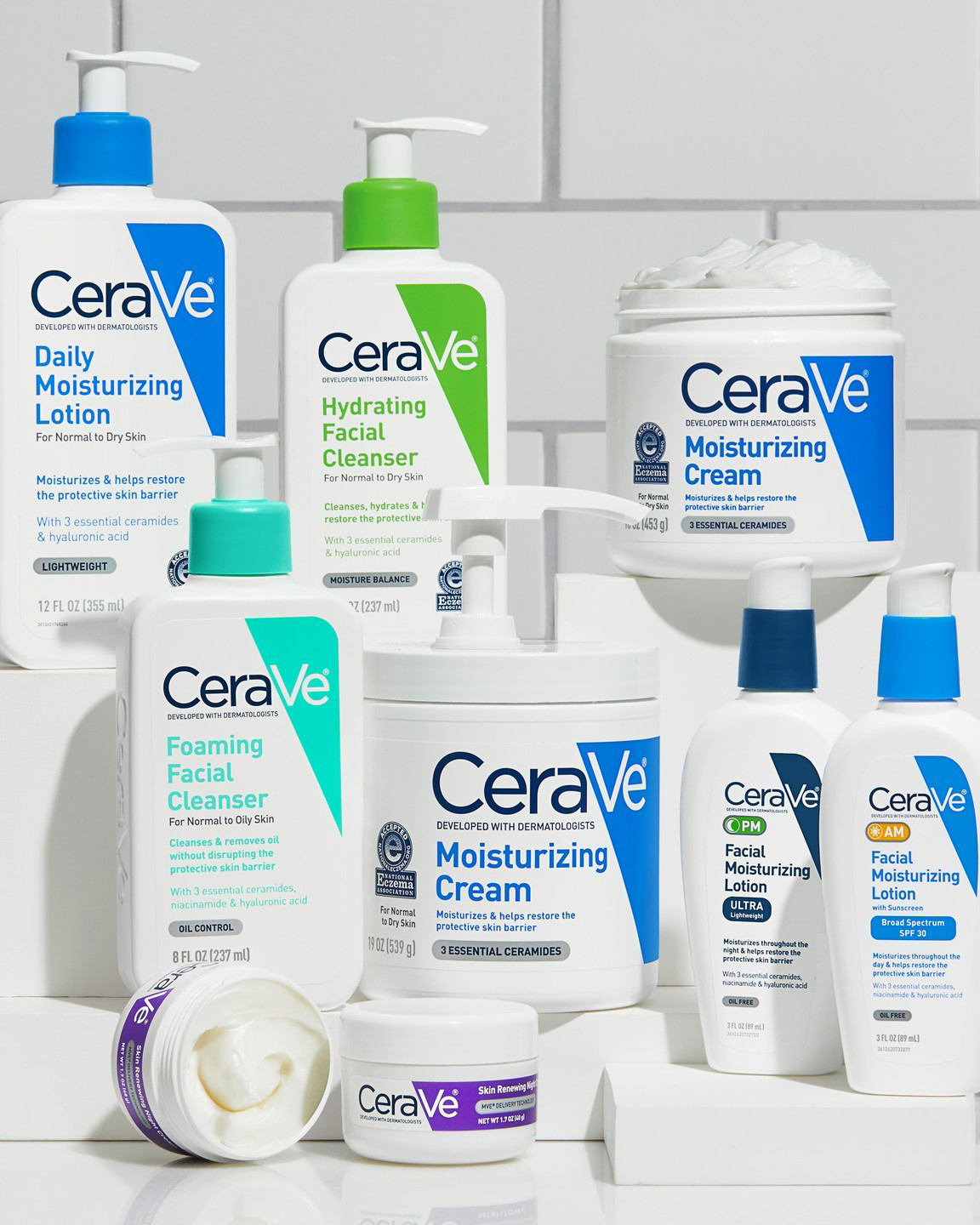
These formulations prioritize restoring the lipid balance of the stratum corneum. They typically feature high concentrations of skin-identical lipids, such as ceramides 1, 3, and 6-II, combined with soothing agents like niacinamide and panthenol. They are fragrance-free, hypoallergenic, and formulated to minimize irritation, making them suitable for sensitive, reactive, or compromised skin.
Anti-Aging and Cellular Turnover Creams
Focused on mitigating the visible signs of chronological and environmental aging, these creams incorporate active compounds designed to stimulate collagen synthesis and accelerate cellular renewal. Retinoids (including retinol, retinaldehyde, and prescription tretinoin), peptides, and antioxidants like vitamin C and ferulic acid dominate this category. Because these actives can cause initial irritation, they are often suspended in rich emollient bases to buffer potential dryness.
Brightening and Pigment-Correcting Creams
Designed to address hyperpigmentation, melasma, and post-inflammatory marks, these treatments utilize ingredients that inhibit tyrosinase—the enzyme responsible for melanin production. Common active ingredients include tranexamic acid, kojic acid, alpha-arbutin, and vitamin C. They require consistent use alongside daily broad-spectrum ultraviolet (UV) protection to prevent darkening of existing spots.
Comparing Formulation Types and Active Profiles
| Cream Category | Primary Active Ingredients | Ideal Skin Type | Key Benefit | Potential Drawback |
|---|---|---|---|---|
| Barrier Repair | Ceramides, Cholesterol, Glycerin | Dry, Sensitive, Compromised | Restores lipid matrix, reduces TEWL | Can feel heavy or greasy on oily skin |
| Anti-Aging | Retinol, Peptides, Hyaluronic Acid | Mature, Normal, Combination | Stimulates collagen, smooths fine lines | Potential for peeling, redness, or purging |
| Hydrating Gel-Cream | Hyaluronic Acid, Aloe Vera, Squalane | Oily, Acne-Prone, Dehydrated | Lightweight hydration without heavy oils | May lack sufficient occlusive properties for winter |
| Brightening | Vitamin C, Tranexamic Acid, Niacinamide | Dull, Hyper-pigmented, Uneven | Evens skin tone, fades dark spots | Can oxidize quickly if exposed to air/light |
Evaluating Ingredients: What to Look For and Avoid
Modern dermatological science emphasizes formulation synergy over single miracle ingredients. When examining a product ingredient list—known officially as the International Nomenclature of Cosmetic Ingredients (INCI)—compounds are listed in descending order by concentration. Active ingredients appearing near the end of a long list are often present in amounts too low to deliver measurable clinical benefits.
Beneficial Ingredients Supported by Clinical Research
- Niacinamide (Vitamin B3): A versatile multitasker that strengthens ceramide synthesis, regulates sebum production, calms inflammation, and fades hyperpigmentation.
- Hyaluronic Acid (Sodium Hyaluronate): A powerful humectant capable of holding up to 1,000 times its molecular weight in water. Low-molecular-weight variants penetrate deeper, while high-molecular-weight variants form a hydrating surface film.
- Ceramides: Essential lipid molecules that make up approximately 50% of the skin's intercellular matrix. Topical application helps rebuild damaged protective barriers.
- Peptides: Short chains of amino acids that act as cellular messengers, signaling fibroblasts to produce new collagen and elastin fibers.
Ingredients and Factors to Approach with Caution
- Synthetic Fragrances and Essential Oils: Frequently cited by dermatologists as leading causes of allergic contact dermatitis and skin sensitization. Even natural essential oils like lavender or citrus extracts can provoke adverse reactions in sensitive individuals.
- Denatured Alcohol (Alcohol Denat.): While sometimes used to make heavy creams dry down quickly, high concentrations can strip natural lipids and disrupt the skin barrier over time.
- Comedogenic Oils: Heavy botanical butters and certain heavy synthetic esters can clog pores in acne-prone individuals, leading to comedones and inflammatory breakouts.
Establishing an Effective Skin Care Regimen
Even the most advanced skin care cream will underperform if applied incorrectly or incorporated into a disorganized routine. Maximizing the efficacy of a topical treatment requires proper sequencing, timing, and preparation of the skin surface.
Step-by-Step Application Protocol
- Gentle Cleansing: Begin with a pH-balanced, non-stripping cleanser that removes dirt, excess sebum, and pollutants without disrupting the acid mantle.
- Damp Skin Application: For hydrating and humectant-rich creams, apply the product to slightly damp skin. This traps surface water molecules, allowing humectants to draw them directly into the stratum corneum.
- Layering Thin-to-Thick: Apply products in order of molecular weight and viscosity. Water-based serums and essences come first, followed by treatment creams, and finishing with heavier occlusive moisturizers or facial oils.
- Morning UV Protection: During daytime routines, always follow the application of treatment creams with a broad-spectrum sunscreen of SPF 30 or higher. Many active ingredients (especially retinoids and acids) increase photosensitivity.
Note: Individuals with chronic dermatological conditions such as severe eczema, cystic acne, rosacea, or contact dermatitis should consult a board-certified dermatologist before introducing active-heavy creams into their daily regimen.
Frequently Asked Questions
Is a more expensive skin care cream always more effective?
Price does not correlate directly with clinical efficacy. Many expensive formulations invest heavily in proprietary fragrances, luxury packaging, and marketing campaigns rather than high concentrations of active ingredients. Conversely, many affordable, dermatologist-recommended brands utilize clinically proven, stable formulations backed by rigorous scientific testing.
Can I use the same cream for both morning and night?
While many versatile moisturizers work well around the clock, day and night routines often serve different biological goals. Daytime creams should prioritize lightweight hydration and pair seamlessly with sunscreen, whereas nighttime formulations can utilize heavier occlusives, repairing lipids, and cell-turnover actives like retinoids that degrade when exposed to sunlight.
How long does it take to see results from a new skin care cream?
Skin cell turnover operates on an approximate 28-day cycle, though this slows down with age. Basic hydration benefits appear almost immediately, but improvements in texture, fine lines, firmness, and hyperpigmentation typically require a minimum of six to twelve weeks of consistent, daily application.
Should I store my skin care creams in the refrigerator?
Most stable cosmetic formulations are engineered to withstand standard room temperatures. However, certain delicate active ingredients—such as pure L-ascorbic acid (vitamin C) and unstable retinol variants—can degrade faster when exposed to heat and light. Refrigeration can extend the shelf life of these specific items and provide a soothing, de-puffing sensation upon application.
What should I do if a cream causes my skin to sting?
Initial mild tingling can occur with active treatments containing acids or retinoids, but persistent stinging, burning, redness, or flaking indicates skin barrier disruption. Discontinue use immediately, simplify your routine to a gentle cleanser and a basic barrier-repair cream, and reintroduce actives slowly once the skin has fully recovered.
Conclusion and Next Actions
The search for the ideal skin care cream ultimately resolves into a process of self-assessment and ingredient matching. By prioritizing formulations that support the lipid barrier, avoiding known irritants like synthetic fragrances, and aligning active ingredients with specific dermatological goals, consumers can build a resilient, healthy complexion. Begin by auditing your current routine, identifying your primary skin type and concerns, and selecting a targeted, well-formulated cream that supports long-term skin health.