For eco-conscious consumers seeking a smart wearable, finding a health ring that balances precision biometric tracking with sustainable manufacturing, ethical supply chains, and minimal electronic waste is challenging. The current market features devices with varying degrees of repairability, recyclable materials, and energy-efficient production processes.
Smart rings have rapidly evolved from niche novelties into mainstream wellness accessories. Unlike bulky smartwatches that often end up in landfills within a few years due to battery degradation or cracked screens, form-factor-focused smart rings are designed for longevity and minimal physical intrusion. However, the intersection of advanced electronics and environmental sustainability presents unique trade-offs. This guide examines how to identify the best health ring for eco-conscious users by evaluating material sourcing, corporate social responsibility, hardware durability, and end-of-life recycling programs.
Understanding the Environmental Footprint of Wearable Tech
The life cycle of any consumer electronics device, including a health ring, carries a measurable ecological footprint. Understanding these impacts helps eco-conscious buyers look past marketing buzzwords and evaluate product lifecycles objectively.
Resource Extraction and Raw Materials
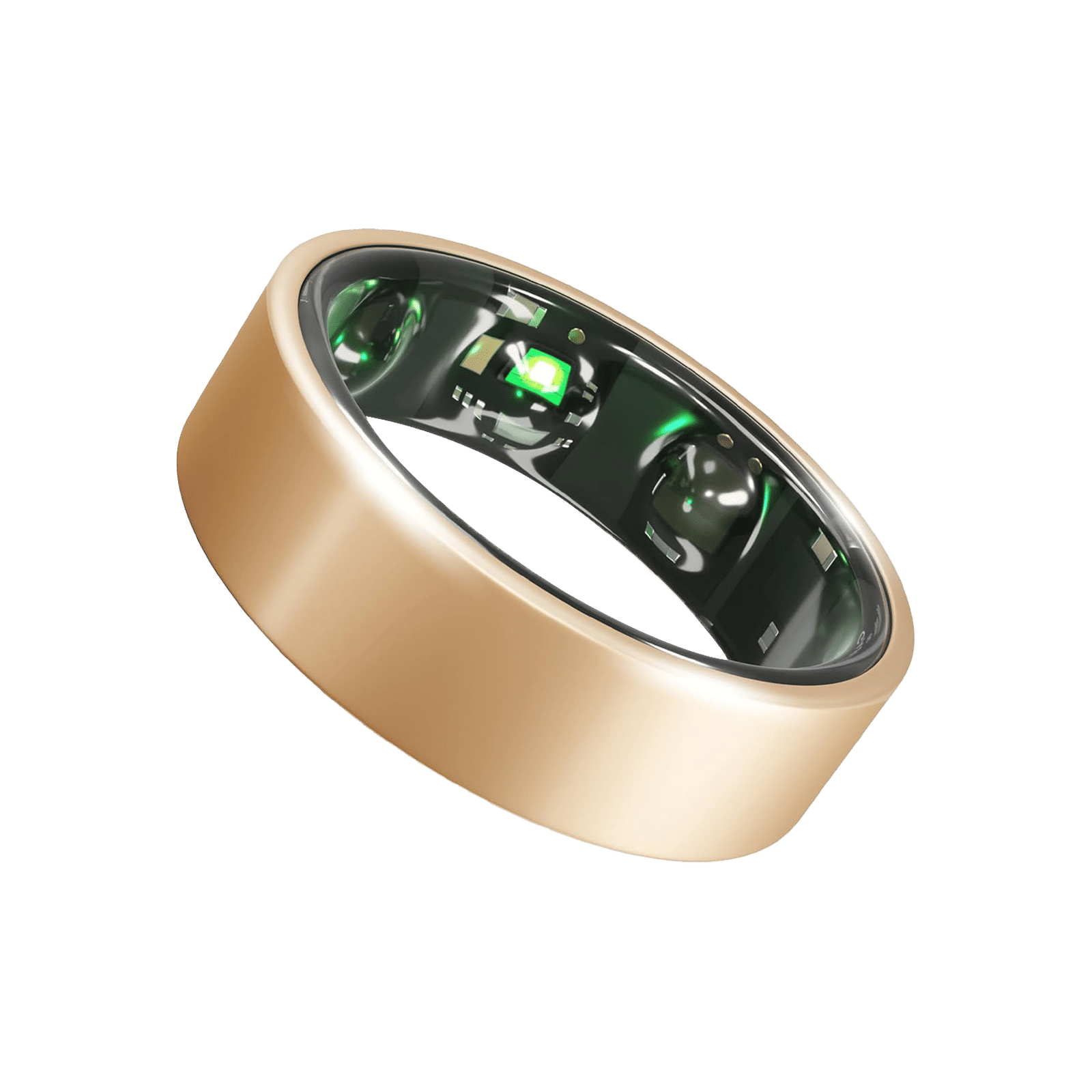
Smart rings rely on a combination of metals, polymers, and semiconductors. The primary components typically include:
- Titanium or Surgical Steel: Used for the outer shell to ensure durability and scratch resistance. While titanium is abundant and strong, its extraction and refining processes are energy-intensive.
- Lithium-Ion Batteries: Essential for powering the internal sensors and Bluetooth radios. Lithium, cobalt, and nickel mining carry significant ecological and social costs, particularly in developing regions.
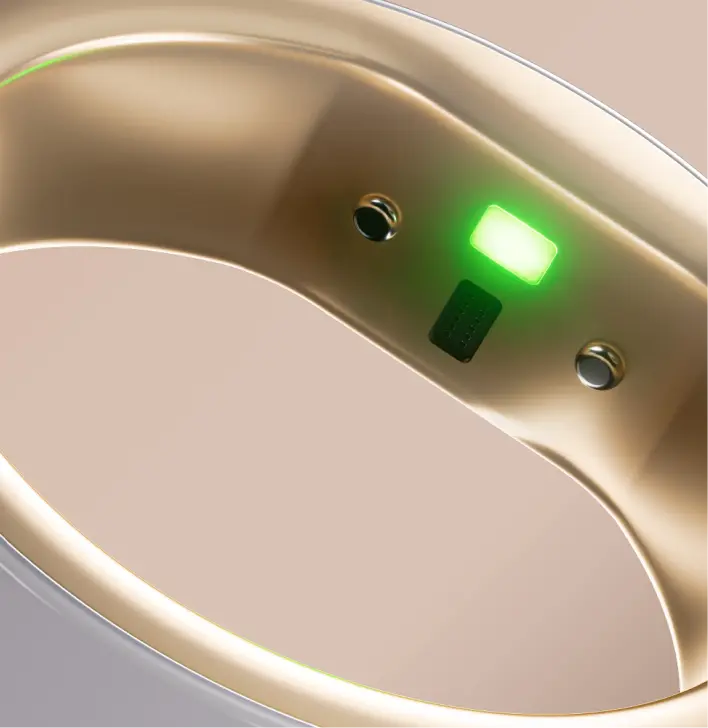
- Epoxy Resins and Non-Conductive Compounds: Used to seal the internal circuitry and protect sensitive biometric sensors from moisture and sweat.
Manufacturing and Supply Chain Transparency
True sustainability extends beyond the materials used in the final product. Eco-conscious users must consider where and how the device is manufactured. Factories powered by renewable energy, facilities that adhere to strict labor standards, and brands that publish comprehensive supply chain transparency reports represent more sustainable choices. Unfortunately, many consumer electronics brands obscure their tier-one and tier-two suppliers behind proprietary supply chains.
Key Criteria for Eco-Conscious Smart Ring Selection
When evaluating smart rings through an environmental lens, buyers should look at several core pillars. These criteria help filter out greenwashed products and highlight brands genuinely committed to reducing their ecological impact.
1. Hardware Longevity and Repairability
The single most effective way to reduce the environmental impact of electronic devices is to extend their lifespan. If a health ring fails after two years because its battery degrades and cannot be replaced, it creates unnecessary electronic waste. Brands that design their hardware for durability—offering robust water resistance, scratch-resistant coatings, and reliable firmware updates—contribute less to the global e-waste crisis.
2. Packaging and Shipping Ethics
Sustainable hardware goes hand-in-hand with sustainable logistics. Look for companies that eliminate single-use plastics from their unboxing experience, utilize biodegradable or recycled paper packaging, and partner with shipping providers that invest in carbon-neutral delivery fleets or offset programs.
3. End-of-Life Management and Recycling Programs
Electronics should never be discarded in standard household waste. Brands that offer structured trade-in programs, battery recycling partnerships, or take-back initiatives demonstrate accountability for the entire lifecycle of their hardware.
Comparing Leading Health Ring Options for Sustainable Users
While no mainstream consumer electronics manufacturer produces a 100% sustainably sourced or zero-emission smart ring, several market options incorporate eco-friendly practices into their design and corporate governance.
| Brand/Model | Primary Material | Battery Longevity | Repair/Recycle Initiatives | Packaging Sustainability |
|---|---|---|---|---|
| Oura Ring (Generation 3 / Horizon) | Titanium | Up to 7 days | Trade-in programs available; restricted battery replacement | Certified Forest Stewardship Council (FSC) paper packaging |
| Ultrahuman Ring AIR | Fighter-grade Titanium | Up to 6 days | Firmware longevity focus; limited physical recycling infrastructure | Minimalist, plastic-free packaging |
| Circular Ring Slim | Medical-grade Titanium & Resin | Up to 5 days | Modular design concepts; ongoing take-back program rollouts | Recycled cardboard packaging |
Oura Ring
As one of the pioneers in the smart ring market, Oura emphasizes durability and longevity. Its outer shell is crafted from lightweight titanium, which offers exceptional resistance to daily wear and tear. Oura has made strides in sustainable packaging by utilizing FSC-certified materials and eliminating plastic trays. However, like most sealed micro-electronics, the internal lithium-ion battery is difficult to replace without destroying the housing, meaning the device must eventually be sent through electronic recycling channels rather than repaired.
Ultrahuman Ring AIR
The Ultrahuman Ring AIR focuses heavily on ergonomic comfort and power efficiency. By optimizing its internal sensors and Bluetooth Low Energy (BLE) protocols, the ring maximizes battery efficiency, which theoretically reduces the total charge cycles required over its lifetime. The company has adopted minimalist, plastic-free packaging and works to minimize its carbon footprint through supply chain efficiencies, though comprehensive lifecycle analysis data remains proprietary.
Circular Ring Slim
Circular takes a slightly different approach by focusing on software-driven longevity and lightweight construction. The combination of medical-grade titanium and hypoallergenic resin minimizes material waste. While the device shares the inherent battery sealing challenges common to all miniature wearables, the company encourages users to participate in electronics stewardship programs at the end of the product lifecycle.
Practical Strategies to Minimize Wearable Tech Waste
Choosing the right hardware is only the first step. Eco-conscious users can adopt specific habits to maximize the lifespan of their health ring and minimize their personal technological footprint.
- Proper Charging Habits: Lithium-ion batteries degrade faster when kept at 100% charge or depleted to 0% continuously. Maintaining battery levels between 20% and 80% can significantly extend the operational lifespan of a smart ring, delaying the need for a replacement.
- Avoid Unnecessary Upgrades: The greenest gadget is the one that already exists. Resist the urge to upgrade to a new ring generation every year unless your current device no longer holds a charge or fails to meet your essential health-tracking needs.
- Utilize E-Waste Recycling Centers: When your health ring finally reaches the end of its functional life, do not throw it in the trash. Take it to a certified electronic waste recycling facility that can safely extract heavy metals and precious components.
Common Pitfalls When Shopping for Sustainable Electronics
Navigating the market for eco-friendly technology requires vigilance against misleading marketing claims.
Falling for Vague "Green" Buzzwords
Terms like "eco-friendly," "green tech," or "natural" are frequently used without regulatory definitions in the consumer electronics sector. Always look for verifiable evidence, such as FSC certification for packaging, third-party audits, or transparent corporate social responsibility (CSR) reports.
Overlooking Software Support
Hardware durability is meaningless if the manufacturer abandons software updates after a year. A health ring relies heavily on companion mobile applications to interpret sensor data. Ensure the brand you choose has a proven track record of maintaining and updating its app for iOS and Android platforms over multiple years.
Frequently Asked Questions
Can the battery in a smart ring be replaced when it dies?
In most current smart ring models, the battery cannot be replaced. Because these devices must be waterproof and structurally sound to withstand daily hand movements, the internal components are completely sealed in resin and titanium. When the battery eventually fails to hold a charge, the entire unit must be recycled.
Are smart rings more environmentally sustainable than smartwatches?
Generally, smart rings consume fewer raw materials during manufacturing due to their significantly smaller physical footprint compared to smartwatches. They also lack power-hungry components like high-resolution color touchscreens. However, their lifespan is similarly constrained by battery degradation, making proper end-of-life recycling crucial for both product categories.
Do smart ring manufacturers use conflict-free minerals?
Leading manufacturers strive to source minerals like lithium, cobalt, and gold from audited, conflict-free supply chains. Consumers should review the conflict minerals policy published on a brand's corporate website to verify their commitment to ethical sourcing.
How should I dispose of an old, non-functional health ring?
An old smart ring should be taken to a specialized electronic waste (e-waste) recycling center or mailed back to the manufacturer if they offer a take-back program. Never dispose of lithium-ion batteries in household garbage, as they pose fire hazards and leach toxic materials into landfills.
Does continuous health tracking drain resources faster?
Continuous biometric monitoring requires more frequent battery charging cycles. While this does not measurably increase household electricity consumption, more frequent charging cycles can accelerate the chemical degradation of the internal lithium-ion battery over several years.
Conclusion
Finding the best health ring for eco-conscious users requires balancing advanced wellness tracking with realistic expectations regarding electronic sustainability. While no current health ring is completely zero-waste or infinitely repairable, opting for durable titanium builds, brands with transparent supply chains, and companies that prioritize energy efficiency can significantly reduce your environmental impact. By maintaining your device carefully and recycling it responsibly at the end of its lifecycle, you can successfully integrate personal health monitoring with ecological stewardship.