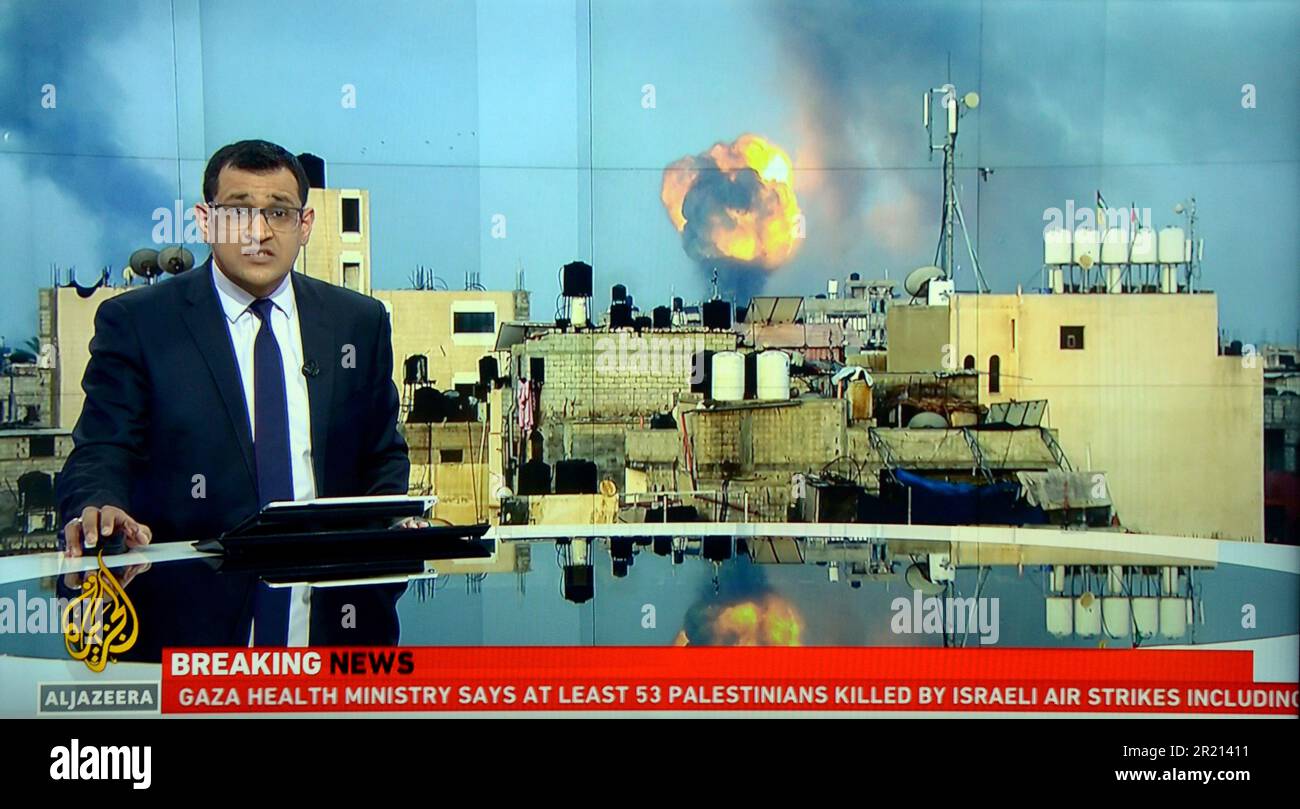
Al Jazeera occupies a distinct position within the global media ecosystem, operating as an international broadcaster funded in part by the Qatari state while maintaining journalistic independence in various coverage areas. Its presence reshapes traditional Western-dominated news flows by offering alternative perspectives on international politics, Middle Eastern affairs, and global south developments, influencing how international audiences consume current events.
Introduction to Al Jazeera and Its Global Presence
Founded in 1996 with a grant from the Qatari Emir, Sheikh Hamad bin Khalifa Al Thani, Al Jazeera revolutionized Arabic-language broadcasting by introducing unscripted debate, diverse viewpoints, and direct reporting from regions previously overlooked by state-controlled regional media. Over the subsequent decades, the network expanded far beyond its original Arabic news channel. It established a multi-platform international footprint that includes dedicated English-language television, digital-first ventures, investigative units, and specialized documentary platforms.
Within the contemporary media landscape, the network functions as both a primary news source for millions and a subject of geopolitical debate. Its coverage often challenges editorial agendas set by traditional Western networks like the BBC or CNN, introducing alternative narratives, particularly regarding conflicts in the Middle East, North Africa, and parts of Asia. However, this positioning also subjects the network to scrutiny regarding its funding structures, regulatory environments in various countries, and its editorial treatment of Qatari foreign policy. Understanding Al Jazeera requires analyzing its structural evolution, its technological adaptation, and its operational footprint across multiple linguistic and geographical markets.
Evolution of the Al Jazeera Media Network
The growth of Al Jazeera from a single regional broadcaster into a transnational media conglomerate reflects significant shifts in global communication technology and geopolitical strategy. The launch of the Arabic channel in 1996 coincided with the deregulation of satellite television across the Middle East, allowing viewers to bypass traditional state censorship. This innovation created a public sphere where sensitive political, social, and religious topics could be debated openly, albeit within parameters shaped by its operational context in Doha.
In 2006, the network launched Al Jazeera English (AJE), aiming to project a global south perspective to an international English-speaking audience. This expansion involved acquiring former broadcasting infrastructure, including the short-lived Current TV network in the United States, which later evolved into the digital-first channel AJ+. The network's portfolio now encompasses several distinct entities:
- Al Jazeera Arabic: The flagship news channel operating primarily in the Middle East and North Africa.
- Al Jazeera English: An international news and current affairs channel broadcasting globally.
- AJ+: A digital-first, social media-oriented platform targeting younger demographics across multiple languages.
- Al Jazeera Documentary Channel: A specialty channel focusing on independent and investigative regional and global documentaries.
- Al Jazeera Mubasher: A live-feed channel broadcasting political events, press conferences, and parliamentary sessions without editorial interruption.
Key Milestones in Al Jazeera's Development
| Year | Milestone | Significance in the Media Landscape |
|---|---|---|
| 1996 | Launch of Al Jazeera Arabic | Introduced uncensored debate and alternative reporting to the Arabic-speaking world. |
| 2001 | Post-9/11 Coverage | Gained global prominence as the primary broadcaster airing statements and footage from militant groups like al-Qaeda. |
| 2006 | Launch of Al Jazeera English | Expanded the network's mission to international audiences, competing directly with Western global news giants. |
| 2011 | Arab Spring Coverage | Positioned itself as a crucial chronicler of popular uprisings across the Middle East and North Africa. |
| 2013 | Acquisition of Current TV | Established a foothold in the United States cable market, later rebranded as Al Jazeera America (closed in 2016). |
| 2016 | Expansion of AJ+ Digital Platforms | Shifted strategic focus toward mobile-first, social-media-driven journalism targeting younger digital audiences. |
Comparative Analysis: Al Jazeera vs. Western Global Broadcasters
To understand Al Jazeera's role in the media landscape, it is necessary to compare its operational model, editorial focus, and global reach with established Western international broadcasters such as the BBC World Service, CNN International, and France 24. While these networks share a commitment to 24-hour news cycles and international bureaus, their funding mechanisms, editorial priorities, and institutional cultures differ significantly.
Western public broadcasters typically rely on public license fees, government grants with statutory independence frameworks, or commercial advertising. Al Jazeera is funded by the Qatari government through media allocations and subsidies. While network executives maintain that editorial independence is protected by internal charters, critics and media analysts point out that coverage of Qatari domestic politics and certain regional diplomatic positions often aligns with state interests.
Editorial Focus and Geographic Distribution
The primary distinction lies in geographic framing. Western networks have historically centered their international reporting around Western diplomatic, economic, and military interests. In contrast, Al Jazeera prioritizes stories from the Middle East, Africa, and the global south, allocating substantial reporting resources to regions that receive sparse coverage in Western newsrooms. During major international crises, such as the wars in Gaza, Syria, and Ukraine, Al Jazeera's on-the-ground presence often provides granular perspectives that complement or challenge Western agency feeds.
However, editorial differences also extend to terminology, framing of conflicts, and the selection of commentators. For example, the terminology used to describe political violence, resistance movements, and state actions varies markedly between Al Jazeera and its North American or European counterparts, reflecting differing national security perspectives and regional sensitivities.
Digital Transformation and Multi-Platform Strategy
As traditional cable and satellite television viewership declines globally, Al Jazeera has invested heavily in digital transformation. The network's digital strategy focuses on bypassing traditional distribution bottlenecks, particularly in regions where its television signals face government bans or restrictions.
Platforms like AJ+ utilize short-form video, explanatory graphics, and interactive storytelling distributed across YouTube, Instagram, TikTok, and X (formerly Twitter). This approach allows the network to reach demographics that do not consume traditional linear television. The digital unit operates with a distinct editorial voice optimized for platform-specific algorithms and user engagement patterns, while maintaining investigative depth through long-form digital documentaries and data journalism projects.
Furthermore, Al Jazeera's website operates in multiple languages, offering text-based reporting, live blogging, and investigative series. The network has also adopted modern content management systems and data analytics tools to track audience engagement, optimize distribution times, and tailor content delivery to regional preferences.
Geopolitical Challenges, Censorship, and Controversies
Operating an international news organization with state backing involves navigating complex geopolitical environments. Al Jazeera has frequently found itself at the center of diplomatic disputes, regulatory crackdowns, and censorship campaigns.
Governments in various Middle Eastern and North African countries have banned the network's bureaus, blocked its websites, or arrested its journalists, accusing the channel of inciting civil unrest, supporting opposition groups, or biased reporting. During regional political crises, such as the 2017 Gulf diplomatic crisis, the closure of Al Jazeera was explicitly demanded by blockading nations as a condition for restoring diplomatic relations.
Beyond the Middle East, the network has faced scrutiny in Western nations. Some political figures and advocacy groups have accused the network of promoting partisan agendas or maintaining sympathetic coverage toward Islamist political movements. In response, Al Jazeera defends its journalism by highlighting its rigorous fact-checking standards, its commitment to giving voice to marginalized populations, and the international journalism awards earned by its reporters and documentary filmmakers.
Regulatory Compliance and Distribution Methods
Accessing Al Jazeera channels varies by jurisdiction due to regulatory frameworks, licensing agreements, and telecommunications policies.
- Satellite Broadcasting: The network broadcasts free-to-air via multiple commercial satellites, making its signals accessible across the Middle East, North Africa, Europe, and parts of Asia and the Americas without requiring subscription fees.
- Cable and IPTV: In many countries, Al Jazeera English is carried by major cable and subscription television providers, subject to local broadcasting regulations and carriage negotiations.
- Streaming Applications: Official mobile apps, smart TV integrations, and digital platforms provide live streaming of Al Jazeera English and selected regional feeds, subject to regional geoblocking where local bans apply.
Viewers seeking to verify the authenticity of live feeds or official digital channels should rely on verified accounts and domain names associated directly with the Al Jazeera Media Network to avoid misleading or unauthorized mirrors.
Conclusion and Future Outlook
Al Jazeera remains a foundational pillar of the modern international media landscape. By bridging the gap between regional perspectives and global news consumption, it has challenged the historical monopoly of Western broadcasting agencies. As the industry continues to transition toward decentralized, digital-first consumption models, the network's ability to adapt its technological infrastructure while maintaining its core journalistic mission will determine its long-standing influence. Despite ongoing geopolitical controversies and regulatory hurdles, Al Jazeera's persistent on-the-ground reporting ensures its continued relevance in shaping international public discourse.