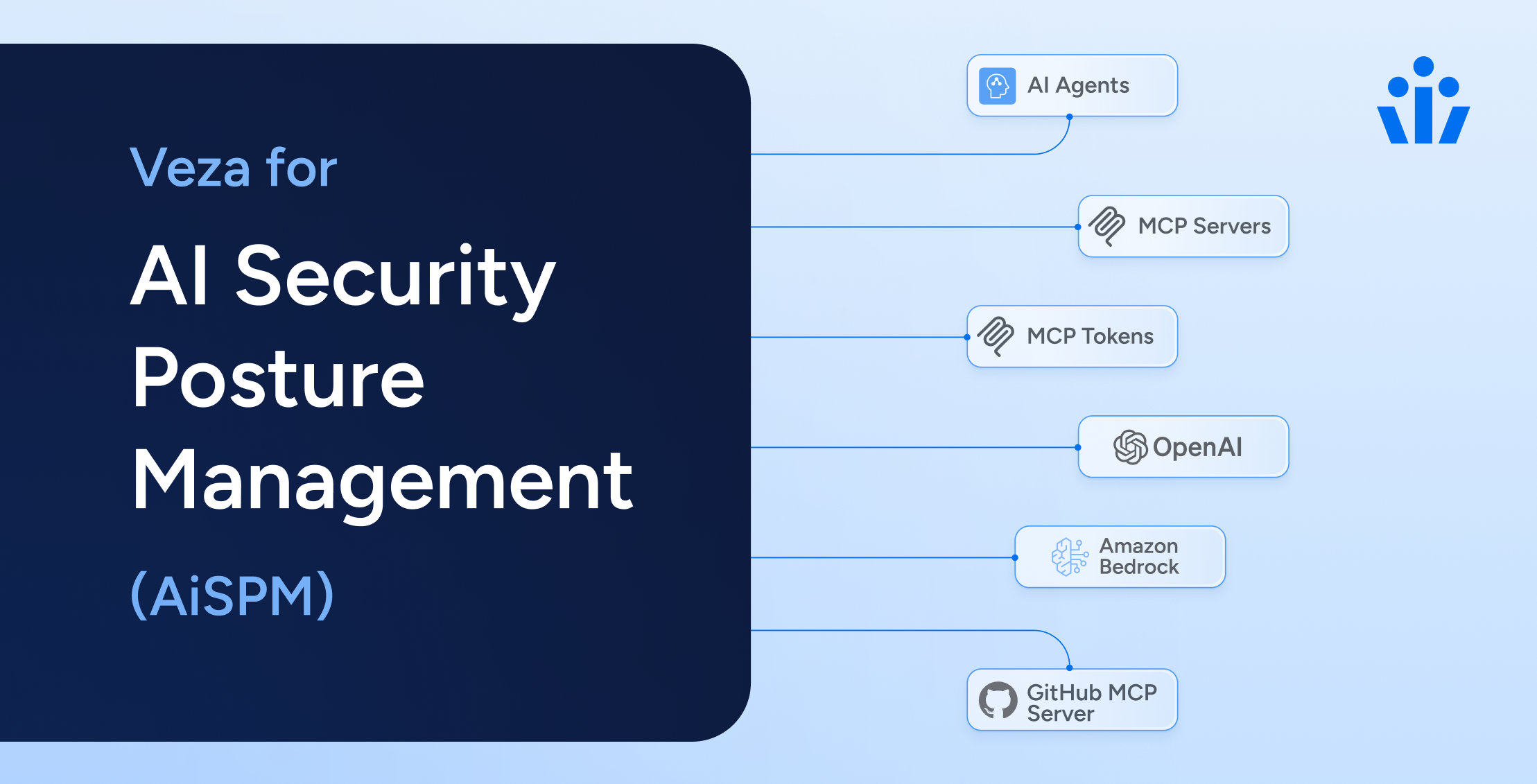
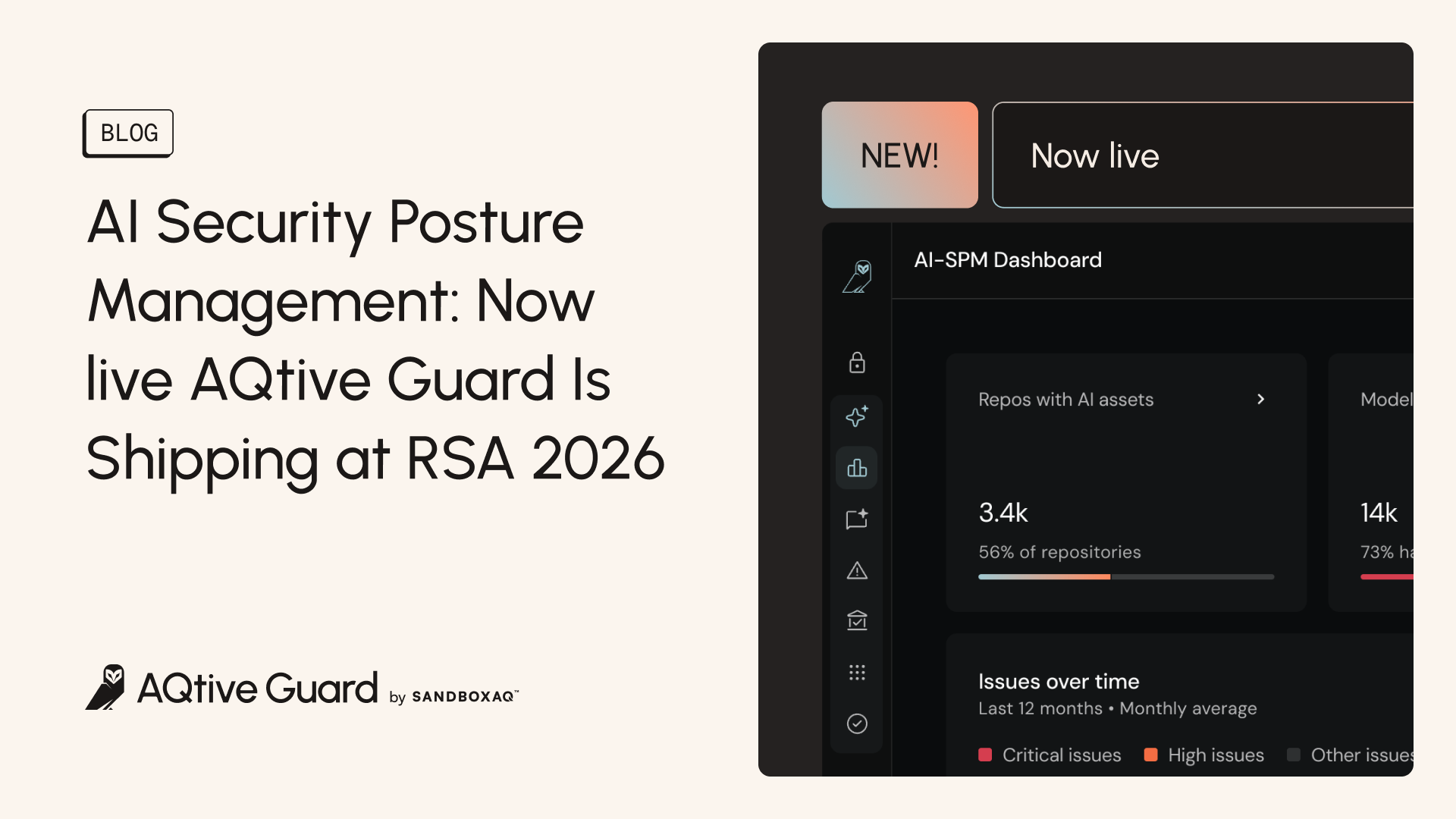
AI Security Posture Management (AI SPM) is a specialized framework designed to identify, monitor, and remediate risks inherent in the deployment of artificial intelligence within cloud environments. As organizations integrate Large Language Models (LLMs) and custom AI agents into their infrastructure, AI SPM provides the visibility required to secure data pipelines, prevent unauthorized access to sensitive training sets, and mitigate vulnerabilities such as prompt injection and model poisoning.
The Evolution of AI Security in the Cloud
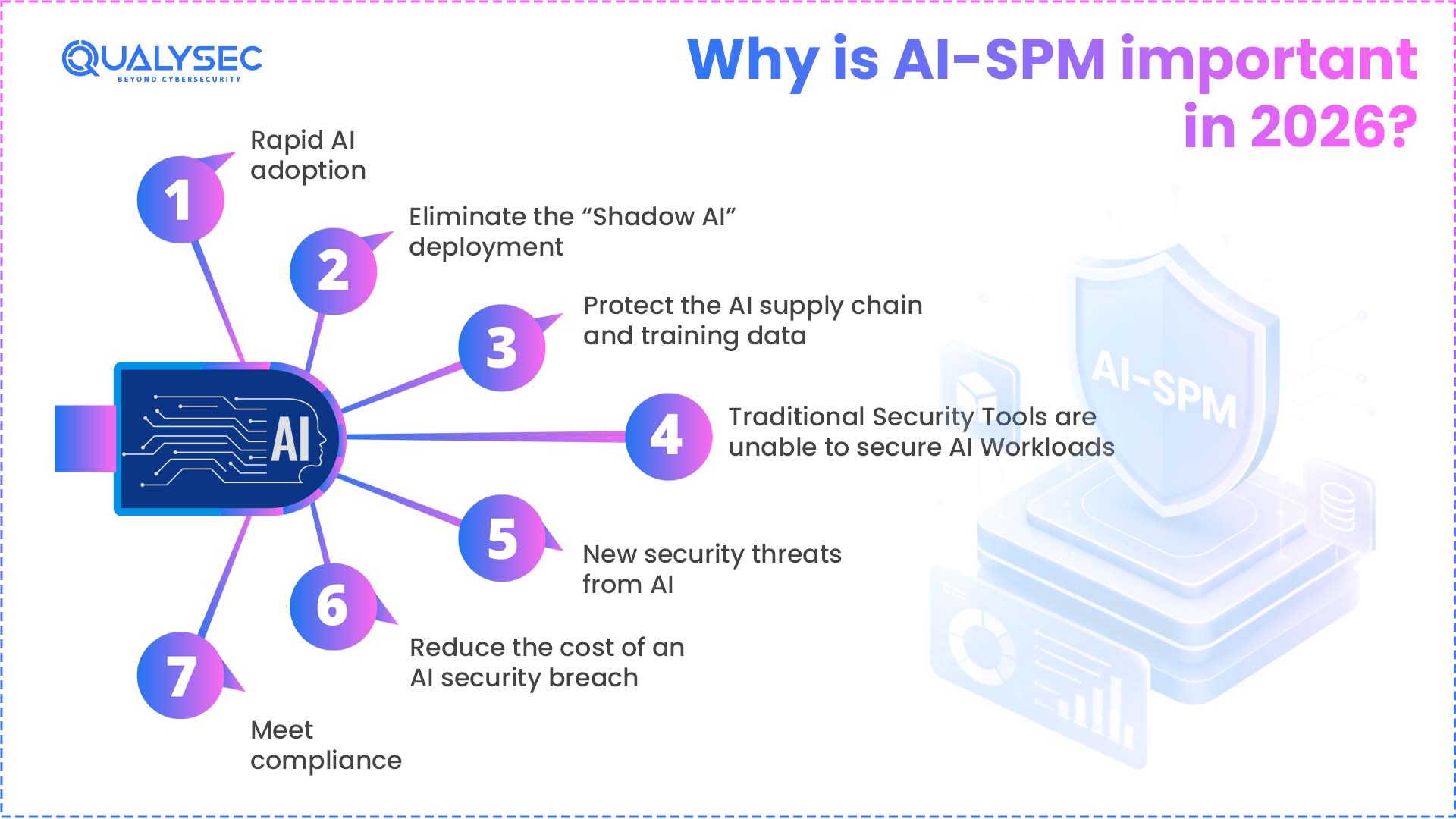
By 2026, the integration of generative AI into enterprise workflows has moved from experimental pilots to core production infrastructure. This shift has necessitated a departure from traditional Cloud Security Posture Management (CSPM) tools. While CSPM focused on misconfigurations in storage buckets, virtual machines, and identity and access management (IAM) policies, it remains insufficient for the unique threats posed by AI models.
AI SPM emerged as a response to the "black box" nature of AI deployments. In a modern 2026 cloud environment, security teams must manage not only the cloud infrastructure but also the Model Supply Chain. This includes the provenance of open-source models, the sensitivity of data used for fine-tuning, and the potential for adversarial attacks that target the application layer of AI services.
Core Pillars of AI Security Posture Management
To effectively govern AI in the cloud, practitioners must evaluate security through three distinct lenses: data security, model integrity, and access governance.
1. Data Security and Privacy
The most significant risk in cloud-based AI is the accidental exposure of proprietary data during the training or inference process. AI SPM solutions scan for PII (Personally Identifiable Information) and sensitive intellectual property within training datasets before they reach the model. In 2026, compliance standards such as the updated EU AI Act and various regional data sovereignty regulations require organizations to prove that their models do not "leak" training data during inference.
2. Model Integrity and Provenance
Organizations now pull models from a variety of sources, including public repositories and third-party vendors. An AI SPM solution performs an inventory of all AI models in the cloud environment, verifying their integrity. This prevents the deployment of malicious or "backdoored" models that could exfiltrate cloud credentials or execute unauthorized code within the execution environment.
3. Access Governance and API Security
AI agents frequently interact with external APIs, databases, and enterprise software. AI SPM monitors the permissions granted to these agents. If an AI agent has excessive privileges—for example, the ability to read all internal documentation—a successful prompt injection attack could lead to a massive data breach. AI SPM enforces the principle of least privilege specifically for the service identities assigned to AI applications.
Technical Requirements for AI SPM Implementation
Implementing an AI SPM strategy involves more than deploying a single software agent; it requires a tiered approach to cloud architecture.
- Visibility and Inventory: You must establish a continuous discovery process that maps every LLM, machine learning (ML) workspace, and vector database residing in your cloud providers (AWS, Azure, GCP).
- Vulnerability Scanning: Automated scanners must check for known CVEs in the frameworks (like PyTorch or TensorFlow) and libraries used to serve models.
- Policy Enforcement: Define security policies that automatically block the connection of unauthorized LLMs to production databases.
- Real-time Monitoring: Deploy observability tools that track input prompts and output responses to detect anomalous behavior, such as attempts to bypass safety filters (jailbreaking).
Comparison of Security Frameworks: CSPM vs. AI SPM
The following table differentiates the focus areas of traditional cloud security tools versus the emerging AI-focused posture management category.
| Feature | CSPM (Cloud Security) | AI SPM (AI Security) |
|---|---|---|
| Primary Target | Infrastructure (VMs, Buckets) | Models, Data Pipelines, Prompts |
| Visibility Scope | Network & IAM configuration | Model provenance & Training data |
| Main Threat Focus | Data breaches, Misconfiguration | Prompt injection, Data leakage |
| Compliance Focus | SOC2, HIPAA, GDPR | EU AI Act, Model Transparency |
| Primary User | Cloud Security Engineers | AI Safety & Security Ops |
Common Challenges in 2026 AI Deployments
Even with robust AI SPM tools, organizations face persistent technical hurdles. The most pressing is the Shadow AI phenomenon. Developers often spin up small AI instances or use unvetted model APIs to accelerate their work. Because these instances often bypass corporate procurement, they fall outside the perimeter of centralized security monitoring.
Another challenge is the dynamic nature of AI model updates. A model that was deemed secure during its initial deployment may exhibit different behaviors after a "fine-tuning" cycle. AI SPM tools must, therefore, be capable of continuous re-assessment rather than relying on point-in-time audits.
Mitigating Adversarial Threats
Adversarial machine learning is no longer a theoretical research topic; it is an active threat vector in 2026. Attackers are increasingly using "indirect prompt injection," where they place malicious instructions on a website that an AI agent then visits and processes. Once the agent consumes the malicious data, the attacker can manipulate the agent's behavior.
AI SPM addresses this by providing:
- Input Filtering: Sanitizing prompts before they hit the model to strip out malicious payloads.
- Output Guardrails: Analyzing the responses generated by the model to ensure they do not contain sensitive company data or prohibited content.
- Behavioral Analysis: Alerting security teams when an agent deviates from its defined functional scope.
Frequently Asked Questions
Is AI SPM a replacement for existing cloud security tools? No, AI SPM is a specialized extension. While CSPM secures the "house" (the cloud infrastructure), AI SPM secures the "inhabitants" (the AI models and agents). You must maintain your CSPM to ensure your underlying cloud remains misconfiguration-free.
What is the role of the AI Safety Team in using AI SPM? AI Safety teams use the data provided by AI SPM to set guardrails. If the SPM reports that a model is consistently outputting PII, the safety team uses that evidence to adjust the system prompts or refine the data scrubbing process before retraining.
Does AI SPM protect against model poisoning? Yes. By maintaining an inventory and monitoring the provenance of models, AI SPM helps ensure that the datasets used for training and the model weights themselves have not been tampered with by unauthorized parties.
How does AI SPM integrate with existing CI/CD pipelines? Modern AI SPM solutions offer API-based integration, allowing security checks to run as part of the model deployment process. If a model fails a security scan, the CI/CD pipeline can automatically block its deployment to production.
Are there legal implications for ignoring AI posture? In 2026, regulators are increasingly holding organizations liable for the behavior of their AI models. Neglecting AI posture management can lead to significant fines and reputational damage if an AI agent is found to be leaking customer data or facilitating unauthorized access.
Recommendation for Next Actions
If your organization is currently deploying generative AI in the cloud, your immediate priority should be the creation of an AI Asset Inventory. You cannot secure what you do not track. Start by auditing your cloud environments for any instances of LLM-based services or vector databases. Once these assets are identified, implement an AI SPM platform to enforce standardized security policies across these services.
Ensure that your security team is cross-trained on AI-specific threats, such as prompt injection and data poisoning, as these require a different analytical mindset than traditional network-based attacks. By bridging the gap between cloud infrastructure security and AI application safety, your organization can foster innovation while maintaining a robust security posture in an AI-driven 2026.