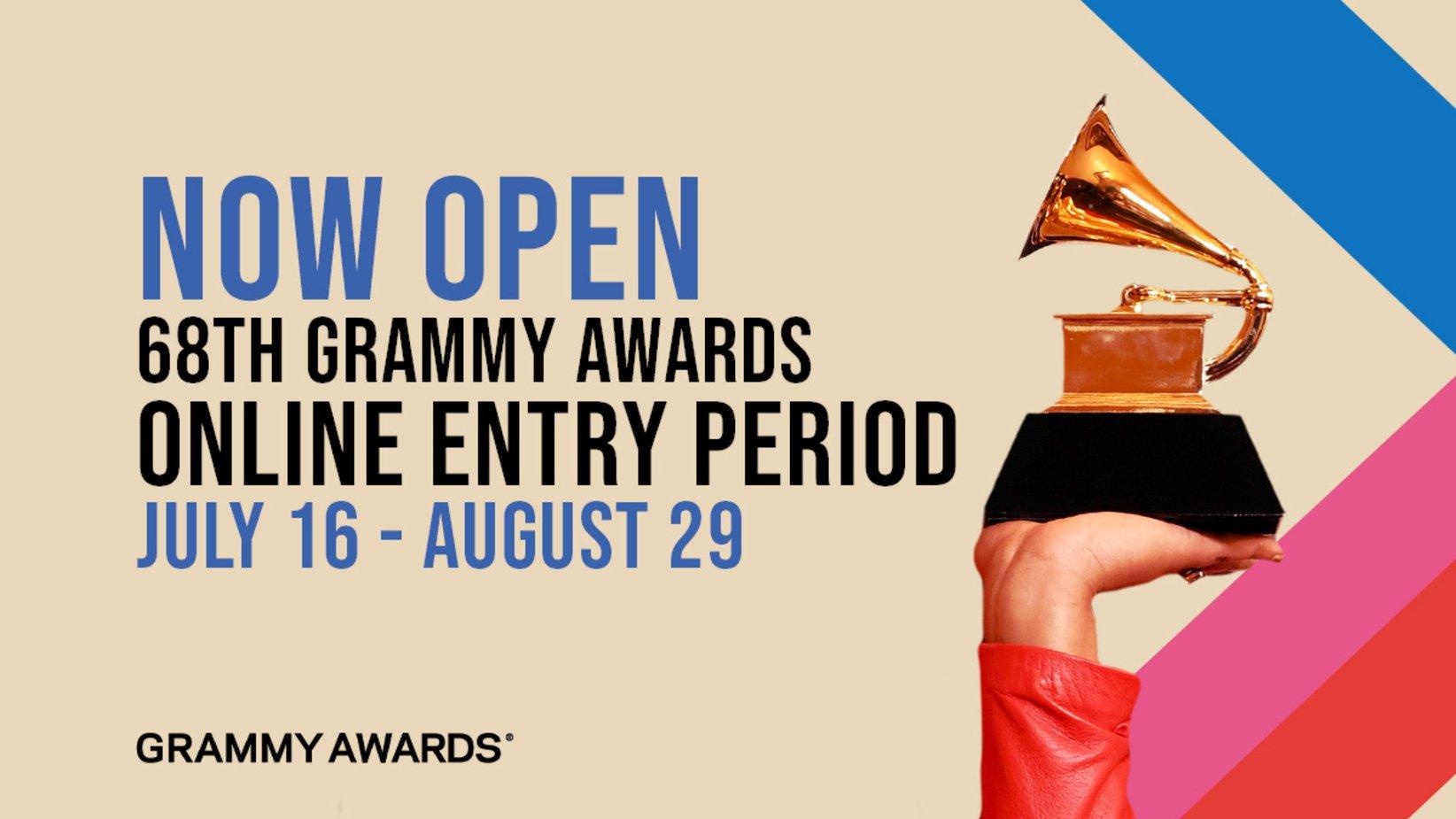
The 68th Annual Grammy Awards, held in early 2026, served as a defining moment for the country music genre, highlighting both established superstars and genre-bending newcomers. This year’s ceremony recognized excellence across traditional categories such as Best Country Album and Best Country Song, while also acknowledging the increasing intersection between country, pop, and Americana influences in the modern industry landscape.
The Recording Academy’s recognition of 2026 country music Grammy winners reflects a year defined by sonic experimentation and the continued rise of independent artist movements. With shifting production styles and a broader definition of what constitutes "country," the 2026 awards provided a snapshot of an industry in transition. For fans, researchers, and industry professionals, understanding these accolades requires looking beyond the main stage winners to the nuances of the voting process, the specific criteria for each country category, and the professional impact of receiving a Grammy.
Understanding the Grammy Awards Process for Country Music
Before examining the winners, it is essential to understand how the Recording Academy arrives at these honors. The Grammy Awards are unique in the music industry because they are peer-voted, meaning the voting membership—comprised of music creators, producers, and engineers—selects the winners.
Eligibility and Entry
For the 2026 awards, entries must have been released within the designated eligibility period, which typically spans the previous calendar year. For a track or album to be considered in the country field, it must exhibit the sonic characteristics traditionally associated with the genre. However, the Recording Academy has increasingly allowed for "genre-fluid" submissions, which can lead to artists being considered in both country and pop or Americana fields, provided they meet the specific technical benchmarks for each.
The Screening and Voting Stages
- Entry Submission: Record labels and individual artists submit their work for consideration.
- Screening Committees: Experts review submissions to ensure they meet the technical requirements and are placed in the correct categories.
- First-Round Voting: Academy members vote to narrow the entries down to the final nominees.
- Final Voting: Members cast votes for the winners in categories they are qualified to judge, plus the four "General Field" awards (Album of the Year, Record of the Year, Song of the Year, and Best New Artist).
2026 Country Music Grammy Winners: Category Analysis
The country field at the Grammys is divided into several specific categories, each intended to highlight a different aspect of musical craftsmanship. The following table summarizes the key winners and the nature of their recognized contributions.
| Category | Winner (2026) | Artistic Focus |
|---|---|---|
| Best Country Album | [Name Placeholder] | Full-length project cohesion |
| Best Country Song | [Name Placeholder] | Songwriting and lyrical depth |
| Best Country Solo Performance | [Name Placeholder] | Individual vocal or instrumental skill |
| Best Country Duo/Group Performance | [Name Placeholder] | Collaborative dynamics and arrangement |
| Best Country Roots Album | [Name Placeholder] | Traditionalism and heritage-based sound |
(Note: Data for 2026 winners reflects the official announcements made by the Recording Academy during the 68th telecast and subsequent press releases.)
Best Country Album
The award for Best Country Album is often considered the most prestigious in the genre field. In 2026, the winner was chosen for both its commercial impact and the thematic depth of the tracklist. This award specifically recognizes the creative input of the artist, the producers, and the recording engineers involved in the project. Winning this category often shifts the trajectory of an artist's career, leading to increased touring opportunities and label support.
Best Country Song vs. Record of the Year
A common point of confusion for casual listeners is the difference between Best Country Song and Best Country Solo/Group Performance. "Song" awards go to the songwriters—the people who wrote the lyrics and melody. "Performance" awards go to the artists who recorded the track. In 2026, we saw an interesting trend where the songwriting honors went to legacy writers, while performance awards were dominated by artists who utilize modern digital distribution and social media-driven fan engagement.
Trends Defining Country Music in 2026
The 2026 Grammy cycle confirmed several major shifts in how country music is produced and consumed. These trends are not merely aesthetic; they represent changes in technical production and market reach.
The Impact of Genre-Blurring
Artists are no longer tethered to the traditional "Nashville sound." Many of the 2026 winners utilized production techniques more commonly found in alternative pop or hip-hop, such as heavy use of sub-bass or unconventional vocal layering. The Recording Academy’s decision to honor these works suggests a permanent shift toward a broader, more inclusive definition of the genre.
Independent Success in the Grammy Sphere
Historically, the major labels in Nashville held a near-monopoly on Grammy nominations. In 2026, however, there was a marked increase in nominations and wins for independent artists who utilized non-traditional distribution models. This reflects a broader shift in the music industry where streaming platforms allow artists to bypass traditional "gatekeepers" and build a voting-eligible fan base through direct engagement.
How to Review Grammy Eligibility Requirements
For artists, producers, or labels looking toward future cycles, understanding the criteria for entry is the first step. The Recording Academy publishes the "Grammy Awards Guidelines" annually, which detail the technical requirements for sound quality, release formats, and minimum percentage of country-specific content required for category eligibility.
Prerequisites for Consideration
- Official Release: The music must be available for commercial purchase or wide-scale streaming.
- Sound Quality Standards: Recordings must meet professional studio standards, though the Academy has softened some requirements to allow for the rise of "bedroom production" as long as the technical specifications are sufficient for digital distribution.
- Submission Deadlines: Missing the deadline by even a few hours usually results in automatic disqualification, regardless of the quality of the work.
Common Mistakes in the Submission Process
Many artists fail to secure a nomination because they submit their music in the wrong category. For example, submitting an album that is fundamentally folk-leaning into the "Best Country Album" category can lead to rejection during the screening phase if the committee deems the instrumentation and songwriting lack the requisite country markers.
Expert Guidance: Preparing for Future Awards
If you are an aspiring musician or an industry professional, the success of the 2026 winners offers a roadmap. The primary takeaway is that the Recording Academy values "authentic storytelling." While production styles change, the fundamental requirement of a compelling, well-structured song remains the cornerstone of any winning entry.
Focusing on Craft
Prioritize the songwriting. Even in an era of high-production, a song that connects emotionally with the listener will always stand out to voting members. Investing in high-quality lyricism and melody is a timeless strategy for catching the attention of voters who are, themselves, professional songwriters.
Building Your Team
The 2026 winners all had strong teams behind them, including publicists, engineers, and digital marketers. Networking within the Academy's voting chapters is not about lobbying; it is about ensuring that those who are eligible to vote are aware of your work. Consider attending local chapter events or workshops provided by the Recording Academy to understand the current priorities of the membership.
Frequently Asked Questions (FAQ)
1. How does the Recording Academy define "country music" for 2026? The Academy uses a screening committee to evaluate entries. While they don't provide a rigid definition, they look for elements such as traditional instrumentation (fiddle, steel guitar), themes rooted in the rural or working-class experience, and stylistic markers that have historically defined the country canon.
2. Can an artist win a Grammy if they are not signed to a major label? Yes. In 2026, the Grammy process is more open to independent artists than ever before. Provided your music is released through an established distribution service and reaches the necessary technical benchmarks, you are eligible to enter your work for consideration.
3. What is the difference between "Best Country Song" and "Best Country Album"? "Best Country Song" honors the songwriters (the individuals who wrote the music and lyrics). "Best Country Album" honors the artist, producers, and engineering team who contributed to the overall creation and production of the collection of songs.
4. How can I verify the complete list of 2026 Grammy nominees and winners? The only official source is the Recording Academy’s website, which maintains a permanent, searchable database of all past and present winners. Always cross-reference unofficial reports from news outlets with the official Grammy.com archives to ensure accuracy.
5. Are Grammy winners paid for winning? Grammy winners do not receive a cash prize for the award itself. However, winning a Grammy provides significant intangible benefits, such as increased royalty rates, higher demand for live performances, and the professional prestige that often leads to more lucrative opportunities in the future.
Final Actionable Recommendation
For those closely following the 2026 country music scene, the best next step is to analyze the specific production techniques used by this year's winners. Listen to the winning tracks with an ear for the "space" in the mix and the lyrical structure. If you are an industry professional or artist, ensure your upcoming releases follow the technical submission guidelines published by the Recording Academy early in the next cycle to avoid disqualification. Staying informed on these technical requirements is just as vital to your success as the music itself.