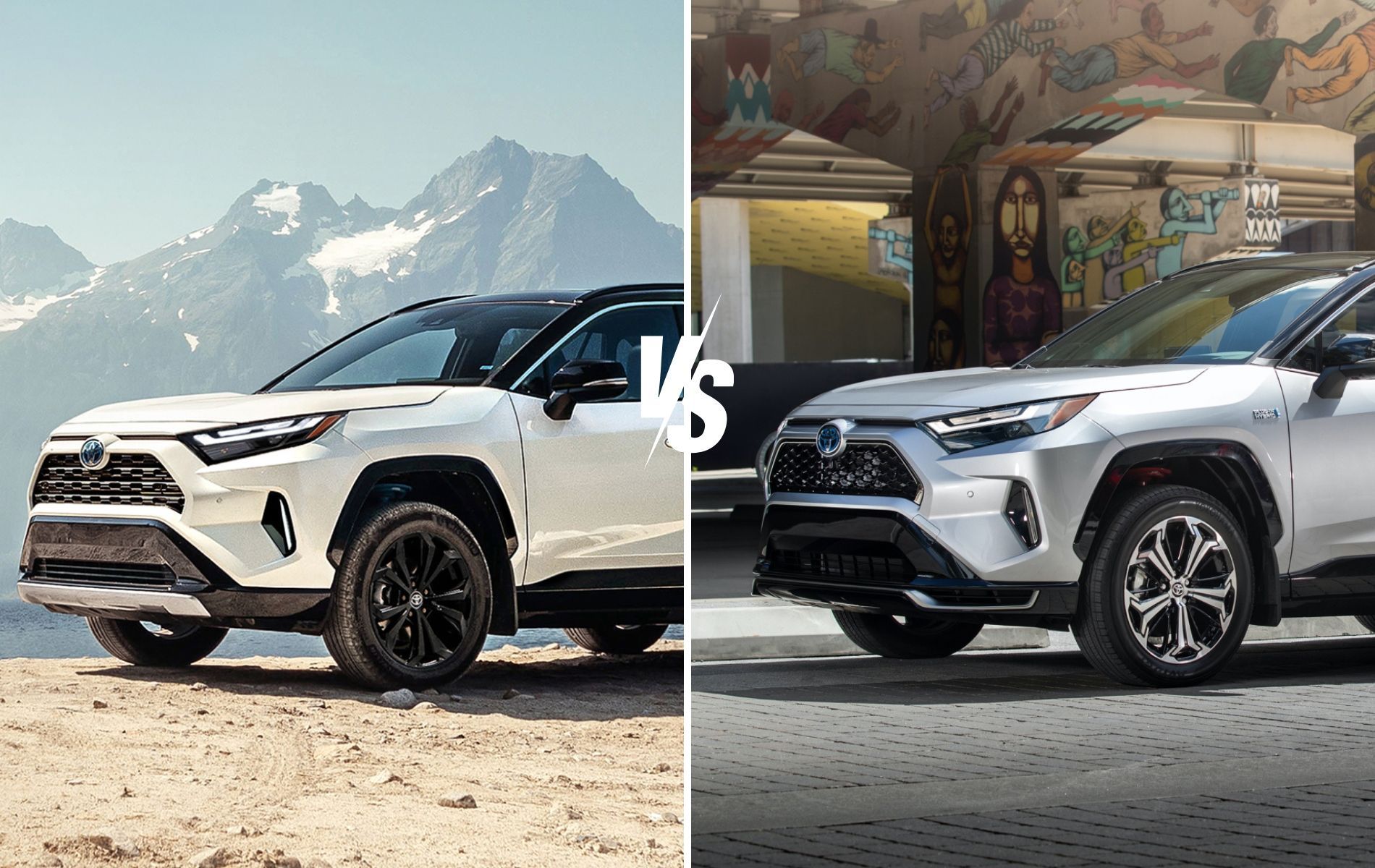
When shopping for a new or recent-model Toyota RAV4, buyers frequently land on a critical decision point: stepping up from the base LE trim to the mid-tier XLE trim. This transition typically involves a price gap of approximately $2,500, depending on the model year, region, and whether front-wheel drive (FWD) or all-wheel drive (AWD) is selected. Rather than a massive leap in powertrain capability, this $2,500 difference covers a targeted bundle of comfort amenities, exterior enhancements, interior upgrades, and increased access to optional packages. Understanding what you gain—and what remains identical—helps determine whether the extra investment delivers true value for your daily driving needs.
Understanding the Toyota RAV4 Trim Architecture
Toyota structures its RAV4 lineup to cater to distinct buyer segments without altering the foundational mechanical engineering of the vehicle. Both the LE and the XLE share the same core platform, transmission, and engine architecture. Whether you choose the base model or step up one level, you receive the same 2.5-liter four-cylinder engine paired with an 8-speed automatic transmission (or an electronically controlled continuously variable transmission in hybrid configurations), generating a reliable output of approximately 203 horsepower in gas-powered variants.
The structural similarity means that performance metrics such as acceleration, overall safety ratings through organizations like the Insurance Institute for Highway Safety (IIHS), and standard mechanical reliability remain identical across both trims. The $2,500 variance does not buy you more horsepower, heavier towing capacity, or a sturdier frame. Instead, it pays for creature comforts, localized convenience tech, and exterior styling refinements that alter the day-to-day ownership experience.
Exterior Enhancements: What the $2,500 Difference Adds to the Surface
One of the most immediate visual distinctions between the RAV4 LE and the XLE lies in exterior styling and functional hardware. The entry-level LE trim keeps things strictly utilitarian, featuring 17-inch steel wheels with wheel covers, black exterior door handles, and a matte-black grille. While fully functional and durable, these elements project a classic base-model aesthetic.
Stepping up to the XLE introduces several notable exterior upgrades that modernize the vehicle's road presence:
- Alloy Wheels: The XLE swaps steel wheels for 17-inch multi-spoke alloy wheels, which are lighter, more resistant to brake dust accumulation, and visually sharper.
- Lighting Technology: Upgraded projector-beam halogen or LED headlights are often supplemented by integrated LED daytime running lights (DRLs) and fog lights, improving visibility in inclement weather.
- Roof Rails: Low-profile silver roof rails become standard on the XLE, enhancing utility for outdoor enthusiasts who want to mount crossbars for kayaks, bikes, or cargo boxes without aftermarket installations.
- Color-Keyed Accents: Body-colored exterior door handles and power-adjustable heated side mirrors with integrated turn signal indicators replace the unpainted black plastic components found on the LE.
Interior Comfort and Driver Convenience Upgrades
Inside the cabin, the psychological and tactile difference between the LE and XLE becomes much more pronounced. The base LE interior relies heavily on durable, easy-to-clean dark fabrics and hard plastics designed to withstand heavy wear and tear, making it a favorite for fleet buyers, pet owners, and budget-conscious families.
The XLE elevates the interior environment by introducing ergonomic improvements and refined materials:
- Seating Adjustments: While the LE features a manual 6-way adjustable driver's seat, the XLE upgrades to an 8-way power-adjustable driver's seat with power lumbar support, allowing for more precise ergonomic positioning during long commutes.
- Automatic Climate Control: The LE relies on a straightforward manual single-zone air conditioning system. The XLE introduces dual-zone automatic climate control, enabling the driver and front passenger to set independent temperature preferences.
- Smart Key System: Depending on the specific production year, the XLE often opens the door to greater package availability, such as the Smart Key System with push-button start, though it may require an additional convenience package.
- Upgraded Fabric and Trim: The XLE utilizes higher-grade fabric patterns on the seating surfaces and subtle metallic or gloss-black dash accents that break up the monochrome monotony of the base interior.
Technology, Infotainment, and Connectivity Features
Both the LE and XLE benefit from Toyota's modern infotainment interface, supporting wireless Apple CarPlay and Android Auto integration through a touchscreen display (ranging from 8 inches to larger units depending on the model year). Both trims also include the comprehensive Toyota Safety Sense (TSS) suite as standard equipment, meaning safety tech like Pre-Collision System with Pedestrian Detection, Lane Tracing Assist, Full-Speed Range Dynamic Radar Cruise Control, and Road Sign Assist are entirely identical.
However, the XLE expands your digital and convenience capabilities in subtle ways:
- Power Windows: While the LE features auto up/down with pinch protection primarily for the driver, the XLE frequently extends auto up/down functionality across all power windows.
- Additional USB Ports: The XLE often increases the tally of strategically placed USB charge ports throughout the cabin, ensuring rear-seat passengers can keep devices powered during road trips.
- Package Unlock Potential: The most significant technological differentiator is that the XLE serves as a gateway trim. Choosing the XLE allows buyers to add mid-tier packages—such as the XLE Convenience Package or Weather Package—which unlock heated front seats, a heated leather-trimmed steering wheel, a power liftgate, and a blind-spot monitor with rear cross-traffic alert. These packages are frequently unavailable or heavily restricted on the base LE trim.
Feature Comparison Matrix
| Feature / Specification | Toyota RAV4 LE (Base) | Toyota RAV4 XLE (Mid-Tier) |
|---|---|---|
| Approximate Price Premium | Baseline MSRP | +$2,500 |
| Wheels | 17-inch steel with covers | 17-inch multi-spoke alloy wheels |
| Headlights & Fog Lights | Standard LED headlights, no fog lights | Integrated LED fog lights and upgraded DRLs |
| Roof Rails | Not standard | Standard low-profile silver roof rails |
| Driver's Seat | Manual 6-way adjustable | 8-way power adjustable with lumbar support |
| Climate Control | Manual single-zone air conditioning | Dual-zone automatic climate control |
| Exterior Mirrors | Black, power-adjustable | Body-colored, heated with turn signals |
| Package Eligibility | Minimal options available | Unlocks Convenience and Weather packages |
Cost Analysis: Is the $2,500 Worth It?
When evaluating whether the $2,500 price gap represents a sound financial decision, buyers must look beyond the immediate purchase price and consider long-term ownership dynamics, including resale value and utility.
From a purely mechanical standpoint, you are paying $2,500 for aesthetic and comfort items that do not alter the vehicle's core reliability, fuel economy, or structural safety. If you view a car strictly as a point-A-to-point-B commuter appliance and prefer to keep your initial loan balance as low as possible, the LE provides exceptional value.
Conversely, resale and trade-in values historically favor higher trims like the XLE. Used car buyers actively search for features like alloy wheels, dual-zone climate control, power driver's seats, and roof rails. When it comes time to sell or trade in the vehicle, a portion of that initial $2,500 premium is often recouped because the XLE holds broader market appeal. Furthermore, if you value cold-weather comforts like heated seats or a heated steering wheel, buying an XLE is practically mandatory, as those options cannot be added to the LE trim.
Common Buyer Mistakes When Choosing Between LE and XLE
Navigating trim levels often leads to common pitfalls that can cost buyers money or leave them dissatisfied with their purchase:
- Overlooking Package Restrictions: Many buyers assume they can buy a base LE and simply add heated seats or a power liftgate later through factory options. In reality, Toyota restricts these packages to the XLE and higher trims, meaning retrofitting OEM parts is prohibitively expensive.
- Ignoring Resale Realities: Focusing solely on the monthly payment difference (which amounts to a negligible change over a standard 60-month loan) while ignoring how much easier a well-equipped XLE is to resell down the road.
- Assuming Powertrain Differences: Believing that the $2,500 buys a more powerful engine or superior all-wheel-drive system. Recognizing that the mechanical foundation is identical prevents unrealistic expectations about performance.
Practical Recommendations for Your Purchase Decision
To finalize your choice between the Toyota RAV4 LE and XLE, evaluate your personal priorities against your budget constraints:
- Choose the LE if: Your budget is rigidly capped, you prioritize pure utility over aesthetics, and you do not care about alloy wheels, dual-zone climate control, or power-adjustable seats.
- Choose the XLE if: You plan to keep the vehicle for many years, desire everyday comforts like a power driver's seat and automatic climate control, want better exterior styling, or intend to purchase weather and convenience packages.
By matching your specific comfort preferences and long-term ownership goals to the actual hardware differences, you can invest your money where it matters most to your daily drive.