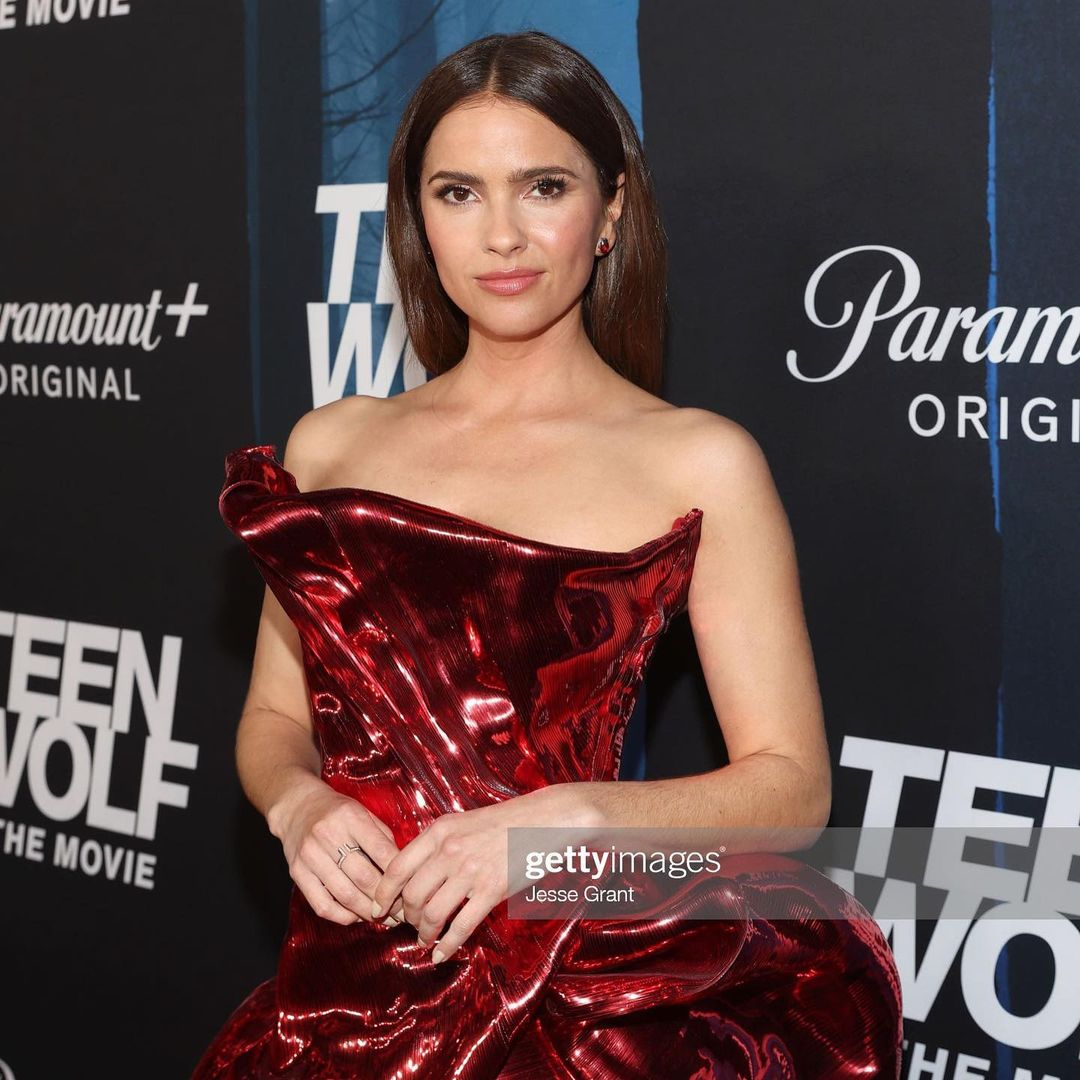
Shelley Hennig gained national prominence in 2009 when she held the title of Miss USA as the representative of Louisiana, a victory that followed her win as Miss Teen USA 2004. This transition from the competitive pageant circuit to a successful career in television and film represents a rare and focused evolution in the entertainment industry.
The Origins of a Titleholder
The journey of Shelley Hennig into the national spotlight began in the pageant circuit, which served as a foundational platform for her professional aspirations. Born in Metairie, Louisiana, Hennig displayed an early interest in dance and performance. Her entry into pageantry was not merely a pursuit of a title, but a strategic step toward professional recognition in the media sector.
In 2004, Hennig captured the crown at the Miss Teen USA pageant. This victory provided the necessary exposure to enter the broader entertainment market. However, it was her subsequent success at the Miss USA 2009 pageant that solidified her standing. Representing the state of Louisiana, she demonstrated poise and public speaking abilities that are often associated with high-stakes performance roles. The pageant environment, characterized by intense preparation and scrutiny, served as a rigorous training ground for the demands of the camera, a skill set she would later leverage in the competitive world of Hollywood acting.
The 2009 Miss USA Experience: A Historical Context
The Miss USA 2009 competition took place at the Planet Hollywood Resort and Casino in Las Vegas, Nevada. The event was a significant broadcast for the Miss Universe Organization and drew millions of viewers. For Hennig, the victory was the culmination of a rigorous period of regional and state-level competition.
The significance of the 2009 title transcends the physical crown. It required the contestant to act as an ambassador for the organization, participating in charity events, media tours, and corporate sponsorships. This year-long commitment required significant time management, professional discipline, and the ability to maintain composure under constant public observation. Unlike a typical celebrity career trajectory, which often relies on talent agency representation alone, the pageant circuit allowed Hennig to establish a public persona before transitioning into scripted television.
Transitioning to Scripted Television
The bridge between pageant work and professional acting is often precarious, yet Hennig successfully navigated this gap shortly after her reign. By 2011, she secured a prominent role in the long-running soap opera Days of Our Lives. Playing the character of Stephanie Johnson, she moved from the unscripted, highly choreographed world of pageantry into the fast-paced, high-volume production cycle of daytime television.
This transition is notable for its speed and its requirement for immediate technical proficiency. Daytime soap operas are known for their demanding shooting schedules, which require actors to memorize vast amounts of dialogue on short notice and hit marks consistently. Her experience in pageantry—where she was required to present herself effectively under immense pressure—proved highly transferable. The mental conditioning required to perform on the Miss USA stage served as a functional prerequisite for the technical constraints of set-based production.
Evolution of Professional Roles: From Soap Operas to Gen-Z Dramas
Following her tenure on Days of Our Lives, Hennig moved into the prime-time landscape, most notably with her role as Malia Tate in the supernatural teen drama Teen Wolf. This shift was critical for her career longevity. By moving into the demographic-heavy genre of youth-oriented fantasy, she transitioned from a reality-based public figure to a recognized ensemble actress.
The table below outlines the progression of her career from her initial pageant titles through her established roles in the entertainment industry.
| Period | Role / Title | Medium | Key Focus |
|---|---|---|---|
| 2004 | Miss Teen USA | Pageant | National representation/Brand ambassador |
| 2009 | Miss USA | Pageant | National representation/Media engagement |
| 2011–2017 | Stephanie Johnson | Television | Daytime drama / Character development |
| 2014–2017 | Malia Tate | Television | Prime-time supernatural drama |
| 2023 | Teen Wolf: The Movie | Film | Franchise continuation |
Technical Proficiency in Modern Acting
The expectation for actors in the current landscape of 2026 goes beyond performance; it involves an understanding of the production process. Hennig’s career reflects an adaptation to the digital era of media distribution. Her work in series that moved from traditional broadcast television to streaming platforms highlights the changing requirements for professional performers.
The transition from a titleholder to a working actor requires an understanding of branding. Unlike many pageant winners who focus on fashion or broadcast hosting, Hennig focused on character-driven roles. This choice shielded her from the shelf-life limitations often associated with pageant-specific fame. By consistently taking on roles that required physical performance, emotional range, and team-based production, she effectively rebranded herself as a commodity within the talent pool rather than an icon of a specific competition.
Prerequisites for Success in Competitive Media
For those observing the transition from pageantry to acting, it is important to distinguish between the superficial glamour and the professional requirements. The primary prerequisites for making this move effectively include:
- Acting Training: Post-pageant, the individual must undergo intensive scene study and character development training, as the skill sets required for pageantry (self-presentation) and acting (embodying another person) are distinct.
- Professional Representation: Securing agents and managers who treat the client as an actor rather than a "personality" or "model."
- Resilience to Rejection: The pageant cycle is a "winner-takes-all" environment, whereas the acting industry is built on recurring auditions and rejection. This mental shift is the most difficult technical hurdle for former titleholders.
Common Misconceptions Regarding Pageantry Transitions
A common misconception is that winning a title like Miss USA guarantees an acting career. In reality, the pageant world is frequently viewed with skepticism by traditional casting directors who prioritize formal training. Hennig’s trajectory is therefore the exception rather than the rule. She managed to overcome the "pageant bias" by entering long-form television, which allowed audiences to grow with her character over several years, slowly distancing her from the crown she wore in 2009.
Frequently Asked Questions
How did winning Miss USA 2009 specifically aid her transition into Hollywood? Winning the title provided Hennig with a high-profile public platform, but more importantly, it introduced her to the rigor of professional media appearances. The ability to handle live press, maintain a schedule, and work under public scrutiny are traits that directors and producers look for in lead talent.
Is there a direct path from pageantry to acting for current titleholders? No formal path exists. Most successful transitions are the result of deliberate choices to shed the pageant persona through acting classes and starting in minor roles that require significant work, rather than relying on fame to secure lead parts.
What was the most significant challenge in her career transition? The challenge was overcoming the "pageant queen" stereotype. Casting directors often have preconceived notions about the ability of pageant winners to perform complex, emotional scenes. It required a consistent output of high-quality work over several years to change her professional narrative.
What is the status of her career as of 2026? As of 2026, Shelley Hennig continues to work as an actress, leveraging her established reputation in television to secure roles in both streaming and film projects. She remains a working professional who has moved fully beyond her 2009 pageant beginnings.
Do pageant titleholders receive acting training from the organization? While the Miss Universe Organization provides public speaking coaching and media training, it does not provide traditional acting instruction. That is an independent investment that the individual must pursue if they intend to transition into the film and television industry.
Professional Recommendation for Aspiring Performers
For individuals aiming to replicate a trajectory of success after public exposure in non-acting competitions, the most effective strategy is a clean break from the previous image. This involves dedicating at least three to five years to rigorous training and smaller, character-specific roles before seeking broader recognition. Relying on the branding of a previous title can actually hinder the process, as it keeps the professional tethered to a specific moment in time rather than their current creative capabilities. Focus on the craft of acting rather than the visibility of the past to ensure long-term career viability.