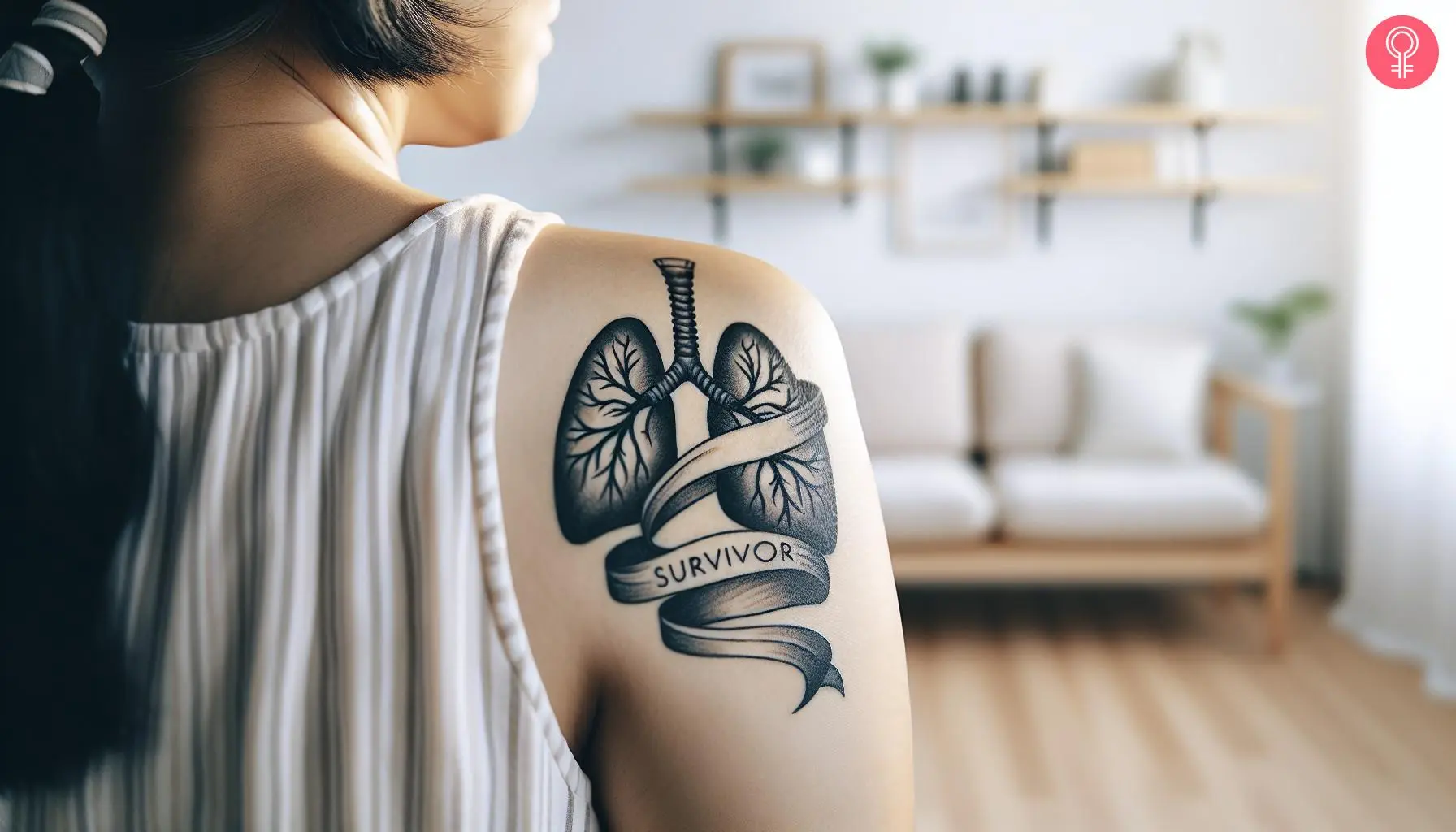
Getting a lung cancer tattoo for mom as a living reminder is a deeply personal endeavor that combines grief, celebration, and permanent commemoration. This process involves selecting meaningful iconography—such as the white ribbon representing lung cancer awareness, personalized floral arrangements, or portraiture—to honor a mother’s journey. By working closely with a skilled artist, you can transform a symbol of struggle into a testament to resilience and enduring love.
Understanding the Symbolic Language of Lung Cancer Tattoos
When choosing to memorialize a mother who faced lung cancer, the imagery selected carries significant weight. For many, the primary objective is to find a design that balances the harsh reality of the diagnosis with the warmth of the memories shared. The white ribbon is the internationally recognized symbol for lung cancer awareness, and incorporating this into a tattoo provides an immediate, identifiable connection to the cause.
However, a "living reminder" often moves beyond the standard awareness ribbon. Many individuals choose to incorporate elements that represent their mother's personality or interests outside of her diagnosis. If she loved gardening, integrating white lilies or violets (associated with remembrance) with the ribbon creates a softer, more organic aesthetic. Alternatively, incorporating dates or her signature ensures the tattoo remains uniquely hers. Understanding these semiotics allows you to communicate your specific intent to a tattoo artist, ensuring the final piece reflects her life rather than just her illness.
Strategic Planning and Design Selection
The transition from a concept to a permanent tattoo requires careful consideration of placement, style, and artist specialization. A "living reminder" piece should be placed where it serves the intended purpose—whether that is a private space for personal reflection, such as the ribcage or inner forearm, or a more visible location that encourages conversation and awareness.
When selecting a design, consider the "longevity" of the ink. Detailed fine-line tattoos may require more frequent touch-ups over the years, whereas bolder, traditional styles (often called "American Traditional") tend to hold their saturation longer. The following table provides a comparison of common design approaches for memorial tattoos to help you decide which aesthetic best suits your vision:
| Design Style | Characteristics | Best For | Maintenance |
|---|---|---|---|
| Fine-Line / Minimalist | Thin, precise lines; subtle shading | Discrete, elegant tributes | High; prone to fading |
| Illustrative / Floral | Artistic, flowing, organic shapes | Symbolic, softer representations | Moderate |
| Neo-Traditional | Rich colors, bold lines, high detail | Portraits or complex iconography | Low to Moderate |
| Script / Lettering | Custom fonts, dates, or signatures | Direct, clear, personal messages | Varies by size |
Finding the Right Artist for a Commemorative Piece
Not all tattoo artists specialize in memorial work. When searching for a practitioner to create a lung cancer tattoo for mom as a living reminder, you are looking for someone with high technical proficiency in portraiture, fine line, or illustrative styles, depending on your chosen design.
Begin your search by reviewing portfolios on digital platforms, but prioritize artists with a clean, established studio presence. During your consultation, communicate that the piece is a memorial. A compassionate artist will understand the emotional gravity of the request and will often be more willing to collaborate on the emotional nuances of the design. Ask to see healed examples of their work, as fresh tattoos can look drastically different once the skin has fully settled after several months.
Preparing for Your Tattoo Session
Preparation is both physical and emotional. Ensure you are well-rested and have eaten a substantial meal before your appointment to keep your blood sugar stable. Physical discomfort is inevitable, but proper preparation can mitigate the stress on your body.
Consider the emotional aspect as well; bringing a support person or a specific playlist can help manage the intensity of the experience. Because a memorial tattoo is often linked to significant grief, it is helpful to plan your aftercare environment. Ensure you have the necessary supplies—fragrance-free soap, specialized tattoo ointment, and clean clothing—before you even step into the studio. By minimizing the logistical stress, you allow yourself more space to focus on the significance of the tribute being placed on your skin.
Aftercare and Long-Term Maintenance
A tattoo is a wound that requires medical-grade attention during the healing process. Following the specific instructions provided by your artist is non-negotiable. Typically, this involves keeping the area clean, avoiding direct sunlight, and preventing the area from drying out or scabbing excessively.
As a "living reminder," the tattoo will eventually become a part of your daily life. Over the years, exposure to UV rays will be the greatest factor in the degradation of your ink. High-SPF sunscreen should be applied to the tattoo whenever it is exposed to the sun, regardless of the season. If the tattoo represents a milestone or a date, consider scheduling a "refresher" session every few years to keep the lines sharp and the colors vibrant, ensuring that the visual reminder remains as clear as the memories it preserves.
Practical Considerations and Legal Limitations
In most jurisdictions, there are no specific legal restrictions regarding the content of a tattoo, provided it does not contain prohibited hate speech or illegal imagery. However, you must be 18 years of age or older to provide legal consent for a tattoo in most locations. If you are a minor, parental consent laws vary significantly by region and often require a notarized document or the physical presence of a guardian.
Health-wise, if you have a history of keloid scarring, specific skin conditions, or are currently undergoing medical treatments that affect your immune system, you must consult with a dermatologist or your primary care physician before getting a tattoo. Your health is the priority; an infection or adverse reaction would be counterproductive to the act of honoring your mother.
Frequently Asked Questions
How do I decide between a portrait and a symbolic design? Portraits are highly specific and require a specialized artist to capture a likeness correctly. If you want an immediate, visceral connection to her face, portraiture is ideal. If you prefer a design that allows you to share her story on your own terms, symbols like the white ribbon or her favorite flowers offer a more private, narrative-driven approach.
Will a tattoo help with the grieving process? For many, a memorial tattoo acts as a physical anchor for their grief. It provides a tangible way to carry a loved one forward. While it does not "fix" grief, it serves as a deliberate choice to integrate the memory of your mother into your present life, which many find cathartic.
What is the best placement for a tattoo I want to see often? The forearm, wrist, or inner bicep are popular because they are easily visible to the wearer. Choosing a spot you can see throughout your day ensures the tattoo serves its purpose as a constant, living reminder.
How much does a high-quality memorial tattoo cost in 2026? Pricing is highly variable based on the artist’s hourly rate, the complexity of the design, and the location of the studio. In 2026, you can expect to pay anywhere from $150 to $300 per hour for an experienced, reputable artist. Do not prioritize a lower price over the artist's portfolio quality when dealing with a permanent, emotional tribute.
Can I incorporate a signature into the tattoo? Yes, most artists can take a scan or photograph of your mother’s handwriting—such as from a card or letter—and stencil it directly onto your skin. This is one of the most personal ways to ensure the tattoo feels authentic to her.
Moving Forward with Your Tribute
Choosing to get a lung cancer tattoo for mom as a living reminder is a profound way to ensure her influence remains a part of your daily life. Once you have finalized your design and identified a qualified, compassionate artist, treat the process with the reverence it deserves. Whether you choose a simple white ribbon or an elaborate floral piece, the most important element is that the design reflects the unique relationship you shared. Start by collecting photos, handwriting samples, or meaningful symbols, and schedule a consultation with an artist whose work resonates with your vision. This is a journey of honoring, and the mark you choose will stand as a testament to her impact on your life for years to come.