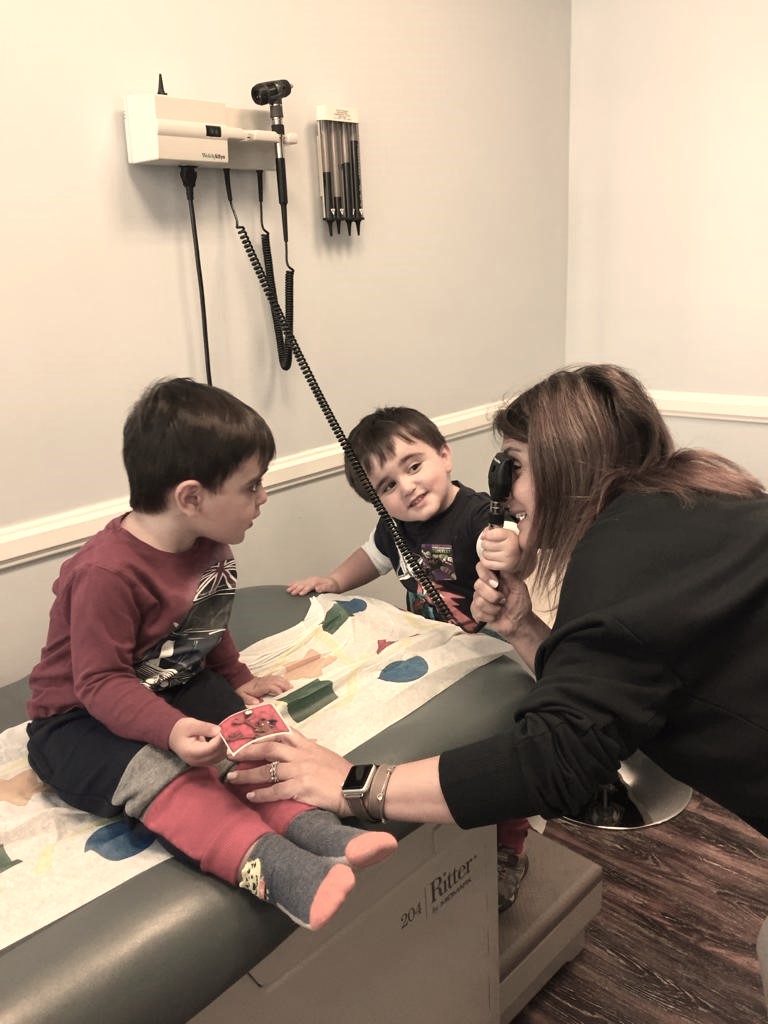
A comprehensive pediatric approach is a holistic healthcare model that integrates physical, emotional, developmental, and social wellness into a single, continuous care plan. Rather than focusing solely on treating acute illnesses, this method prioritizes preventive medicine, early intervention, and the "Medical Home" concept to ensure optimal long-term outcomes for children from birth through early adulthood.
The Evolution of the Comprehensive Pediatric Model
The landscape of pediatric medicine in 2026 has shifted significantly from the traditional "break-fix" mentality of the late 20th century. Historically, pediatric visits were prompted by fever, injury, or mandatory school vaccinations. Today, a comprehensive pediatric approach views the child as a complex entity influenced by genetics, environment, and family dynamics.
This model is built upon the framework of the Patient-Centered Medical Home (PCMH). In this structure, a primary pediatrician serves as the "hub" for all medical information, coordinating care between specialists, therapists, educators, and the family. By centralizing data and strategy, the comprehensive approach eliminates the fragmentation that often plagues modern healthcare, ensuring that a child’s mental health history is considered when treating physical symptoms, and vice versa.
The Pillars of Preventive Pediatric Care
Preventive care is the bedrock of the comprehensive approach. In 2026, clinical guidelines emphasize that prevention is more cost-effective and biologically sound than reactive treatment. This involves several layers of intervention designed to protect the child before health issues manifest.
Immunization and Pathogen Defense
While vaccines remain a cornerstone, the comprehensive approach in 2026 utilizes personalized immunization schedules where appropriate, guided by the latest CDC Clinical Guidelines. Providers do not just administer shots; they provide extensive education on herd immunity, the science of mRNA and protein-subunit platforms, and the specific epidemiological risks of the current year.
Nutritional Excellence and the Microbiome
Recent research integrated into pediatric practice highlights the "gut-brain axis." A comprehensive approach now includes detailed nutritional counseling that goes beyond "eating vegetables." It involves assessing the child’s microbiome health, identifying food sensitivities early, and understanding how processed sugars impact cognitive development and behavioral stability.
Environmental Screening
Pediatricians now routinely screen for environmental toxins, including microplastics, indoor air quality, and lead. As urban environments change, the comprehensive approach adapts by assessing the child's physical surroundings as a direct factor in respiratory health (such as asthma) and neurodevelopment.
Developmental Surveillance and Early Intervention
A core objective of a comprehensive pediatric approach is the early identification of developmental delays. The window for neuroplasticity is narrow; therefore, waiting for a child to "grow out of" a delay is no longer an accepted practice.
Standardized Screening Tools
In 2026, pediatricians utilize advanced digital screening tools that incorporate parental observations and clinical milestones. Tools such as the Ages and Stages Questionnaires (ASQ-3) and the Modified Checklist for Autism in Toddlers (M-CHAT-R/F) are administered at specific intervals (e.g., 9, 18, and 30 months) to catch subtle deviations in speech, motor skills, and social-emotional growth.
The Role of Neurodiversity
The comprehensive approach embraces neurodiversity, moving away from viewing conditions like ADHD or Autism Spectrum Disorder (ASD) solely as deficits. Instead, the focus is on functional support. By identifying these traits early, the medical home can coordinate with Early Intervention (EI) services to provide occupational therapy, speech-language pathology, and behavioral support that helps the child thrive in a neurotypical world while respecting their unique cognitive profile.
Integrated Mental and Behavioral Health
Perhaps the most significant expansion of the pediatric approach in recent years is the integration of mental health services directly into the primary care setting. The 2026 healthcare environment recognizes that mental health is physical health.
Colocated Behavioral Health Specialists
Comprehensive clinics often have "colocated" psychologists or licensed clinical social workers (LCSWs). When a pediatrician identifies signs of anxiety, depression, or behavioral struggles during a routine wellness check, they can perform a "warm handoff." This means the child and family meet the mental health professional immediately, in a familiar environment, reducing the stigma and logistical hurdles associated with external referrals.
Addressing Adverse Childhood Experiences (ACEs)
Clinicians now routinely screen for ACEs, which include trauma, neglect, or household dysfunction. Understanding a child’s ACE score allows the pediatrician to implement "trauma-informed care." Research from the American Academy of Pediatrics (AAP) has shown that early intervention for high-risk children can mitigate the long-term biological effects of toxic stress, such as chronic inflammation and adult-onset cardiovascular disease.
Social Determinants of Health (SDOH)
A child’s health is 20% clinical care and 80% what happens outside the clinic walls. A comprehensive pediatric approach actively addresses Social Determinants of Health (SDOH).
Screening for Resource Insecurity
Standard intake forms in a comprehensive model now include questions about housing stability, food security, and access to transportation. If a family cannot afford the electricity to refrigerate insulin or the gas to drive to a specialist, the most advanced medical treatment will fail.
Community Partnerships
Comprehensive practices maintain active partnerships with community resources, such as food banks, legal aid, and housing authorities. By acting as a bridge to these services, the pediatric office ensures the child’s basic needs are met, creating the necessary foundation for physical and emotional health.
Technology and Digital Health Integration in 2026
The year 2026 has seen the maturation of digital health tools that support the comprehensive model. These technologies are not replacements for human care but enhancements that provide a 360-degree view of the patient.
- Remote Patient Monitoring (RPM): For children with chronic conditions like type 1 diabetes or asthma, wearable sensors transmit real-time data to the pediatric team. This allows for proactive adjustments to treatment plans before an emergency occurs.
- AI-Enhanced Diagnostics: Artificial Intelligence assists pediatricians in analyzing complex symptoms or rare genetic markers, ensuring faster and more accurate diagnoses for "zebra" cases (rare diseases).
- Telehealth and Hybrid Models: Virtual visits are used for follow-ups, mental health consultations, and lactation support, making comprehensive care more accessible to rural families or those with demanding schedules.
- Unified Health Records: Parents have real-time access to their child’s health data through secure portals, fostering transparency and allowing for informed participation in medical decision-making.
Family-Centered Care and Shared Decision Making
The comprehensive approach rejects the "paternalistic" medical model where the doctor dictates and the parent obeys. Instead, it fosters a partnership.
Empowering Caregivers
Pediatricians provide "anticipatory guidance," which prepares parents for upcoming developmental stages. This includes safety advice (car seats, water safety), sleep hygiene, and screen time management. By educating the family, the doctor empowers them to be the child’s primary health advocates.
Cultural Competence
A truly comprehensive approach respects the cultural, linguistic, and religious backgrounds of the family. This includes providing translated materials, utilizing professional interpreters, and understanding how cultural beliefs influence health behaviors. This builds trust, which is essential for treatment compliance and open communication.
Comparing Care Models: Traditional vs. Comprehensive
The following table highlights the material differences between the older, symptom-based model and the modern comprehensive pediatric approach.
| Feature | Traditional Pediatric Model | Comprehensive Pediatric Approach (2026) |
|---|---|---|
| Primary Focus | Acute illness and physical symptoms | Holistic wellness and long-term development |
| Mental Health | Referred to external providers | Integrated into the primary care setting |
| Parental Role | Passive recipient of instructions | Active partner in shared decision-making |
| Data Management | Fragmented across different offices | Centralized within a Medical Home |
| Preventive Care | Standard vaccinations and growth charts | Personalized prevention and microbiome health |
| Social Factors | Rarely addressed during clinical visits | Routine screening for SDOH and resource needs |
| Technology Use | Electronic records for billing | AI diagnostics and remote patient monitoring |
Managing Chronic and Complex Conditions
For children with "Special Healthcare Needs" (CSHCN), the comprehensive approach is not just beneficial—it is life-saving. These children require a higher level of coordination involving multiple sub-specialists (e.g., cardiologists, neurologists, pulmonologists).
The comprehensive pediatrician acts as the Care Coordinator. They ensure that different treatments do not conflict, that the family is not overwhelmed by appointments, and that the child's school has the necessary medical documentation for an Individualized Education Program (IEP) or 504 Plan. This oversight prevents the "medical trauma" that can occur when a child is subjected to redundant tests or uncoordinated procedures.
Adolescent Transition and Future Planning
The comprehensive approach does not end abruptly when a child turns 18. In 2026, the transition to adult medicine is a structured process that begins in early adolescence (around age 12 to 14).
- Self-Advocacy: Doctors begin speaking directly to the adolescent, teaching them how to describe their symptoms and manage their medications.
- Health Literacy: Teens are educated on insurance, privacy rights, and the importance of regular check-ups in adulthood.
- Transition Readiness: The pediatric office identifies adult providers who are equipped to handle the patient’s specific history, particularly for those with childhood-onset chronic conditions.
This ensures that the "comprehensive" nature of their care continues into the next phase of their life, preventing the "transition cliff" where young adults often stop seeking medical care altogether.
Frequently Asked Questions
What defines a "medical home" in pediatrics?
A medical home is not a physical building but a model of care where a child’s primary care provider coordinates all aspects of health. It is characterized by being accessible, family-centered, continuous, comprehensive, coordinated, compassionate, and culturally effective. It serves as the central point for all medical records and specialty communications.
How does the comprehensive approach address the "mental health crisis"?
By integrating behavioral health into the primary care office, the comprehensive approach identifies issues like anxiety and depression earlier. Pediatricians use standardized screening tools at every adolescent visit, and because mental health professionals are often on-site, families can access immediate support rather than waiting months for an external appointment.
Is a comprehensive approach more expensive for parents?
While the depth of care is greater, a comprehensive approach often saves families money in the long term. By focusing on prevention and early intervention, it reduces the likelihood of expensive emergency room visits, hospitalizations, and long-term complications from unmanaged chronic conditions. Most modern insurance plans in 2026 emphasize "value-based care," which supports this model.
How does technology improve this style of pediatric care?
Technology allows for "care between the visits." Remote monitoring tools give doctors data on how a child is doing in their natural environment (home/school) rather than just a snapshot during a 15-minute office visit. Furthermore, AI tools help analyze this data to predict flare-ups of conditions like asthma before they become severe.
Can I request a comprehensive approach if my current doctor is traditional?
Yes. You can look for practices that are certified as Patient-Centered Medical Homes (PCMH). You can also advocate for your child by asking your current pediatrician for developmental screenings, mental health resources, and coordination with any specialists your child sees.
Strategic Recommendation for Caregivers
To maximize the benefits of a comprehensive pediatric approach, caregivers should prioritize the Well-Child Visit as the most important appointment of the year. Unlike a sick visit, the well-child check provides the space to discuss development, behavior, and nutrition.
Prepare for these visits by keeping a log of developmental milestones, behavioral changes, and concerns regarding school or social interactions. When selecting a pediatric practice, ask specifically about their "Medical Home" capabilities and whether they have integrated mental health support. In 2026, the best healthcare is proactive, partnership-based, and considers every aspect of your child's world.