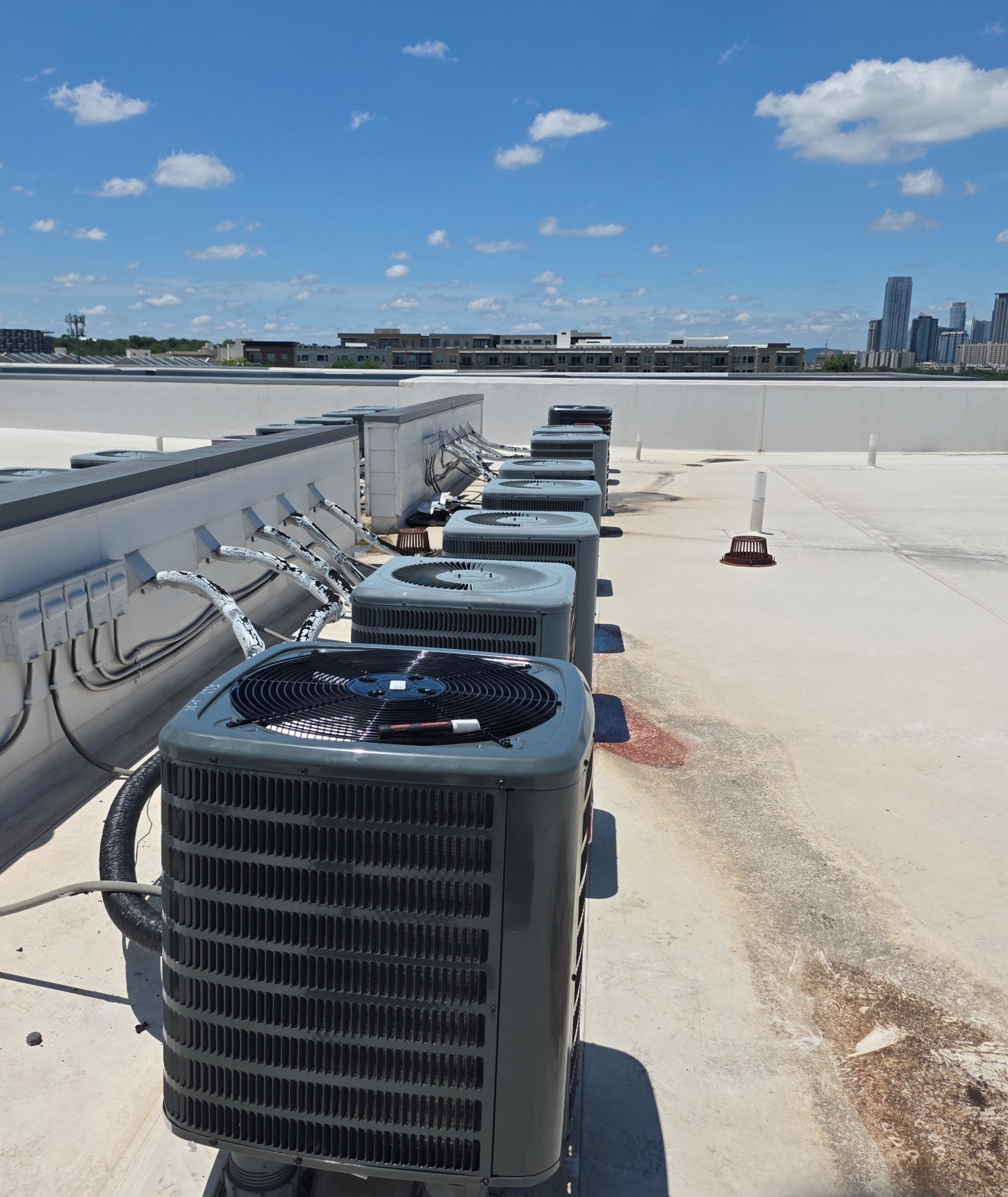
Maintaining a reliable air conditioning system in San Antonio is essential due to the region’s extreme summer heat and prolonged cooling seasons. Residents have access to a robust network of professional HVAC contractors, ranging from large-scale regional service providers to smaller, independent local businesses, all capable of performing emergency repairs, routine seasonal maintenance, and full system replacements.
Selecting the right AC service provider in San Antonio requires careful consideration of licensing, service scope, and technical expertise. Because the city experiences significant temperature fluctuations and high humidity, your choice of service partner often dictates the longevity of your cooling system. Whether you are troubleshooting a sudden failure, planning a seasonal tune-up, or investigating the cost-efficiency of a system upgrade, understanding your options is the first step toward effective climate control management.
Understanding the San Antonio HVAC Service Landscape
San Antonio’s climate is characterized by humid subtropical conditions. According to the National Weather Service, the city experiences intense heat that frequently exceeds 95°F during the summer months. This environmental demand puts a heavy burden on residential HVAC equipment. Consequently, the local market for air conditioning services is highly competitive and well-regulated.
When evaluating your options, you must distinguish between the types of service providers available:
- Large Regional Companies: These organizations often provide 24/7 availability and emergency response teams. They typically have standardized pricing, uniform quality control, and access to a larger inventory of replacement parts.
- Independent Local Contractors: These businesses often offer more personalized service and lower overhead costs. While they may not always operate around the clock, they are frequently cited for building long-term relationships with homeowners.
- Specialized HVAC Retailers: Some companies focus exclusively on installation and system design, while others prioritize long-term maintenance contracts.
Evaluating Service Prerequisites and Licensing
In Texas, all HVAC contractors must be licensed by the Texas Department of Licensing and Regulation (TDLR). This is the most important verification step a consumer can take. A licensed professional is required to carry specific insurance, including general liability and workers' compensation, which protects you as a homeowner in the event of property damage or injury during a service call.
Before allowing any technician to inspect your system, you should:
- Verify the License: Use the TDLR online license search portal to ensure the contractor’s license is currently active and in good standing.
- Confirm Insurance: Ask for a certificate of insurance. A reputable company will readily provide this documentation.
- Check for EPA Certification: Technicians handling refrigerants must be certified under Section 608 of the Clean Air Act. This is a federal requirement, not just a suggestion.
Routine Maintenance Versus Emergency Repair
One of the most significant decisions for San Antonio homeowners is choosing between reactive repair and preventative maintenance.
Preventative Maintenance Scheduling a professional tune-up twice a year—ideally before the peak cooling and heating seasons—can significantly extend the life of your unit. A standard maintenance visit should include checking refrigerant levels, cleaning the condenser coils, inspecting the blower motor, testing electrical connections, and replacing air filters. Preventative maintenance identifies minor issues, such as a failing capacitor or a refrigerant leak, before they become catastrophic failures.
Emergency Repair Emergency services are essential for unexpected failures during record-breaking heat. When selecting a provider for emergency situations, prioritize companies that offer a guaranteed response window. Be aware that after-hours or weekend visits often include an “emergency dispatch fee” in addition to standard labor and parts costs.
Comparative Factors for HVAC Service Selection
When choosing a service provider, consider the following variables to ensure the best fit for your specific needs:
| Factor | What to Look For | Why It Matters |
|---|---|---|
| Response Time | Stated 24/7 or same-day window | Vital during 100°F+ heat waves |
| License Verification | Active TDLR status | Ensures legal and safety compliance |
| Pricing Transparency | Flat-rate vs. hourly billing | Prevents surprise costs after work begins |
| Parts Warranty | Manufacturer and labor guarantee | Reduces long-term repair costs |
| Technical Expertise | NATE Certification | Demonstrates advanced industry training |
Common HVAC Problems in San Antonio
Given the regional climate, San Antonio homeowners frequently encounter specific mechanical failures. Identifying these can help you better describe the issue to a service technician.
- Refrigerant Leaks: If your system is running but blowing warm air, it may have a leak. Because refrigerant is a closed-loop system, it should never “run low” under normal operation. A leak requires professional detection and repair, followed by a system recharge.
- Capacitor Failure: This is a common, relatively inexpensive repair. If the outdoor unit makes a humming noise but the fan does not turn, the starting capacitor has likely failed.
- Clogged Condensate Lines: San Antonio’s humidity produces significant condensation. If the drain line becomes blocked by algae or debris, the unit may automatically shut off to prevent water damage. Regular flushing of the drain line is a critical maintenance task.
- Thermostat Issues: Sometimes the problem is not the AC unit itself but the control interface. Ensure your thermostat is updated and properly calibrated before calling for a professional diagnostic.
Assessing the Need for System Replacement
If your unit is more than 10–12 years old and requires frequent, expensive repairs, replacement is often more cost-effective than continued maintenance. Modern systems are rated with higher Seasonal Energy Efficiency Ratio (SEER2) numbers, which indicate higher efficiency and lower electricity consumption.
When considering a replacement, request a load calculation (Manual J calculation). A system that is too large for your home will cycle on and off too frequently, failing to dehumidify the air properly, while a system that is too small will run constantly, driving up energy costs and failing to cool the space.
Frequently Asked Questions (FAQ)
What should I do if my AC stops working during a heat wave? First, check your electrical breaker panel to ensure no switches have tripped. Next, verify that your thermostat is set to "cool" and that the air filter is clean. If these steps do not resolve the issue, contact an HVAC professional immediately. Be clear that you are without cooling, as many companies prioritize such cases.
Are maintenance contracts worth the cost? In San Antonio, they often are. Membership programs typically include two annual check-ups, discounted service call fees, and priority scheduling. For systems aged five years or older, the benefit of early detection often outweighs the annual membership fee.
How often should I change my air filters? Standard 1-inch filters should typically be replaced every 30 to 90 days, depending on your household pets, construction nearby, and personal air quality preferences. In San Antonio, heavy dust levels can clog filters faster, restricting airflow and damaging the system.
Can I perform my own AC repairs? You can perform basic maintenance, such as cleaning the exterior fins of your outdoor unit with a gentle garden hose (with the power off) and replacing air filters. However, any work involving the electrical cabinet, the compressor, or the refrigerant lines requires professional training and specialized tools.
What is NATE certification? NATE (North American Technician Excellence) is an independent, third-party organization that tests and certifies the technical knowledge of HVAC technicians. Choosing a company that employs NATE-certified technicians is a strong indicator of high-quality service standards.
How can I verify if a contractor is licensed? Visit the Texas Department of Licensing and Regulation (TDLR) website and use their "License Data Search" tool. You can search by company name or license number to confirm they are authorized to perform HVAC work in Texas.
Next Steps for Homeowners
To ensure your home remains comfortable throughout the year, start by creating a file for your HVAC system. Include the manufacturer’s documentation, the date of installation, and a log of all past service visits. If you are currently experiencing issues, verify the license of any contractor you invite into your home, and always request an itemized estimate before approving a significant repair. For ongoing system health, schedule your next seasonal maintenance visit during the off-peak months to avoid the rush and secure lower service demand.