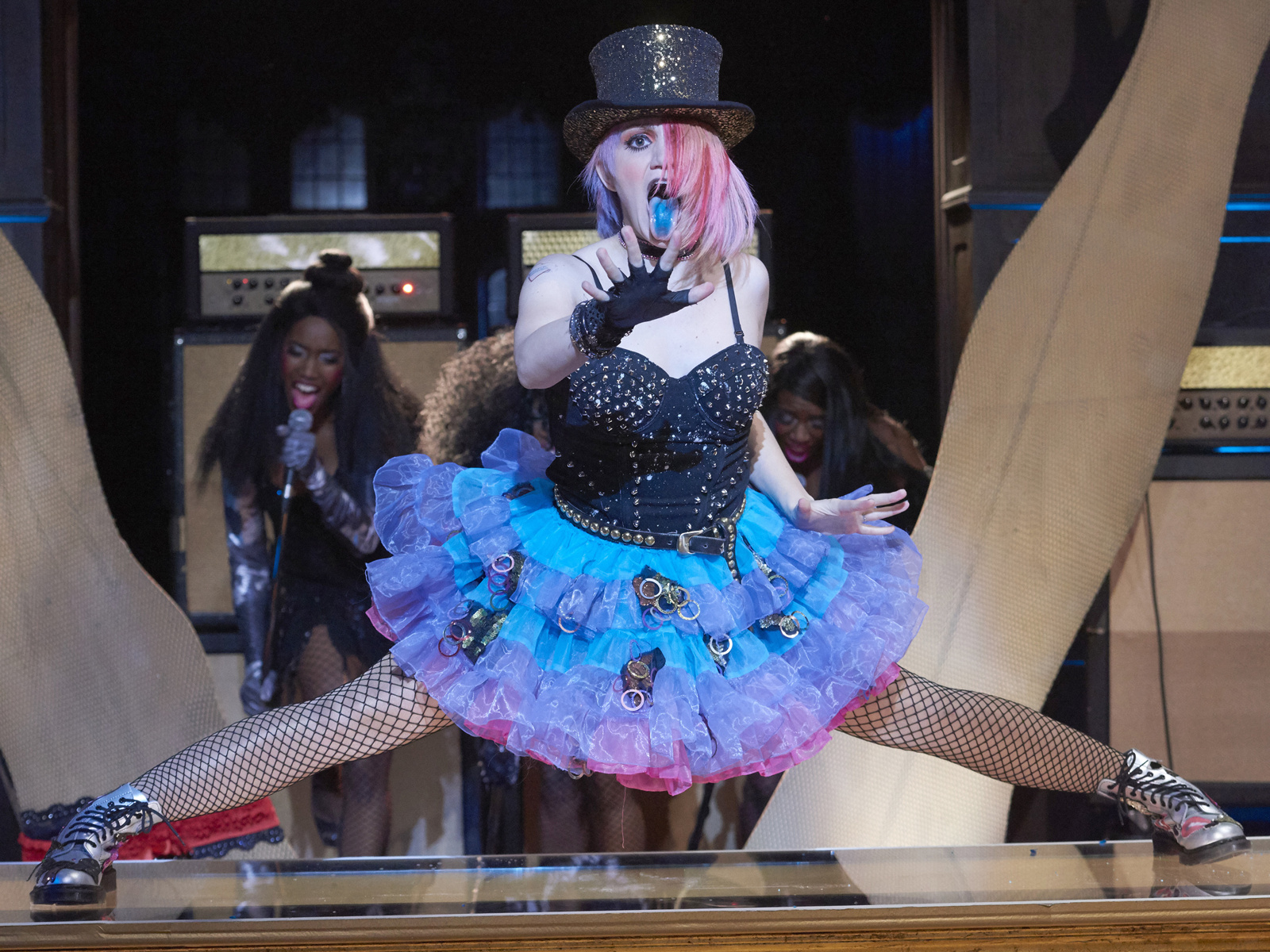
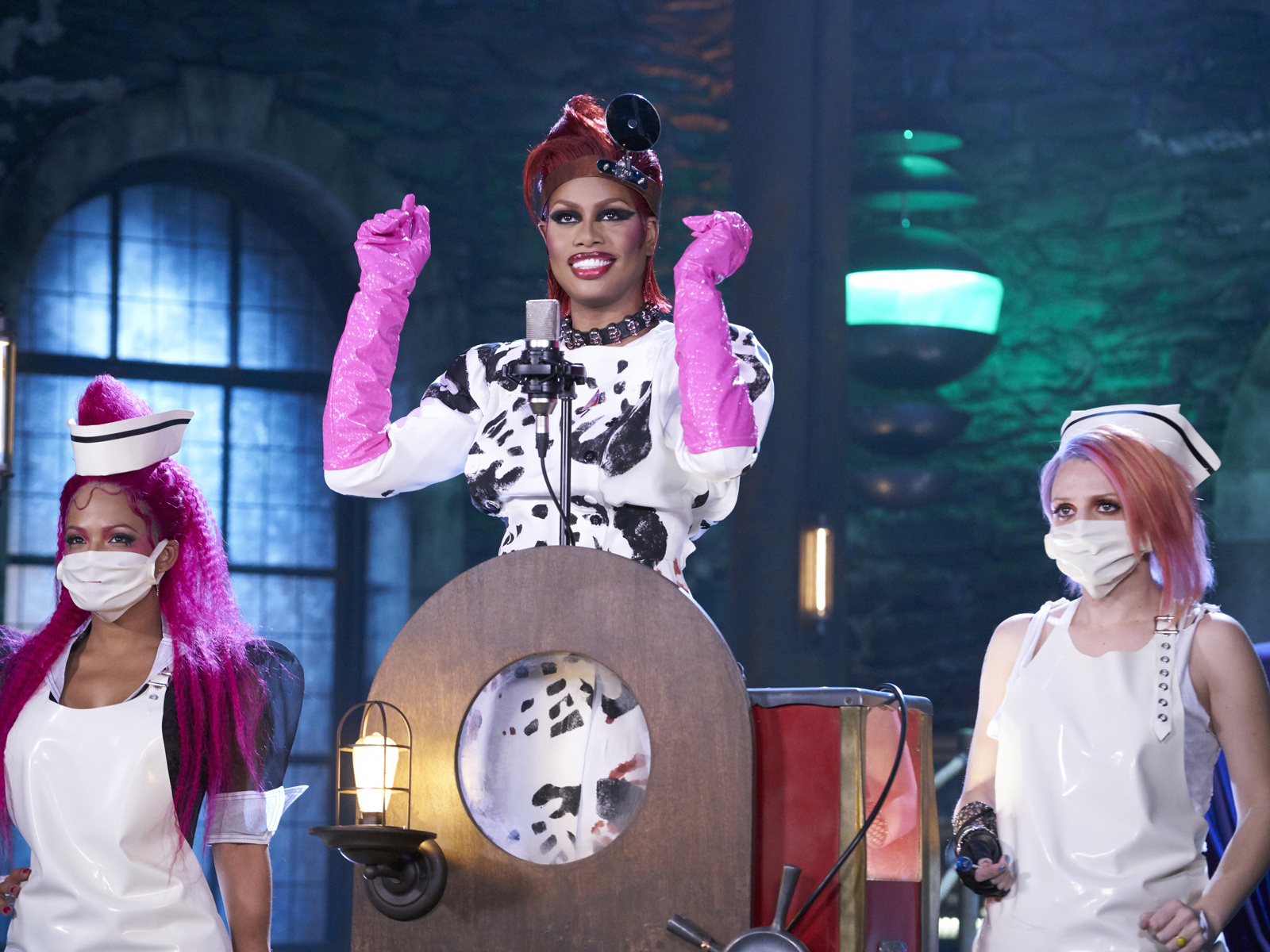
Annaleigh Ashford played the role of Glinda in the Broadway production of Wicked from October 9, 2007, to May 11, 2008. After initially serving as an understudy and performing the role on the First National Tour, she became a fan favorite, celebrated for her distinctive comedic timing and high-soprano vocal precision.
The history of Wicked on Broadway is a tapestry of elite performers, but few have left as indelible a mark on the character of Glinda as Annaleigh Ashford. Known today in 2026 as a multi-award-winning powerhouse of stage and screen, Ashford’s tenure in the Land of Oz remains a pivotal chapter in her career. To understand her contribution, one must look at the specific nuances she brought to the "Bubble," her chemistry with various Elphabas, and how her performance shaped the expectations for future actresses stepping into the Shiz University uniform.
The Journey to the Bubble: Ashford’s Wicked Timeline
Annaleigh Ashford did not simply walk onto the Gershwin Theatre stage as a lead on day one. Her journey with Wicked was one of steady ascent, reflecting the rigorous "proving grounds" of major Broadway productions. She joined the company in late 2006 as an understudy for the role of Glinda, providing cover for the main cast while honing the specific physical and vocal demands of the character.
In early 2007, Ashford joined the First National Tour (the "Emerald City" Tour), where she took over the lead role of Glinda. This period was crucial for her development. Touring productions often require a higher level of stamina and the ability to adapt to different acoustics and stage configurations across the country. Her success on the road proved to the producers that she was ready for the pinnacle of musical theater: the Broadway production.
On October 9, 2007, Ashford officially took over the role of Glinda at the Gershwin Theatre, succeeding Kendra Kassebaum. She performed the role until May 11, 2008, when Kassebaum returned to the production. During these seven months, Ashford solidified her reputation as one of the most inventive Glindas in the show’s history.
Defining the "Ashford Glinda": Comedic Genius and Vocal Prowess
When Kristin Chenoweth originated the role of Glinda in 2003, she set a high bar for operatic vocals and "blonde" humor. Every actress who followed had to find a way to honor that foundation while making the character their own. Ashford’s interpretation was marked by a hyper-specific brand of physical comedy and a unique vocal "chirp" that added a layer of youthful eccentricity to the character.
The "Popular" Evolution
The song "Popular" is the centerpiece of Glinda’s first-act development. While the choreography is generally standardized, Ashford introduced subtle, manic energy that made the character feel more spontaneous. She was particularly known for her "leg" bit—a high-energy kick or stretch during the makeover sequence—that emphasized Glinda’s desperate need for approval and her over-the-top vanity.
Her timing in the dialogue scenes, especially during the transition from the "OzDust Ballroom" to the bedroom scene, utilized pauses and facial expressions that leaned into the "clueless yet well-meaning" archetype. By 2026, many theater historians point to Ashford as the performer who most successfully bridged the gap between the character's early-show silliness and her late-show maturity.
Vocal Technicality
Vocally, the role of Glinda is notoriously difficult. It requires a legit operatic soprano for the opening "No One Mourns the Wicked" (hitting a high C) and a bright, "beltier" musical theater voice for songs like "Popular" and "What Is This Feeling?" Ashford managed this transition with ease. Her voice possessed a crystalline quality that sat perfectly atop the orchestral arrangements, but she also wasn't afraid to "ugly up" her voice for comedic effect—a technique she would later master in roles like Dot in Sunday in the Park with George and Mrs. Lovett in Sweeney Todd.
Cast Dynamics: The Ashford-Block and Ashford-Ellis Eras
A Glinda is only as strong as her Elphaba. During her Broadway run, Ashford performed opposite two of the most powerhouse Elphabas in the show’s history: Stephanie J. Block and Kerry Ellis.
- Stephanie J. Block (The Powerhouse Duo): Block’s Elphaba was grounded, intense, and vocally massive. Ashford’s lighter, more whimsical Glinda provided a perfect foil. Their chemistry in "For Good" was frequently cited by critics as a highlight of the 2007–2008 season, providing a grounded emotional anchor to a show that can sometimes feel overwhelmed by its spectacle.
- Kerry Ellis (The International Connection): When Ellis arrived from the West End production to play Elphaba on Broadway, Ashford was her primary counterpart. This pairing brought a fresh energy to the Gershwin, as Ellis’s rock-inflected vocals clashed beautifully with Ashford’s classic Broadway soprano.
Technical Requirements of Playing Glinda
To understand Ashford’s achievement, one must consider the physical and technical constraints of the role. In 2026, technology in theater has advanced, but the core mechanics of Wicked remain largely unchanged from its 2003 debut.
- The Bubble: The mechanical "Bubble" that lowers Glinda onto the stage is a massive piece of engineering. The actress must remain poised and sing a demanding opening number while suspended in mid-air. Ashford was noted for her apparent comfort in the apparatus, never letting the mechanical nature of the entrance detract from the character's ethereal introduction.
- Costume Changes: Glinda has some of the fastest and most complex costume changes in Broadway history. The "Bubble Dress" alone weighs several pounds and features intricate beadwork. Moving from the Shiz uniforms to the "Popular" nightgown and finally to the heavy traveling dress requires immense athleticism.
- Wig Maintenance: Ashford’s Glinda required a perfectly coiffed blonde wig that had to withstand high-energy choreography (including the aforementioned "Popular" kicks) without shifting.
Comparative Analysis: Ashford vs. Other Iconic Glindas
In the grand timeline of Wicked, certain actresses are defined by specific traits. As of 2026, here is how Ashford’s tenure compares to other notable Glindas:
| Performer | Tenure Era | Primary Characteristic | Notable Vocal Style |
|---|---|---|---|
| Kristin Chenoweth | Original Cast (2003) | High-operatic, originative | Coloratura Soprano |
| Megan Hilty | Mid-2000s | Powerhouse vocals, "perky" | Strong Mix/Belt |
| Annaleigh Ashford | 2007–2008 | Physical comedy, quirky timing | Bright, Agile Soprano |
| Kendra Kassebaum | Various (2005–2008) | Emotional vulnerability | Sweet, Lyric Soprano |
| Ariana Grande | Movie (2024/2025) | Pop sensibility, cinematic | Contemporary Pop-Soprano |
While Chenoweth created the blueprint, Ashford is often credited with proving that Glinda could be deeply weird and still be the "good witch." She leaned into the character’s social anxieties, making her more relatable to a younger generation of theatergoers.
Legacy and the Path to Tony Stardom
Looking back from the vantage point of 2026, it is clear that Wicked was the "launchpad" for Annaleigh Ashford’s status as a Broadway icon. While she was already a respected performer, the visibility of the role of Glinda allowed her to showcase the versatility that would eventually lead to her Tony Award for You Can't Take It With You and her acclaimed turns in Kinky Boots and Sweeney Todd.
Her time in Wicked also established her as a "replacement" success story. Many actors struggle to make a role their own when stepping into a long-running hit, but Ashford’s Glinda was so distinct that it felt like a new creation. This ability to reinterpret classic material became a hallmark of her later career, whether she was playing a 1930s aspiring ballerina or a cannibalistic pie-maker in Victorian London.
Common Misconceptions About Ashford’s Run
Despite her popularity, there are a few common misunderstandings about her time in the show that often surface in fan forums and theater archives:
- "She was the original Glinda": She was not. Kristin Chenoweth originated the role. Ashford was the fourth actress to play the role full-time on Broadway (following Chenoweth, Jennifer Laura Thompson, and Kendra Kassebaum).
- "She left to do Kinky Boots": While she is famous for Kinky Boots, she left Wicked in 2008. Kinky Boots did not premiere until several years later (2013). In between, she appeared in Legally Blonde and several other projects.
- "She is in the Wicked movie": As of the 2024 and 2025 film releases, Ashford does not have a primary role in the cinematic adaptation, though her influence on the character's comedic style is often cited by contemporary performers.
Frequently Asked Questions
When exactly did Annaleigh Ashford play Glinda on Broadway?
Annaleigh Ashford played the role of Glinda on Broadway from October 9, 2007, to May 11, 2008. Before this, she also played the role on the First National Tour earlier in 2007 and served as a Broadway understudy starting in 2006.
Who was the Elphaba to Ashford's Glinda?
During her Broadway run, she primarily performed alongside Stephanie J. Block and Kerry Ellis. On the First National Tour, she performed with Elphabas such as Victoria Matlock.
Is there a recording of Annaleigh Ashford in Wicked?
There is no official commercial cast recording featuring Annaleigh Ashford as Glinda. The original Broadway cast recording features Kristin Chenoweth. However, various promotional clips and "B-roll" footage from her tenure are preserved in the New York Public Library for the Performing Arts (TOFT) archives.
What was Annaleigh Ashford's Broadway debut?
While many think Wicked was her debut, she actually made her Broadway debut in Legally Blonde: The Musical in 2007, playing the role of Margot. She transitioned from Legally Blonde directly into the role of Glinda in Wicked.
How did her performance influence future Glindas?
Ashford is widely credited with introducing a higher level of improvisational-feeling physical comedy to the role. Her "Popular" routine, in particular, became a template for actresses looking to emphasize Glinda’s quirkiness rather than just her "mean girl" or "perfect" attributes.
Final Recommendation for Theater Enthusiasts
For those looking to understand the evolution of Wicked, studying Annaleigh Ashford’s tenure is essential. While you cannot see her live in the role in 2026, her influence persists in the way Glinda is directed and performed today. To get a sense of her Oz-era energy, fans should seek out her performances in Kinky Boots or her various cabaret specials, where she often revisits the comedic "quirks" that first made her a star at the Gershwin Theatre. If you are a student of musical theater, analyzing her transition from understudy to lead provides a masterclass in professional development and character ownership within a long-running franchise.