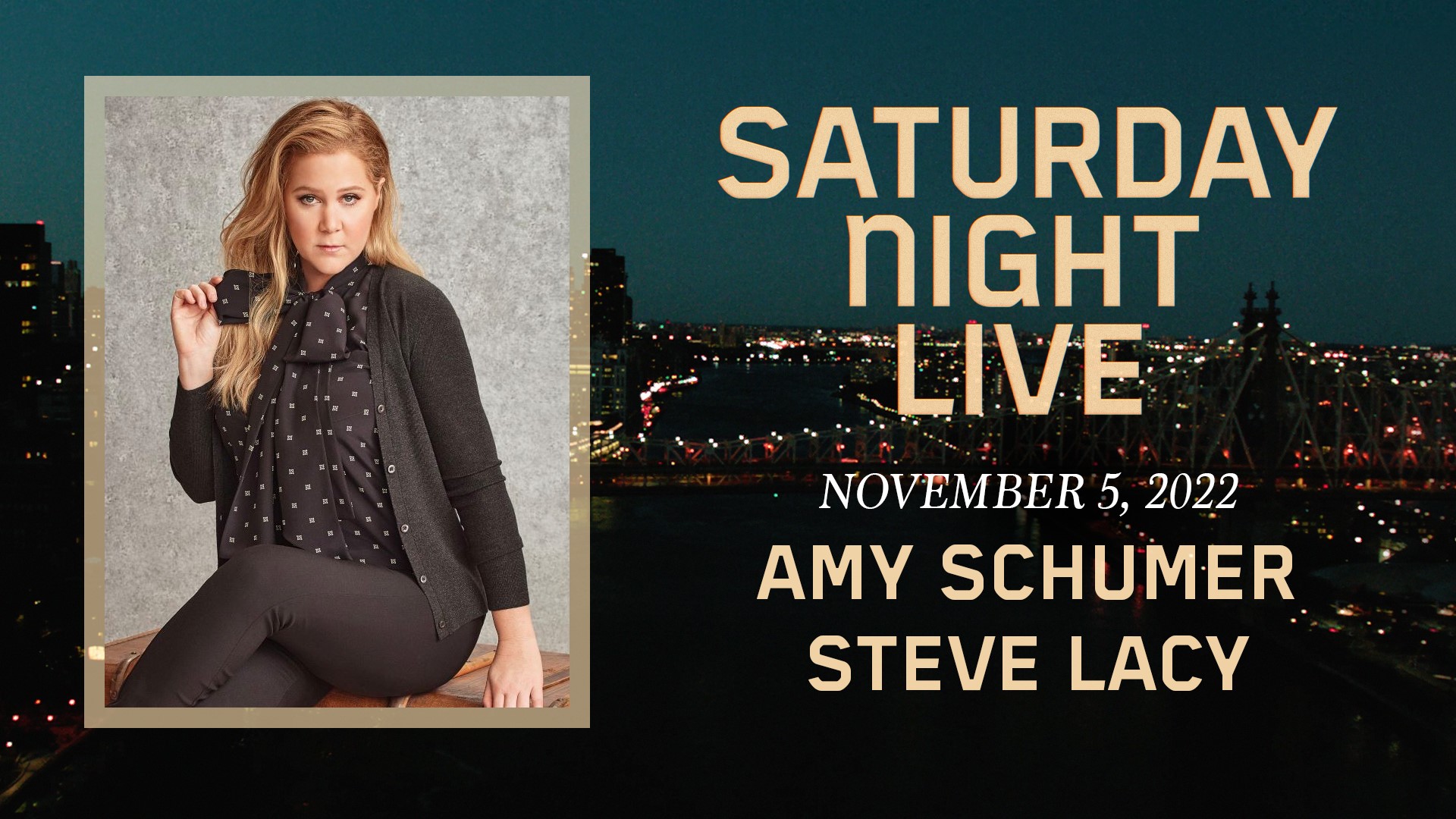
Amy Schumer’s appearances as a host on Saturday Night Live (SNL) serve as significant touchpoints in the comedian's career, highlighting her evolution from a stand-up specialist to a multi-hyphenate performer. Across her multiple stints in Studio 8H, Schumer has navigated the unique pressures of live sketch comedy, bringing her signature brand of irreverent, self-deprecating, and socially conscious humor to a national television audience. Analyzing her performance history requires looking at the collaborative process of the show, the reception of her specific sketches, and the logistical realities of hosting a program that moves at a breakneck speed.
The Dynamics of Hosting Saturday Night Live
Hosting Saturday Night Live is widely considered one of the most demanding tasks in live television. For a performer like Amy Schumer, whose background is rooted in stand-up comedy and her own sketch show, Inside Amy Schumer, the transition to SNL involves integrating into a pre-existing ensemble of cast members, writers, and technical staff. The process begins on a Tuesday, moves through the arduous table read, and culminates in a live broadcast on Saturday evening.
The "host" role acts as a bridge between the audience and the writers. They are responsible for anchoring the show’s momentum, participating in the iconic "cold open" sketch, and delivering a monologue that sets the tone for the night. For Schumer, these hosting opportunities provided a platform to refine her timing within the constraints of live television—a medium that does not allow for the careful editing possible in her scripted series. Her ability to pivot between different characters—ranging from absurd, high-concept personas to grounded, relatable archetypes—has defined her SNL appearances.
Chronology of Appearances and Creative Evolution
Amy Schumer first hosted Saturday Night Live on July 31, 2015, during the show’s 40th season, and she has returned to the stage multiple times since, including notable appearances in 2018 and 2022. Each visit reflects a different chapter in her professional life.
- The 2015 Debut: Her inaugural hosting gig followed the massive success of Trainwreck. During this appearance, the comedy focused heavily on the themes that propelled her to stardom: modern dating, gender expectations, and the absurdities of daily life. This performance established her as a host who was unafraid to challenge the audience's comfort zones.
- The 2018 Return: By 2018, Schumer had transitioned into different phases of her career, including marriage and pregnancy. Her sketches during this era reflected a shift in perspective, moving toward the realities of adulthood and the public's perception of her personal life.
- The 2022 Appearance: Her most recent work on the show highlighted a more seasoned performer who could lean into the camaraderie of the cast. These sketches often utilized pre-recorded segments to allow for more visual humor, playing to her strengths as a performer who enjoys high-production-value comedic bits.
The Anatomy of an Amy Schumer SNL Sketch
Analyzing the "Schumer style" of sketch reveals a reliance on specific tropes: the subversion of feminine stereotypes, the "gross-out" comedic element that catches the audience off guard, and the rapid-fire delivery of monologues.
When writing for or performing in these sketches, the goal is often to pinpoint a specific societal anxiety and stretch it to its breaking point. For example, sketches that parody modern corporate culture or the performative nature of social media often rely on Schumer’s ability to remain "straight-faced" while the situation around her dissolves into chaos. This is a technical skill—the ability to act as the "grounded" person in a room full of lunatics—which is a prerequisite for successful SNL hosting.
Comparative Performance Metrics
To understand how an SNL host is evaluated, one must look at both critical reception and viewer engagement. While ratings are rarely solely dependent on the host, the "buzz" generated by specific sketches often dictates the long-term legacy of an episode.
| Year | Season/Episode | Key Themes Explored | Critical Reception Focus |
|---|---|---|---|
| 2015 | S40, E21 | Dating, body image, pop culture | High energy, breakout sketches |
| 2018 | S44, E06 | Marriage, family, motherhood | Mature perspective, character work |
| 2022 | S48, E06 | Middle age, industry tropes | Improvisational timing, ensemble flow |
The table above illustrates the shift in thematic depth. While the earlier episodes relied on a "shock" factor and observational humor about singleness, the later episodes shifted toward self-reflection. This evolution is critical for any long-term comedic talent; the ability to adapt one’s persona to match their actual life stage is what keeps a performer relevant in the fast-paced world of sketch comedy.
Prerequisites for a Successful SNL Host
What makes a host "good" at Saturday Night Live? It is not merely a matter of being funny in a stand-up club. The primary requirements include:
- Improvisational Readiness: During the live show, technical glitches occur. A host who can stay in character during a dropped prop or a missed cue is invaluable.
- Table Read Stamina: The Tuesday table read can last for hours. A host must possess the energy to read dozens of scripts, knowing that only a fraction will make it to air.
- Ensemble Collaboration: SNL is a team sport. Hosts who attempt to take over the show often struggle. Schumer’s success is largely attributed to her willingness to let the permanent cast members shine in their own recurring segments.
- Vocal and Physical Discipline: Sketch comedy requires changing characters rapidly. A host must be comfortable with heavy makeup, costume changes, and quick physical movements, often within minutes of each other.
The Role of the Monologue
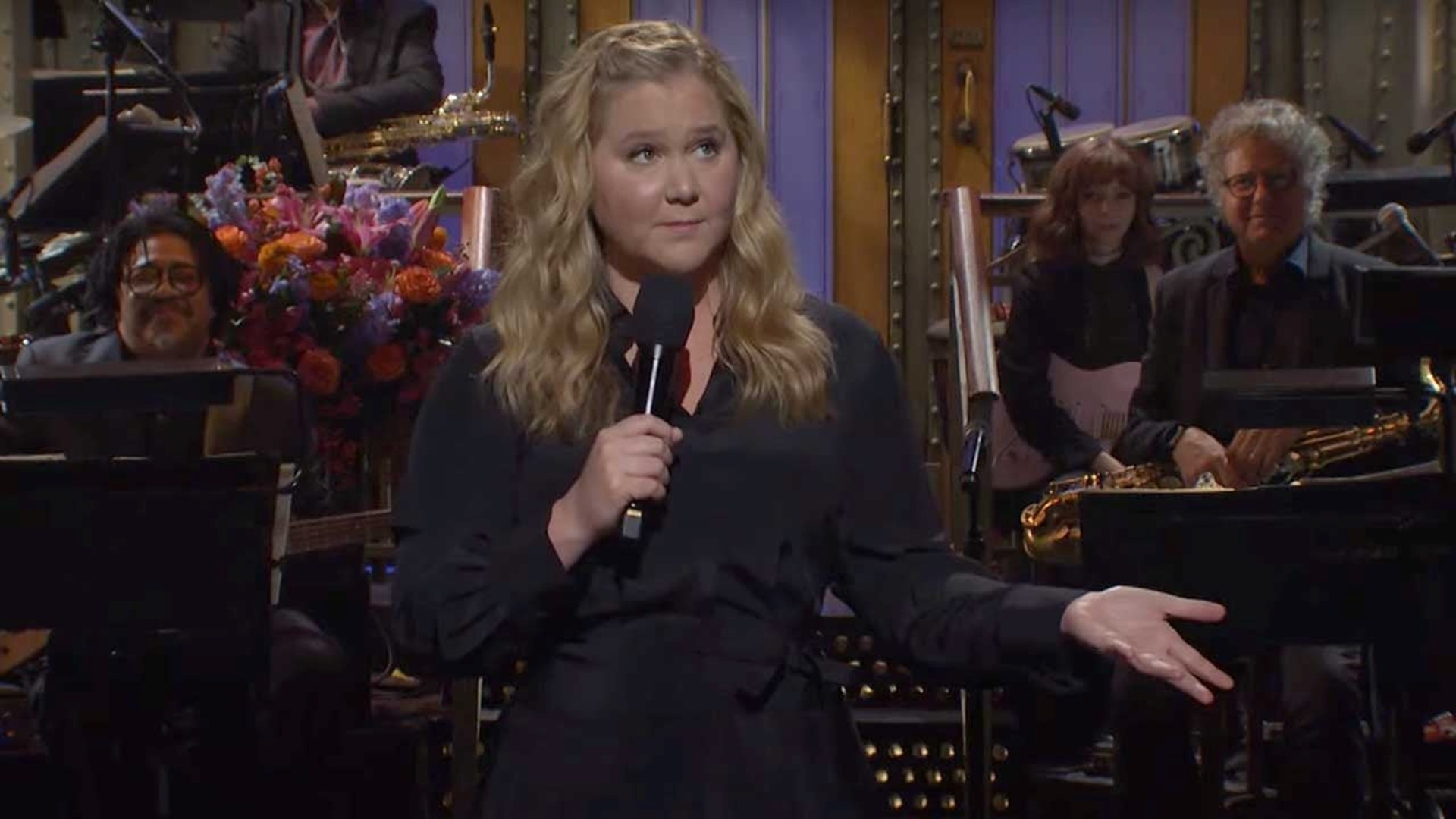
The monologue is the only time the host stands alone on the SNL stage. For Amy Schumer, these monologues have served as an extension of her stand-up set. She typically utilizes this time to address current events, her personal life, or the state of the comedy industry.
Technically, the monologue serves two purposes: it warms up the live audience in the studio and establishes the "vibe" of the evening. Schumer’s approach to the monologue is consistent: she balances vulnerability with sharp barbs, effectively signaling to the audience that they are in for an evening of comedy that will push boundaries.
Troubleshooting and Common Pitfalls
Many hosts—even seasoned comedians—falter at SNL. The most common issues involve:
- The "Dead Air" Trap: Failing to project confidence in the opening, leading to a flat audience response that is difficult to recover from.
- Over-rehearsing: Trying to make the sketches too perfect can sometimes kill the spontaneous energy that SNL is known for.
- Misunderstanding the Tone: Every SNL season has a different "personality" driven by the current cast. A host who tries to perform with the style of a season from five years prior will often feel out of sync.
Schumer has largely avoided these pitfalls by maintaining a close connection with the writers during the week. Her process involves active communication about which sketches resonate with her specific comedic voice, ensuring that the final output is authentic to her while remaining tailored to the SNL format.
Frequently Asked Questions
How does Amy Schumer prepare for an SNL hosting week? Preparation involves arriving early in the week for the pitch meeting. From there, it is a process of writing and rewriting scripts, participating in table reads, and moving into daily rehearsals that lead to the dress rehearsal on Saturday afternoon. The dress rehearsal is often used to gauge audience reaction, and significant cuts or changes may be made based on which sketches get the best laughs.
What is the most challenging part of hosting SNL? The most challenging aspect is the pace. Between blocking, lighting rehearsals, and costume fittings, there is very little downtime. Furthermore, the pressure to be funny in a live setting where millions are watching creates a high-stakes environment that differs significantly from filming a movie or performing a stand-alone comedy special.
Do hosts contribute to the writing process? Yes. While the SNL writing staff is incredibly prolific, hosts are encouraged to pitch ideas and provide input on the sketches they are involved in. Amy Schumer, being a writer herself, is known for being highly collaborative, often contributing to the "punches" or the structure of her scenes.
How does the audience reception of her SNL hosting compare to her films? The reception is usually different because the medium is different. Film allows for the building of a narrative and character arc over 90 minutes. SNL is about the "quick hit"—the ability to land a joke in three minutes or less. Fans of her movies often appreciate her SNL work because they see the "raw" version of her humor, stripped of the polish of a feature-film production.
Why does the host need to be in the "Cold Open"? The "Cold Open" is the most watched segment of the show because it often tackles the biggest political news of the week. Including the host in this segment is a way to immediately integrate them into the show's current narrative. It signals to the viewer that the guest is fully participating in the show's satirical mission.
Final Recommendations for Viewers
If you are looking to understand Amy Schumer’s comedic breadth, start by viewing her debut 2015 episode, followed by her more recent 2022 appearance. By comparing the two, you can see how her professional priorities and comedic style have matured over the course of seven years.
For those interested in the craft of sketch comedy, pay attention to her physical performance during the pre-taped digital shorts versus her live performances on the stage. The difference in her delivery between these two formats provides a masterclass in how to adjust one’s performance for the camera versus the live audience. Ultimately, her tenure on Saturday Night Live stands as a testament to the fact that while she has expanded her career into film and literature, her roots in the high-pressure, collaborative world of sketch remain a vital part of her artistic identity.