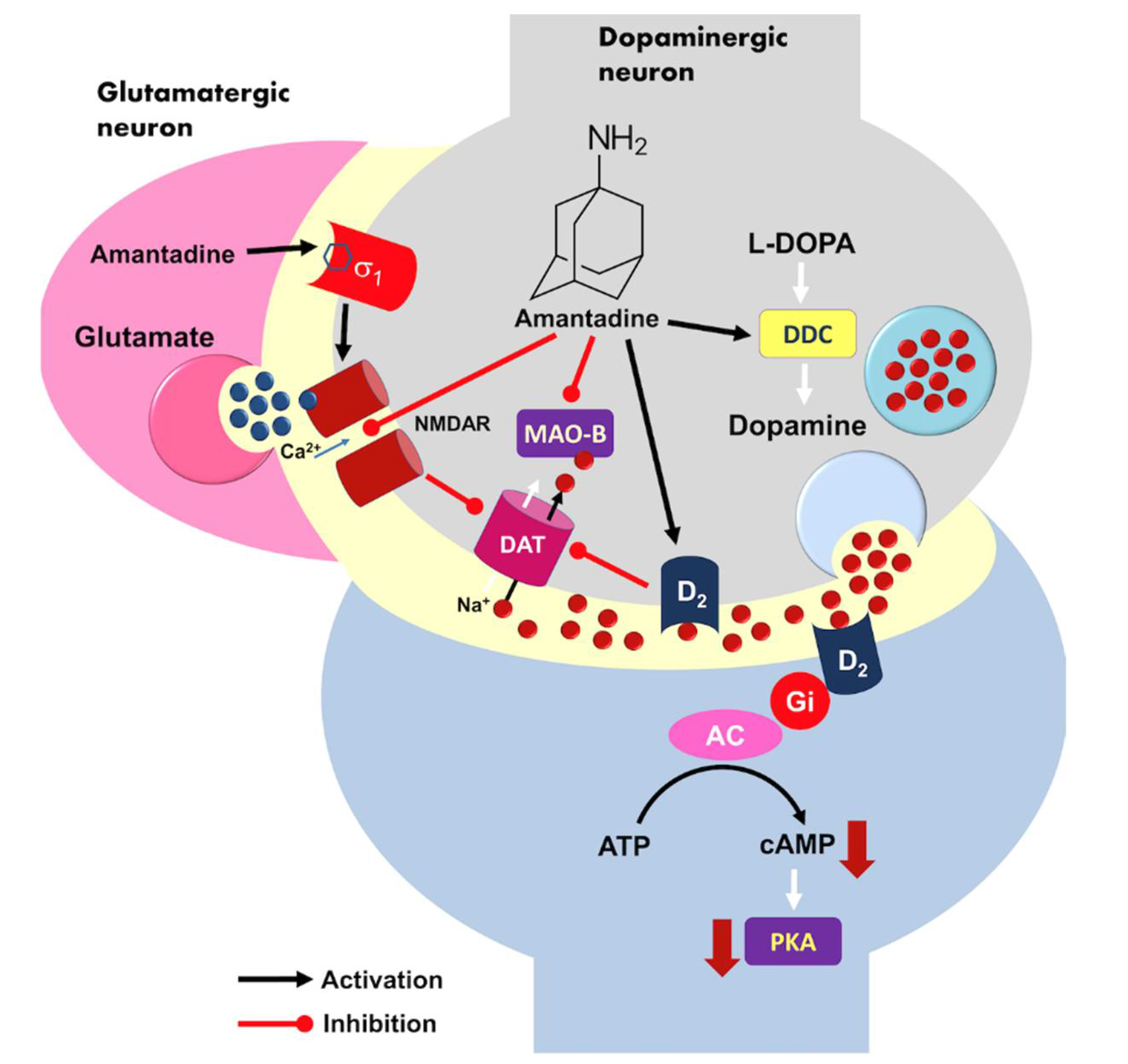
Amantadine is a synthetic tricyclic amine that functions primarily as an antiviral and antiparkinsonian agent, originally developed to inhibit the replication of influenza A viruses. While its role as an antiviral has been significantly diminished by widespread viral resistance, it remains a subject of study in pharmacology and infectious disease research due to its unique mechanism of action as an M2 ion channel blocker.
Historical Development and Initial Antiviral Indication
Amantadine (1-adamantanamine) was first synthesized in the early 1960s. In 1966, the United States Food and Drug Administration (FDA) approved it for the prophylaxis of respiratory infections caused by influenza A virus strains. During the late 20th century, it became a standard pharmaceutical intervention for mitigating the severity and duration of influenza symptoms if administered within the first 24 to 48 hours of infection.
The mechanism that made amantadine a revolutionary antiviral discovery was its specific interaction with the M2 protein of the influenza A virus. The M2 protein is a transmembrane ion channel essential for the viral life cycle. Specifically, the channel allows protons to enter the viral interior during the process of endosomal acidification. By blocking this channel, amantadine prevents the viral uncoating process—the stage where the virus releases its genetic material into the host cell. Without successful uncoating, the virus cannot replicate, effectively halting the infection at an early stage.
The Emergence of Widespread Viral Resistance
The utility of amantadine as an antiviral treatment reached a critical turning point in the early 2000s. Through a process of selective pressure, influenza A strains began to evolve mutations in the M2 protein gene, specifically at positions such as S31N, which rendered the drug ineffective. These mutations prevented amantadine from binding to the ion channel, allowing the virus to uncoat and replicate despite the presence of the medication.
By the 2005–2006 influenza season, surveillance data from the Centers for Disease Control and Prevention (CDC) indicated a rapid escalation in adamantane resistance among circulating H3N2 strains. This shift led to the formal update of clinical guidelines. Since 2006, the CDC has consistently recommended against the use of amantadine or its analog, rimantadine, for the treatment or prevention of currently circulating influenza A viruses. This resistance is considered nearly universal in seasonal influenza strains currently monitored in clinical environments as of 2026.
Comparison of Antiviral Strategies and Agents
The transition away from amantadine as an antiviral paved the way for newer classes of inhibitors that target different stages of the viral life cycle. While amantadine targeted the uncoating process, modern standard-of-care treatments primarily target neuraminidase, an enzyme that allows newly formed viral particles to exit the host cell.
| Medication Class | Target Mechanism | Primary Usage | Resistance Status |
|---|---|---|---|
| Adamantanes | M2 Ion Channel | Historical Influenza A | High/Universal |
| Neuraminidase Inhibitors | Neuraminidase Enzyme | Influenza A and B | Generally Low |
| Cap-Dependent Endonuclease Inhibitors | Viral Replication | Influenza A and B | Variable/Low |
The failure of amantadine serves as a foundational case study in virology regarding the importance of monitoring drug susceptibility. The shift from M2 inhibitors to neuraminidase inhibitors represents a broader trend in medicine: prioritizing treatments with higher genetic barriers to resistance.
The Parkinson’s Disease Intersection
While its antiviral application has largely ceased, amantadine remains a clinically relevant medication in neurology. In 1968, clinical observations revealed that patients taking amantadine for influenza experienced improvements in symptoms related to Parkinson’s disease. This led to its repurposing as an antiparkinsonian agent.
In this context, amantadine acts as an N-methyl-D-aspartate (NMDA) receptor antagonist. It helps manage tremors and rigidity by modulating glutamatergic neurotransmission in the brain. It is also frequently prescribed to treat levodopa-induced dyskinesia—a common side effect of long-term Parkinson’s treatment characterized by involuntary, erratic movements. It is vital to note that this neurological use is distinct from its original purpose as an antiviral. Patients using amantadine for neurological indications must be supervised by a specialist to manage potential side effects such as confusion, hallucinations, or livedo reticularis (a skin condition).
Pharmacokinetics and Safety Profile
Understanding the behavior of amantadine in the body is essential, even if its antiviral application is restricted. Amantadine is well-absorbed orally and is excreted primarily by the kidneys in an unchanged form. Because it is not metabolized by the liver, it does not interact with the cytochrome P450 system in the same way many other drugs do. However, its reliance on renal clearance makes it hazardous for patients with impaired kidney function.
Clinical safety profiles have identified several critical considerations for patients, regardless of the indication:
- Renal Impairment: Dosage adjustments are mandatory for patients with reduced creatinine clearance. Toxic levels can lead to severe confusion and seizures.
- Central Nervous System Effects: Dizziness, insomnia, and nervousness are common. These effects are dose-dependent.
- Cardiac Risks: While rare, there is a risk of orthostatic hypotension. Patients should be monitored for sudden changes in blood pressure, especially when initiating therapy or increasing doses.
- Withdrawal: Abrupt discontinuation of amantadine, particularly in patients being treated for Parkinson’s disease, can result in severe withdrawal syndromes or exacerbation of neurological symptoms.
Current Research and Future Directions
As of 2026, research into amantadine is largely focused on its role in neuro-pharmacology and potential repurposing for conditions related to glutamate excitotoxicity. In the realm of infectious diseases, researchers occasionally study adamantane-like structures in the pursuit of next-generation antiviral design, but the drug itself is no longer viewed as a viable monotherapy for respiratory viruses.
Efforts in current antiviral research have moved toward broad-spectrum inhibitors that are less susceptible to the point mutations that undermined amantadine’s effectiveness. The history of this drug serves as a primary example of how viral evolution can render targeted pharmaceutical therapies obsolete, emphasizing the necessity for constant surveillance of viral genetics.
Frequently Asked Questions
1. Is amantadine still used to treat the flu?
No. Due to nearly universal resistance among circulating influenza A viruses, health organizations such as the CDC do not recommend amantadine as an antiviral treatment for the flu. Its use in this capacity has been deprecated since 2006.
2. Why did amantadine stop working against influenza?
Influenza viruses are highly prone to genetic mutation. The virus developed specific mutations in the M2 protein gene, which is the exact site where amantadine binds. These mutations changed the shape of the protein, preventing the drug from attaching and effectively blocking the virus's ability to uncoat.
3. If I take amantadine for Parkinson’s, does it protect me from the flu?
No. The dose and the mechanism required for neurological benefit are distinct from what would be required for antiviral effect. Furthermore, because circulating flu viruses are resistant to the drug, it offers no clinical protection against modern influenza strains.
4. What are the main side effects of amantadine?
Common side effects include nausea, dizziness, insomnia, and dry mouth. More serious side effects, particularly in older adults or those with kidney issues, can include confusion, hallucinations, and peripheral edema. Always consult with a healthcare professional regarding your specific health profile.
5. Can amantadine be used for other viral infections?
Amantadine was specifically developed to target the M2 protein of the influenza A virus. It does not have clinical efficacy against other viruses, such as influenza B, coronaviruses, or rhinoviruses, as those viruses do not possess the M2 ion channel target that is sensitive to this drug class.
Recommendation for Patients
If you are seeking treatment for an active viral respiratory infection, do not rely on legacy information regarding amantadine. Current clinical standards prioritize rapid diagnostic testing followed by the use of FDA-approved neuraminidase inhibitors or cap-dependent endonuclease inhibitors. If you are currently prescribed amantadine for a neurological condition, continue your regimen as directed by your neurologist. If you experience new symptoms or concerns about your medication, contact your primary care provider or pharmacist for a medication review.