Altitude sickness, or Acute Mountain Sickness (AMS), occurs when your body struggles to adjust to the lower oxygen levels found at high elevations like Aspen’s 7,908-foot base. For hikers and skiers in 2026, prevention through gradual acclimatization, proper hydration, and recognizing early symptoms like headaches or nausea is essential for a safe mountain experience.
Understanding Altitude in the Roaring Fork Valley
Aspen, Colorado, is a world-class destination, but its geography poses a physiological challenge to visitors arriving from sea level. To understand the risk, one must first look at the elevations involved. While the city of Aspen sits at approximately 7,908 feet (2,410 meters), the surrounding peaks and ski areas reach much higher. Snowmass Top of the Burn reaches 11,835 feet, and the summit of Highlands Bowl towers at 12,392 feet.
At these elevations, the barometric pressure is significantly lower than at sea level. Although the percentage of oxygen in the air remains constant at about 21%, the "thin air" means there are fewer oxygen molecules available in every breath. For a skier flying in from New York or Los Angeles, the body is suddenly forced to work much harder to oxygenate tissues, leading to the various conditions collectively known as altitude sickness.
In 2026, with the increasing popularity of high-altitude "workcations" and year-round outdoor recreation, understanding these risks is more relevant than ever. Whether you are trekking the Maroon Bells-Snowmass Wilderness or carving through the Silver Queen Gondola's terrain, your physiological response to elevation will dictate the quality of your trip.
The Science of High Altitude: Why Your Body Reacts
When you ascend to high altitudes, your body initiates several compensatory mechanisms. The most immediate response is an increase in your breathing rate (hyperventilation) and heart rate. This is the body’s attempt to move more oxygen through the bloodstream. However, these changes can lead to a shift in blood pH and a loss of fluids through respiration and increased urination (high-altitude diuresis).
The primary cause of altitude sickness is hypoxia—a state where the tissues are not receiving enough oxygen to maintain normal homeostasis. As the body struggles to adapt, fluid can begin to leak from small blood vessels. In mild cases, this causes the swelling in hands and feet often seen by hikers. In severe cases, this fluid can accumulate in the lungs or brain, leading to life-threatening conditions.
The Role of Partial Pressure
It is a common misconception that there is "less oxygen" at high altitudes. In reality, the partial pressure of oxygen decreases. At sea level, the pressure pushes oxygen across the lung membranes into the blood with ease. In Aspen, that pressure is reduced by nearly 25%, and at the top of the ski peaks, it can be reduced by over 30%. This physical barrier makes it harder for your hemoglobin to saturate with oxygen, regardless of how deeply you breathe.
Recognizing the Symptoms: From Mild to Critical
Altitude sickness is generally categorized into three distinct syndromes. Recognizing which one you or your companions are experiencing is the most critical skill for any Aspen visitor.
Acute Mountain Sickness (AMS)
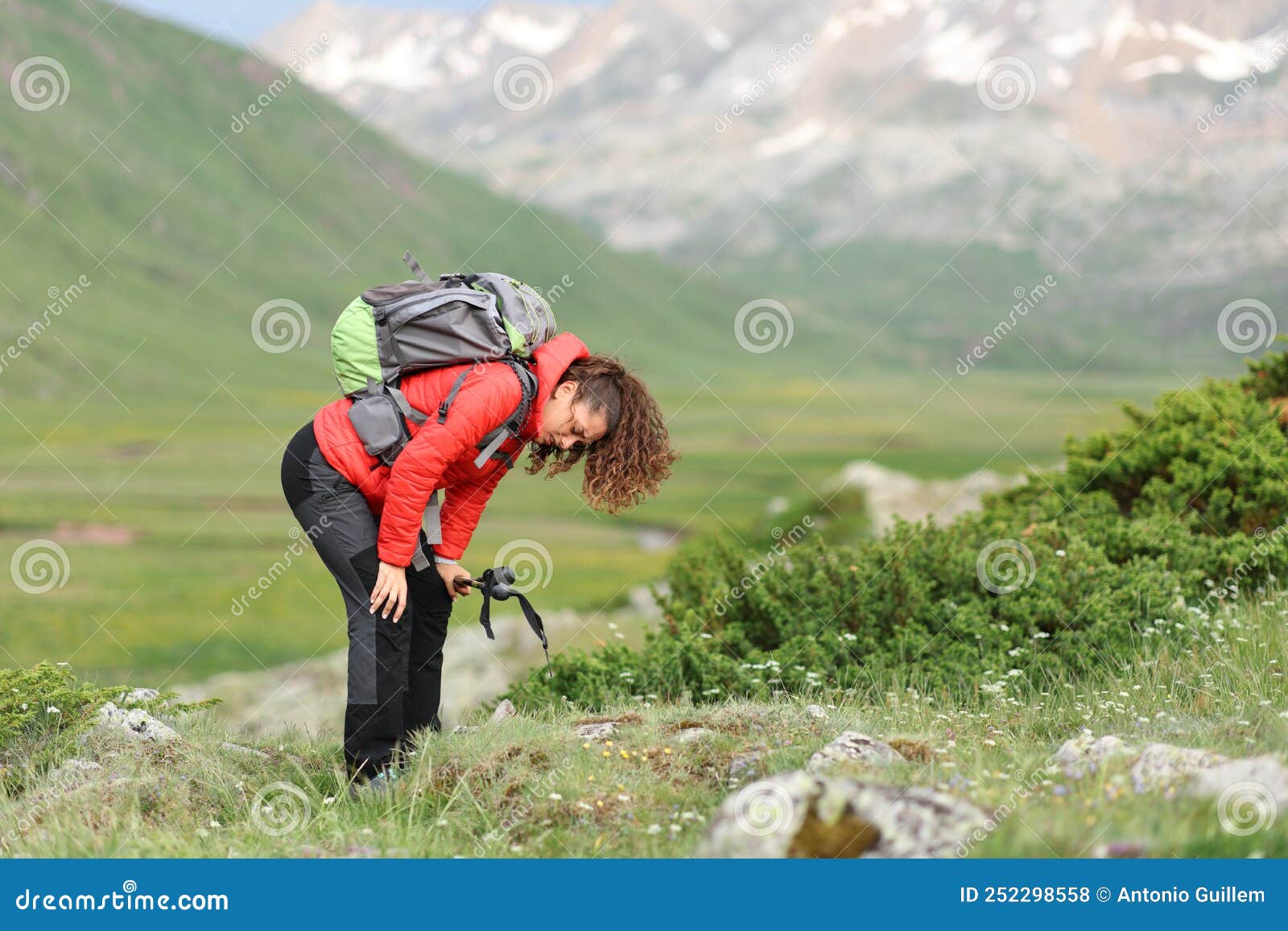
AMS is the most common form of altitude illness, affecting roughly 25% of visitors who sleep above 8,000 feet. It is often described as feeling like a "bad hangover." Symptoms typically appear within 6 to 24 hours of arrival and include:
- Headache: Usually throbbing and located behind the eyes or temples.
- Fatigue and Lassitude: An unusual level of exhaustion given the activity.
- Nausea and Loss of Appetite: Feeling "off" or unable to eat.
- Dizziness or Lightheadedness: Especially when standing up quickly.
- Insomnia: Difficulty sleeping or frequent waking, often accompanied by "periodic breathing."
High Altitude Pulmonary Edema (HAPE)
HAPE is a medical emergency caused by fluid buildup in the lungs. It can occur independently of AMS and is the leading cause of death related to high-altitude exposure. Skiers and hikers should watch for:
- Extreme fatigue and breathlessness, even while resting.
- A persistent, dry cough that may eventually produce pink, frothy sputum.
- Gurgling sounds in the chest.
- Cyanosis (blue-tinted lips or fingernails).
High Altitude Cerebral Edema (HACE)
HACE is the most severe form of altitude sickness, involving the swelling of the brain. It is rare at Aspen’s base elevation but can occur on the higher peaks or if mild symptoms are ignored during a rapid ascent. Key indicators include:
- Ataxia: Loss of coordination or a "drunken" stagger.
- Confusion and Irritability: Significant changes in personality or cognitive ability.
- Hallucinations: In advanced stages.
- Coma: If not treated immediately by descent.
Risk Factors for Hikers and Skiers in Aspen
Not everyone who visits Aspen will get sick, but certain factors increase the likelihood of developing symptoms.
- Rate of Ascent: This is the single most important factor. Flying from sea level directly into Aspen (7,908 ft) is a significant jump. If you immediately take the gondola to the top of Aspen Mountain (11,212 ft) for a strenuous hike or ski run, the risk multiplies.
- Physical Exertion: While being fit is generally good, "overdoing it" on the first day is a common mistake. High-intensity exercise increases oxygen demand, which the body cannot yet meet.
- Previous History: If you have experienced AMS before, you are statistically more likely to experience it again.
- Dehydration and Alcohol: Aspen’s climate is extremely dry. Alcohol is a diuretic and a respiratory depressant, both of which interfere with the body’s ability to acclimatize. In 2026, many local "après-ski" spots offer low-alcohol or hydrating alternatives to help visitors stay safe.
- Underlying Health Conditions: Individuals with pre-existing heart or lung conditions should consult a physician before traveling to Aspen, as these organs are under the most stress at elevation.
Prevention Strategies: How to Acclimatize in 2026
The best way to enjoy your Aspen vacation is to prevent altitude sickness before it starts. Following a structured acclimatization schedule is highly recommended.
The "Stay Low" First Night Rule
If possible, spend your first night in Colorado at a lower elevation, such as Denver (5,280 ft) or Glenwood Springs (5,761 ft). This "stair-step" approach gives your kidneys time to adjust the blood pH and begin producing more red blood cells.
Hydration and Nutrition
The dry mountain air causes you to lose water through your breath twice as fast as at sea level. Aim to drink an extra 1 to 1.5 liters of water daily. Additionally, a diet high in carbohydrates (60-70% of calories) is beneficial during the first few days. Carbohydrates require less oxygen to metabolize than fats or proteins and can improve your energy levels.
Medication (Consult Your Doctor)
Acetazolamide (Diamox) is the most common prescription medication used to prevent and treat AMS. It works by acidifying the blood, which stimulates the brain to breathe faster, thereby increasing oxygen intake. In 2026, many travel clinics suggest starting Diamox 24 hours before your ascent. Note that it is a sulfonamide, so those with sulfa allergies should avoid it.
Monitor Your Effort
For the first 24 to 48 hours in Aspen, limit yourself to "easy" activities. Instead of hiking the Ute Trail or skiing the "Dumps" on day one, take a stroll through the downtown core or enjoy a scenic drive. Allow your body to use its limited oxygen for acclimatization rather than heavy muscle recovery.
Treatment Options and When to Seek Medical Help
If you begin to feel symptomatic, the most important rule of the mountains is: Do not go higher.
- For Mild AMS: Rest and hydration are key. Over-the-counter pain relievers like ibuprofen or acetaminophen can help with headaches. If symptoms do not improve within 24 hours, you must descend.
- Oxygen Therapy: Many hotels in Aspen now offer supplemental oxygen concentrators in guest rooms, and mobile oxygen services have become a standard amenity in 2026. Breathing 100% oxygen for short periods can alleviate symptoms, though it does not replace the need for acclimatization.
- Descent: This is the only definitive cure for altitude sickness. A descent of even 1,000 to 2,000 feet can provide immediate and dramatic relief. If you are in Aspen and feel your symptoms worsening, moving toward Basalt or Glenwood Springs is a practical step.
When to Seek Emergency Care
Go to the Aspen Valley Hospital or call 911 immediately if you experience:
- Confusion or inability to walk a straight line.
- Shortness of breath while sitting still.
- A cough that won't stop.
- Loss of consciousness.
Comparison of Altitude-Related Conditions
| Condition | Severity | Primary Symptoms | Immediate Action |
|---|---|---|---|
| AMS | Mild to Moderate | Headache, nausea, fatigue, insomnia. | Stop ascent, rest, hydrate, consider Diamox. |
| HAPE | Critical | Shortness of breath at rest, persistent cough, chest tightness. | Immediate descent, supplemental oxygen, medical emergency. |
| HACE | Life-Threatening | Ataxia (stumbling), confusion, altered mental state. | Immediate descent, evacuation, medical emergency. |
| High Altitude Peripheral Edema | Mild | Swelling of hands, feet, and face. | Monitor symptoms, usually resolves with hydration/rest. |
Local Resources in Aspen and Snowmass
Aspen is well-equipped to handle altitude-related issues, given its status as a high-elevation hub.
- Aspen Valley Hospital: Located at 0401 Castle Creek Rd, Aspen, CO. They have extensive experience treating AMS, HAPE, and HACE.
- Snowmass Village Medical Care: Provides urgent care services closer to the Snowmass ski slopes.
- Oxygen Services: Numerous local companies provide "oxygen bars" and deliver portable canisters or concentrators directly to rentals and hotels.
- Pharmacies: Local pharmacists in Aspen are well-versed in altitude medications and can provide advice on over-the-counter aids and supplements like chlorophyll or specialized electrolyte mixes.
Practical Recommendations for 2026 Travelers
To ensure your trip to the Roaring Fork Valley is memorable for the right reasons, follow these final tips:
- Plan a "Buffer Day": Do not schedule your most difficult hike or your hardest ski day for the first 48 hours of your trip.
- Avoid Sleeping Pills: Many sedatives can suppress your breathing during sleep, which is already compromised at high altitudes. If you have trouble sleeping, consult a doctor about altitude-specific sleep aids.
- Sun Protection: Altitude sickness isn't the only risk; the atmosphere is thinner, meaning UV rays are much stronger. Wear high-SPF sunscreen and polarized sunglasses to prevent snow blindness and heat-related fatigue that can mimic AMS.
- Listen to Your Body: There is no "toughing it out" with hypoxia. If you have a persistent headache that doesn't respond to water and ibuprofen, your body is telling you it hasn't adjusted yet.
By respecting the elevation and taking proactive steps to help your body adapt, you can safely enjoy the incomparable beauty of Aspen’s peaks and trails.
Medical Disclaimer: This article is for informational purposes only and does not constitute medical advice. Always consult with a qualified healthcare provider regarding any medical condition or treatment, especially before traveling to high altitudes or starting new medications.