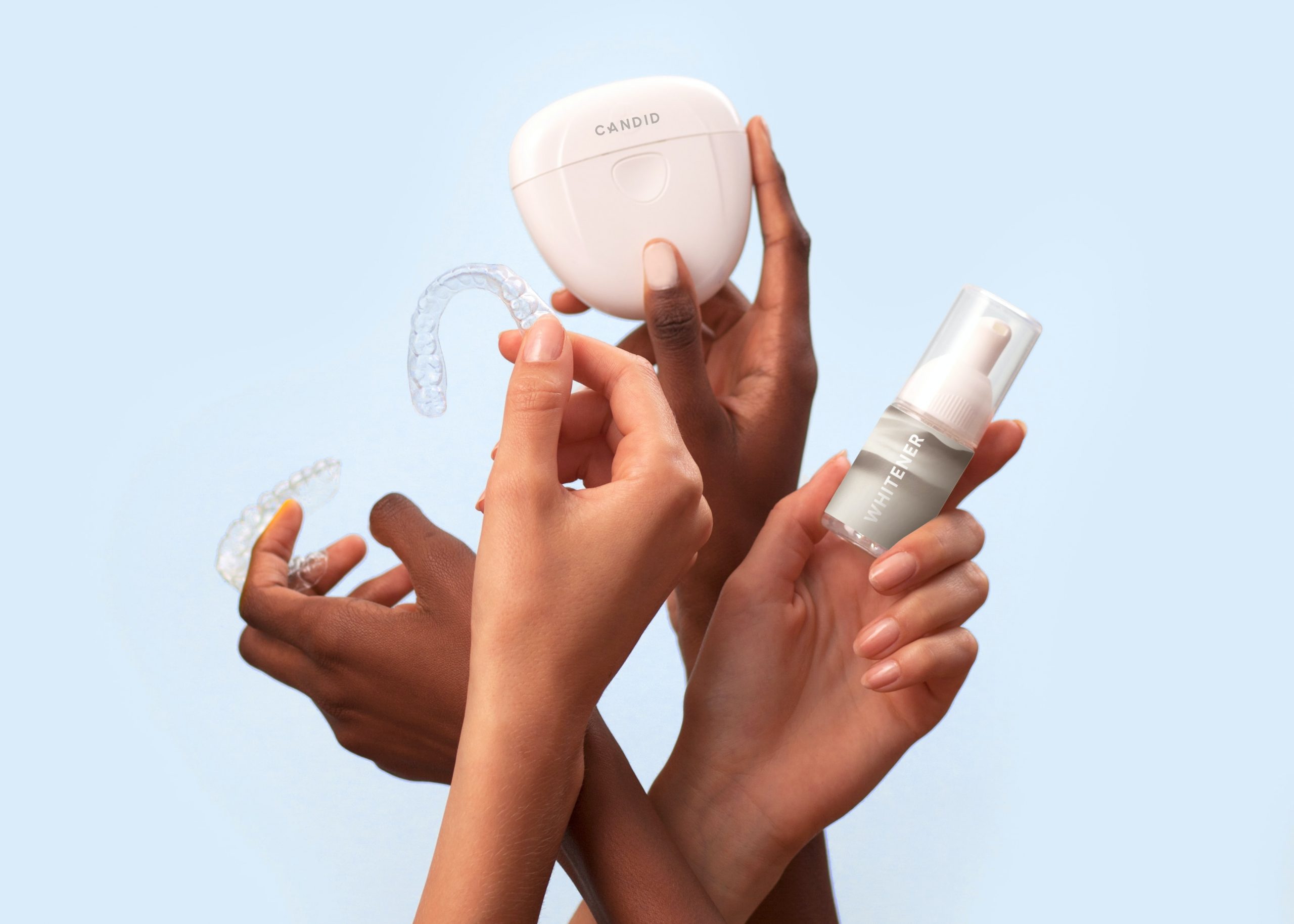
Adults seeking straighter teeth in 2026 have several effective alternatives to traditional metal braces, most notably clear aligners like Invisalign, lingual braces placed behind the teeth, and ceramic braces. For those focusing solely on aesthetics rather than structural bite correction, "instant orthodontics" such as porcelain veneers or dental bonding offer rapid results without the need for long-term tooth movement.
Deciding to straighten your teeth as an adult involves a different set of priorities than those of a teenager. While adolescents might view braces as a rite of passage, adults often prioritize discretion, comfort, and the ability to maintain professional appearances. Fortunately, the orthodontic landscape in 2026 has evolved to provide solutions that are nearly invisible and significantly more efficient than the bulky "train tracks" of the past.
The shift toward adult orthodontics is driven by advancements in digital scanning, 3D printing, and material science. Whether you are correcting a relapse from childhood treatment or addressing long-standing crowding, understanding the technical specifications, costs, and requirements of modern alternatives is the first step toward a healthier smile.
Medical Disclaimer: This information is for educational purposes and does not substitute for professional medical advice. Always consult a licensed orthodontist to determine the best treatment for your specific dental anatomy.
Clear Aligners: The Leading Alternative to Braces
Clear aligners have become the gold standard for adult orthodontic treatment. Unlike fixed appliances, these are custom-made, removable plastic trays that gradually shift teeth into their desired positions. By 2026, the technology behind these aligners—utilizing advanced thermoplastic materials—has reached a point where they can treat approximately 90% of orthodontic cases, including complex malocclusions that once required surgery or metal wires.
How Clear Aligners Work
The process begins with a high-definition intraoral scan, which replaces the uncomfortable physical putty molds of the past. This scan creates a 3D digital model of your mouth. Orthodontists then use specialized software to map out the precise movement of every tooth. A series of aligners are 3D-printed; each set is worn for approximately one to two weeks before moving to the next in the series.
The primary benefit of clear aligners is their removability. This allows for normal eating habits and easier oral hygiene, as you can brush and floss without navigating around wires. However, compliance is the most critical factor. For the treatment to be effective, aligners must be worn for 20 to 22 hours per day.
In-Office vs. At-Home Aligner Systems
As of 2026, the market is divided into two primary models:
- In-Office Systems (e.g., Invisalign): These involve regular face-to-face visits with an orthodontist. They often utilize "attachments"—small, tooth-colored bumps bonded to the teeth—to give the aligners more grip for complex movements like rotations or vertical shifts.
- Hybrid/Direct-to-Consumer (e.g., Byte, Candid): These services often use remote monitoring. While some systems in 2026 require an initial in-person scan at a partner clinic, the ongoing progress is tracked via high-resolution photos sent through a mobile app. These are generally more affordable but are best suited for mild to moderate crowding rather than severe bite issues.
Lingual Braces: The Truly Invisible Option
For patients who want the power of fixed braces without the visible hardware, lingual braces are the premier choice. Unlike traditional braces, the brackets and wires are bonded to the lingual (tongue-side) surface of the teeth.
Technical Precision and Customization
Lingual braces are highly technical and require specialized training for the orthodontist. Systems like Incognito or Brava utilize CAD/CAM technology to create brackets that are 100% customized to the unique contours of the back of your teeth. This customization is necessary because the back of each tooth is shaped differently, unlike the relatively uniform front surfaces.
The primary advantage is that they are completely hidden from view. Even from a close distance, it is virtually impossible for others to see the appliance. This makes them a favorite for actors, public speakers, and high-level professionals.
Challenges of the Lingual Approach
While effective, lingual braces come with a steeper learning curve. The tongue may experience irritation for the first few weeks as it adjusts to the hardware. Furthermore, because they are located near the tongue, some patients experience a temporary lisp. The chair time for adjustments is also longer, and the laboratory costs for custom-milled gold or surgical steel brackets typically make this the most expensive alternative to traditional braces.
Ceramic Braces: The Aesthetic Middle Ground
Ceramic braces, often referred to as "clear braces," function exactly like traditional metal braces but use brackets made of polycrystalline alumina or monocrystalline sapphire. These materials are designed to blend in with the natural color of the tooth enamel.
Material Advancements
By 2026, ceramic brackets have been engineered to be significantly more resistant to staining and fracture than previous iterations. In earlier years, the clear elastic ties used to hold the wire often became yellowed by coffee or mustard; modern self-ligating ceramic braces eliminate the need for these elastics, maintaining a crisp, clean appearance throughout the treatment.
Why Choose Ceramic Over Aligners?
Ceramic braces are an excellent choice for adults who have complex orthodontic needs—such as significant tooth rotations or the need for vertical movement—but who do not want to deal with the discipline required for removable aligners. They provide the constant "24/7" force of fixed braces while remaining far less noticeable than metal.
"Instant Orthodontics": Veneers and Dental Bonding
It is essential to distinguish between moving teeth and masking their appearance. For some adults, the primary goal is a straighter-looking smile rather than a functional correction of the bite. In these cases, cosmetic dentistry offers "instant" results.
Porcelain Veneers
Veneers are thin shells of porcelain bonded to the front surface of the teeth. They can "fix" the appearance of slight crookedness, gaps (diastemas), and discoloration in as little as two appointments.
- The Pros: Results are immediate, and the porcelain is highly resistant to stains.
- The Cons: This is an irreversible procedure. To place the veneer, a small amount of natural tooth enamel must often be removed. Furthermore, veneers do not fix the underlying position of the tooth roots, so they cannot resolve health issues related to severe crowding.
Dental Bonding
Bonding involves applying a tooth-colored composite resin to the tooth and sculpting it into the desired shape. It is a non-invasive way to close small gaps or reshape slightly misaligned teeth. While more affordable than veneers, bonding is more prone to chipping and staining over time and usually requires replacement every 5 to 7 years.
Comparing Adult Orthodontic Alternatives
The following table provides a high-level comparison of the most common alternatives available in 2026 to help guide your decision-making process.
| Feature | Clear Aligners | Lingual Braces | Ceramic Braces | Porcelain Veneers |
|---|---|---|---|---|
| Visibility | Nearly Invisible | Completely Hidden | Discreet / Low Profile | Natural Appearance |
| Removability | Removable (Easy cleaning) | Fixed (Non-removable) | Fixed (Non-removable) | Permanent |
| Treatment Time | 6–18 Months | 12–24 Months | 12–24 Months | 2–3 Weeks |
| Discomfort | Mild pressure; soreness | Higher; tongue irritation | Moderate; lip irritation | Minimal (Sensitivity) |
| Average Cost | $3,000 – $7,500 | $6,000 – $12,000 | $4,000 – $8,000 | $1,000 – $2,500 per tooth |
| Best For | Mild to Complex cases | Severe cases / Professionals | Complex cases | Purely Cosmetic needs |
Factors That Influence Your Choice
Choosing the right alternative involves more than just picking the most "invisible" option. Several clinical and lifestyle factors must be considered during your consultation with an orthodontist.
Severity of Malocclusion
If you have a significant overbite, underbite, or crossbite, clear aligners may require more time and "attachments" to be effective. In severe cases involving skeletal issues, an orthodontist might recommend a "hybrid" approach—perhaps six months of fixed ceramic braces followed by clear aligners to finish the alignment.
Oral Hygiene Habits
Fixed appliances (lingual and ceramic) require diligent cleaning to prevent plaque buildup and "white spot" lesions (decalcification). If you are not confident in your ability to clean around wires, clear aligners are safer for your enamel, provided you brush before reinserting the trays.
Professional and Social Lifestyle
Consider your daily routine. If your job involves frequent tasting (like a chef) or constant high-stakes public speaking, you might find the removability of aligners or the total concealment of lingual braces to be worth the higher investment.
Cost and Insurance Considerations in 2026
In 2026, many dental insurance plans have increased their lifetime orthodontic maximums for adults, recognizing that straight teeth lead to better long-term periodontal health.
- FSA and HSA: Flexible Spending Accounts and Health Savings Accounts remain the most tax-efficient ways to pay for these treatments.
- Payment Plans: Most orthodontic practices offer 0% interest in-house financing to spread the cost over the duration of the treatment.
- Direct-to-Consumer Savings: While at-home aligner kits are cheaper, ensure you factor in the value of professional supervision. Correcting a "bad" result from an unmonitored treatment can end up costing twice as much as doing it right the first time.
Frequently Asked Questions
Are clear aligners as effective as traditional braces for adults?
Yes, for the majority of patients. In 2026, clear aligner material science has advanced to allow for much more predictable tooth movement. However, traditional or ceramic braces still have a slight edge in treating extremely complex cases, such as those requiring teeth to be moved "up" into the jawbone or cases involving significant jaw surgery.
Will I have a lisp with lingual braces?
Most patients experience a slight lisp for the first 1 to 2 weeks. Because the brackets are on the back of the teeth, the tongue must learn where to rest when pronouncing "s" and "t" sounds. Practice reading aloud or singing usually speeds up the adjustment period significantly.
Can I get veneers instead of braces if I have a gap?
If the gap is small and your bite is otherwise healthy, veneers are a viable "instant" alternative. However, if the gap is caused by a deeper skeletal issue or if your teeth are tilting, orthodontic treatment (aligners or braces) is usually recommended to ensure the health of the bone and gums.
How much do "clear" braces cost compared to metal ones?
On average, ceramic (clear) braces cost about $500 to $1,500 more than traditional metal braces. This price difference covers the higher cost of the ceramic materials and the specialized techniques required for their application and removal.
Is there an age limit for these alternatives?
There is no upper age limit for orthodontic treatment. As long as your bone and gum tissues are healthy, you can straighten your teeth. In fact, many adults in their 60s and 70s are now seeking clear aligners to correct shifting that occurs naturally with age.
Making the Right Decision
The journey to a straighter smile as an adult is no longer a choice between "metal mouth" and doing nothing. The options available in 2026—from the high-tech precision of clear aligners to the complete invisibility of lingual braces—allow you to prioritize both your clinical needs and your personal lifestyle.
Your next step should be a consultation with a board-certified orthodontist who offers multiple systems. A provider who only offers one brand may be biased toward that specific solution. Request a 3D simulation of your expected results and a detailed breakdown of the "all-in" costs, including retainers, to ensure there are no surprises during your treatment.