Alpha mold remediation refers to the professional, comprehensive process of identifying, containing, and removing fungal growth from indoor environments while addressing the underlying moisture issues that facilitate mold survival. In 2026, this standard involves utilizing advanced filtration technology, moisture-mapping diagnostics, and strict adherence to IICRC S520 protocols to ensure properties are returned to a safe, "Condition 1" state.
Mold growth is more than an aesthetic nuisance; it is a structural and biological concern that requires a systematic response. When property owners encounter "Alpha" level mold issues—meaning significant, visible growth or high concentrations of airborne spores—simple cleaning methods are insufficient. Professional remediation is designed to prevent the cross-contamination of unaffected areas and to protect the respiratory health of occupants.
The Scientific Foundation of Professional Mold Remediation
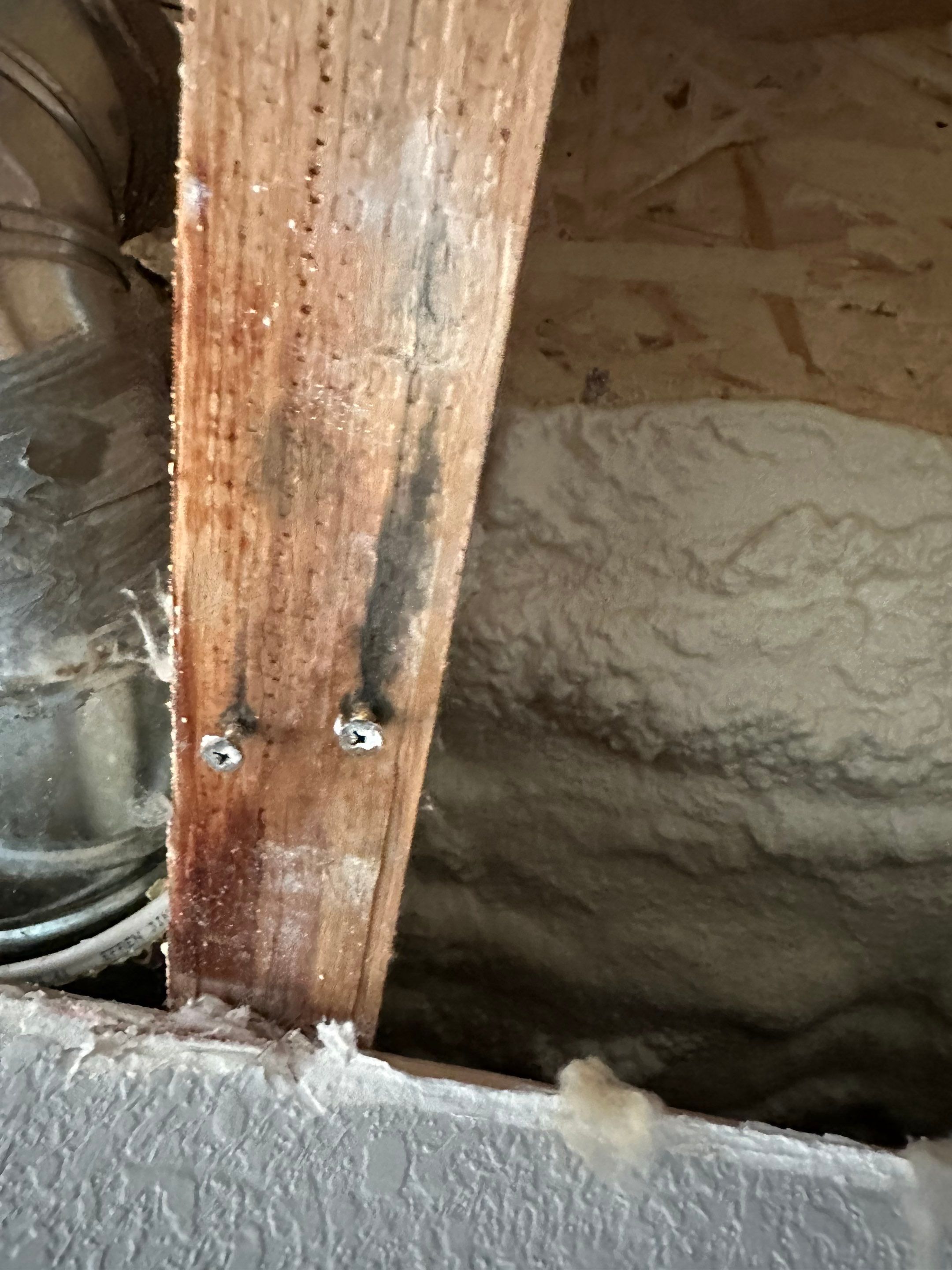
To understand the scope of alpha mold remediation, one must first understand the biology of the organism being targeted. Molds are part of the fungi kingdom and play a crucial role in the outdoor ecosystem by breaking down organic matter. However, when mold enters a built environment, it utilizes construction materials like drywall (paper-faced), wood framing, and carpet as a food source.
In 2026, the industry standard for remediation is dictated by the Institute of Inspection, Cleaning and Restoration Certification (IICRC), specifically the S520 Standard for Professional Mold Remediation. This document outlines that remediation is not merely about killing mold with chemicals but about the physical removal of the mold and the contaminated materials.
The Three Conditions of Indoor Environments
Professional remediators categorize indoor spaces into three distinct conditions:
- Condition 1 (Normal Fungal Ecology): The indoor environment contains a fungal population similar to the outdoor environment, without active growth or settled spores from an indoor source.
- Condition 2 (Settled Spores): An area that contains a high concentration of settled mold spores or fragments that may have been dispersed from a nearby growth source, but no active growth is present in that specific area.
- Condition 3 (Actual Growth): An area with active fungal growth and high spore counts, requiring immediate physical removal and containment.
Comprehensive Inspection and Moisture Mapping
Before any physical removal begins, an alpha-level remediation strategy starts with a forensic assessment. Mold cannot survive without moisture; therefore, identifying the water source is the most critical step in the entire project.
Tools of the Trade in 2026
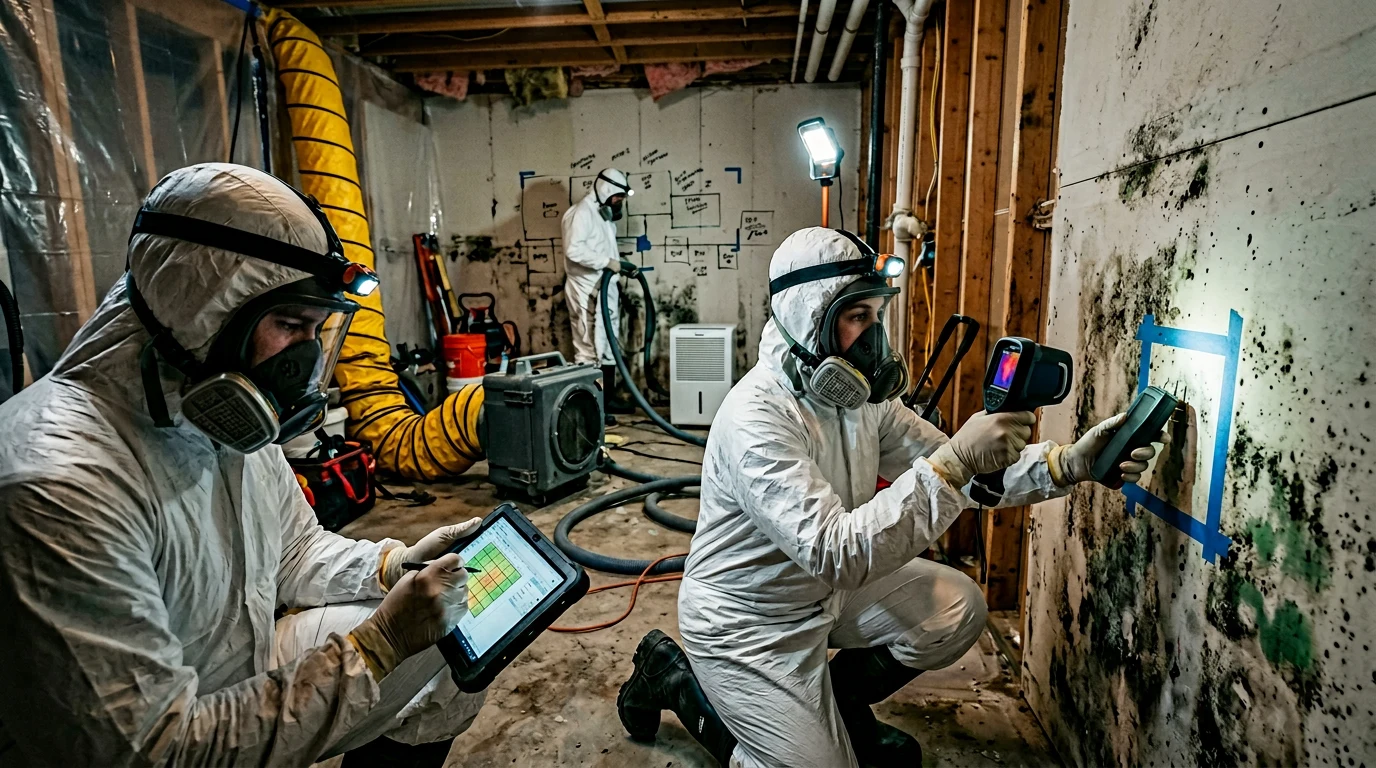
Modern restoration professionals utilize a suite of diagnostic tools to find hidden moisture behind walls and under floorboards without invasive demolition:
- Infrared (Thermal) Imaging: Cameras that detect temperature variations. Since evaporating moisture cools a surface, these cameras highlight potential "cold spots" where leaks or condensation may be occurring.
- Moisture Meters (Penetrating and Non-Penetrating): These devices measure the percentage of moisture in wood, drywall, and masonry to determine if a material is "dry" according to its baseline dry standard.
- Hygrometers: These measure relative humidity (RH) and temperature. Professional standards suggest keeping indoor RH below 50% to inhibit mold germination.
Once the moisture source—be it a slow pipe leak, high humidity, or a roof failure—is identified, it must be repaired. If remediation occurs while the moisture source is still active, the mold will inevitably return, rendering the remediation efforts a temporary and costly failure.
The Alpha Remediation Protocol: Step-by-Step
Professional remediation follows a rigid sequence of events designed to protect both the technicians and the property occupants. Skipping a single step can lead to the aerosolization of millions of spores, which then travel through the HVAC system to contaminate the entire building.
Step 1: Containment and Pressure Management
The first physical action taken is the establishment of containment. Using 6-mil fire-retardant polyethylene sheeting, technicians seal off the "hot zone" (Condition 3 area).
- Critical Barriers: Sealing windows, doors, and vents.
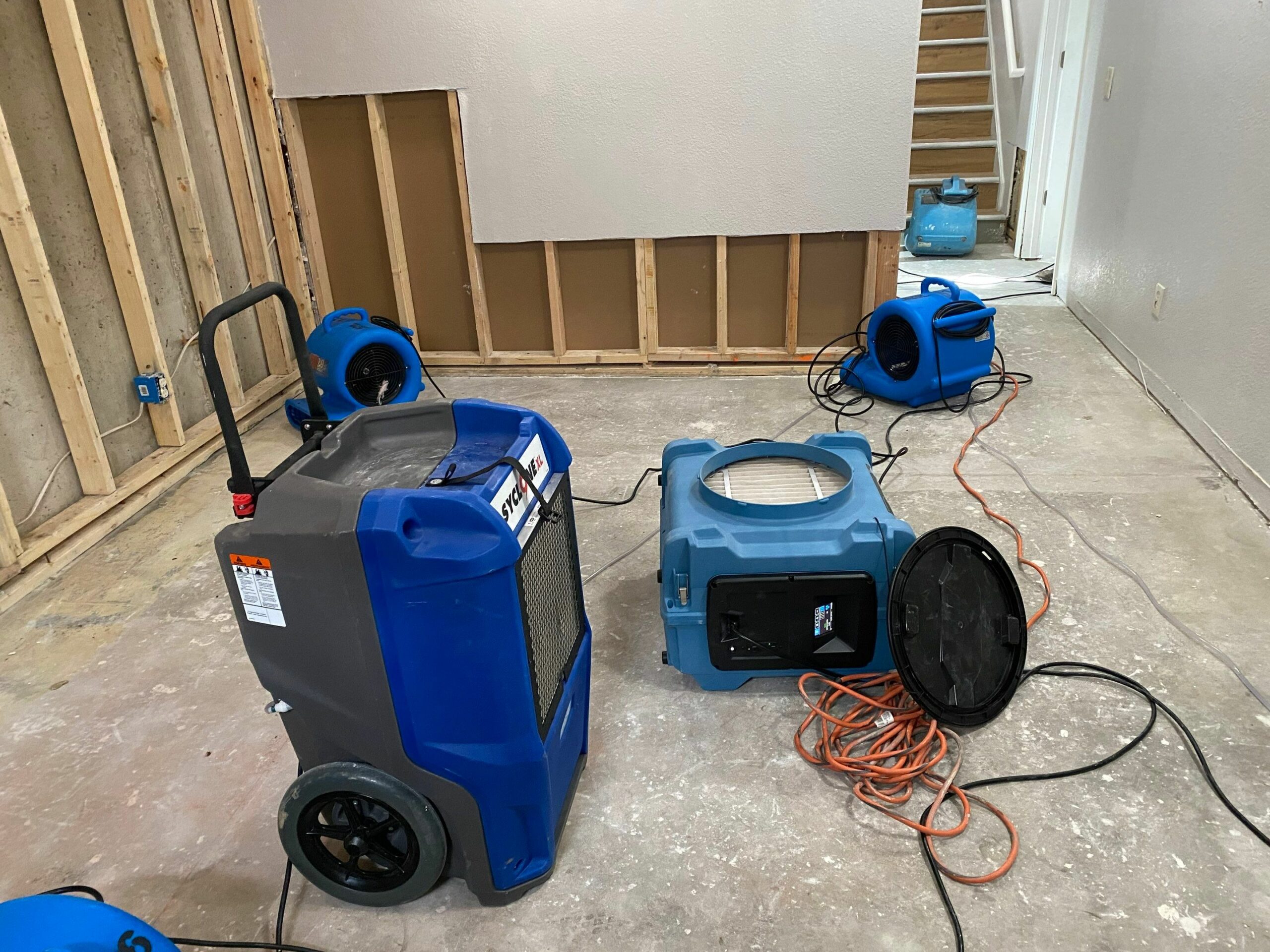
- Negative Air Pressure: A High-Efficiency Particulate Air (HEPA) air scrubber is used to pull air out of the containment zone and exhaust it outside. This creates a vacuum effect; if a seal is breached, air flows into the contaminated area rather than spores flowing out.
Step 2: Air Filtration and Stabilization
Air scrubbers run continuously throughout the project. These machines are capable of cycling the air in a room several times per hour, passing it through a series of filters that capture particles as small as 0.3 microns with 99.97% efficiency. This reduces the "spore load" in the air, making the environment safer for the technicians to work in.
Step 3: Controlled Demolition and Removal
Porous materials that have significant mold growth—such as drywall, insulation, and carpeting—cannot be effectively "cleaned." These materials must be removed.
- The "Two-Foot Rule": Often, professionals remove drywall at least two feet beyond the last visible sign of mold to ensure that microscopic hyphae (the "roots" of the mold) are also removed.
- Bagging and Sealing: All contaminated debris is double-bagged and the exterior of the bags is wiped down before being moved through the clean zones of the house.
Step 4: HEPA Vacuuming and Detailed Cleaning
Once the bulk of the contaminated material is gone, the remaining structural elements (like wood studs) undergo a detailed cleaning process.
- HEPA Vacuuming: Every square inch of the containment area is vacuumed to remove settled spores.
- Damp Wiping: Surfaces are wiped with an antimicrobial solution or a surfactant to lift remaining particles.
- Media Blasting (Optional): In cases of heavy growth on unfinished wood, techniques like dry ice blasting or soda blasting are used to "sand" the surface of the wood without adding moisture.
Step 5: Antimicrobial Application and Encapsulation
While physical removal is the priority, a professional-grade antimicrobial treatment may be applied to inhibit future growth during the drying process. In some cases, an encapsulant (a specialized paint-like coating) is applied to wood members to "lock in" any remaining microscopic stains and provide a moisture-resistant barrier.
Comparing Professional Remediation vs. DIY Efforts
Many homeowners attempt to solve mold issues using household bleach. However, the U.S. Environmental Protection Agency (EPA) and other regulatory bodies generally advise against bleach for mold on porous surfaces. Bleach contains a high percentage of water; while the chlorine may kill surface spores, the water soaks into the material, potentially feeding the mold deeper within the substrate.
| Feature | DIY Cleaning | Alpha Professional Remediation |
|---|---|---|
| Primary Method | Topical scrubbing with bleach/vinegar | Physical removal and HEPA filtration |
| Containment | Rarely used; spores spread freely | 6-mil poly sheeting with negative air |
| Equipment | Household vacuum, sponges | HEPA scrubbers, moisture meters, IR cameras |
| Verification | Visual check only | Post-Remediation Verification (PRV) testing |
| Safety Gear | Minimal (mask/gloves) | Full PPE (Tyvek suits, N95/P100 respirators) |
| Long-term Success | High risk of re-occurrence | High (includes moisture source repair) |
| Standard Followed | None / General online advice | IICRC S520 Standards |
The Financial Aspect: Costs and Insurance in 2026
The cost of alpha mold remediation varies significantly based on the square footage of the affected area and the accessibility of the mold. In 2026, property owners should expect professional services to range from $2,500 for small, localized attic or bathroom issues to $15,000+ for large-scale basement or whole-home remediation involving HVAC decontamination.
Insurance Coverage Realities
Most standard homeowners' insurance policies have specific "Mold Limitations" or "Fungi/Bacteria" endorsements.
- Covered Perils: If the mold resulted from a sudden and accidental water discharge (like a burst pipe), remediation is typically covered up to a certain limit (often $5,000 or $10,000).
- Excluded Perils: Mold resulting from "lack of maintenance," seepage, or high humidity is generally excluded from coverage.
- Documentation: Professional remediators provide the detailed documentation (moisture logs, photos, and certificates of completion) required by insurance adjusters to process these claims.
Post-Remediation Verification (PRV)
The final stage of any "Alpha" level project is verification. You should never assume the mold is gone just because you can no longer see it. An independent third-party Industrial Hygienist or Mold Inspector should perform the testing to avoid a conflict of interest.
PRV involves:
- Visual Inspection: Ensuring no dust, debris, or visible growth remains in the containment area.
- Air Sampling: Comparing the spore counts inside the contained area to the spore counts outside. The indoor count should be significantly lower and the species of mold found indoors should match the natural outdoor ecology.
- Surface Swabbing: Testing specific areas that were previously contaminated to ensure no viable spores remain.
Only after the PRV report confirms the area is "clear" should the containment be taken down and the "build-back" (re-installing drywall and flooring) begin.
Health and Safety Considerations
Exposure to mold can cause a variety of health effects, particularly for sensitive individuals. According to the Centers for Disease Control and Prevention (CDC), common symptoms include nasal stuffiness, eye irritation, wheezing, or skin irritation. People with chronic lung illnesses, such as obstructive lung disease, may develop mold infections in their lungs.
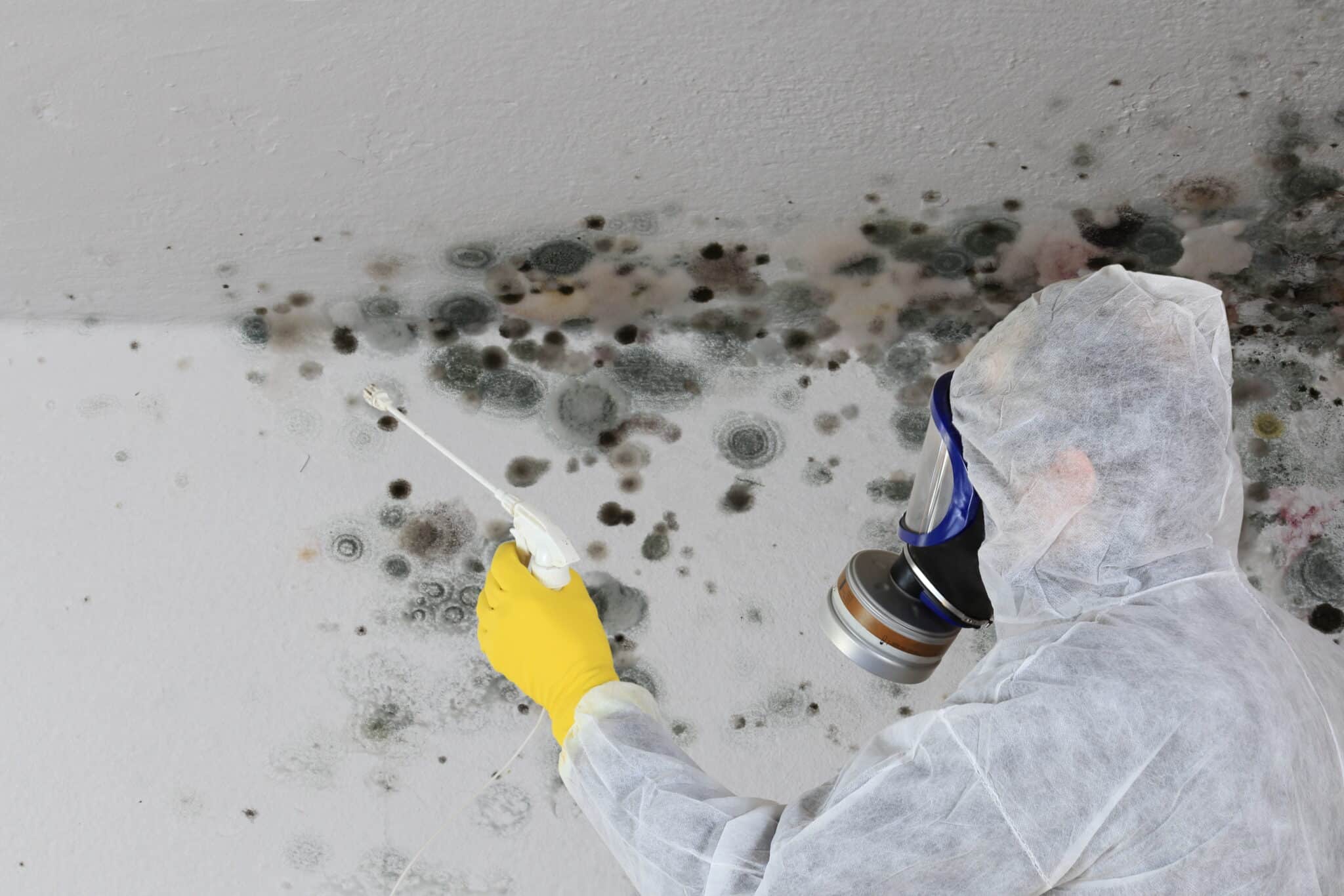
Professional remediation companies prioritize safety by wearing Personal Protective Equipment (PPE). This includes:
- N-95 or P-100 Respirators: To prevent inhalation of spores.
- Tyvek Suits: To prevent spores from hitchhiking on clothing into other parts of the home.
- Gloves and Goggles: To protect against skin contact with both mold and cleaning chemicals.
Frequently Asked Questions
How long does the alpha mold remediation process take?
For a standard residential project, the process usually takes between 3 to 7 days. This includes the setup of containment, the actual cleaning/removal, and the time required for air scrubbers to "scrub" the air before final testing. If extensive drying of structural studs is required, the timeline may extend.
Is it safe to stay in the house during remediation?
In many cases, yes, provided the containment is properly established and the HVAC system in the affected area is sealed. However, if the mold is widespread or if an occupant has severe asthma, allergies, or a compromised immune system, it is often recommended to vacate the property until a successful Post-Remediation Verification is received.
Why shouldn't I just use bleach on mold?
Bleach is an aqueous solution (mostly water). On non-porous surfaces like tile or glass, it can be effective. On porous surfaces like wood or drywall, the water portion of the bleach penetrates the material and provides a moisture source for the mold's "roots" (hyphae), which can lead to a more aggressive return of growth once the surface chlorine evaporates.
What is the difference between mold "removal" and "remediation"?
"Removal" is the physical act of taking the mold out. "Remediation" is the holistic process that includes removal, cleaning the air, and fixing the moisture problem that caused the growth. True remediation ensures that the mold does not return by changing the environment that allowed it to thrive.
Can mold grow back after professional remediation?
Mold can return if the moisture source is not corrected. Professional remediation includes a "Dry Standard" verification, but if a new leak occurs or if the home's humidity rises above 60% consistently, new mold spores (which are always present in the air) will land on those surfaces and begin to grow again.
Final Recommendation for Property Owners
If you suspect a mold issue in your property, your first action should be to address any active water leaks. Once the water is controlled, contact a professional remediation firm that follows IICRC S520 standards. Avoid "low-bid" contractors who promise to simply spray a chemical and walk away; proper alpha mold remediation requires the physical removal of the source and the cleaning of the air. Always insist on a final air clearance test from an independent third party to ensure your home is truly safe for occupancy.