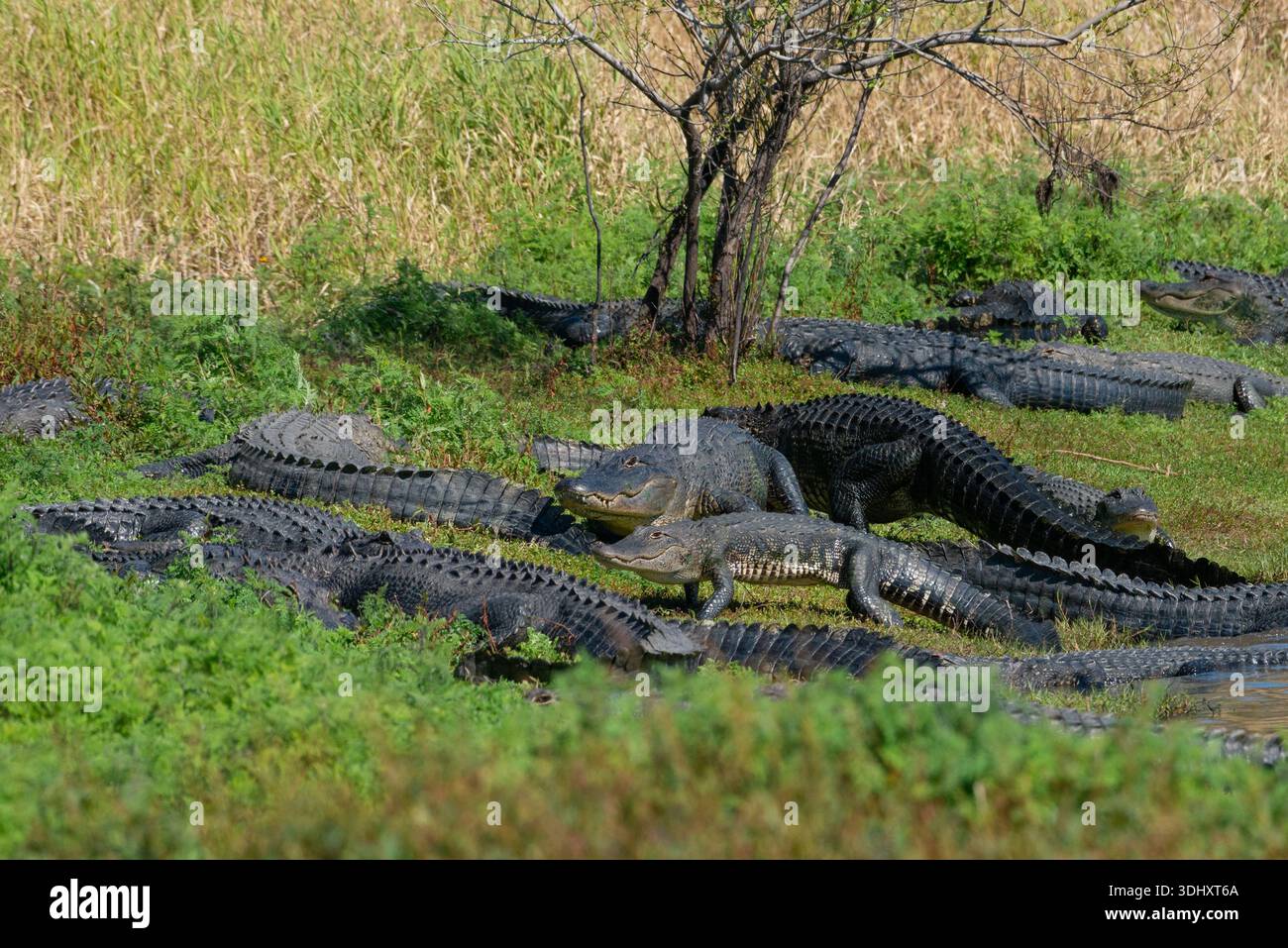
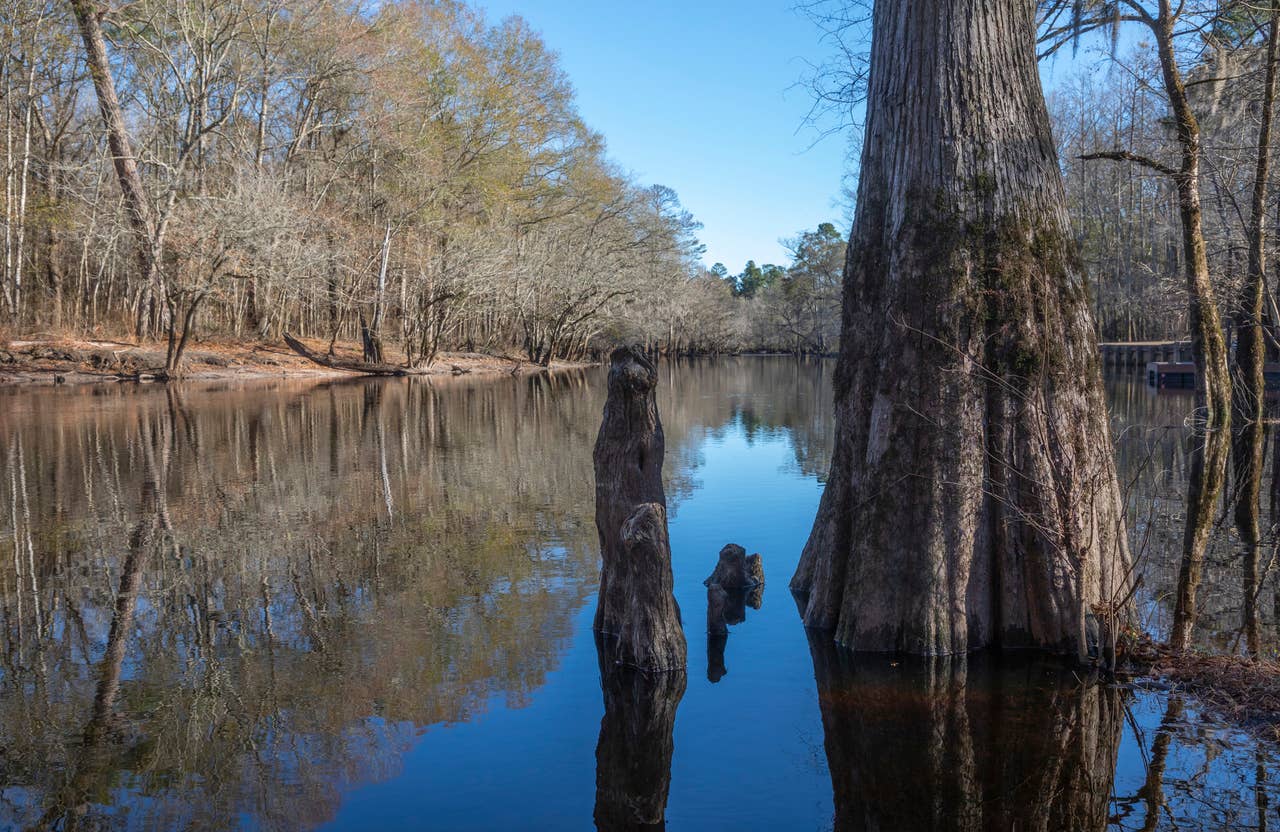
Alligators are a natural and permanent presence throughout the Edisto River, particularly in the lower coastal regions of South Carolina. While sightings are frequent, attacks remain rare. Understanding their behavior, respecting their habitat, and following South Carolina Department of Natural Resources (SCDNR) safety guidelines are essential for residents and paddlers navigating this iconic blackwater system in 2026.
The Edisto River: A Prime Alligator Habitat
The Edisto River is the longest free-flowing blackwater river in North America, winding over 250 miles from its headwaters in the Sandhills to the Atlantic Ocean. For the American alligator (Alligator mississippiensis), this river represents an ideal ecosystem. The "blackwater" characteristic—caused by tannins leaching from decaying vegetation in surrounding swamps—creates a dark, acidic environment that supports a rich food web.
In the upper reaches of the Edisto, specifically the North and South Forks near Orangeburg, alligator populations are present but generally less dense than in the lower sections. As the river flows southward through Dorchester and Colleton counties, the swampy floodplains expand, providing the deep water and secluded basking spots these reptiles require. By the time the river reaches the ACE Basin (the confluence of the Ashepoo, Combahee, and Edisto rivers), the alligator population reaches its highest density, thriving in the brackish and freshwater tidal marshes.
Alligators are ectothermic, meaning they rely on external heat sources to regulate their body temperature. The Edisto’s numerous fallen logs and sandy banks provide necessary "basking" sites. These areas are critical for the alligator’s digestion and metabolism. For humans, these are the most common places to spot an alligator, often seeing them motionless with their mouths open—a behavior known as "gaping" used to release excess body heat.
Understanding Alligator Behavior and Seasonal Cycles
To coexist safely with alligators in the Edisto River, one must understand their biological calendar. Their activity levels fluctuate significantly based on the time of year and water temperature.
The Spring Mating Season (April - June)
This is the period of highest activity and potential interaction. During the spring, male alligators become more mobile and territorial as they search for mates. You may hear "bellowing"—a low-frequency roar used to communicate with other alligators. While alligators are generally wary of humans, large males can be more defensive during this window. Paddlers should be especially cautious near the water's edge and avoid any alligator that appears to be actively moving toward them.
Nesting and Hatching (July - September)
Female alligators build mounds of vegetation, soil, and sticks to incubate their eggs. These nests are often located in the dense marshy fringes of the Edisto. A female alligator is a devoted mother and will stay near the nest to protect it from predators like raccoons. If you see a mound of debris on the riverbank, do not approach it. Maternal instinct is the primary driver of unprovoked alligator aggression. Hatchlings typically emerge in late August or September; though they are small (6–8 inches), the mother is likely nearby and highly protective.
Brumation and Winter Dormancy (November - February)
In the cooler months, alligators enter a state of brumation. Their metabolism slows down significantly, and they spend most of their time in underwater dens or "alligator holes" dug into the riverbank. While they may emerge on a particularly warm winter day to bask, they are generally lethargic and do not feed during this time.
Safety Guidelines for River Users
The Edisto River is a premier destination for kayaking, canoeing, and tubing. While the presence of alligators adds to the wild beauty of the experience, it necessitates specific safety protocols.
Distance and Observation
The most fundamental rule is to maintain a distance of at least 60 feet (about four kayak lengths) from any alligator. If an alligator hisses or begins to move toward the water as you approach, you are too close. Alligators are capable of surprising bursts of speed over short distances, both in the water and on land. When observing these animals, use binoculars or a zoom lens rather than moving closer for a photograph.
The Dangers of Feeding
It is illegal in South Carolina to feed alligators under South Carolina Code Section 50-15-60. Feeding alligators causes them to lose their natural fear of humans, associating people with food. A "habituated" alligator is a dangerous alligator. Most "nuisance" alligators that must be removed and euthanized by the SCDNR are individuals that have been fed by humans. Even if you believe you are being kind or want a better look, you are effectively signing a death warrant for the animal and creating a hazard for the next person who uses the river.
Pets and Small Children
Alligators are opportunistic predators. In the Edisto River, their natural diet consists of fish, turtles, wading birds, and small mammals. Unfortunately, a small dog or a splashing child can mimic the vibrations and size of natural prey.
- Pets: Never allow dogs to swim in the Edisto River, even in shallow areas. Keep them on a short lead when walking near the bank.
- Children: Always supervise children closely. Avoid letting them play or splash at the water's edge, especially at dusk or dawn.
Swimming Precautions
While many people swim in the Edisto River, it is important to choose locations wisely. Stick to clear, fast-moving sections of the river rather than stagnant backwaters or deep swampy bends. Avoid swimming at dawn, dusk, or night, as these are the primary hunting hours for alligators. Their night vision is exceptional, giving them a distinct advantage over humans in low-light conditions.
Alligator Management in the Edisto River
The SCDNR manages the alligator population through a combination of conservation, research, and controlled harvesting. This ensures the population remains stable without becoming an overwhelming threat to public safety.
The Nuisance Alligator Program
If an alligator in the Edisto River exhibits aggressive behavior, approaches humans, or lingers in a high-traffic swimming area, it may be classified as a "nuisance." The SCDNR does not relocate alligators because they have a strong homing instinct and will often return to their original location, potentially traveling over land to do so. Instead, contracted nuisance alligator trappers are authorized to remove and euthanize the animal. To report a nuisance alligator, residents should contact the regional SCDNR office.
The Public Alligator Hunting Season
South Carolina maintains a highly regulated public alligator hunting season, typically running from the second Saturday in September to the second Saturday in October. This is a lottery-based system where hunters must apply for tags in specific management units. The Edisto River falls within the Middle Coastal and Lowcountry management units. This program helps control the population and provides valuable data on the health and age distribution of the alligators in the system.
Comparison of River Sections and Alligator Presence
The following table provides a general overview of alligator density and typical habitat features along different segments of the Edisto River as of 2026.
| River Segment | General Location | Alligator Density | Primary Habitat Features |
|---|---|---|---|
| North/South Forks | Orangeburg to Branchville | Low | Narrow channels, sandy bottoms, swifter current. |
| Main Stem (Upper) | Branchville to Givhans Ferry | Moderate | Wide bends, limestone bluffs, oxbow lakes. |
| Main Stem (Lower) | Givhans Ferry to Jacksonboro | High | Extensive cypress-tupelo swamps, deep pools, slow current. |
| The ACE Basin | Jacksonboro to the Coast | Very High | Tidal marshes, brackish water, abandoned rice fields. |
Legal Protections and Conservation Status
The American alligator is a conservation success story. Once listed as an endangered species, it has recovered remarkably across the Southeast. Today, it is listed as "Threatened due to Similarity of Appearance" (T/SA) to the endangered American crocodile and other crocodilians. This status allows the US Fish and Wildlife Service and state agencies like the SCDNR to regulate the trade of alligator skins and meat while ensuring the species continues to thrive.
In South Carolina, it is a federal and state offense to harass, hunt, or possess an alligator without the proper permits. Harassment includes throwing objects at them, poking them with paddles, or intentionally disturbing a nesting site. These laws are in place not only to protect the animals but to prevent dangerous human-alligator escalations.
What to Do During an Encounter
Encounters are common, but conflict is avoidable. If you find yourself in close proximity to an alligator while on the Edisto River, follow these steps:
- Stop and Back Away: If you are on land, move back slowly. Do not turn your back and run until you have put a safe distance between yourself and the animal. If you are in a kayak, paddle backward or away from the bank where the alligator is located.
- Avoid Splashing: Alligators are attracted to the vibrations of splashing. Use smooth paddle strokes to move away quietly.
- Make Noises (If Necessary): If an alligator begins to approach your boat (which is rare), making a loud, sharp noise or slapping the water with a paddle may deter it. However, your first priority should always be to increase distance.
- The "Run in a Zig-Zag" Myth: You may have heard that you should run in a zig-zag pattern to escape an alligator. This is largely unnecessary and potentially dangerous, as it slows you down. If an alligator charges you on land—which is extremely rare—the best course of action is to run as fast as you can in a straight line away from the water. Alligators typically only charge to defend a nest or to get back to the safety of the water; they do not hunt humans on land.
Frequently Asked Questions
How many alligators are in the Edisto River?
While an exact "census" is impossible due to the river's vast swampy floodplains, biologists estimate that South Carolina is home to over 100,000 alligators. A significant portion of this population resides in the Edisto River system, particularly south of Highway 17. Density increases as you move from the freshwater forks toward the coastal marshes.
Is it safe to kayak the Edisto River with alligators?
Yes, it is generally safe to kayak the Edisto. Alligators are naturally wary of humans and will typically submerge or move away when they hear a boat approaching. The vast majority of kayakers enjoy the river without any negative interactions. Safety is maintained by keeping your distance, never feeding the wildlife, and staying in your boat in deep or swampy areas.
What should I do if an alligator approaches my boat?
If an alligator approaches, it is likely curious or has been fed by humans in the past. Do not panic. Use your paddle to maintain a gap between the boat and the animal, and move toward the center of the river where the current is stronger to put distance between you. Report any alligator that shows a lack of fear or follows a boat to the SCDNR.
When is alligator mating season in South Carolina?
Alligator mating season occurs in the spring, typically peaking in May. During this time, alligators are more mobile and vocal. Nesting follows in June and July, with hatchlings appearing in late summer. Increased caution is advised during these months, especially near the riverbanks.
Can I feed alligators in the Edisto?
No. Feeding alligators is strictly illegal and dangerous. It removes the animal's natural fear of humans and creates a public safety hazard. Those caught feeding alligators can face significant fines and legal penalties.
Practical Recommendations for River Users
To ensure a safe and enjoyable experience on the Edisto River in 2026, visitors should prioritize preparation and respect for the ecosystem. If you are planning a multi-day paddle trip, use designated camping platforms like those managed by the Edisto River Canoe & Kayak Trail (ERCK). These sites are generally situated to minimize contact with wildlife while providing safe access to the water.
Always carry a cell phone in a waterproof bag and let someone know your float plan. If you encounter a truly aggressive or "nuisance" alligator that poses an immediate threat, contact the SCDNR Dispatch at 1-800-922-5431. By practicing "Leave No Trace" principles and maintaining a respectful distance from these ancient reptiles, you can safely enjoy one of the most beautiful wilderness corridors in the United States.