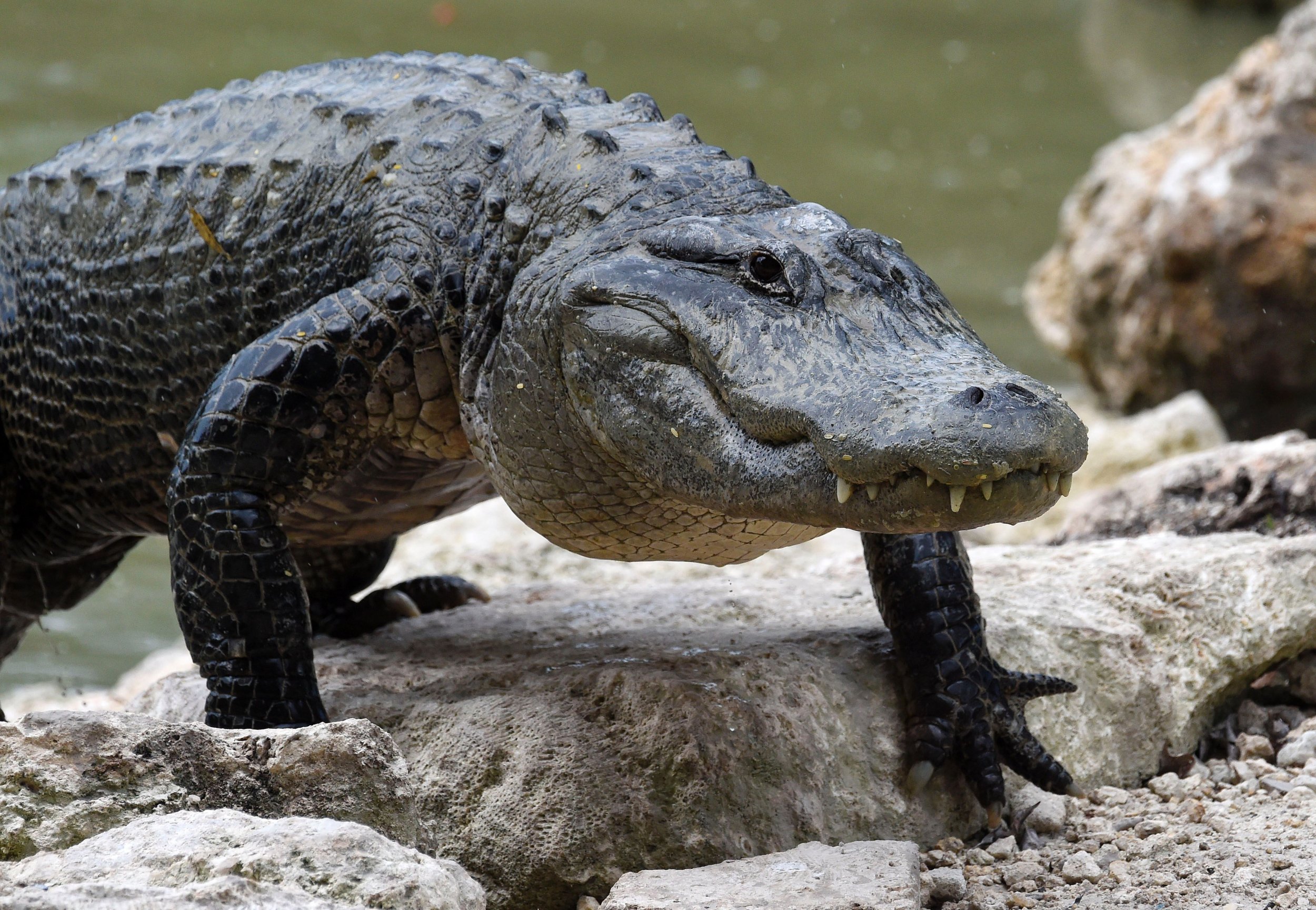
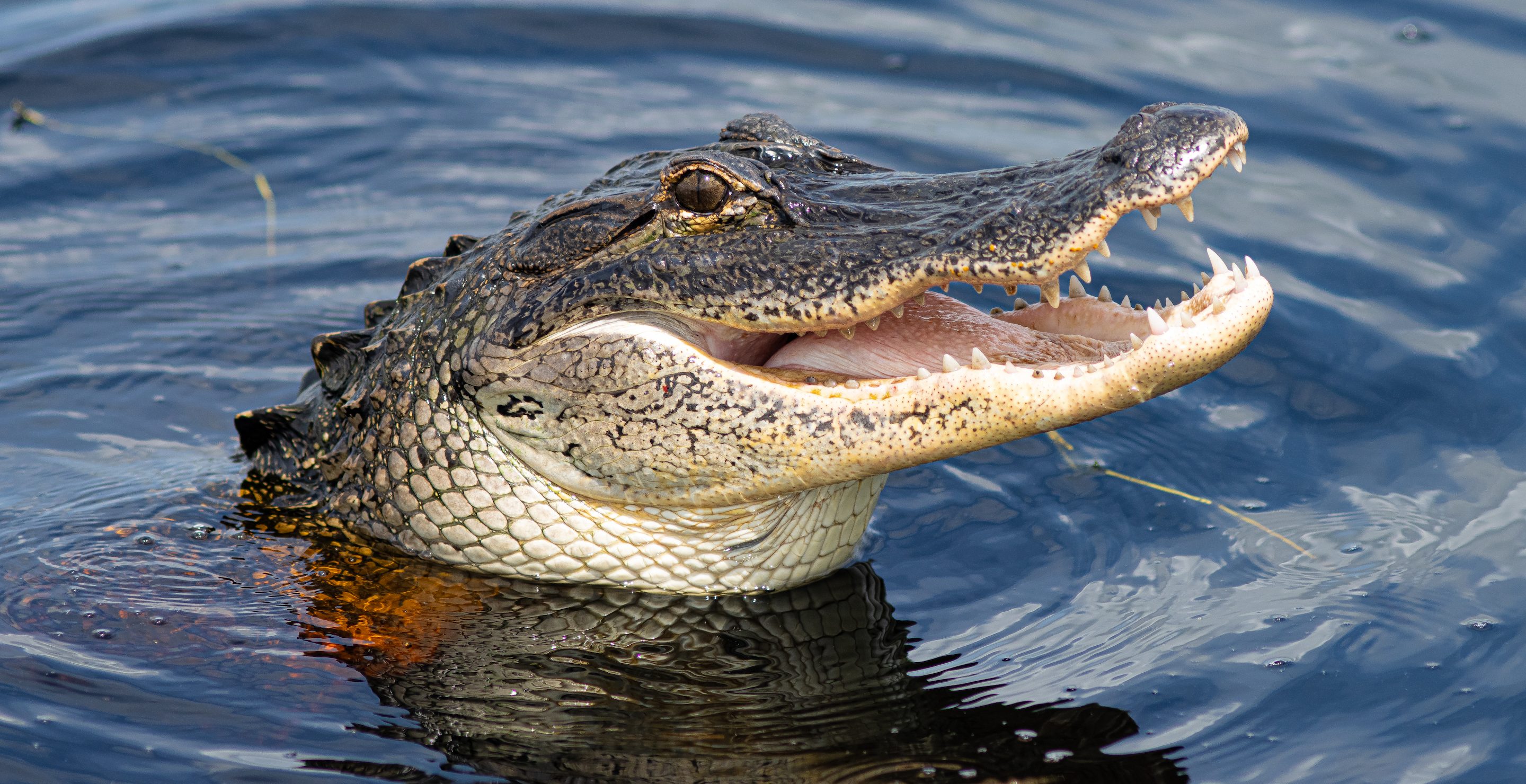
Alligators appearing at Florida Walmart locations is a byproduct of the state’s high alligator population—estimated at 1.3 million—and the proximity of retail developments to freshwater habitats. These incidents are managed through the Florida Fish and Wildlife Conservation Commission’s (FWC) Nuisance Alligator Program, which coordinates professional trappers to remove animals posing a public threat.
The Intersection of Florida Retail and Wildlife Habitats
In Florida, the presence of an alligator in a high-traffic area like a Walmart parking lot or entrance is not merely a viral news event; it is a recurring biological reality. Florida’s geography is defined by its massive network of wetlands, lakes, and man-made retention ponds. As of 2026, urban sprawl continues to push retail developments closer to these natural habitats. Walmart stores, which often require large plots of land and are frequently situated near drainage basins or retention ponds to manage Florida’s heavy rainfall, inadvertently become neighbors to the American Alligator (Alligator mississippiensis).
The occurrence of an alligator at a commercial property usually happens when an animal is seeking a new territory, looking for a mate, or simply following a path between two bodies of water. For a shopper, seeing an apex predator near the automatic sliding doors can be a shocking experience, but for Florida wildlife officials, it is a managed occurrence. These encounters typically peak during the spring and summer months when alligators are most active. Understanding the mechanics of how these animals end up in retail spaces, how stores respond, and the legal framework governing their removal is essential for both residents and visitors.
Historical Documentation of Alligator Incidents at Florida Walmarts
Several documented cases have shaped how retail managers and law enforcement handle these situations. While many sightings are relegated to the perimeter of the property, a few notable instances have involved alligators reaching the store's actual threshold.
The Apopka Vestibule Incident
One of the most famous cases occurred in Apopka, Florida. In this instance, a 6-foot alligator was spotted by late-night shoppers outside the store's entrance. The animal eventually triggered the motion-activated sensors of the sliding glass doors and entered the vestibule area—the space between the outer and inner doors. Employees were forced to lock the inner doors to prevent the animal from entering the main sales floor. This incident highlighted the necessity for specific emergency protocols for wildlife "break-ins" at 24-hour retail locations.
The Venice Parking Lot Sighting
In 2021, an alligator estimated to be over 7 feet long was filmed wandering through a Walmart parking lot in Venice, Florida. Unlike the Apopka incident, this gator remained in the transit area, but its presence caused significant disruption to traffic and pedestrian safety. Local law enforcement cordoned off the area until a licensed nuisance alligator trapper could arrive. These types of sightings are more common than interior sightings because parking lots offer large, flat surfaces that allow alligators to move quickly between nearby ponds.
Winter Haven and Lakeland Encounters
Central Florida, particularly Polk County, has seen multiple reports of alligators basking on the sidewalks or near the garden centers of Walmarts in Winter Haven and Lakeland. Because these stores are often located near the "Chain of Lakes," alligators frequently use the paved areas to regulate their body temperature in the morning sun. While these animals are generally non-aggressive if left alone, their proximity to shoppers creates a liability and safety risk that requires immediate professional intervention.
The Role of the FWC and the Nuisance Alligator Program (SNAP)
When an alligator is reported at a Walmart or any place of business, the primary responding authority is the Florida Fish and Wildlife Conservation Commission (FWC). The FWC operates the Statewide Nuisance Alligator Program (SNAP). This program is designed to address complaints regarding alligators in areas where they are not wanted and may pose a threat to people, pets, or property.
Criteria for a "Nuisance" Alligator
As of 2026, an alligator is generally considered a nuisance if it is at least four feet in length and the person reporting it believes it poses a threat. Alligators smaller than four feet are typically not considered a threat unless they are in an enclosed area like a store vestibule. Small gators are often left alone as they are not large enough to prey on humans or pets and typically move on their own.
The Removal and Euthanasia Policy
A common misconception is that alligators removed from Walmarts are "relocated" to a swamp. In reality, the FWC’s policy is often different. Because alligators are highly territorial and have a strong homing instinct, a relocated alligator will frequently try to return to its original capture site. During this journey, it may cross roads or enter other populated areas, creating further danger.
Consequently, most nuisance alligators removed by SNAP trappers are euthanized or sold to alligator farms for their meat and hides. This is a difficult reality for many to accept, but it is the standard safety protocol for animals that have lost their fear of humans or have entered high-density human environments.
Environmental Factors and Seasonal Influences
Understanding the "why" behind these retail appearances involves looking at the biology of the American Alligator. There are three primary seasons in Florida that increase the likelihood of an alligator wandering into a shopping center:
- Mating Season (April - June): This is the peak time for movement. Male alligators travel significant distances to find females. They are more likely to cross parking lots or wander into urban environments during this window.
- Hatching Season (August - September): While hatchlings are small, their presence can still trigger store calls. They are often following the mother or seeking their first independent territory.
- Heavy Rain/Hurricane Season (June - November): Significant flooding can displace alligators from their usual ponds. When water levels rise, alligators may swim over previously dry land and find themselves stranded in a Walmart parking lot once the water recedes.
Furthermore, Florida's 2026 climate patterns have seen increased average temperatures, which extends the period during which alligators remain active. Since they are ectothermic (cold-blooded), they rely on external heat sources. The asphalt of a retail parking lot retains heat long after the sun goes down, making it an attractive—though dangerous—spot for an alligator to warm its body.
Safety Procedures for Shoppers and Employees
If you encounter an alligator while shopping at a Florida Walmart or similar establishment, specific safety steps should be followed to prevent injury to yourself or others.
| Action Item | Description | Rationale |
|---|---|---|
| Maintain Distance | Keep at least 30 to 50 feet away from the animal. | Alligators can lung quickly over short distances on land. |
| Do Not Feed | Never throw food or scraps toward the alligator. | Feeding teaches gators to associate humans with food, making them more dangerous. |
| Alert Management | Notify a store manager or security immediately. | Stores have direct lines to local law enforcement and FWC dispatch. |
| Avoid the Tail | Do not attempt to approach from the rear. | A gator's tail is its primary defensive weapon and is incredibly powerful. |
| Cordon the Area | If safe, use shopping carts or vehicles to block the gator's path. | This prevents the animal from entering the store or wandering toward pedestrians. |
Retailers like Walmart typically train their management teams on "Emergency Wildlife Encounters." In Florida, this includes knowing how to lock down specific entrances while keeping the store operational through alternate exits. The goal is always to contain the animal in a localized area until the FWC trapper arrives.
Legal and Regulatory Framework (Florida Statute 379.401)
The management of alligators is strictly regulated by state law. It is illegal for a private citizen—even a store owner or manager—to attempt to capture or kill an alligator without a permit. Under Florida Statute 379.401, harassing, feeding, or attempting to move an alligator is a criminal offense that can result in fines and jail time.
Retailers must strictly adhere to these laws. If a Walmart employee were to attempt to move a gator manually and sustain an injury, the legal and insurance ramifications would be immense. Therefore, stores rely exclusively on the FWC's contracted trappers. These trappers are professionals who are issued a specific permit for each "nuisance" call they receive. They are experts in using catch-poles, snares, and tape to secure the animal’s jaws safely.
Impact of Urban Development on Alligator Encounters
The "Alligator in Walmart" headline is often a symptom of habitat fragmentation. In 2026, as more of Florida's interior is developed for residential and commercial use, the natural corridors that wildlife uses to travel are being cut off. When a Walmart is built, it often involves the creation of several retention ponds. These ponds are quickly colonized by fish, turtles, and eventually, alligators.
Because these ponds are often only a few hundred feet from the store entrance, the proximity is a constant factor. Urban planners and retail developers in Florida are now looking at "gator-resistant" fencing for retention ponds near high-traffic retail zones, but alligators are surprisingly good climbers and can easily navigate over or under standard chain-link fences if they are motivated.
Frequently Asked Questions
What should I do if I see an alligator in a Walmart parking lot?
Immediately move away from the animal and keep others from approaching it. Do not attempt to take a "selfie" or get close for a better look. Once you are at a safe distance, enter the store through a different entrance (if safe) or call from your vehicle to notify store management. You may also contact the FWC Nuisance Alligator Hotline directly at 866-FWC-GATOR (866-392-4286).
Why doesn't Walmart just build a fence to keep them out?
Many Florida Walmarts do have barriers, but alligators are extremely adaptable. They can climb fences up to several feet high and can squeeze through surprisingly small gaps. Furthermore, because parking lots must remain open for vehicle traffic, there are always entry points that an alligator can use if it wanders off the road or out of a nearby drainage system.
Are alligators inside stores dangerous to shoppers?
Yes, any apex predator in a confined space is dangerous. While alligators generally prefer to avoid humans, a gator that finds itself inside a store vestibule or aisle will likely be stressed and defensive. The primary danger is not that the alligator will "hunt" shoppers, but that it will strike out in fear if someone gets too close or corners it.
What happens to the alligator after the trapper catches it?
Under the current SNAP guidelines, most alligators over four feet that are removed from commercial properties are not relocated to the wild. They are typically euthanized or sent to an alligator farm. This is done to ensure the animal does not return to the store or another populated area, where it could pose a recurring threat to public safety.
Is it common for alligators to be in Florida stores?
"Common" is a relative term. While it is rare for an alligator to actually enter the building, it is relatively common for them to be spotted in the parking lots, grassy verges, or retention ponds of retail stores throughout Florida, especially in the central and southern parts of the state.
Practical Recommendations for Residents and Visitors
When visiting a retail location in Florida, particularly one near a body of water or during the evening hours, maintain a high level of situational awareness. Alligators are masters of camouflage and can blend into shadows or landscaping. Always park in well-lit areas and keep a close eye on children and small pets, as they are at higher risk if a predator is nearby.
If you are a property owner or manager, ensure that your retention ponds are not being supplemented by illegal feeding. When people throw food into ponds near stores, alligators lose their natural fear of humans and begin to associate people with a meal. This is the single most common reason alligators leave their ponds and approach store entrances. By following FWC guidelines and maintaining a "no-feeding" policy, the risk of a dangerous encounter can be significantly reduced.