While many individuals experience adverse reactions after consuming potato chips, a true allergy to potatoes is clinically rare. Most "potato chip allergies" are actually misunderstandings where the body reacts to hidden additives, cross-contaminants, or sensitivities to processing chemicals rather than the potato itself. Distinguishing between a primary food allergy and a secondary sensitivity is essential for proper diagnosis and dietary management.
The Science of Potato Allergies vs. Chip Reactions
To understand why an "allergy" to potato chips is frequently a misunderstanding, one must first look at the biology of the potato itself. A true allergy is an IgE-mediated immune response where the body identifies a specific protein as a threat. In the case of potatoes, the primary allergen is a protein called patatin (Sol t 1). However, the way potatoes are processed into chips significantly alters their allergenic profile.
Most potato proteins are heat-labile, meaning they break down and lose their structure when exposed to high temperatures. Since potato chips are sliced thin and deep-fried at temperatures often exceeding 350°F (175°C), the allergenic proteins are typically denatured. This is why many people who might experience an itchy throat when handling raw potatoes (a condition related to Oral Allergy Syndrome) can eat well-cooked potato chips without any issues. When a reaction does occur after eating chips, the culprit is rarely the potato protein, leading to widespread diagnostic confusion.
Common Culprits: Hidden Ingredients in Potato Chips
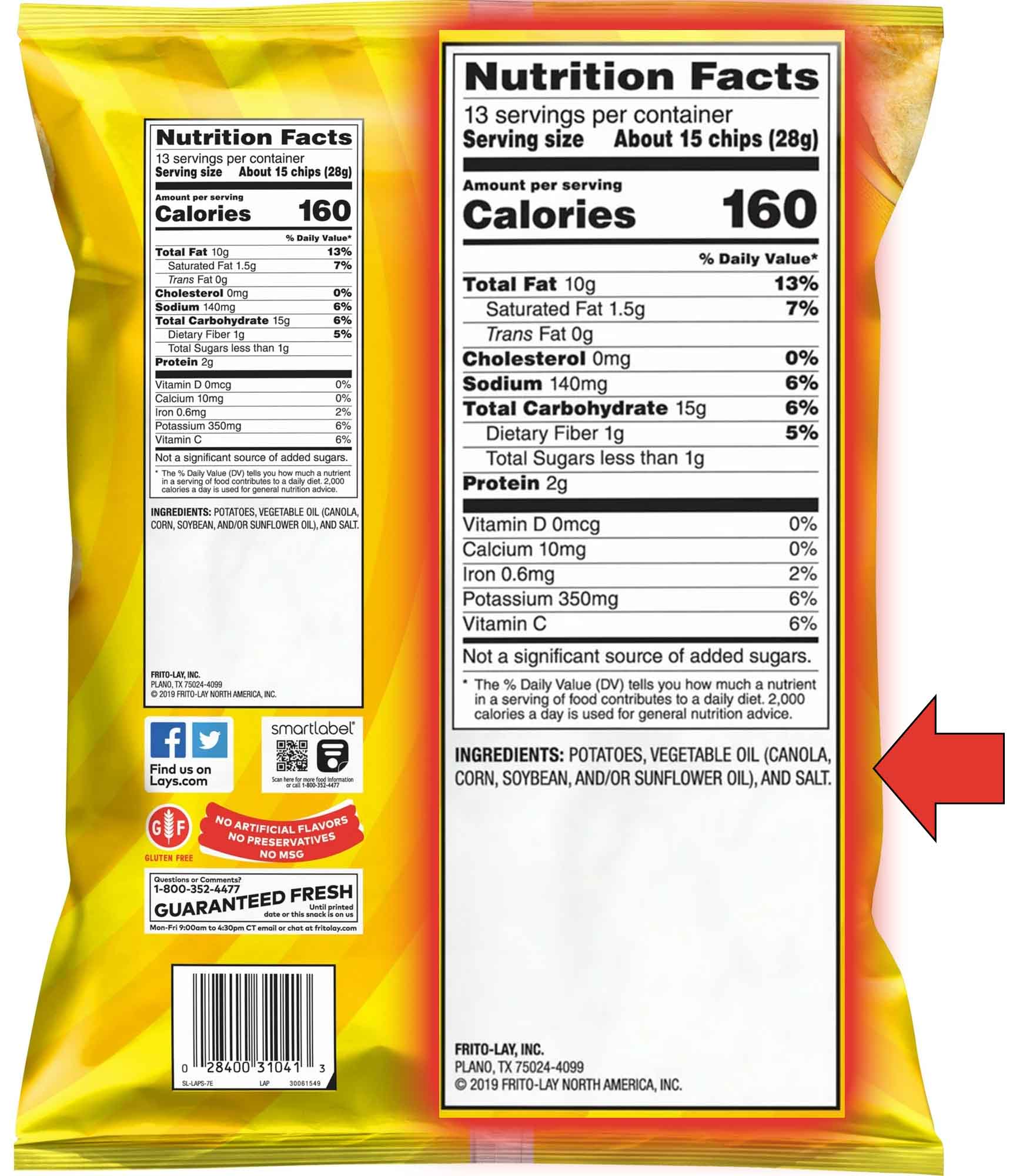
The primary reason for the misunderstanding of potato chip allergies lies in the complex list of ingredients found in modern snack foods. A plain potato chip contains only potatoes, oil, and salt, but flavored varieties introduce a wide array of potential allergens.
Dairy and Milk Derivatives
Milk is one of the "Big Nine" allergens, and it is ubiquitous in flavored chips. Even flavors that do not sound "creamy" often use whey, lactose, or casein to help seasonings adhere to the chip. For individuals with a cow's milk allergy or severe lactose intolerance, a "potato chip reaction" is actually a reaction to the dairy-based seasoning.
Wheat and Gluten
Wheat is frequently used as a carrier for spices or as a thickening agent in seasonings. Barbecue and "original" flavored chips from some brands may contain maltodextrin derived from wheat or yeast extract that contains gluten. People with Celiac disease or non-celiac gluten sensitivity often misattribute their symptoms to the potato itself rather than the wheat-based stabilizers in the seasoning.
Soy and Legumes
Soy lecithin is a common emulsifier used to keep ingredients from separating in the factory. Additionally, many chips are fried in soybean oil. While highly refined soybean oil is generally considered safe for those with soy allergies because the proteins are removed, cold-pressed oils or chips with soy-based flavorings can trigger significant reactions.
The Role of Frying Oils and Cross-Contamination
In the manufacturing environment of 2026, cross-contamination remains a significant hurdle for food-allergic consumers. Even if a bag of chips is labeled as "Plain Salted," it may have been processed on equipment that previously handled chips containing milk, soy, or wheat.
Furthermore, the type of oil used for frying can cause non-allergic sensitivities that mimic allergic reactions. Some industrial oils are high in Omega-6 fatty acids, which can trigger inflammatory responses in sensitive individuals. Others may react to the antioxidants added to oils to prevent rancidity, such as BHA (Butylated Hydroxyanisole) or BHT (Butylated Hydroxytoluene). When a consumer experiences bloating or a rash after eating chips fried in these oils, they may mistakenly conclude they have developed a "potato allergy."
Chemical Sensitivities: MSG, Sulfites, and Artificial Flavors
A significant portion of what people call an "allergy to potato chips" is actually a chemical sensitivity to flavor enhancers. Monosodium Glutamate (MSG) is a common additive used to provide a "savory" or "umami" profile to chips. While the FDA classifies MSG as "generally recognized as safe," some individuals experience a complex of symptoms including headaches, flushing, and sweating—often referred to as MSG Symptom Complex.
Sulfites are another concern. They are sometimes used in the pre-treatment of potatoes to prevent browning before they are sliced and fried. For individuals with asthma or specific sulfite sensitivities, these chemicals can cause respiratory distress or hives. Because these additives are not "potatoes," but are intrinsically linked to the "potato chip experience," the potato becomes the scapegoat for the chemical reaction.
Nightshade Sensitivity: A Different Kind of Reaction
Potatoes belong to the Solanaceae family, commonly known as nightshades. This family also includes tomatoes, peppers, and eggplant. Some people possess a sensitivity to alkaloids found in nightshades, specifically solanine and chaconine.
Unlike a true IgE allergy, nightshade sensitivity is typically a digestive or inflammatory issue. Symptoms may include:
- Joint pain and stiffness
- Digestive upset (gas, bloating, or diarrhea)
- Skin irritation or redness
- Heartburn
Because these symptoms can be delayed by several hours or even a day, people often struggle to identify the cause. When they eventually link the symptoms to potato chips, they label it an allergy, though it is biologically an intolerance to the plant's natural chemical defenses.
Oral Allergy Syndrome (OAS) and the "Heat Factor"
Oral Allergy Syndrome, also known as Pollen-Food Allergy Syndrome, is a form of contact allergy that occurs when the proteins in certain fruits or vegetables are similar to those found in pollen. For potatoes, this is often linked to a birch pollen allergy.
In OAS, the person usually experiences itching or swelling of the lips, tongue, and throat immediately after eating raw potatoes. However, because the proteins involved are very fragile, they are destroyed by heat. If someone reacts to a potato chip but not to a raw potato, it is virtually certain that they do not have OAS. Conversely, if someone has OAS, they can almost always eat potato chips safely. This discrepancy is a major source of misunderstanding; patients who have been told they are "allergic to potatoes" based on a raw potato reaction assume they must avoid chips, which is rarely the case.
Distinguishing Between Allergy, Intolerance, and Sensitivity
To resolve the misunderstanding, it is vital to categorize the reaction correctly. The following table compares the different types of reactions one might have to potato chips.
| Type of Reaction | Primary Cause | Common Symptoms | Immune Involvement |
|---|---|---|---|
| True Potato Allergy | Patatin (Sol t 1) protein | Hives, swelling, anaphylaxis | IgE-Mediated (Immediate) |
| Additive Allergy | Milk, Soy, Wheat, or Egg | Hives, respiratory distress | IgE-Mediated (Immediate) |
| Nightshade Sensitivity | Solanine / Alkaloids | Joint pain, bloating, fatigue | Non-IgE (Delayed) |
| Chemical Sensitivity | MSG, BHA/BHT, Sulfites | Headaches, flushing, nausea | Non-Immune (Metabolic) |
| OAS (Pollen-Food) | Birch-related proteins | Itchy mouth, throat tingle | IgE (Usually only raw) |
Diagnostic Steps for Clarification
If you suspect an allergy to potato chips, the first step is to consult an allergist for a formal evaluation. In 2026, diagnostic tools have become highly refined, allowing for component-resolved diagnostics that can tell the difference between an allergy to the potato itself and an allergy to a specific cross-reactive pollen.
- Skin Prick Testing (SPT): This involves placing a small amount of potato extract (or the specific chip seasoning) on the skin.
- Specific IgE Blood Tests: These measure the levels of antibodies to specific potato proteins.
- Oral Food Challenge: Under medical supervision, the patient consumes small amounts of the suspected food. This is the "gold standard" for determining if the reaction is caused by the potato or an additive.
- Elimination Diet: Removing flavored chips and replacing them with plain, organic chips fried in a known oil (like avocado or olive oil) can help isolate whether the seasoning or the potato is the problem.
Managing Your Diet and Finding Safe Alternatives
Once the misunderstanding is cleared and the true trigger is identified, managing the condition becomes much simpler. If the issue is an additive, you don't need to avoid potatoes—you simply need to choose "clean label" chips.
- Read Labels Diligently: In 2026, labeling laws are stricter than ever. Look for "Certified Gluten-Free" or "Dairy-Free" seals if you have those specific allergies.
- Opt for Plain Varieties: Lightly salted chips with only three ingredients (potatoes, oil, salt) eliminate 90% of the potential non-potato triggers.
- Alternative Base Ingredients: If you are among the rare few with a genuine nightshade sensitivity or potato allergy, explore chips made from sweet potatoes (which are not nightshades), cassava, plantains, or lentils.
- Home Preparation: The only way to 100% guarantee the absence of cross-contamination and unwanted additives is to slice and air-fry or bake potatoes at home using high-quality oils.
Frequently Asked Questions
Can you suddenly develop an allergy to potato chips in adulthood? Yes, it is possible to develop food allergies or sensitivities at any age. However, in adults, it is much more common to develop a sensitivity to an additive or a cross-reactivity (like Latex-Fruit Syndrome) rather than a primary allergy to the potato itself. If symptoms appear suddenly, check if the manufacturer has recently changed the oil or seasoning ingredients.
Why do I get a headache only after eating flavored potato chips? This is rarely an allergy. Headaches are most often linked to chemical sensitivities, specifically to MSG (monosodium glutamate) or high sodium content which can cause dehydration and vascular changes. Artificial colors and preservatives can also be triggers for sensitive individuals.
Are sweet potato chips a safe alternative for those allergic to regular potatoes? Generally, yes. Sweet potatoes (Ipomoea batatas) are not botanically related to white potatoes (Solanum tuberosum). They are part of the morning glory family, not the nightshade family. Most people with a potato allergy or nightshade sensitivity can consume sweet potatoes without a reaction.
Is it possible to be allergic to the oil in potato chips? While you can be allergic to the source of the oil (like peanuts or soy), most highly refined oils used in chip production contain no protein, which is the component that triggers an allergy. However, many people have "intolerances" to specific oils that result in digestive distress, which can feel like an allergic reaction but does not involve the immune system.
What is the "Latex-Potato" connection? This is a form of cross-reactivity known as Latex-Fruit Syndrome. Some of the proteins in natural rubber latex are structurally similar to proteins in potatoes. About 30-50% of people with a latex allergy will show a sensitivity to potatoes, though they may react more strongly to the raw vegetable than the cooked chip.
Final Recommendation
If you suspect you have an allergy to potato chips, do not assume the potato is the problem. Start by switching to a "Plain" variety with only potatoes, salt, and a simple oil to see if symptoms persist. If they do, seek professional allergy testing to distinguish between a rare potato protein allergy, a nightshade sensitivity, or a common additive allergy. Correctly identifying the culprit will allow you to enjoy snacks safely without unnecessary dietary restrictions.
Medical Disclaimer: This information is for educational purposes and does not constitute medical advice. Always consult with a qualified healthcare provider or allergist for diagnosis and treatment of food allergies.