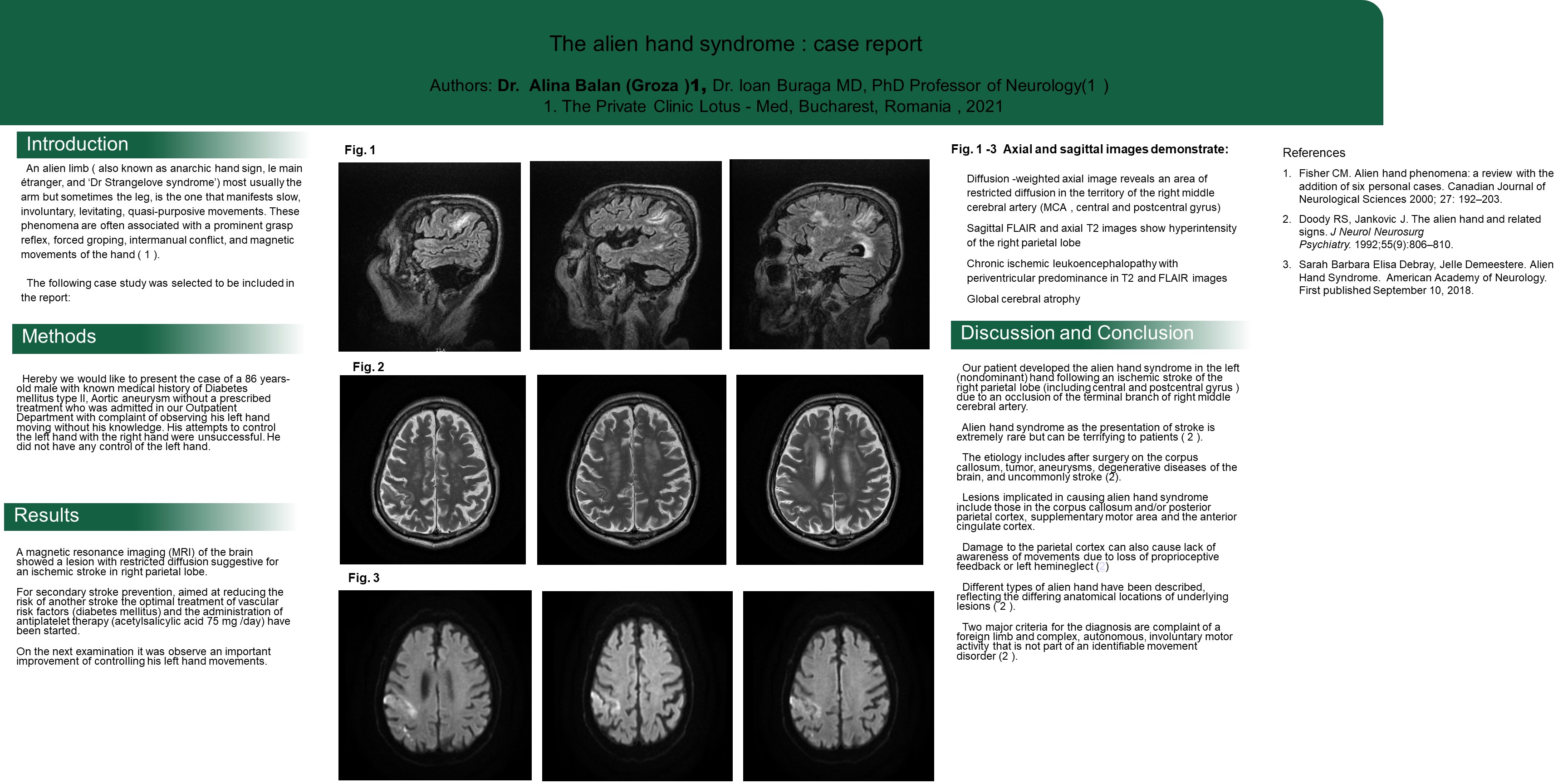
Alien Hand Syndrome (AHS) is a rare neurological disorder characterized by involuntary, semi-purposeful movements of one hand, which the patient often perceives as acting independently of their own will. It frequently stems from structural damage to the corpus callosum or specific cortical regions, and while no definitive cure exists, rehabilitation and symptom management strategies can help patients regain a sense of functional control.
Defining Alien Hand Syndrome
Alien Hand Syndrome, sometimes referred to as anarchic hand or Dr. Strangelove syndrome, represents a complex disconnection phenomenon in the brain. Unlike simple tremors or spasms, the movements associated with AHS are often complex and goal-oriented. Patients may describe their hand as having a "mind of its own," engaging in behaviors such as reaching for objects, manipulating clothes, or even interfering with the intentional actions of the unaffected hand.
The distinction between "anarchic" hand and "alien" hand is a critical nuance in neurological literature. Anarchic hand refers to movements that, while involuntary, are still recognized by the patient as their own. In contrast, the classic alien hand involves a sense of estrangement, where the patient disavows the limb, attributing its actions to an external force or a separate entity.
Neuroanatomical Foundations and Case Etiology
The manifestation of AHS is deeply tied to the location of brain injury. Clinical cases are most frequently observed following specific types of neurotrauma or pathology. The primary pathways involved are the corpus callosum—the bridge of fibers connecting the left and right hemispheres—and the frontal lobes, which govern executive function and motor inhibition.
Callosal Variant
The callosal type of AHS typically results from damage to the anterior corpus callosum. In these instances, the communication between the hemispheres is disrupted. Because the right hemisphere often governs the left hand, damage to the callosum can prevent the dominant hemisphere (usually the left) from exerting its typical inhibitory control over the non-dominant hand. This results in intermanual conflict, where the hands perform opposing, often contradictory, tasks.
Frontal Variant
The frontal variant is generally associated with damage to the supplementary motor area, the anterior cingulate cortex, or the prefrontal cortex. This type of AHS is characterized by "grasping" behaviors or reflexive actions. The affected hand may compulsively grasp objects in its reach, and the patient may find it difficult to release the grip. This suggests that the frontal lobes, which are responsible for suppressing unwanted motor programs, are no longer able to filter reflexive responses.
Posterior Variant
Less commonly reported, the posterior variant involves the parietal cortex or the thalamus. This form is often linked to sensory processing deficits, where the hand may drift or perform movements based on external environmental triggers rather than internal intent. These cases highlight the importance of sensory feedback in maintaining the sense of "ownership" over one’s limbs.
Common Causes Leading to Clinical Cases
Alien Hand Syndrome is not a disease in itself but a symptom arising from underlying neurological insults. Understanding these triggers is essential for clinicians who must treat the primary cause while managing the symptomatic hand behavior.
- Stroke: Ischemic or hemorrhagic strokes affecting the anterior cerebral artery are the most common cause. The sudden nature of these events often leads to the acute onset of AHS symptoms.
- Tumors: Slowly growing tumors, particularly those that infiltrate the corpus callosum or frontal lobe, can cause a gradual, progressive onset of alien hand behaviors.
- Neurodegenerative Conditions: Corticobasal degeneration (CBD) is a notable condition where AHS is a hallmark symptom. Unlike stroke-induced AHS, this is progressive and usually worsens as the underlying neurodegeneration advances.
- Brain Surgery: Procedures such as callosotomies (often performed to treat epilepsy) can inadvertently lead to disconnection syndromes, including AHS, due to the intentional severing of the corpus callosum.
- Aneurysms: A ruptured aneurysm, particularly in the anterior communicating artery, can cause significant damage to the medial frontal lobe, triggering the syndrome.
Clinical Evaluation and Differential Diagnosis
When a patient presents with symptoms suggestive of AHS, clinicians must perform a thorough neurological assessment to rule out other motor disorders. Differential diagnosis is critical because the treatment path for a stroke-induced injury differs drastically from a progressive neurodegenerative disorder.
The examination typically includes:
- Neuroimaging: MRI is the gold standard for identifying lesions in the corpus callosum, medial frontal lobes, or parietal regions.
- Motor Testing: Clinicians observe for intermanual conflict, such as one hand unbuttoning a shirt that the other hand is attempting to fasten.
- Cognitive Screening: To assess if the hand movements are tied to apraxia (the inability to perform learned movements) or deeper cognitive decline.
| Variant Type | Primary Brain Location | Typical Patient Behavior |
|---|---|---|
| Callosal | Anterior Corpus Callosum | Intermanual conflict; hands fighting each other. |
| Frontal | Supplementary Motor Area | Compulsive grasping; reflexive reaching. |
| Posterior | Parietal Cortex / Thalamus | Drifting; sensory-triggered involuntary movement. |
| CBD-Linked | Frontoparietal Degeneration | Progressive limb clumsiness; apraxia. |
Management and Therapeutic Approaches
There is no "cure" for AHS in the sense of a pharmacological intervention that resets neural pathways. Instead, management strategies are multidisciplinary, focusing on behavioral therapy and symptom mitigation.
Behavioral and Occupational Therapy
Occupational therapy is the cornerstone of AHS management. Therapists work with patients to develop "trick movements" or cognitive strategies to occupy the alien hand. For example, if the hand compulsively grasps objects, patients might be encouraged to keep the hand occupied with a stress ball or another handheld object to prevent it from reaching for inappropriate items.
Pharmacological Considerations
While there are no drugs approved specifically for AHS, some clinicians utilize medications to treat the underlying cause or manage associated symptoms. In cases of significant agitation or distressing involuntary movements, low doses of antipsychotic medications or muscle relaxants may be explored, though these are used cautiously to avoid adverse cognitive effects.
Environmental Adaptation
Safety is a primary concern for those experiencing severe AHS. Patients may need to modify their living environments to reduce the risk of accidents caused by the autonomous limb. This can include:
- Using Velcro fasteners instead of buttons to minimize intermanual conflict during dressing.
- Removing dangerous objects from the reach of the affected hand.
- Utilizing specialized splints at night to prevent the hand from performing harmful movements while the patient is unaware.
Challenges in Living with Alien Hand Syndrome
The psychological impact of AHS should not be underestimated. Patients often report feelings of shame, anxiety, and a loss of personal agency. Because the movements can sometimes appear socially inappropriate or aggressive, patients may experience social withdrawal. Support groups for individuals with stroke or neurodegenerative diseases provide a critical space for sharing coping mechanisms.
Healthcare providers must communicate clearly that the hand's actions do not reflect the patient's intentions. Validation from medical professionals that the syndrome is a recognized, documented, and involuntary neurological condition is often the first step in helping patients reconcile their internal experience with their outward behavior.
Frequently Asked Questions
Is Alien Hand Syndrome a permanent condition? The permanence of AHS depends entirely on the underlying cause. In cases of stroke, some patients experience significant improvement through neuroplasticity and therapy as the brain recovers. However, in cases linked to neurodegenerative diseases like corticobasal degeneration, the symptoms are typically progressive and long-term.
Can Alien Hand Syndrome happen to both hands at once? While rare, bilateral involvement has been reported in specific instances of widespread frontal or callosal injury. However, the vast majority of documented cases involve a single hand, usually the non-dominant one, due to the lateralized nature of the brain damage.
What is the difference between AHS and Tourette syndrome? Tourette syndrome involves repetitive, involuntary movements known as tics, which are often preceded by a sensory urge. AHS involves complex, goal-oriented, and often sustained movements that occur without the pre-monitory urges found in tic disorders. They are distinct clinical entities with different neurological origins.
Are there surgical options to stop the movements? Surgical intervention is not a standard treatment for AHS. Since the syndrome is usually a result of brain injury, the risks of further surgery on already compromised brain tissue far outweigh the potential benefits. Treatment remains focused on rehabilitation and symptom management.
Should a patient with AHS be considered a safety risk to themselves? In severe cases, yes. If the alien hand manifests as self-injurious behavior (e.g., hitting, grasping, or scratching), it requires intensive supervision. Occupational therapists are essential in these instances to design protective strategies that ensure the patient remains safe while maintaining as much independence as possible.
Next Steps for Patients and Caregivers
If you or a loved one are exhibiting symptoms consistent with Alien Hand Syndrome, the most important next step is to secure an evaluation by a board-certified neurologist. Given the complexity of the brain structures involved, a specialist in neuro-rehabilitation or a neuro-physiatrist is often best positioned to coordinate care.
Prior to your appointment, keep a detailed log of the movements. Record when they occur, what triggers them, and what the hand does. Providing a clear, descriptive account of these behaviors will help the physician pinpoint the affected cortical pathways. Focus on symptom management strategies through occupational therapy, which remains the most effective tool for reclaiming daily function and mitigating the distress associated with the condition.