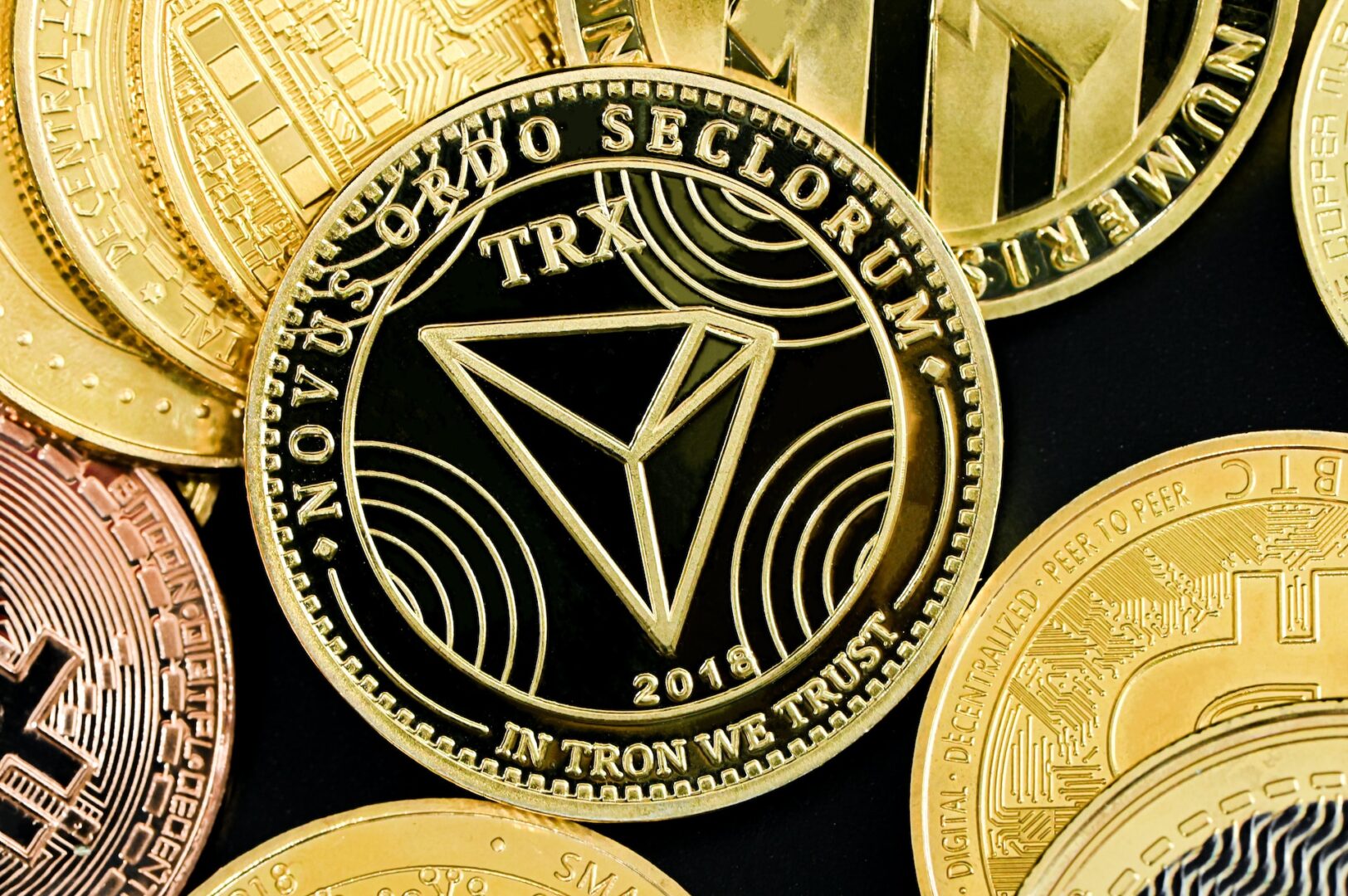
As of 2026, the collaboration between Alibaba Cloud and the TRON network represents one of the most significant intersections between traditional enterprise cloud infrastructure and decentralized ledger technology. This synergy allows developers to deploy TRON full nodes and build decentralized applications (dApps) using Alibaba Cloud’s global infrastructure, leveraging its high-performance compute and storage capabilities to maintain the TRON blockchain's integrity and throughput.
The partnership, which gained significant momentum in late 2022, has matured into a comprehensive suite of services under the Alibaba Cloud Web3 Node Service umbrella. For developers, enterprises, and node operators, understanding this integration is critical for optimizing blockchain performance, ensuring network uptime, and scaling Web3 solutions within a regulated, high-availability environment.
The Strategic Synergy: Why TRON on Alibaba Cloud?
The integration of TRON into the Alibaba Cloud ecosystem was driven by the need for reliable, low-latency infrastructure for the growing TRON developer community. TRON is known for its high throughput and low transaction costs, which require robust hardware to handle thousands of transactions per second (TPS). Alibaba Cloud, as the leading cloud provider in the Asia-Pacific region and a global top-three provider, offers the requisite scale.
Infrastructure as a Service (IaaS) for Web3
Alibaba Cloud provides specialized Elastic Compute Service (ECS) instances optimized for memory-intensive and I/O-heavy workloads common in blockchain operations. For the TRON network, this means providing the necessary IOPS (Input/Output Operations Per Second) to synchronize the blockchain in real-time without bottlenecks.
Global Connectivity and Low Latency
The geographic distribution of Alibaba Cloud’s data centers—spanning across Asia, Europe, and the Americas—directly benefits TRON’s decentralization. By hosting nodes on Alibaba Cloud, operators can ensure that the TRON network maintains low latency for users globally, which is essential for DeFi (Decentralized Finance) and gaming applications where execution speed is a competitive advantage.
Technical Specifications for TRON Node Deployment
Deploying a TRON node on Alibaba Cloud requires a precise configuration of resources. The TRON protocol is demanding, particularly regarding RAM and disk performance, as it maintains the state of the entire network and the TRON Virtual Machine (TVM).
Minimum and Recommended Requirements
As of 2026, the blockchain's size and the volume of smart contract interactions have grown significantly. The following specifications are recommended for a stable Full Node:
- CPU: Minimum 16 vCPUs (Intel Xeon Platinum or Alibaba Cloud’s proprietary Yitian processors). Recommended: 32 vCPUs for high-traffic environments.
- Memory: Minimum 64GB RAM. Recommended: 128GB RAM to accommodate the growing state database and ensure smooth TVM execution.
- Storage: 2TB+ ESSD (Enhanced SSD) Auto PL2 or PL3. The TRON ledger requires high-speed read/write capabilities; standard SSDs or HDD storage will result in synchronization lag.
- Network: 100 Mbps minimum bandwidth with a dedicated public IP address.
Operating System and Environment
Alibaba Cloud supports various Linux distributions for TRON, with Ubuntu 20.04/22.04 LTS and Alibaba Cloud Linux 3 being the most common choices. The environment must have Java 8 (Oracle JDK) or higher installed, as the TRON protocol is primarily written in Java.
Step-by-Step Deployment Process on Alibaba Cloud
The process of setting up a TRON overview environment on Alibaba Cloud has been streamlined through the Web3 Node Service and the Alibaba Cloud Marketplace.
Step 1: Resource Provisioning
Log in to the Alibaba Cloud Console and navigate to the ECS section. Select a region that aligns with your primary user base. When choosing an instance type, prioritize the Memory Optimized (r series) or General Purpose (g series) instances. Ensure you select "Enhanced SSD" for the system and data disks to prevent I/O throttling.
Step 2: Network and Security Configuration
Configure your Virtual Private Cloud (VPC) and Security Groups. TRON nodes communicate via specific ports that must be opened:
- Port 18888: For node-to-node communication (P2P).
- Port 50051: For gRPC requests (External interactions).
- Port 8090: For HTTP API requests.
Step 3: Installing the TRON Software
Once the instance is live, access it via SSH. Download the latest FullNode.jar from the official TRON GitHub repository. You will also need the main_net_config.conf file, which contains the seed nodes and network parameters.
Step 4: Synchronizing the Blockchain
Synchronization can take several days if started from the genesis block. To expedite this, many developers use the data snapshot service provided by community members or specialized providers on the Alibaba Cloud Marketplace. This allows the node to "fast-sync" by downloading a pre-verified state of the blockchain.
Alibaba Cloud Web3 Node Service: A Managed Solution
In 2026, many enterprises opt for the Alibaba Cloud Web3 Node Service rather than manual ECS management. This is a managed service that abstracts the underlying infrastructure complexity.
Key Benefits of Managed TRON Nodes
- Automated Maintenance: Alibaba Cloud handles security patches, OS updates, and hardware health monitoring.
- One-Click Deployment: The service allows for the rapid spinning up of TRON nodes without manual CLI configuration.
- Built-in Monitoring: Integrated with CloudMonitor, providing real-time alerts on disk usage, CPU spikes, and synchronization status.
- Elastic Scaling: Easily upgrade RAM or storage as the TRON blockchain grows without having to migrate data to a new server manually.
Comparison Table: Self-Managed vs. Managed TRON Nodes
| Feature | Self-Managed (ECS) | Managed Web3 Node Service |
|---|---|---|
| Technical Effort | High (Requires DevOps skills) | Low (Automated deployment) |
| Customization | Full control over config files | Limited to service parameters |
| Maintenance | Manual updates and backups | Automated by Alibaba Cloud |
| Cost Structure | Pay-as-you-go (Infrastructure) | Subscription or Pay-per-node |
| Security | User-configured Security Groups | Enterprise-grade managed security |
| Ideal For | Protocol developers & SRs | dApp developers & Enterprises |
Economic Analysis: Costs and Efficiency
Operating a TRON node on Alibaba Cloud involves both fixed and variable costs. In 2026, pricing is influenced by the region and the commitment level (e.g., Reserved Instances vs. Pay-as-you-go).
Cost Drivers
- Compute: The ECS instance constitutes roughly 40-50% of the monthly cost. Reserved instances for a 1-year or 3-year term can reduce these costs by up to 40%.
- Storage (ESSD): As the blockchain grows, storage becomes a significant cost factor. Using Storage Capacity Units (SCUs) can help manage these expenses across multiple nodes.
- Data Transfer: Outbound data transfer (egress) from the blockchain node to the internet is billed per GB. For a high-traffic node, this can be substantial.
Efficiency Gains
Alibaba Cloud's proprietary hardware, such as the X-Dragon architecture, provides higher performance per watt compared to older cloud hardware. This results in better efficiency for TRON's DPoS (Delegated Proof of Stake) mechanism, particularly for Super Representatives (SRs) who must maintain near-100% uptime to receive block rewards.
Security and Compliance
Security is a paramount concern for any blockchain overview. Alibaba Cloud integrates several layers of protection that are particularly beneficial for the TRON ecosystem.
DDoS Protection
Blockchain nodes are frequent targets for Distributed Denial of Service (DDoS) attacks. Alibaba Cloud’s Anti-DDoS service can mitigate high-volume attacks, ensuring that a TRON node remains reachable and continues to participate in consensus or serve API requests.
Key Management Service (KMS)
For developers building dApps that require signing transactions on the server side, Alibaba Cloud KMS provides a secure way to manage private keys. Instead of storing keys in plain text or environment variables, KMS uses hardware security modules (HSMs) to protect the cryptographic material.
Compliance and Data Sovereignty
With increasing regulations globally, Alibaba Cloud’s compliance certifications (ISO 27001, SOC, GDPR) provide a framework for enterprises to run TRON nodes while adhering to local data laws. This is particularly relevant for financial institutions using the TRON network for stablecoin (USDT) settlements.
Comparison with Other Cloud Providers
While TRON can be hosted on AWS, Google Cloud, or Azure, Alibaba Cloud maintains a unique position.
- VS. AWS: AWS has a broad set of tools (Managed Blockchain), but Alibaba Cloud often provides more competitive pricing in the APAC region and has deeper integration with Asian developer communities.
- VS. Google Cloud: Google Cloud offers BigQuery datasets for TRON, which is excellent for data analysis. However, Alibaba Cloud’s node-specific IaaS optimization for the TRON protocol is often cited as more performant for active node operations.
Troubleshooting Common Issues
When running TRON on Alibaba Cloud, developers may encounter specific technical hurdles:
- Synchronization Lag: Often caused by insufficient Disk IOPS. Ensure the ESSD is set to at least PL2 performance level. Check for I/O hang in the system logs.
- P2P Connection Failures: Usually a result of incorrect Security Group settings. Verify that port 18888 is open for both TCP and UDP traffic.
- Out of Memory (OOM) Errors: The TRON
FullNode.jarrequires a specific heap size allocation. Adjust the JVM parameters (e.g.,-Xmx48g) to ensure the process does not exceed the instance's physical RAM. - High Latency: If the node is struggling to stay synced with the "Solid Block" height, consider using the Alibaba Cloud Global Accelerator (GA) to optimize the network path between your node and other major TRON SRs.
FAQ: Alibaba TRON Integration
Can I run a TRON Super Representative (SR) node on Alibaba Cloud?
Yes, many TRON Super Representatives use Alibaba Cloud because of its high uptime SLA (Service Level Agreement) and specialized compute instances. However, being an SR requires significant community voting and a higher tier of hardware redundancy than a standard Full Node.
Does Alibaba Cloud support TRON's TVM (TRON Virtual Machine)?
Alibaba Cloud provides the infrastructure (compute/memory) where the TVM executes. It does not provide a managed TVM environment itself, but it supports all tools used to interact with it, such as TronGrid or custom API layers hosted on ECS.
Is there a specific "Alibaba TRON" token?
No. There is no "Alibaba TRON" cryptocurrency. TRON's native token remains TRX. The relationship is purely technical and infrastructural. Alibaba Cloud provides the services that allow the TRON network to function efficiently.
How does Alibaba Cloud handle TRON's massive storage requirements?
Alibaba Cloud uses Elastic Block Storage (EBS) with Enhanced SSD (ESSD) technology. This allows for nearly instantaneous snapshots and the ability to expand disk volume size without shutting down the TRON node, which is essential for a blockchain that grows by several gigabytes every month.
Is it cheaper to run TRON on Alibaba Cloud compared to local hardware?
While local hardware has no recurring monthly fees, the hidden costs of electricity, cooling, high-speed redundant internet, and hardware failure make Alibaba Cloud more cost-effective for most professional use cases. The ability to scale resources up or down instantly provides a flexibility that physical hardware cannot match.
Can I use Alibaba Cloud to mine TRON?
TRON uses a Delegated Proof of Stake (DPoS) mechanism, not Proof of Work (PoW). Therefore, you do not "mine" TRON with hardware in the traditional sense (like Bitcoin). You can, however, earn rewards by running a Super Representative node or a specialized "witness" node if you are elected by the TRX holders.
Next Actions for Implementation
To begin your TRON overview journey on Alibaba Cloud, the most logical next step is to audit your resource requirements. Determine whether you need a simple Full Node for querying data or a robust infrastructure for a high-traffic dApp.
- Register an Alibaba Cloud Account: Complete the enterprise or individual verification to unlock high-performance ECS instances.
- Evaluate the Web3 Node Service: If you prefer a hands-off approach, check the availability of the managed TRON service in your preferred region.
- Review Official Documentation: Consult the TRON Developer Documentation alongside the Alibaba Cloud ECS Documentation to ensure your configuration aligns with the latest protocol updates for 2026.