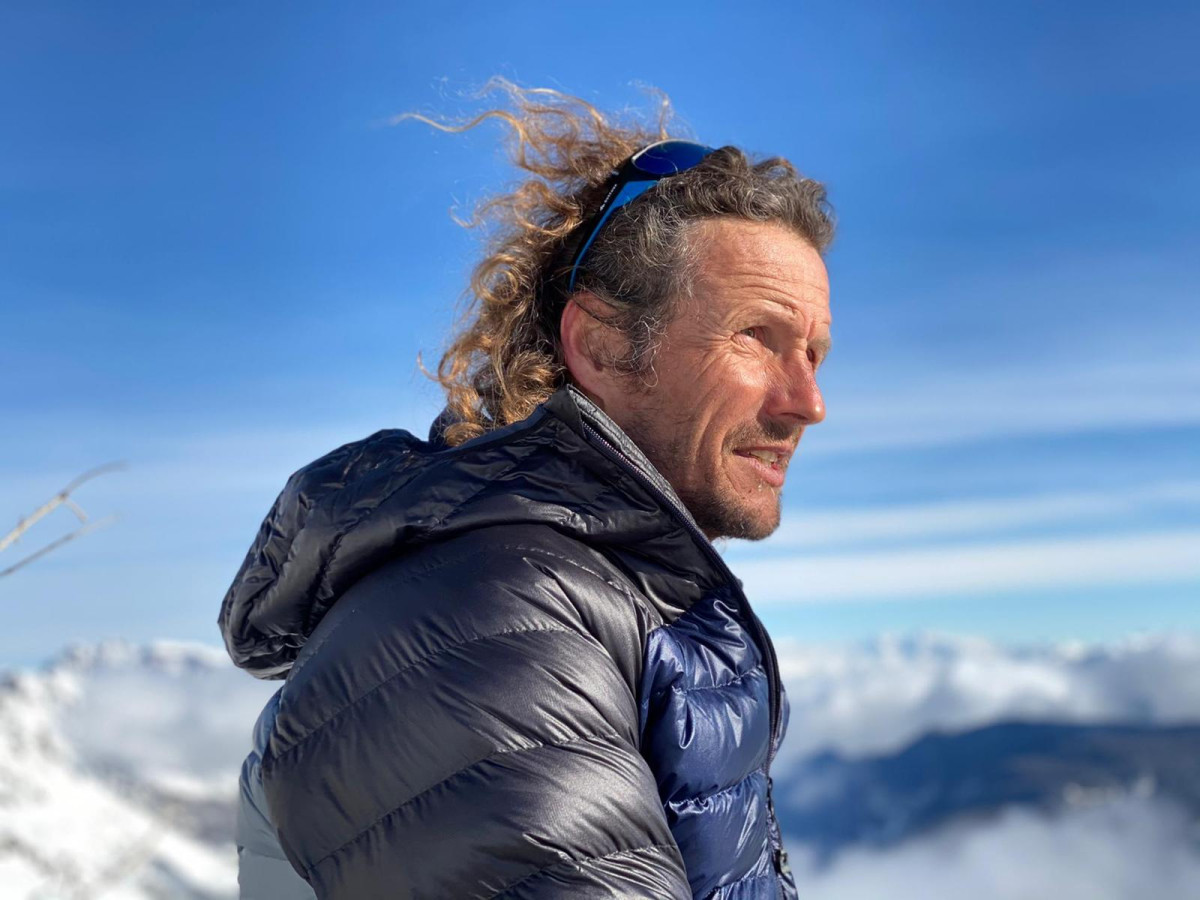
Alex Izzo is a professionally certified UIAGM/IFMGA mountain guide who specializes in high-altitude mountaineering, technical ice climbing, and alpine skiing across the European Alps. Based primarily in the Chamonix-Mont-Blanc massif and the Aosta Valley, he provides expert leadership for elite expeditions, including ascents of Mont Blanc, the Matterhorn, and the Eiger.
Professional Credentials and the UIAGM/IFMGA Standard
To understand the professional standing of Alex Izzo, one must first recognize the rigor of the UIAGM/IFMGA (International Federation of Mountain Guides Associations) certification. As of 2026, this remains the highest level of qualification available to mountain professionals globally. For a guide like Izzo, obtaining this credential involves years of rigorous training and testing across four distinct disciplines: rock climbing, ice climbing, mountaineering, and ski touring.
The certification ensures that the guide possesses not only the physical stamina to navigate high-alpine environments but also the technical proficiency to manage complex rope systems, perform crevasse rescues, and make real-time decisions regarding avalanche safety and meteorological shifts. When clients hire Alex Izzo, they are engaging a professional whose skills have been validated by international standards, which is a critical factor for safety in the "Death Zone" or on highly technical mixed terrain.
In the alpine community, the "Guide" title is protected. Professionalism extends beyond mere route-finding; it encompasses the "duty of care." This includes managing the psychological state of clients, ensuring proper acclimatization protocols are followed, and maintaining a high standard of environmental ethics in fragile high-mountain ecosystems.
Core Areas of Expertise and Guided Expeditions
Alex Izzo’s career is defined by his deep familiarity with the "Giant Peaks" of the Alps. His guiding services typically cater to a range of skill levels, from novices seeking their first 4,000-meter peak to experienced climbers looking to tackle "Grande Course" routes.
Mont Blanc Massif and the Aosta Valley
Operating out of Chamonix and the nearby Italian Aosta Valley, Izzo leverages some of the most iconic terrain in the world. The Mont Blanc (4,810m) ascent is a staple of his portfolio. While many see this as a trekking peak, professional guides like Izzo emphasize the objective hazards—specifically the Grand Couloir rockfall and the weather-exposed Bosses Ridge.
In the Aosta Valley, he often leads expeditions to Gran Paradiso (4,061m). This peak is frequently used as a mandatory acclimatization and training ground before more technical attempts. The terrain here allows a guide to assess a client's crampon technique and efficiency on glaciers before moving to the steeper, more commitment-heavy faces of the Pennine Alps.
Technical Ice and Mixed Climbing
One of the distinguishing features of Alex Izzo’s professional profile is his specialization in ice climbing. The Aosta Valley is world-renowned for its winter ice falls (cascades). Guiding in this discipline requires a different set of safety protocols compared to summer mountaineering. It involves the constant management of "shattering" ice, specialized protection (ice screws), and ensuring that the client understands the nuances of tool placement.
Mixed climbing—where the climber moves between rock and ice using crampons and ice tools—is perhaps the most demanding form of the sport. Izzo provides the technical instruction necessary for clients to transition from indoor gyms or summer rock to these complex winter environments.
The Role of a Mountain Guide in 2026: Modern Challenges
In 2026, the landscape of professional mountain guiding has evolved significantly due to environmental changes and technological advancements. Alex Izzo and his peers must navigate a "new normal" in the Alps.
Climate Adaptation and Route Security: The traditional climbing seasons have shifted. Due to the degradation of permafrost, many classic rock routes in the Mont Blanc massif have become more prone to rockfall during the peak of summer (July and August). As a senior guide, Izzo must constantly monitor the "Isotherm"—the altitude at which temperatures drop below freezing. If the Isotherm stays too high for too long, a professional guide will often recommend alternative routes or "shoulder season" ascents (May, June, or September) to ensure client safety.
Technological Integration: While traditional navigation remains a core skill, the 2026 mountain guide utilizes advanced satellite communication and high-precision weather modeling. Real-time updates on snowpack stability and wind speeds allow guides to pivot expeditions before reaching a point of no return. Furthermore, the use of lightweight, high-performance gear—from carbon-fiber reinforced boots to ultra-static ropes—allows for faster movement, which is often the most effective form of safety in the mountains (minimizing time spent in objective hazard zones).
Planning an Expedition: Requirements and Logistics
Hiring a guide like Alex Izzo is a significant undertaking that requires more than just financial investment; it requires physical and technical preparation.
Physical Conditioning
Mountaineering is an endurance sport. For a successful ascent of a peak like the Matterhorn, clients are expected to have a high level of cardiovascular fitness. A typical training regimen suggested by professional guides includes:
- Weighted Hill Climbs: Training with a 10-15kg pack to simulate expedition loads.
- Zone 2 Endurance: Long-duration, low-intensity training (4-6 hours) to build the aerobic base necessary for 12-hour summit days.
- Functional Strength: Focus on core and leg stability to prevent injury on uneven glacial moraines.
Gear and Equipment
A guide provides the technical hardware (ropes, pickets, ice screws), but the client is responsible for their personal layering system and boots. In the 2026 season, emphasis is placed on "Fast and Light" equipment. Essential items include:
- B3 Rated Boots: Fully stiffened soles compatible with C3 automatic crampons.
- Hardshell Layers: Gore-Tex Pro or equivalent for wind and moisture protection.
- Active Insulation: Breathable mid-layers that manage sweat during high-output movement.
Administrative and Hut Logistics
A significant part of Izzo’s role is the logistical management of mountain huts (Refuges/Rifugi). In the Alps, wild camping is largely restricted, and summits are staged from high-altitude huts like the Gouter Refuge or the Cosmiques Hut. Booking these spots is notoriously difficult; professional guides often have established relationships and access to booking windows that are unavailable to the general public, ensuring the expedition has a viable "base of operations."
Comparing Guided Expeditions vs. Independent Climbing
Deciding whether to hire a professional guide like Alex Izzo or attempt an ascent independently is a choice based on risk tolerance and experience.
| Feature | Independent Alpinism | Guided with Alex Izzo |
|---|---|---|
| Safety Management | Self-reliant; high risk of error | Professional risk assessment and mitigation |
| Logistics | Self-managed hut bookings and permits | Logistics managed by the guide/agency |
| Success Rate | Variable; dependent on route finding | Significantly higher due to local knowledge |
| Technical Training | Requires years of self-study | Real-time coaching and skill refinement |
| Equipment | Full personal investment in gear | Technical group gear provided by guide |
| Pacing | User-defined; often inefficient | Optimized pacing for acclimatization |
Safety Protocols and Risk Management
The hallmark of a senior guide is not just reaching the summit, but knowing when to turn back. Alex Izzo utilizes a "safety-first" framework that includes:
- Short-Roping Technique: This is a specific skill where the guide keeps the client on a very short leash (1-3 meters) on exposed but non-technical terrain. It allows the guide to immediately arrest a stumble before it turns into a fall.
- Dynamic Risk Assessment: Constant evaluation of the "Human Factor." Is the client tired? Is their technical form breaking down? Is the group's "summit fever" clouding their judgment?
- Emergency Protocols: Every IFMGA guide is trained in advanced wilderness first aid and is equipped to coordinate with mountain rescue services like the PGHM (Peloton de Gendarmerie de Haute Montagne) in France.
Training and Long-Term Progression
For many, a trip with Alex Izzo is not a one-off event but the start of a multi-year progression. A typical path might look like this:
- Introduction to Alpinism (3-5 Days): Learning to walk in crampons, using an ice axe for self-arrest, and basic glacier travel on Gran Paradiso.
- Intermediate Peaks (Summer Season): Ascents of the Breithorn or the Aiguille du Tour to practice moving on mixed rock and snow.
- The Goal Ascent: Tackling Mont Blanc via the Trois Monts route or the Matterhorn via the Hörnli Ridge.
- Technical Specialization: Moving into steep ice climbing or North Face routes for those who have mastered the basics.
By following a structured progression under a professional guide, climbers minimize the "trial by fire" risks associated with learning in high-consequence environments.
FAQ
What is the difference between a UIAGM guide and a local leader?
A UIAGM/IFMGA guide like Alex Izzo has the highest international certification, allowing them to lead technical rock, ice, and ski expeditions anywhere in the world. A "mountain leader" or "trekking guide" is typically restricted to non-technical terrain where ropes and climbing gear are not required.
How much does it cost to hire a mountain guide in 2026?
Guiding fees in the Alps generally range from €450 to €700 per day for the guide's labor. This does not include "summit bonuses" for certain major peaks, nor does it cover the cost of mountain huts, lift tickets, or meals for either the client or the guide.
Does Alex Izzo provide gear for the climb?
Professional guides usually provide "group technical gear," which includes ropes, carabiners, and safety protection. Clients are typically expected to provide their own personal gear, such as harnesses, helmets, crampons, and ice axes, though these can often be rented through the guide's affiliated agencies.
Is it possible to climb Mont Blanc with Alex Izzo if I have no experience?
While possible, most professional guides require a 2-3 day "prep" or "evaluation" period. This allows the guide to teach essential safety skills and ensure the client is physically and technically capable of the summit attempt, which significantly increases the safety margin.
What happens if the weather is bad on the day of the climb?
A professional guide will always have a "Plan B." If the Matterhorn is too icy or Mont Blanc is experiencing high winds, Izzo will suggest an alternative peak or a technical climbing day at a lower elevation. The guiding fee is for the professional's time and expertise, regardless of whether the specific summit is reached.
Practical Recommendation for Aspiring Climbers
If you are planning to book an expedition with Alex Izzo the mountain guide, the first step is to conduct an honest self-assessment of your fitness and technical goals. High-altitude mountaineering is not a guided "tour" in the traditional sense; it is a partnership.
We recommend contacting the guide at least six to eight months in advance, especially for high-demand windows in July and August. In your initial inquiry, provide a detailed history of your previous hiking or climbing experience, any known medical conditions, and your specific objectives. This transparency allows the guide to tailor a training program and itinerary that maximizes your chances of a safe and successful alpine experience.