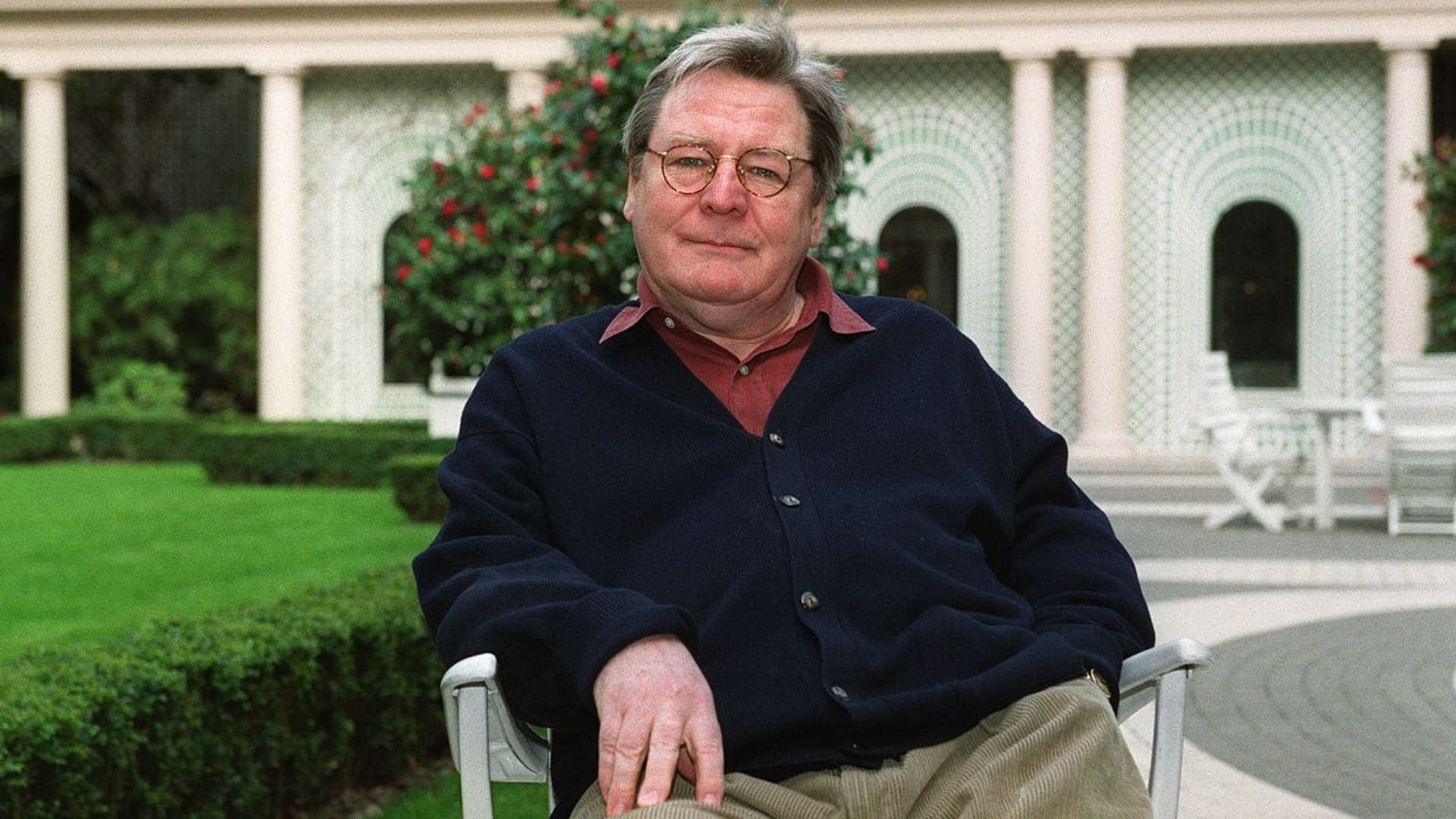
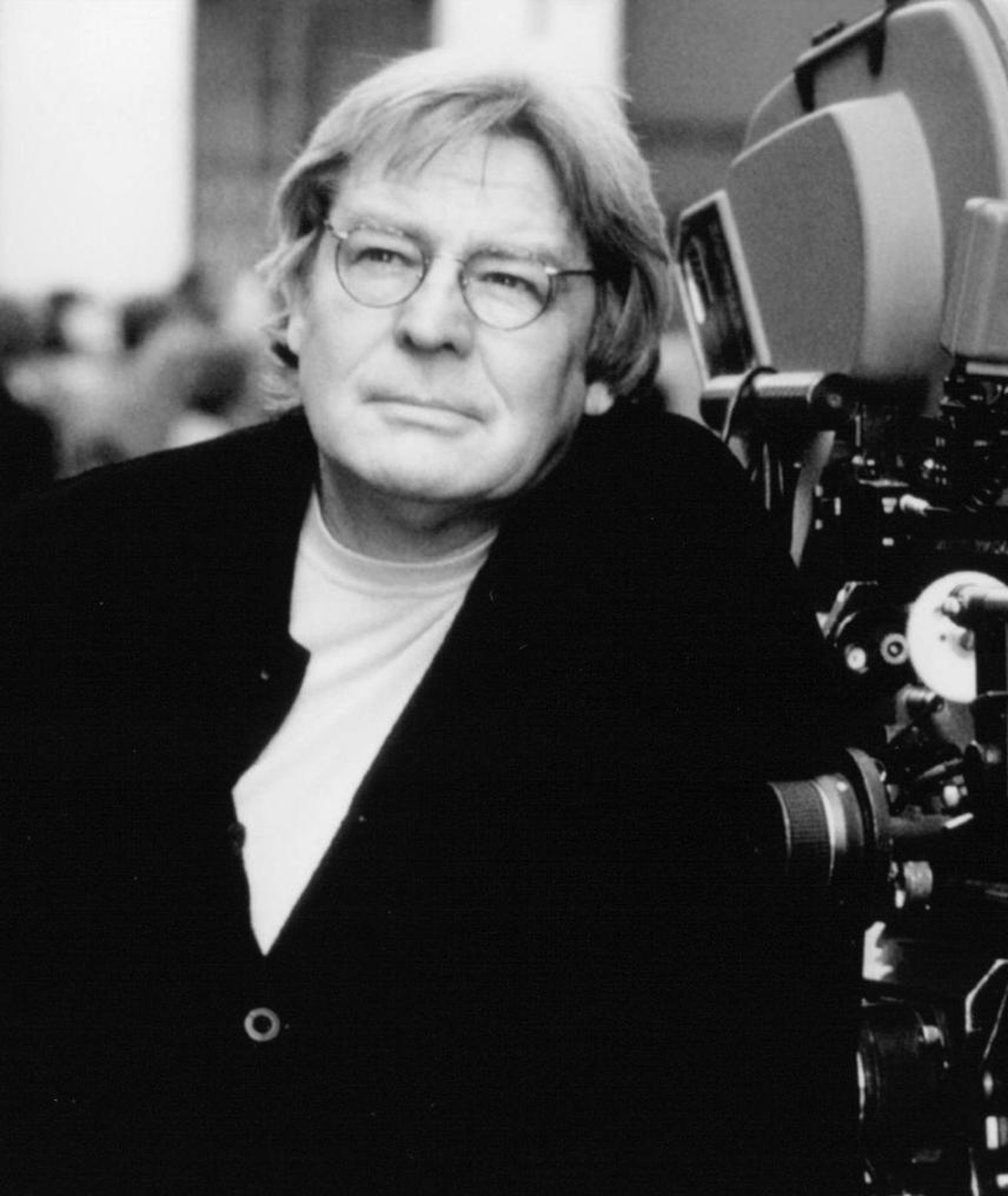
Alan Parker was a preeminent British filmmaker whose "career of vision" spanned four decades, characterized by an extraordinary versatility that defied genre categorization. From the gritty realism of Midnight Express to the exuberant musicality of Fame and The Commitments, Parker’s work was defined by a bold visual language, a mastery of editing, and an unwavering commitment to social commentary and human emotion.
The phrase "a career of vision" captures the essence of Sir Alan Parker’s contribution to global cinema. Unlike directors who specialize in a single niche, Parker’s vision was one of adaptability and technical precision. He moved seamlessly between psychological thrillers, intimate dramas, and large-scale musicals, often blending these elements to create films that were both commercially successful and critically significant. His background in advertising provided him with a unique eye for composition and rhythm, which he utilized to revitalize the British film industry and leave an indelible mark on Hollywood.
The Advertising Roots and the Visual Blueprint
Before Alan Parker became a household name in cinema, he was a titan of the British advertising world. In the late 1960s and early 1970s, he worked at agencies such as Collett Dickenson Pearce (CDP), alongside other future legends like David Puttnam and Ridley Scott. This period was crucial in shaping his "vision." Advertising taught Parker the importance of the "economy of the image"—how to tell a powerful story in a limited timeframe using striking visuals and rhythmic pacing.
This background allowed him to develop a technical rigor that many of his contemporaries lacked. He understood the mechanics of the camera, the nuances of lighting, and the psychological impact of a well-timed cut. When he transitioned to feature films, he brought a "commercial" polish to arthouse sensibilities, a combination that would define his early successes. His vision was never just about the story; it was about the sensory experience of the audience.
The 1970s Breakthrough: Innovation and Controversy
Parker’s entry into feature films was marked by two radically different projects that demonstrated his range. His debut, Bugsy Malone (1976), was a pastiche of 1930s gangster films played entirely by children with cream-shooting "splurge guns." It was a whimsical, highly stylized gamble that succeeded because of Parker’s disciplined direction. He treated the young actors with the same seriousness as adults, ensuring the film’s vision remained cohesive rather than gimmicky.
However, it was Midnight Express (1978) that established him as a major international force. Based on the true story of Billy Hayes, an American student imprisoned in Turkey for drug smuggling, the film was a visceral, claustrophobic nightmare. Parker utilized high-contrast lighting and a pulsating electronic score by Giorgio Moroder to create an atmosphere of relentless dread. The film earned him his first Academy Award nomination for Best Director and cemented his reputation for "visionary" storytelling that didn't shy away from brutality or controversy.
The Visual Language of Midnight Express
The success of Midnight Express was largely due to Parker's collaboration with cinematographer Michael Seresin. They created a visual palette that made the prison environment feel alive and predatory. This partnership would become a cornerstone of Parker’s career, highlighting his belief that the director’s vision must be translated through a deep understanding of light and shadow.
Revolutionizing the Movie Musical
Perhaps the most significant aspect of Alan Parker’s career of vision was his reinvention of the musical. He famously disliked traditional stage-to-screen adaptations, preferring to integrate music into the narrative in more organic or experimental ways. His approach to the musical was gritty, contemporary, and often politically charged.
- Fame (1980): This film discarded the "putting on a show" tropes of old Hollywood. Instead, it offered a documentary-style look at the lives of students at the High School of Performing Arts in New York. Parker’s vision here was one of urban energy and raw ambition.
- Pink Floyd – The Wall (1982): A masterpiece of surrealist cinema, this film turned Roger Waters’ concept album into a terrifying exploration of isolation and fascism. Parker blended live action with Gerald Scarfe’s grotesque animations, creating a non-linear visual feast that remains a cult classic.
- The Commitments (1991): Returning to his roots of working with young, unknown talent, Parker captured the soul of working-class Dublin. The film’s vision was grounded in humor and musical authenticity, proving that a "musical" could be about the struggle of everyday life.
- Evita (1996): Parker’s grandest musical achievement involved a decade of development. He insisted on filming in historical locations, including the Casa Rosada in Buenos Aires. His vision transformed Andrew Lloyd Webber’s rock opera into a sweeping historical epic that balanced spectacle with political intrigue.
Navigating Social Commentary and Human Rights
Throughout his career, Alan Parker used his platform to address difficult social issues. His vision was often empathetic toward the underdog or the persecuted, leading him to tackle themes of racism, injustice, and the abuse of power.
In Mississippi Burning (1988), Parker took on the 1964 disappearance of three civil rights workers. While the film faced some criticism for centering the narrative on FBI agents rather than Black activists, its visual power was undeniable. Parker used the imagery of fire and darkness to represent the "burning" soul of the American South. The film’s intensity forced audiences to confront the reality of systemic racism in a way few mainstream Hollywood films had done before.
Earlier, in Birdy (1984), he explored the psychological trauma of war through the lens of two Vietnam veterans. The film’s vision was lyrical and hallucinatory, using bird-like camera movements to represent the protagonist’s desire for escape. These films demonstrated that Parker’s "vision" was not just aesthetic—it was a tool for moral and social inquiry.
Technical Mastery and the Parker Aesthetic
A defining characteristic of Alan Parker’s directing style was his control over the entire production process. He was a "total filmmaker," often involved in screenwriting, producing, and even the marketing of his films. His technical specifications for his shoots were notoriously demanding, ensuring that every frame aligned with his mental image of the story.
The Collaboration with Michael Seresin
Parker’s long-standing relationship with cinematographer Michael Seresin is one of the most fruitful in cinema history. Together, they developed what could be called "The Parker Look":
- Low-Key Lighting: Using shadows to create depth and mystery.
- Atmospheric Textures: Frequent use of smoke, rain, and neon to add layers to the frame.
- Dynamic Editing: A rhythmic approach to cutting that often mirrored the tempo of the music or the emotional state of the characters.
| Film Title | Year | Primary Genre | Key Visual Motif | Notable Award/Recognition |
|---|---|---|---|---|
| Bugsy Malone | 1976 | Musical/Parody | Juvenile Noir | BAFTA Best Screenplay |
| Midnight Express | 1978 | Prison Drama | Claustrophobic Shadows | Academy Award Nominee (Best Director) |
| Fame | 1980 | Musical Drama | Urban Kineticism | Academy Award for Best Original Song |
| Birdy | 1984 | Drama | Dreamlike Aerials | Grand Prix at Cannes Film Festival |
| Angel Heart | 1987 | Neo-Noir/Horror | Decay and Gothic Grit | Cult Classic Status |
| Mississippi Burning | 1988 | Crime/History | Fire and Contrast | 7 Academy Award Nominations |
| The Commitments | 1991 | Musical Comedy | Working-Class Grime | BAFTA Best Film & Director |
| Evita | 1996 | Musical/Biography | Grand Historical Scale | Golden Globe for Best Motion Picture |
The Legacy of a Visionary in 2026
As we reflect on Alan Parker’s work in 2026, his influence is more apparent than ever. In an era dominated by CGI and franchise-driven content, Parker’s commitment to "in-camera" visuals and human-centric stories serves as a blueprint for modern directors. His ability to maintain a singular vision while working within the Hollywood system is a feat few have replicated.
His legacy is preserved through the British Film Institute (BFI) and the Academy of Motion Picture Arts and Sciences, where his archives provide a masterclass in film craft. For aspiring directors, Parker represents the ideal of the "pragmatic artist"—someone who understands the business and technology of film as well as the poetry of the image.
Frequently Asked Questions
Why is Alan Parker considered a "visionary" director?
Parker is considered a visionary because he consistently pushed the boundaries of film aesthetics and narrative structure. He was an early adopter of music-video-style editing in feature films and was known for his "total control" approach to production. His vision allowed him to take risks—like casting only children in a gangster movie or making a non-dialogue film based on a rock album—and make them both critically and commercially successful.
What are the most common themes in Alan Parker’s movies?
Common themes include the loss of innocence (Bugsy Malone, Birdy), the struggle against oppressive systems (Midnight Express, Mississippi Burning), the pursuit of artistic expression (Fame, The Commitments), and the intersection of music and identity. His films often focus on characters who are outsiders or are pushed to their psychological limits.
Did Alan Parker write his own screenplays?
While he was primarily known as a director, Parker was an accomplished writer. He wrote or co-wrote several of his films, including Bugsy Malone, Evita, and The Life of David Gale. Even when working with other writers, such as Oliver Stone on Midnight Express, Parker heavily influenced the script to align with his visual vision.
How did Alan Parker influence the modern music video?
Before the rise of MTV, Parker’s work in films like Fame and Pink Floyd – The Wall experimented with the visual representation of music. His use of fast cutting, metaphorical imagery, and non-linear storytelling became the standard language for the music video industry in the 1980s and 1990s.
What was Alan Parker’s relationship with the British film industry?
Parker was a fierce advocate for British cinema. He served as the Chairman of the British Film Institute and the first Chairman of the Film Council. He was knighted in 2002 for his services to the industry. Despite his success in Hollywood, he remained a quintessential British filmmaker, often mentoring the next generation of UK talent.
Final Recommendation for Film Students and Enthusiasts
To truly understand Alan Parker’s "career of vision," one should start by watching Midnight Express and The Commitments back-to-back. This exercise reveals his range: from the darkest depths of the human experience to the most uplifting celebrations of spirit. For a deeper technical study, analyze the "Greatest Show on Heaven" sequence in Birdy or the "Another Brick in the Wall" segment of The Wall. These moments represent the pinnacle of his visual and rhythmic mastery.
Study his work not just as entertainment, but as a lesson in how to marry technical excellence with emotional honesty. Alan Parker proved that a director’s vision is not a fixed style, but a versatile lens through which any story can be told with power and precision.