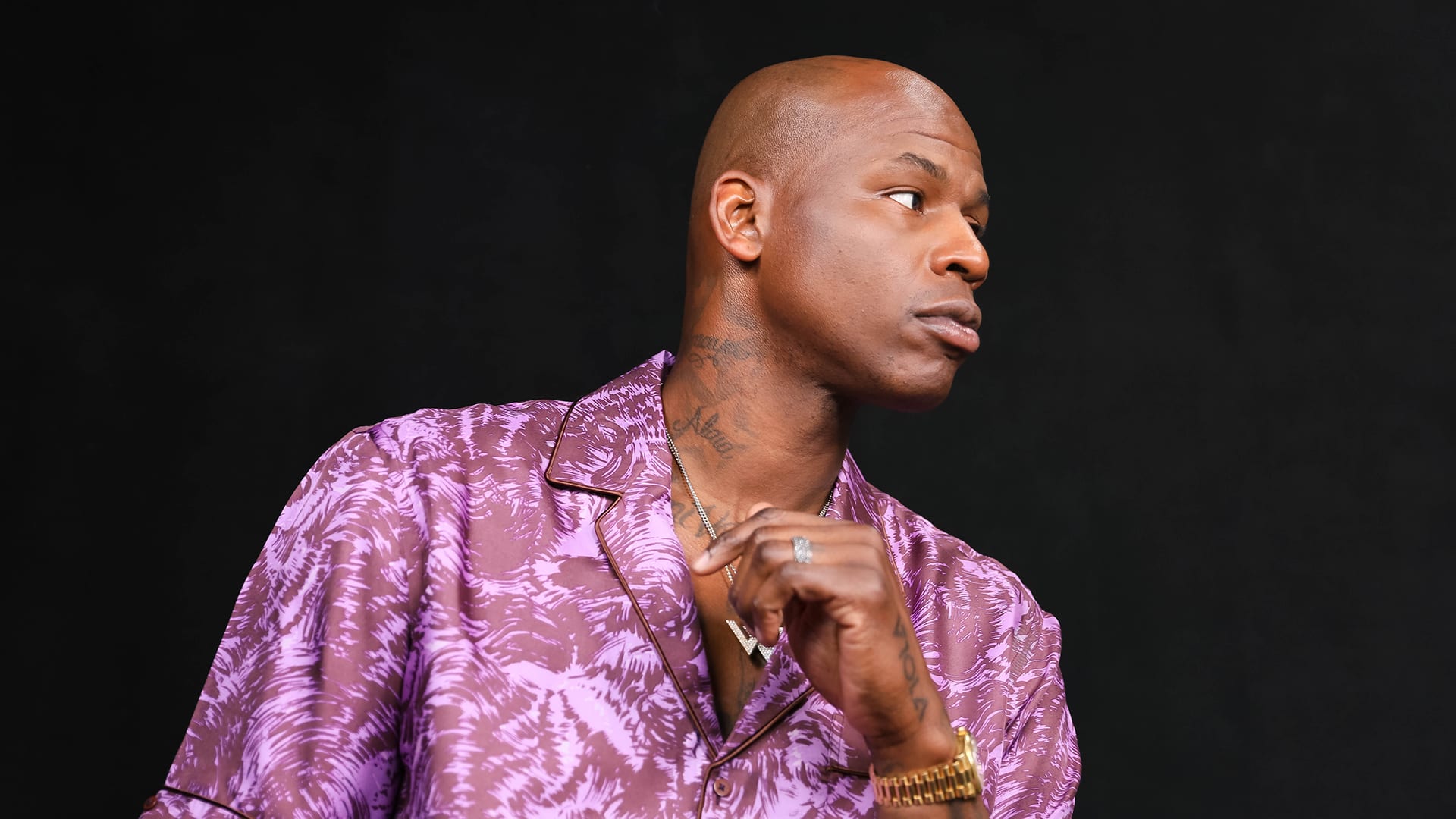
Al Harrington’s official listed height of 6 feet 9 inches provided the foundational versatility that allowed him to evolve from a high school phenom into a valuable, 16-year NBA veteran capable of stretching the floor as a modern stretch-four.
The intersection of physical stature and athletic evolution remains one of the most fascinating study points in modern basketball history. When evaluating the career of Al Harrington, his physical dimensions—specifically his height and wingspan—played a pivotal role in determining his positional flexibility, tactical utility, and longevity within an ever-changing National Basketball Association. Standing at a robust 6 feet 9 inches with a solid frame, Harrington occupied a fascinating transitional era in professional basketball. He entered the league straight out of high school during an era that still heavily favored traditional, bruising low-post centers and power forwards, yet he exited it right as the game pivoted toward perimeter shooting, positionless basketball, and pace-and-space philosophies.
Understanding how his height influenced his drafting, his transition through various franchises, his positional shifts from center to small forward, and his eventual reinvention as a deadly three-point shooting threat provides a comprehensive look at the anatomy of an NBA journeyman's success. This examination breaks down the precise measurements, tactical advantages, physical limitations, and historical context defining Al Harrington’s professional tenure.
Physical Profile and Measurables: Defining Al Harrington
To understand how Al Harrington navigated his career, one must look closely at his foundational physical measurements and how they compared to NBA standards of his era. Drafted 25th overall in the 1998 NBA Draft directly out of St. Patrick High School in New Jersey, Harrington entered the professional ranks with high expectations driven largely by his unique blend of size and skill.
- Official Height: 6 feet 9 inches (approx. 2.06 meters)
- Listed Weight: Approximately 245 to 250 pounds (111 to 113 kg)
- Wingspan: Estimated at approximately 7 feet 0 inches to 7 feet 1 inch
- Position: Power Forward / Center / Small Forward (Flexibility across three frontcourt positions)
- Draft Status: 1998 NBA Draft, Round 1, Pick 25 by the Indiana Pacers
Unlike traditional centers of the late 1990s who relied solely on height and vertical mass to patrol the paint, Harrington possessed a frame that could absorb contact without sacrificing lateral quickness. His 6-foot-9 stature placed him right on the boundary between the perimeter-oriented forward positions and the interior paint protectors. However, it was his functional mobility at that height that immediately caught the attention of scouts and coaches. In an era where high school-to-NBA jumps were rare and high-risk, Harrington's physical maturity at age 18 allowed him to hold his own against veteran competition much sooner than many of his teenage peers.
Positional Versatility and Tactical Adaptability
Throughout his 16-year career spanning stints with the Indiana Pacers, Atlanta Hawks, Golden State Warriors, New York Knicks, Denver Nuggets, Orlando Magic, and Washington Wizards, Harrington's height was the primary enabler of his tactical flexibility. Coaches valued him because he could exploit mismatches across multiple positions depending on the defensive alignment of the opposing team.
Playing the Power Forward Position
Naturally suited to the power forward slot, Harrington used his 6-foot-9 frame to battle physical rebounders while maintaining the offensive fluidity to drive past slower, traditional big men. In his early years with the Indiana Pacers under coach Larry Bird and later Isiah Thomas, Harrington was often deployed as an energetic spark plug off the bench. His height allowed him to contest shots in the paint effectively while operating as a face-up scorer from the high post.
The Small Forward Experiment
During his time with the Atlanta Hawks and parts of his tenure elsewhere, teams occasionally experimented with pushing Harrington down to small forward to maximize offensive floor spacing. While his height gave him an immense over-the-top advantage against smaller wing defenders—allowing him to shoot over contests easily—this deployment occasionally exposed his lateral quickness when defending elite, fleet-footed perimeter scorers on the defensive end. Nonetheless, his ability to guard three positions made him an invaluable chess piece for coaches seeking matchup advantages.
Transitioning to Center and Small-Ball Lineups
As the NBA evolved toward smaller, faster lineups—most notably during his memorable stint with the "We Believe" Golden State Warriors under Don Nelson—Harrington's height became a weapon in small-ball schemes. Nelson frequently deployed Harrington at the center position. While giving up height and sheer bulk to traditional centers like Yao Ming or Dwight Howard, Harrington compensated with exceptional mobility, high basketball IQ, and the ability to pull opposing rim protectors away from the basket, completely altering defensive schemes.
Evolution Into a Stretch-Four Pioneer
Perhaps the most significant impact of Harrington’s physical profile on his career trajectory was his evolution into a prototypical stretch-four. Early in his career, Harrington was primarily known as an athletic slasher and mid-range jump shooter. However, as his career progressed into the 2000s and 2010s, he systematically expanded his shooting range beyond the three-point arc.
| Career Phase | Primary Role | Three-Point Tendency | Impact of Height |
|---|---|---|---|
| Indiana Pacers (1998–2004) | Energy Forward / Post Scorer | Low volume, mostly mid-range | Used 6'9" frame for interior scoring and rebounding. |
| Atlanta Hawks (2004–2006) | Starting Forward / Primary Scorer | Moderate volume expansion | Leveraged height to shoot over wing defenders. |
| Golden State Warriors (2006–2008) | Stretch Forward / Small-Ball Center | High volume, critical floor spacer | Pulled opposing centers away from the rim. |
| New York Knicks & Denver Nuggets (2008–2012) | Veteran Bench Scorer / Sniper | Consistent perimeter threat | Created matchup nightmares for slow-footed bigs. |
His height gave him a distinct advantage when shooting from deep. At 6 feet 9 inches, contests from shorter perimeter defenders often arrived late or failed to alter his shooting arc, enabling him to maintain a high release point that made his jumper difficult to block. This offensive adaptation extended his career well into his mid-30s, transforming him from an athletic interior finisher into a highly coveted floor-spacing veteran whose skill set directly foreshadowed the modern era of positionless, three-point-heavy basketball.
Physical Demands and Longevity Challenges
Playing 16 grueling NBA seasons while relying heavily on physical stature and relentless motor takes a severe toll on the human body. Harrington’s career was not without physical adversity, and his height played a dual role in both his durability and his injury accumulation.
Standing nearly 6-foot-9 and carrying roughly 250 pounds subjected his knees, ankles, and lower back to immense torque and vertical impact over 981 regular-season games. Taller athletes historically experience higher rates of lower-extremity wear and tear, and Harrington dealt with various knee complications and surgical procedures later in his career, particularly during his time with the Denver Nuggets and Orlando Magic.
Despite these physical hurdles, his underlying athletic base and functional strength enabled him to adapt his game as his lateral quickness declined with age. Instead of relying on explosive drives to the basket, older Harrington relied heavily on his height to secure position, draw tactical fouls, and anchor his feet for crucial floor-spacing jump shots. His ability to manage his body's changing mechanics through rigorous conditioning allowed him to remain productive long after many players of similar size had exited the league.
Comparative Analysis: Al Harrington vs. Contemporary Forwards
To contextualize Harrington’s physical impact, it is helpful to compare his build and deployment with other notable forwards from his era who shared similar dimensions.
- Rashard Lewis (6'10"): Like Harrington, Lewis utilized his height to transition into an elite stretch-four, though Lewis operated more exclusively as a perimeter shooter, whereas Harrington maintained a more physical, bruising interior game.
- Antoine Walker (6'8" to 6'9"): Walker shared Harrington's positional versatility and willingness to shoot from deep, though Walker possessed a heavier frame that allowed him to bully opponents in the low post more frequently.
- Hedo Türkoğlu (6'10"): Türkoğlu leveraged his height primarily as a point-forward playmaker, whereas Harrington functioned more as a dynamic scoring forward and floor spacer.
These comparisons highlight how players possessing nearly identical height profiles carved out entirely different career identities based on their skill acquisition and tactical deployment by coaching staffs. Harrington’s unique combination of high-school pedigree, interior toughness, and late-career perimeter marksmanship set him apart as one of the definitive transition-era forwards in league history.
Frequently Asked Questions
What was Al Harrington's official height and weight?
Al Harrington was officially listed at 6 feet 9 inches tall and weighed approximately 245 to 250 pounds throughout the majority of his 16-year professional basketball career.
How did Al Harrington's height affect his position on the floor?
His 6-foot-9 stature allowed him to play across multiple frontcourt positions, functioning primarily as a power forward while occasionally sliding down to small forward or moving up to play center in small-ball lineups.
Did Al Harrington always play as a perimeter shooter?
No. Early in his career with the Indiana Pacers, Harrington operated predominantly as an athletic interior scorer, slasher, and mid-range jump shooter before evolving into a reliable three-point stretch-four later in his career.
Why was Harrington's height valuable in small-ball lineups?
During his time with the Golden State Warriors, his height allowed him to play center against taller traditional opponents while stretching the floor offensively, forcing slower opposing big men out of the paint and neutralizing their shot-blocking effectiveness.
How many seasons did Al Harrington play in the NBA?
Al Harrington played 16 seasons in the National Basketball Association, appearing in nearly 1,000 regular-season games across seven different franchises before retiring from the league.
Practical Takeaways and Career Legacy
Al Harrington’s career offers a compelling case study in professional basketball adaptability. For aspiring players and analysts studying the evolution of frontcourt play, his journey underscores the importance of skill acquisition. While his 6-foot-9 height opened the initial doors to the NBA and provided the raw physical canvas required for professional success, it was his willingness to evolve his shooting range and tactical understanding that preserved his career longevity. By embracing the stretch-four role long before it became the universal offensive standard in modern basketball, Harrington maximized his physical attributes and cemented a lasting legacy as a versatile, highly adaptable forward.