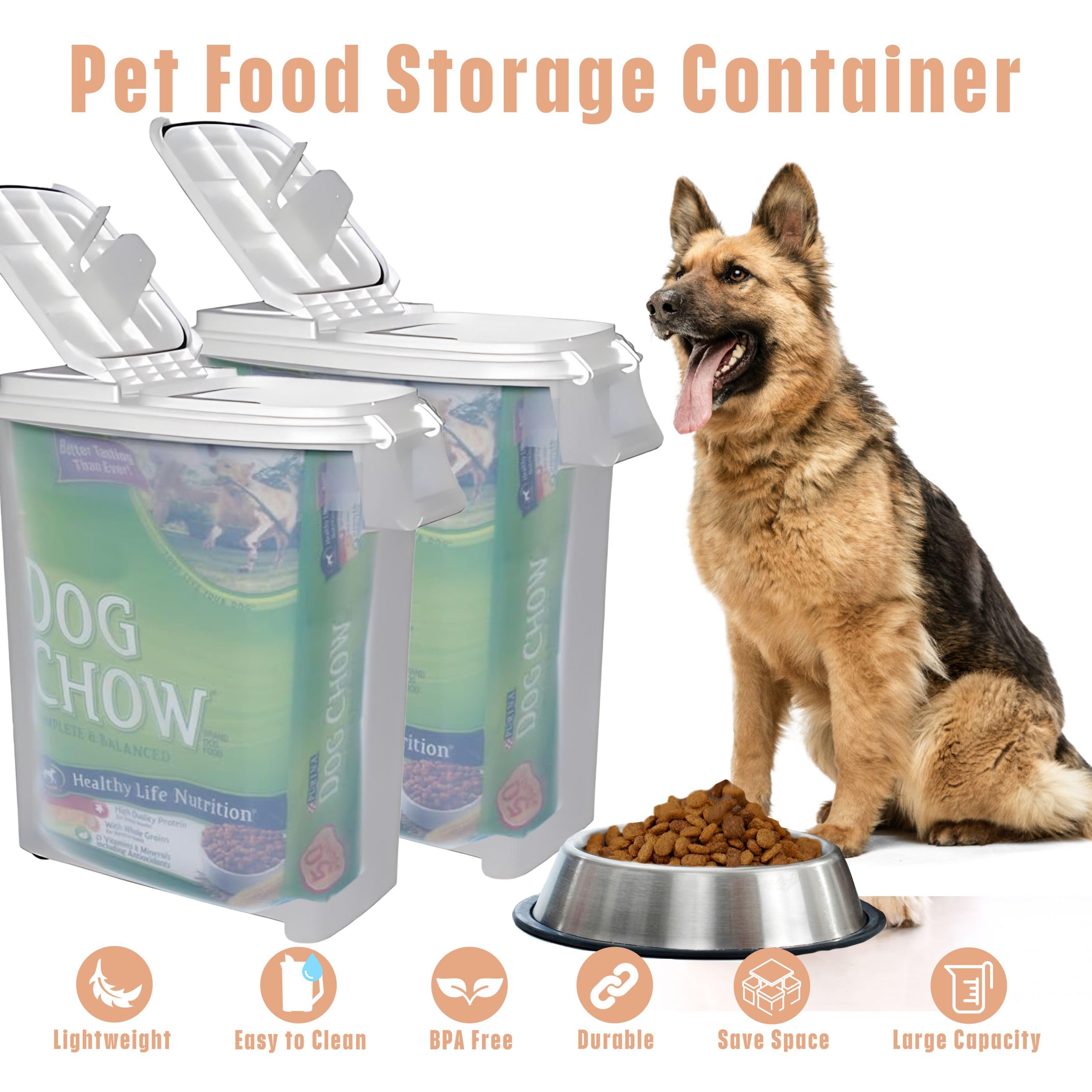
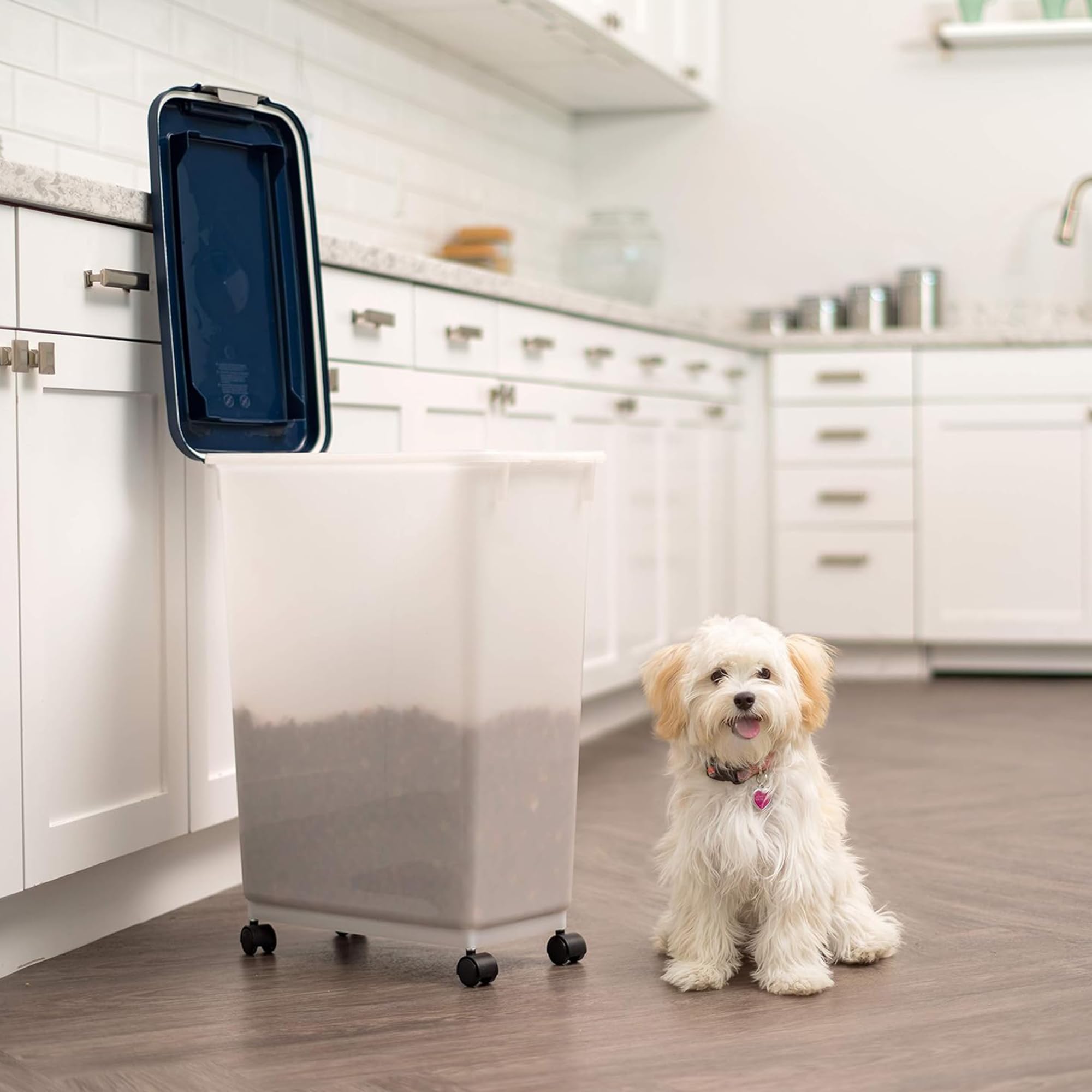
An airtight dog food storage container is the most effective tool for preserving the nutritional integrity, flavor, and safety of your pet’s kibble. By creating a vacuum-like or hermetic seal, these containers prevent oxygen exposure, moisture ingress, and pest infestations, ensuring your dog’s food remains fresh from the first scoop to the last.
Why an Airtight Seal is Critical for Canine Nutrition
Many pet owners view storage bins as a matter of convenience or organization, but the primary function of an airtight container is biochemical preservation. Modern kibble is a highly processed product often coated with fats and oils (lipids) to increase palatability. When these fats are exposed to oxygen, a process called lipid oxidation begins.
Oxidation does more than just make food smell "off." It chemically alters the fat molecules, creating peroxides and aldehydes that can lead to digestive upset or long-term health issues if consumed regularly. Furthermore, exposure to air degrades essential vitamins, particularly Vitamin A and Vitamin E, which are sensitive to light and oxygen. An airtight seal acts as a barrier, slowing the degradation process and maintaining the caloric density and micronutrient profile promised on the bag's label.
Moisture is another significant threat. In humid environments, dry dog food can absorb water vapor from the air. This increases the "water activity" level of the kibble, creating a breeding ground for molds and mycotoxins. A high-quality airtight gasket prevents this exchange, keeping the kibble crisp and microbiologically safe.
Key Features of High-Performance Storage Systems
When evaluating an airtight dog food storage container in 2026, several engineering features distinguish a professional-grade bin from a standard plastic tote.
Gasket Integrity and Material
The "seal" is usually a silicone or rubber gasket seated within the rim of the lid. Silicone is preferred in 2026 because it remains pliable over years of use and does not dry out or crack like cheaper rubber compounds. When the lid is closed, this gasket should be compressed evenly across the entire circumference of the opening.
Locking Mechanisms
Airtightness is maintained through pressure. Look for containers with heavy-duty latches, screw-top lids (like the Vittles Vault style), or tension-based clamps. These mechanisms ensure the lid stays forced against the gasket even if the container is bumped or if the internal air pressure changes due to temperature fluctuations.
Material Safety and Durability
Most containers are made from plastic, but not all plastics are equal. High-density polyethylene (HDPE) or Polypropylene (PP) are industry standards for food safety. Ensure the product is labeled BPA-free. Bisphenol A (BPA) is an endocrine disruptor that can leach into oily kibble over time. In 2026, premium options also include UV-inhibitors in the plastic to prevent sunlight from degrading the food’s nutrients if the bin is stored near a window.
Pest and Rodent Resistance
Beyond air, a container must be a fortress against pests. Ants and pantry moths can navigate the threads of a standard "snap-on" lid. A true airtight seal blocks the scent of the food, preventing pests from being attracted to the container in the first place. For those in rural areas, reinforced walls are necessary to prevent rodents from chewing through the base.
Types of Containers: Materials and Mechanics
Choosing the right material depends on your storage location, the volume of food you buy, and your aesthetic preferences.
| Container Material | Best Use Case | Pros | Cons |
|---|---|---|---|
| BPA-Free Plastic | Bulk storage (25-50 lbs) | Lightweight, affordable, often has wheels for mobility. | Can absorb odors over time if not cleaned. |
| Stainless Steel | Kitchen/Indoor use | Non-porous, fingerprint-resistant, extremely durable. | Higher price point, usually smaller capacities. |
| Glass/Ceramic | Small breeds/Treats | 100% non-reactive, aesthetic, easy to sanitize. | Heavy, breakable, limited to small sizes. |
| Collapsible Silicone | Travel or Small apartments | Space-saving, adjustable volume to reduce headspace. | Less durable against chewing pets. |
The "Bag-In" vs. "Pour-In" Debate
A common question among pet owners is whether to pour the kibble directly into the bin or place the entire original bag inside the airtight container.
Keeping the food in the original bag is the recommended method. The bags used by premium pet food manufacturers are specifically engineered with multi-layer barriers to protect the food. By placing the bag inside the airtight bin, you gain a secondary layer of protection. More importantly, it keeps the storage bin clean. Kibble oils seep into the pores of plastic bins over time; if not scrubbed frequently, these residual oils turn rancid and contaminate the new food you pour in.
Additionally, keeping the bag ensures you have access to the Lot Number and Expiration Date. In the event of a product recall, having this information is vital for your dog’s safety. If you prefer pouring the food directly into the bin, you must wash the container with soap and hot water between every single bag to remove oxidized oil residue.
Determining the Right Size for Your Needs
Container capacity is usually measured in quarts or pounds. However, "pounds" can be misleading because different kibbles have different densities (e.g., a high-protein "nugget" is denser than a "puffed" weight-management kibble).
As a general rule of thumb for 2026:
- 15-Quart Container: Holds approximately 10–12 lbs of dry food.
- 35-Quart Container: Holds approximately 25–30 lbs of dry food.
- 60-Quart Container: Holds approximately 45–55 lbs of dry food.
Always choose a container slightly larger than the bag you typically buy. Forcing a bag into a container that is too small can compromise the seal or damage the locking mechanism.
Maintenance and Cleaning Protocols
To maximize the lifespan of your airtight dog food storage container and ensure the health of your pet, follow a strict maintenance schedule.
- Deep Clean Every 4–6 Weeks: Even if you use the "bag-in" method, dust and crumbs will accumulate. Empty the container and wash it with mild dish soap. Avoid harsh chemicals like bleach unless there has been a known mold or pest issue, as the scent can linger and deter your dog from eating.
- Gasket Inspection: Once every few months, wipe down the silicone gasket with a damp cloth. Dust or a stray piece of kibble stuck to the gasket can break the airtight seal. Check for cracks or flattening.
- Complete Drying: Never pour new food into a container that is even slightly damp. Moisture trapped inside an airtight environment will trigger rapid mold growth. Let the container air-dry in the sun, which also provides a natural UV sanitizing effect.
Solving Common Storage Issues
Preventing Ant Infestations
Even with an airtight lid, ants may swarm the outside of the bin. To prevent this, ensure the exterior of the bin is wiped down to remove any food residue. If the seal is truly airtight, ants should not be able to smell the food. If they are getting in, it is a sign that the gasket is misaligned or the lid is warped.
Humidity Control in Garage Storage
Many owners store bulk food in the garage. While an airtight bin protects against ambient humidity, the air trapped inside the bin when you close it still contains moisture. In 2026, many owners use food-safe desiccant packets (silica gel) taped to the underside of the lid to absorb this internal moisture, further extending the shelf life of the kibble.
Managing "Headspace"
Headspace is the volume of air between the top of the food and the lid. The more air in the bin, the more oxygen is available to react with the food. If you buy very large bins for small amounts of food, the food will spoil faster. It is better to use a container that is appropriately sized for your monthly consumption.
Frequently Asked Questions
Can I use a regular trash can with a lid instead?
No. Standard trash cans, even those with "tight" lids, are not airtight. They lack the compression gaskets required to block oxygen and microscopic pests. Furthermore, many trash cans are made from non-food-grade plastics that may contain harmful chemicals like lead or phthalates, which can leach into the food.
How long does dog food stay fresh in an airtight container?
Most dry dog foods will remain fresh for about 6 weeks after the bag is opened if stored in a cool, dry place inside an airtight container. Without an airtight seal, the quality begins to noticeably decline within 10 to 14 days due to oxidation and flavor loss.
Is stainless steel better than plastic for storage?
Stainless steel is superior in terms of hygiene because it is non-porous and does not absorb oils or odors. However, it is significantly more expensive and heavy. For most owners, a high-quality, BPA-free plastic container with a robust silicone seal offers the best balance of performance and value.
Should I store the container in the garage or the house?
Inside the house is always better. Temperature fluctuations in a garage can cause "sweating" inside the container, leading to mold. Ideally, store your airtight bin in a cool, dark pantry where the temperature remains below 75°F (24°C).
Are stackable containers safe for heavy loads?
Yes, provided they are engineered for that purpose. Many systems in 2026 feature nesting grooves that prevent the top bin from sliding off. However, always check the weight rating. Placing 50 lbs of food in a container not designed for stacking can crack the lid of the unit beneath it, destroying the airtight seal.
Final Recommendation for Pet Owners
Investing in a high-quality airtight dog food storage container is an investment in your dog's long-term health. For most households, a heavy-duty BPA-free plastic bin with a screw-top or dual-latch lid provides the most reliable seal for bulk kibble. If you have the space, keeping the food inside its original bag within the container is the gold standard for hygiene and freshness. Ensure you clean the unit regularly and check the gasket integrity twice a year to ensure your pet's meals remain as nutritious as the day they were packaged.