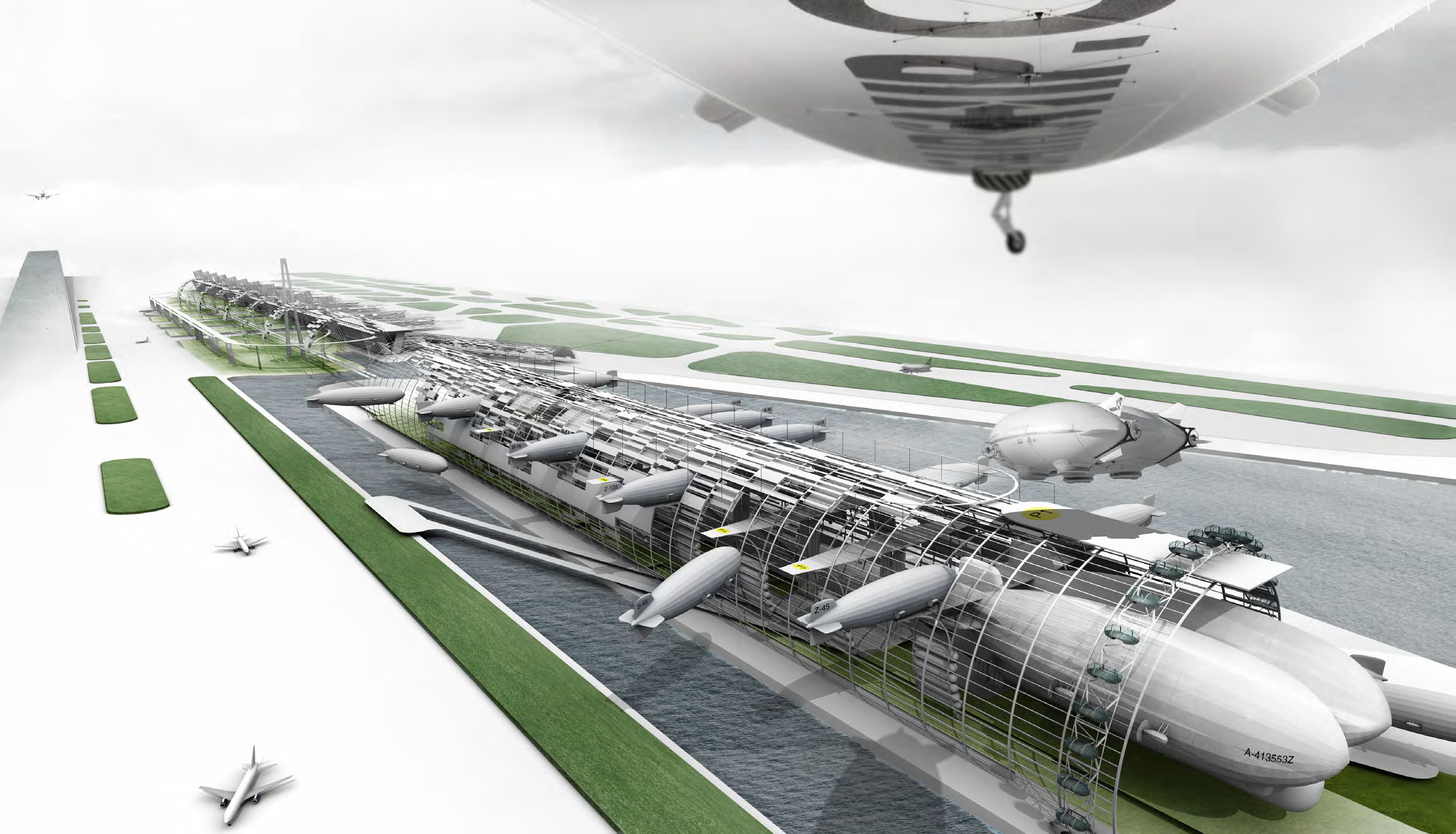
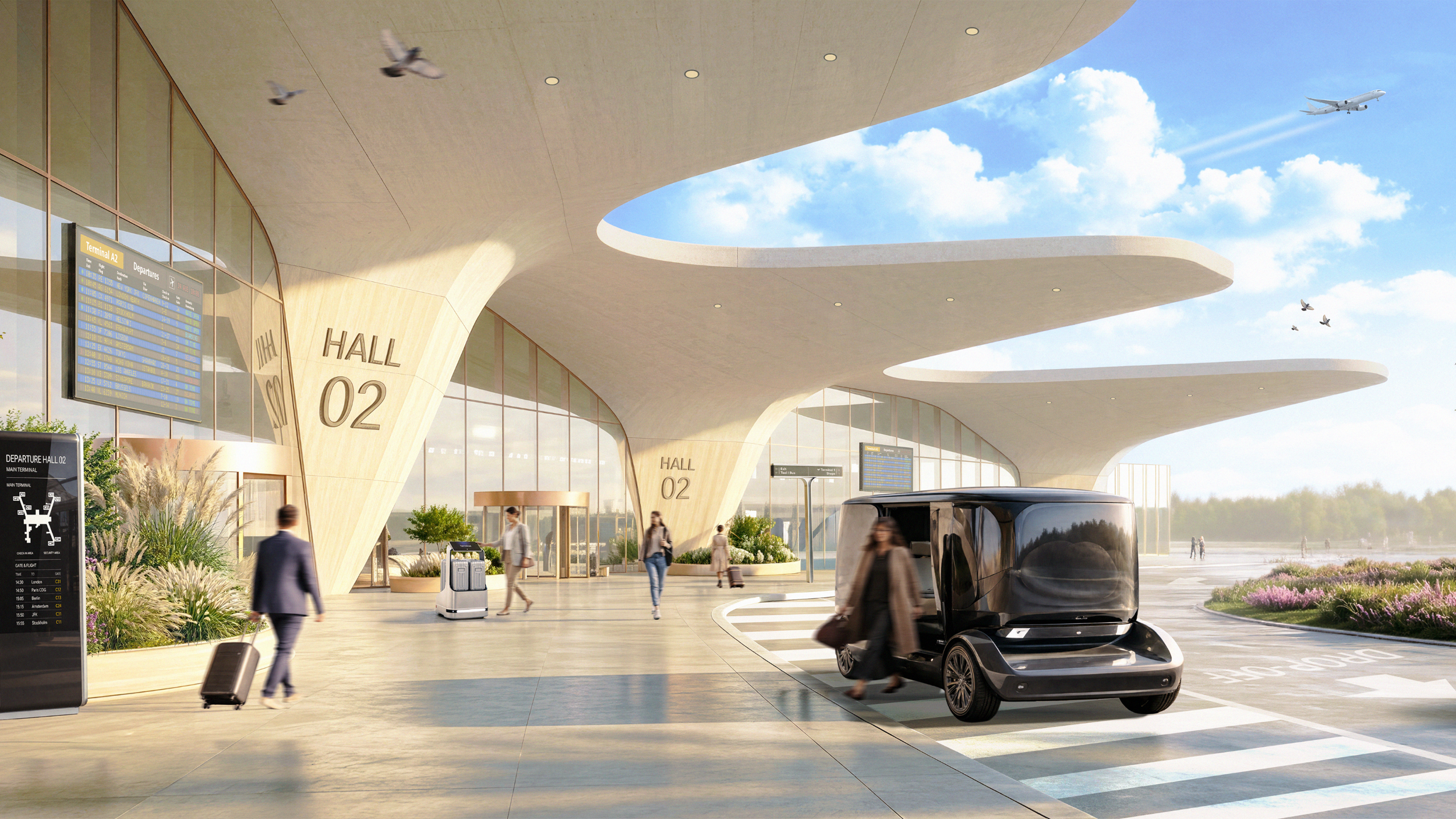
The airport of the future has arrived in 2026, transforming from a high-stress processing center into a seamless, biometric-driven transit hub. By integrating artificial intelligence, contactless identity management, and sustainable infrastructure, modern airports have significantly reduced wait times, replaced physical documents with digital tokens, and prioritized environmental neutrality through advanced energy systems.
The Paradigm Shift: From Processing to Experience
For decades, the airport experience was defined by the "queue-and-wait" model. Travelers faced a series of fragmented checkpoints: check-in desks, bag drops, security lines, and boarding gates. As we navigate 2026, the primary objective of global aviation hubs has shifted toward "frictionless flow." This evolution is not merely about faster machines but about a fundamental redesign of how passengers move through physical space.
The modern terminal is now a "Smart Terminal," utilizing the Internet of Things (IoT) to monitor passenger density and flow in real-time. By using anonymized heat mapping and predictive analytics, airport operators can deploy staff to bottlenecks before they even form. This data-driven approach has effectively eliminated the traditional "rush hour" chaos, allowing for a more predictable and relaxed environment. Furthermore, the aesthetic of the airport has changed; the cold, industrial feel of the past has been replaced by "biophilic" design—integrating natural light, indoor forests, and water features that serve to lower passenger cortisol levels while naturally purifying terminal air.
Biometric Identity: The End of the Paper Trail
In 2026, your face is your boarding pass, your passport, and your credit card. The implementation of "OneID" frameworks, championed by IATA and implemented by major hubs worldwide, has revolutionized security and boarding. Biometric identity management uses high-resolution facial recognition and iris scanning to create a temporary digital token for each traveler.
How the Biometric Journey Works
- Pre-Arrival Enrollment: Passengers upload a "selfie" and a scan of their e-passport via an airline app. This creates a secure, encrypted biometric profile.
- Curb-to-Gate Recognition: Upon entering the terminal, cameras identify the passenger. Smart screens may display personalized flight information as the passenger approaches.
- The "Walking" Security: Advanced computed tomography (CT) scanners and millimeter-wave technology allow passengers to walk through security without removing liquids, electronics, or even their shoes in many tier-one airports.
- Seamless Boarding: Gates use automated biometric tunnels. As you walk through, the system verifies your identity against the flight manifest, and the doors open automatically.
This system relies on Decentralized Identity (DID) protocols, ensuring that biometric data is not stored in a central, hackable database but is instead verified against encrypted hashes. This addresses the significant privacy concerns that slowed adoption in the early 2020s.
Artificial Intelligence and the "Digital Twin"
One of the most significant behind-the-scenes developments in 2026 is the widespread use of "Digital Twins." A Digital Twin is a virtual, real-time replica of the entire airport ecosystem. By feeding data from thousands of sensors into a sophisticated AI model, airport managers can simulate "what-if" scenarios.
If a flight is delayed by two hours, the AI immediately calculates the ripple effect on gate assignments, baggage handling schedules, and even the staffing levels at food courts. This allows for proactive rather than reactive management. For the passenger, this means baggage rarely goes missing. Every suitcase is now equipped with a permanent or temporary RFID (Radio Frequency Identification) tag, tracked by the Digital Twin from the moment it leaves the passenger’s hand until it reaches the aircraft. If a bag is misrouted, the system flags it instantly, often correcting the error before the plane even departs.
Sustainable Infrastructure: The Green Airport Mandate
As the aviation industry moves toward its Net Zero 2050 commitment, the airport of 2026 has become a leader in sustainable architecture. Airports are no longer just consumers of energy; many have become localized power plants.
Energy Independence and SAF
- Solar and Wind Integration: Terminals are now constructed with photo-voltaic glass and topped with vertical-axis wind turbines. These installations often provide up to 40% of the terminal’s operational electricity.
- SAF Infrastructure: Sustainable Aviation Fuel (SAF) is now a standard offering at major hubs. Modern airports have built dedicated pipeline and storage infrastructure to handle SAF, which can reduce lifecycle CO2 emissions by up to 80% compared to traditional jet fuel.
- Hydrogen Ready: Experimental hubs in Europe and Asia have begun installing liquid hydrogen storage and refueling stations for the first generation of short-haul hydrogen-powered regional aircraft.
Water conservation is equally vital. 2026-standard terminals utilize advanced greywater recycling systems, where rainwater is harvested from massive roof spans, treated, and used for cooling systems and sanitation, reducing the facility's draw on municipal water supplies by half.
Autonomous Operations: Airside and Landside
The "airport of the future" has automated the most dangerous and repetitive tasks. On the tarmac (airside), autonomous ground support equipment (GSE) is now common. Electric, self-driving tugs move aircraft to and from gates, while autonomous carts transport luggage. This reduces ground handling accidents and significantly cuts down on carbon emissions from idling diesel engines.
On the landside, the way we get to the airport has changed. Many airports have integrated "Vertiports" for Electric Vertical Take-off and Landing (eVTOL) aircraft. These air taxis provide a rapid link between city centers and the airport, bypassing ground traffic. Additionally, autonomous shuttle buses circulate through parking lots and terminal loops, providing 24/7 service with precision timing.
The Passenger Experience: 2016 vs. 2026
To understand the magnitude of these changes, consider the comparison of a standard international departure.
| Feature | 2016 Standard Experience | 2026 Future Experience |
|---|---|---|
| Check-in | Manual desk or kiosk; physical paper tags. | Fully mobile; permanent RFID or digital tags. |
| Security | Laptops out; shoes off; 20-45 min wait. | Walk-through CT scanning; 5-10 min wait. |
| Identity Verification | Multiple physical passport/boarding pass checks. | Single biometric enrollment; "hands-in-pockets" flow. |
| Baggage Tracking | Limited; manual scanning at key points. | Real-time GPS/RFID tracking via smartphone app. |
| Wayfinding | Static overhead signs and paper maps. | Augmented Reality (AR) mobile nav & smart glass. |
| Sustainability | High carbon footprint; fossil fuel GSE. | Carbon-neutral terminals; electric/autonomous GSE. |
Intermodal Connectivity and the "15-Minute Airport"
The airport of 2026 is no longer an isolated island on the outskirts of a city. It is a multimodal transport hub. High-speed rail stations are now integrated directly into terminal basements, allowing passengers to check their bags at a train station in a different city and not see them again until their final destination.
The concept of the "15-Minute Airport" has also gained traction. This design philosophy ensures that any point in the terminal—from security to the furthest gate—can be reached within 15 minutes. This is achieved through a combination of "high-speed walkways" (accelerating moving sidewalks) and internal automated people movers (APMs) that run on a continuous loop.
Challenges and Security in a Digital Era
While the "airport of the future" offers immense convenience, it faces new challenges in 2026. The primary concern has shifted from physical threats to cybersecurity. As airports become more reliant on AI and digital tokens, they become prime targets for cyberattacks. Protecting the "Digital Twin" and the biometric databases is now the top priority for airport security forces.
Furthermore, there is the "Digital Divide." Not every traveler has a high-end smartphone or is comfortable with biometric enrollment. Modern airports must maintain "analog lanes" to ensure inclusivity, though these lanes are increasingly rare and often slower. Ensuring that technology serves the passenger, rather than forcing the passenger to serve the technology, remains a key tension in airport management.
Practical Guidance for Travelers in 2026
To maximize the benefits of the modern airport infrastructure, travelers should adopt specific practices:
- Digital Pre-Clearance: Always use your airline’s mobile app to complete biometric enrollment at least 24 hours before your flight. This ensures you can use the "Express Green Lanes" at the airport.
- Invest in Permanent Tags: If you travel more than four times a year, purchase a permanent RFID luggage tag. These are now supported by all major airline alliances and ensure your bag is visible on your phone's tracking app throughout the journey.
- Arrive Smart, Not Early: Because security and check-in times are now highly predictable, you no longer need the "three-hour window" for international flights. Most smart airports suggest 90 minutes, as the "curb-to-lounge" time is now under 20 minutes for pre-enrolled passengers.
- Check Intermodal Options: Before booking an air taxi or Uber, check if your airport has an integrated high-speed rail or eVTOL link. These are often faster and have dedicated "fast-track" entry points into the terminal.
Frequently Asked Questions
What happens to my biometric data after my flight?
In most jurisdictions, including the EU and North America, biometric tokens are "transient." This means the high-resolution data used to identify you at the gate is deleted or anonymized within 24 to 48 hours after your journey is completed. Regulations like the AI Act of 2024 ensure that airports cannot use this data for marketing or long-term surveillance without explicit, separate consent.
Are paper passports still required in 2026?
Yes, you should still carry your physical passport. While the airport of 2026 uses digital tokens for movement within the terminal, international law still requires physical documentation for border crossings and as a backup in case of system outages. However, you will rarely need to take it out of your bag.
Does the new security technology mean I can carry more liquids?
Yes. The 2026-standard CT scanners use sophisticated algorithms to differentiate between explosive precursors and harmless liquids. Many airports have lifted the 100ml (3.4oz) restriction entirely, though you should check the specific "Airport Status" page on your airline's app, as some older secondary hubs may still enforce legacy rules.
How do autonomous luggage carts prevent theft?
Autonomous carts operate within a geo-fenced, highly monitored airside zone. Every cart is tracked by the Digital Twin. If a cart deviates from its programmed path or is tampered with, an immediate alert is sent to security. Furthermore, baggage handling areas are now largely "human-free," which has statistically reduced the incidence of "inside-job" theft.
What if the facial recognition system fails to recognize me?
Biometric systems in 2026 have a "False Rejection Rate" (FRR) of less than 0.1%. If the system fails—perhaps due to a recent injury or significant change in appearance—you are simply diverted to a "Manual Verification Station" where a human agent will check your physical passport. This process is seamless and does not require you to go back to the start of the line.
Next Steps for the Modern Traveler
As you prepare for your next trip, the most important action is to audit your digital readiness. Ensure your airline’s app is updated, check that your passport’s e-chip is functional, and consider enrolling in global "Trusted Traveler" programs. The technology of 2026 is designed to be invisible; the more you prepare digitally before you leave your house, the more "invisible" your transit through the airport will be.