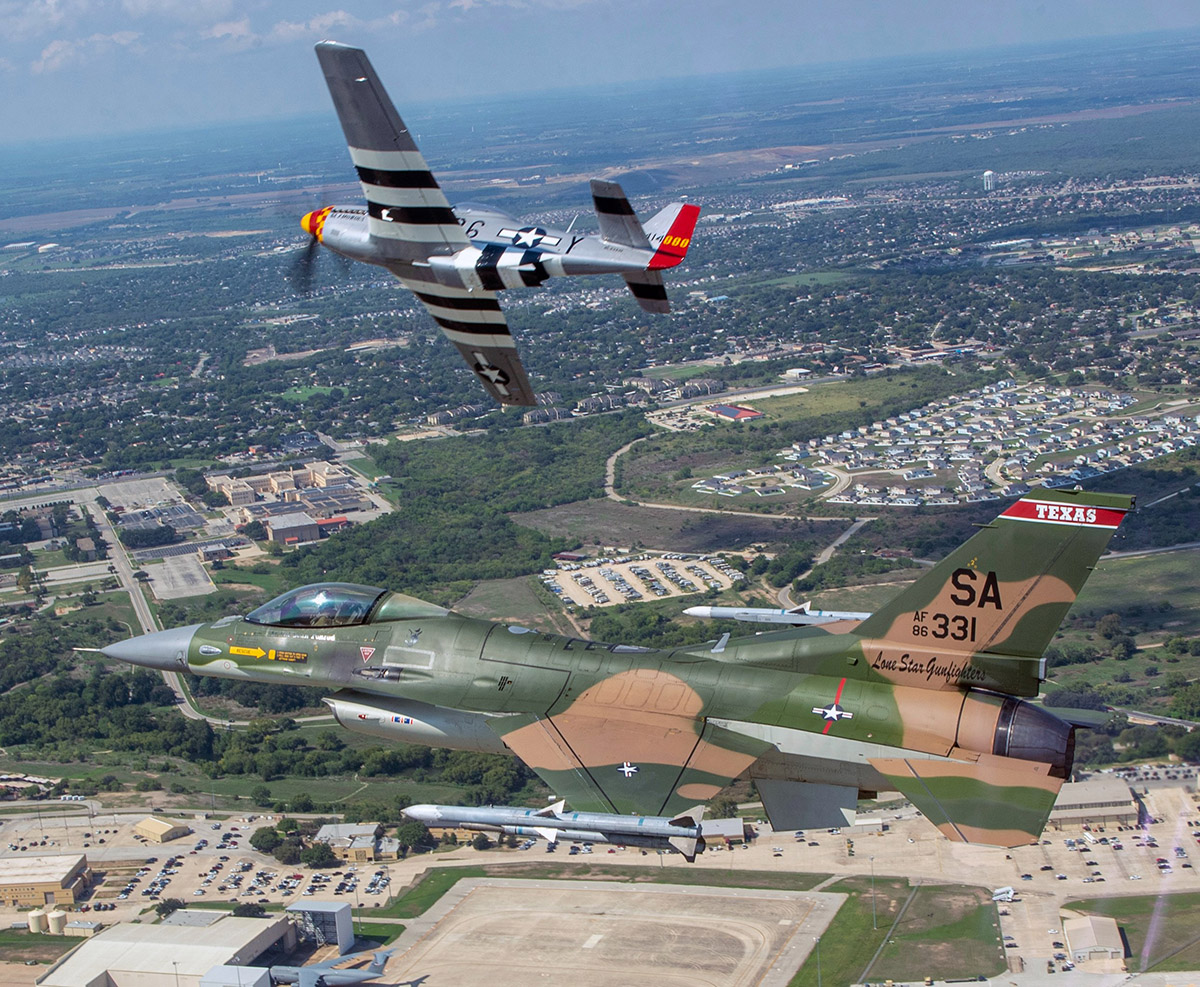
San Antonio, Texas, is home to the Department of Defense's largest joint base, Joint Base San Antonio (JBSA). This massive installation primarily consists of Lackland Air Force Base, Randolph Air Force Base, and Fort Sam Houston, alongside the Kelly Field Annex. These bases collectively support basic training, pilot instruction, and medical readiness.
Known globally as "Military City USA," San Antonio maintains a deep-rooted historical and economic relationship with the United States Air Force. As of 2026, the city’s military footprint remains the largest in the country in terms of personnel concentration and mission diversity. While the 2005 Base Realignment and Closure (BRAC) commission led to the unification of these distinct locations under the JBSA umbrella in 2010, each site maintains its unique culture, primary mission, and geographic identity within the San Antonio metropolitan area.
The Evolution of Joint Base San Antonio (JBSA)
Joint Base San Antonio was established to consolidate support functions across multiple installations to increase efficiency and reduce operational costs. Managed by the 502nd Air Base Wing, JBSA supports more than 80,000 personnel and manages a budget that rivals many mid-sized cities. The integration has allowed the Air Force and Army to share resources such as security, civil engineering, and morale, welfare, and recreation (MWR) services, while maintaining the specialized mission sets of the individual bases.
The concept of a "joint base" often confuses those new to the area. While the administration is unified, the physical locations are spread across the city. Traveling from Lackland on the west side to Randolph on the northeast side can take 45 minutes to an hour depending on San Antonio’s notorious 2026 traffic patterns. Understanding the specific roles of each component is vital for military members, contractors, and families relocating to the region.
Lackland Air Force Base: The Gateway to the Air Force
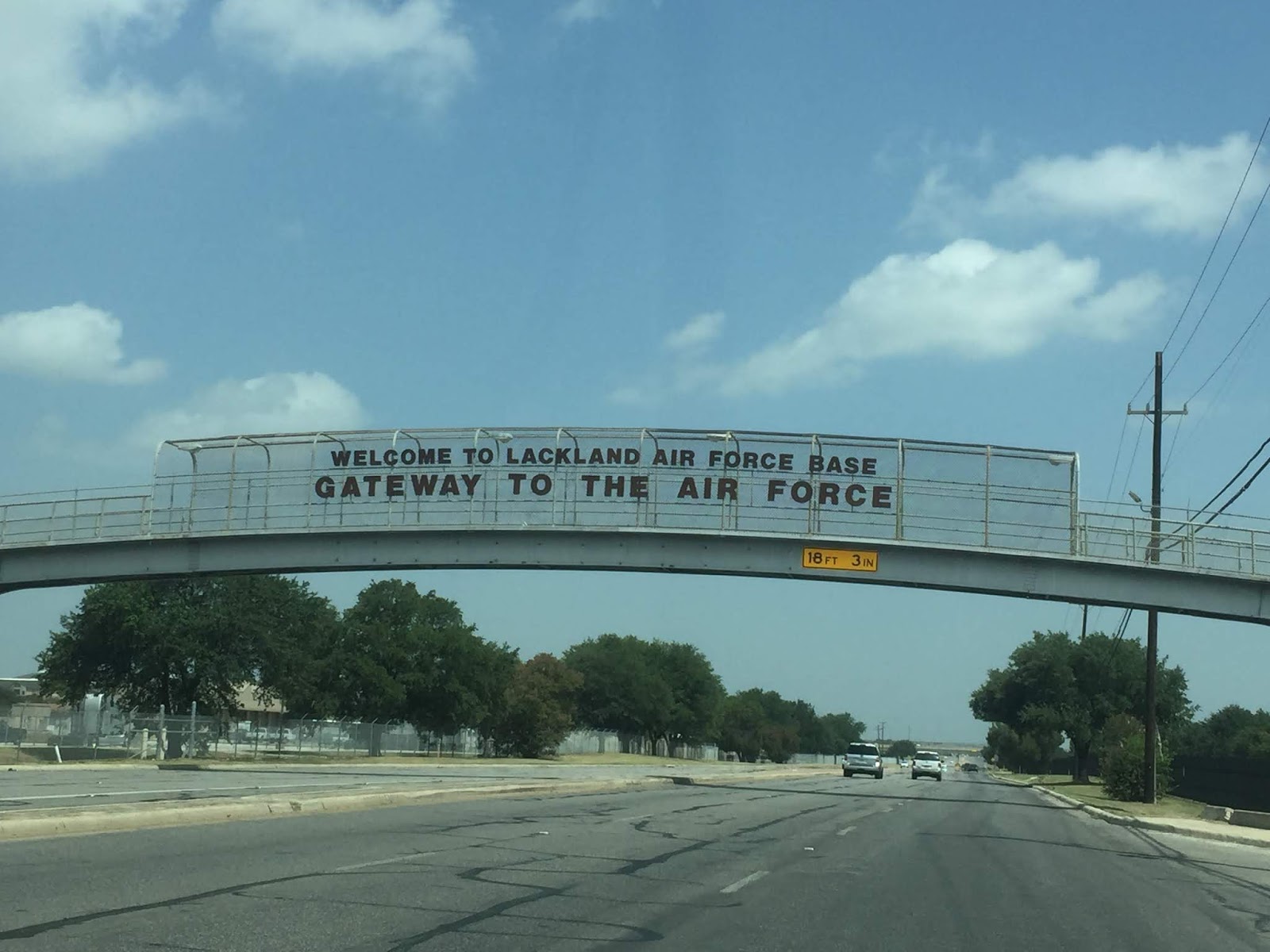
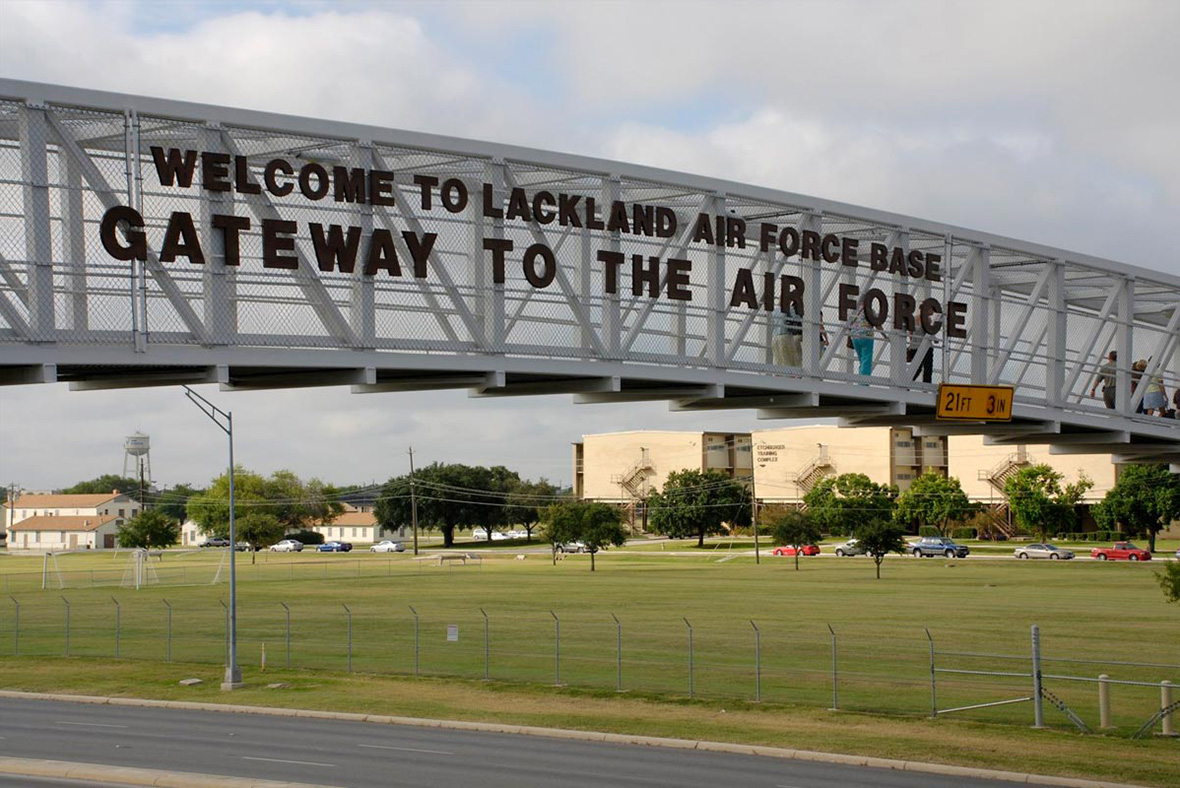
Located on the southwest side of San Antonio, Lackland Air Force Base is perhaps the most famous installation in the Air Force. It is known as the "Gateway to the Air Force" because it is the sole location for Air Force Enlisted Basic Military Training (BMT). Every enlisted Airman begins their career here, marching across the concrete pads of the 37th Training Wing.
Primary Missions at Lackland
The mission at Lackland extends far beyond basic training. It is a hub for technical training and international cooperation.
- 37th Training Wing: This is the largest training wing in the Air Force. It encompasses BMT, the Inter-American Air Forces Academy (IAAFA), and the Defense Language Institute English Language Center (DLIELC).
- 16th Air Force (Air Forces Cyber): Headquartered at Lackland, this NAF (Numbered Air Force) focuses on information warfare, encompassing intelligence, surveillance, reconnaissance (ISR), and cyber operations.
- The 59th Medical Wing: Operating primarily out of Wilford Hall Ambulatory Surgical Center, this wing provides premier healthcare and medical training.
Kelly Field Annex
Directly adjacent to Lackland is the Kelly Field Annex. Formerly Kelly Air Force Base, it was closed as a standalone installation in 2001. Today, the runway and certain facilities are used by the 149th Fighter Wing (Texas Air National Guard) and the 433rd Airlift Wing (Air Force Reserve). The civilian side of the former base is now known as Port San Antonio, a massive industrial and technology park that serves as a major employer for aerospace and cybersecurity professionals in 2026.
Randolph Air Force Base: The Showplace of the Air Force
Situated in Universal City on the northeast side of San Antonio, Randolph Air Force Base is celebrated for its distinctive Spanish Colonial Revival architecture. The most iconic structure is the "Taj Mahal," a water tower and office building that serves as the visual centerpiece of the base. Randolph is the headquarters for the Air Education and Training Command (AETC) and the Air Force Personnel Center (AFPC).
Pilot Training and Instructor Excellence
Randolph’s mission is centered on the sky. The 12th Flying Training Wing is the "Source of America's Airpower," responsible for Instructor Pilot Training.
- T-6A Texan II, T-38C Talon, and T-1A Jayhawk: These aircraft are constants in the skies over northeast San Antonio. Randolph trains the pilots who will go on to train the rest of the Air Force.
- Remotely Piloted Aircraft (RPA) Training: Randolph also plays a critical role in training the pilots and sensor operators for the Air Force's drone fleet.
In 2026, Randolph remains a highly sought-after assignment due to its aesthetic beauty and its location near the rapidly growing suburbs of Schertz and Cibolo. The base maintains a high standard of living and has seen significant investment in flight line modernization to accommodate next-generation trainer aircraft.
Fort Sam Houston: The Joint Connection
While technically an Army-led installation, Fort Sam Houston is an integral part of Joint Base San Antonio and houses a significant Air Force presence. Located near downtown San Antonio, it is the center of military medicine.
Medical Education and Training Campus (METC)
Fort Sam Houston is home to the Medical Education and Training Campus (METC), where enlisted medical personnel from the Air Force, Army, Navy, and Coast Guard receive their technical training. If an Airman is training to be a medic, dental assistant, or radiology technician, they will likely spend several months at Fort Sam.
Brooke Army Medical Center (BAMC)
BAMC is the largest and busiest military medical facility in the Department of Defense. It serves as a Level I Trauma Center for the San Antonio region. Many Air Force medical officers and specialists are stationed here, working side-by-side with their Army counterparts in a truly joint environment.
Comparison of JBSA Installations
The following table provides a quick reference for the primary Air Force-related sites within San Antonio as of 2026.
| Installation | Primary Function | Major Units | Surrounding Neighborhoods |
|---|---|---|---|
| Lackland AFB | Enlisted Basic & Technical Training | 37th Training Wing, 16th Air Force | Alamo Ranch, Westover Hills, Heritage |
| Randolph AFB | Pilot Instructor Training & HR | 12th Flying Training Wing, AFPC, AETC | Universal City, Schertz, Cibolo |
| Kelly Field | Reserve/Guard Flight Ops | 433rd Airlift Wing, 149th Fighter Wing | Port San Antonio, South San Antonio |
| Fort Sam Houston | Medical Training & Command | METC, ARSOUTH, MEDCOM | Alamo Heights, Terrell Hills, Government Hill |
Logistical Considerations and Base Access
Accessing Air Force bases in San Antonio requires strict adherence to Department of Defense (DoD) security protocols. As of 2026, all visitors must possess a valid REAL ID-compliant driver's license or a military identification card.
- Visitor Control Centers (VCC): Each base has a VCC located at the primary gate. If you do not have a Common Access Card (CAC) or retiree ID, you must be sponsored by someone on base or have a valid reason for entry (such as attending a BMT graduation).
- DBIDS Registration: The Defense Biometric Identification System (DBIDS) is used for long-term contractors and frequent visitors. Ensure your credentials are registered to avoid delays at the gate.
- Traffic Patterns: San Antonio's growth has led to increased congestion. Loop 1604 and I-410 are the primary arteries connecting the bases. Commuters should allow for significant travel time during morning (0630–0830) and afternoon (1600–1800) peak hours.
For more information on current gate hours and access procedures, visit the official Joint Base San Antonio website.
Living and Working in Military City USA
Choosing where to live is a primary concern for those moving to "near" the Air Force bases. San Antonio offers a wide variety of lifestyles, from the urban revitalization of the Pearl District near Fort Sam Houston to the sprawling suburban developments near Lackland.
Neighborhoods near Lackland
Personnel stationed at Lackland often look toward the Alamo Ranch and Westover Hills areas. These neighborhoods offer modern amenities, high-rated school districts (such as Northside ISD), and a short commute to the base. However, the popularity of these areas has led to increased housing costs through 2026.
Neighborhoods near Randolph
Schertz and Cibolo are perennial favorites for those stationed at Randolph. These communities are known for their "small-town" feel despite being part of the San Antonio metroplex. Universal City provides the most immediate access, with many residents being able to walk or bike to the base gates.
Economic Impact
The military presence contributes billions of dollars to the San Antonio economy. This relationship ensures that the city remains "military-friendly," with numerous businesses offering discounts and community programs specifically for service members. The City of San Antonio Office of Military and Veteran Affairs provides resources for transitioning members and military families.
Educational and Training Opportunities
San Antonio is not just a place where missions are flown; it is a center for academic and technical excellence. The presence of the Air Force has spurred the growth of local universities.
- The University of Texas at San Antonio (UTSA): A leader in cybersecurity, UTSA maintains close ties with the 16th Air Force at Lackland.
- Wayland Baptist University and Webster University: These institutions often have campuses directly on the installations to facilitate continuing education for service members.
For official information on training commands, you can refer to the Air Education and Training Command (AETC) portal.
Frequently Asked Questions
Which Air Force base in San Antonio handles Basic Training?
Lackland Air Force Base is the exclusive location for Air Force Enlisted Basic Military Training (BMT). It is also the site for the Air Force's primary security forces training and several international training centers.
Can civilians visit the "Taj Mahal" at Randolph AFB?
Direct public access to the Randolph "Taj Mahal" is restricted due to security protocols. However, the building is visible from the surrounding area, and families of service members or those on official tours may visit the site with proper escort and authorization.
What is the distance between Lackland and Randolph?
The distance is approximately 30 miles. Under ideal traffic conditions, the drive takes about 35 to 40 minutes via I-410 or Loop 1604. During rush hour in 2026, this commute can easily extend to 75 minutes or more.
Is Kelly Air Force Base still active?
Kelly Air Force Base officially closed as a standalone installation in 2001. However, its runway and some facilities were retained as the Kelly Field Annex under the management of Lackland AFB. The majority of the former base is now Port San Antonio, a civilian aerospace and tech hub.
How do I attend a graduation at Lackland AFB?
Graduations typically occur on Thursdays and Fridays. Visitors must be on the gate access list provided by their trainee. It is essential to coordinate with your trainee and check the 37th Training Wing’s official page for the latest graduation schedules and security requirements.
Practical Recommendation for Newcomers
If you are relocating to an Air Force base in San Antonio, the most critical step is to research your specific gate-to-home commute during peak hours. San Antonio’s layout is deceptive; what looks like a 10-minute drive on a map can be significantly longer during "shift change" at the bases.
Furthermore, utilize the JBSA Housing Office before signing any leases or purchasing property. They provide verified lists of "off-limits" establishments and can offer guidance on local market trends as of 2026. San Antonio is a welcoming city for the Air Force, but its sheer size requires strategic planning to ensure a smooth transition into "Military City USA."