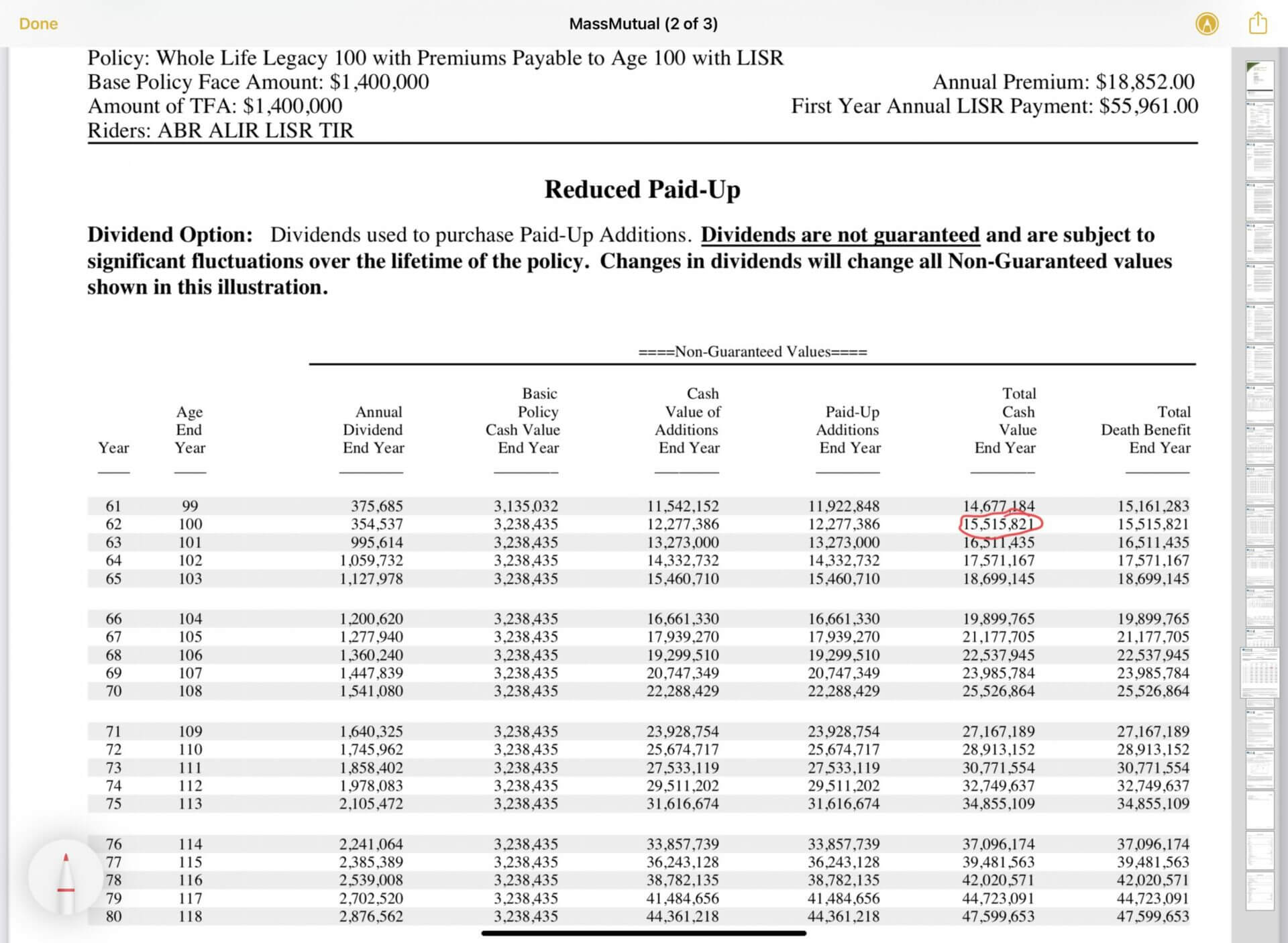
Navigating the intricacies of AIG whole life insurance requires an understanding of how cash value accumulation functions alongside potential medical-related riders or benefits. While AIG (American International Group) has evolved through various corporate structures—most notably through its life insurance subsidiary, Corebridge Financial—policyholders seeking documentation typically look for policy-specific riders that offer living benefits, such as accelerated death benefits, which act as medical-related provisions within a permanent insurance contract.
The Foundation of AIG Whole Life Insurance
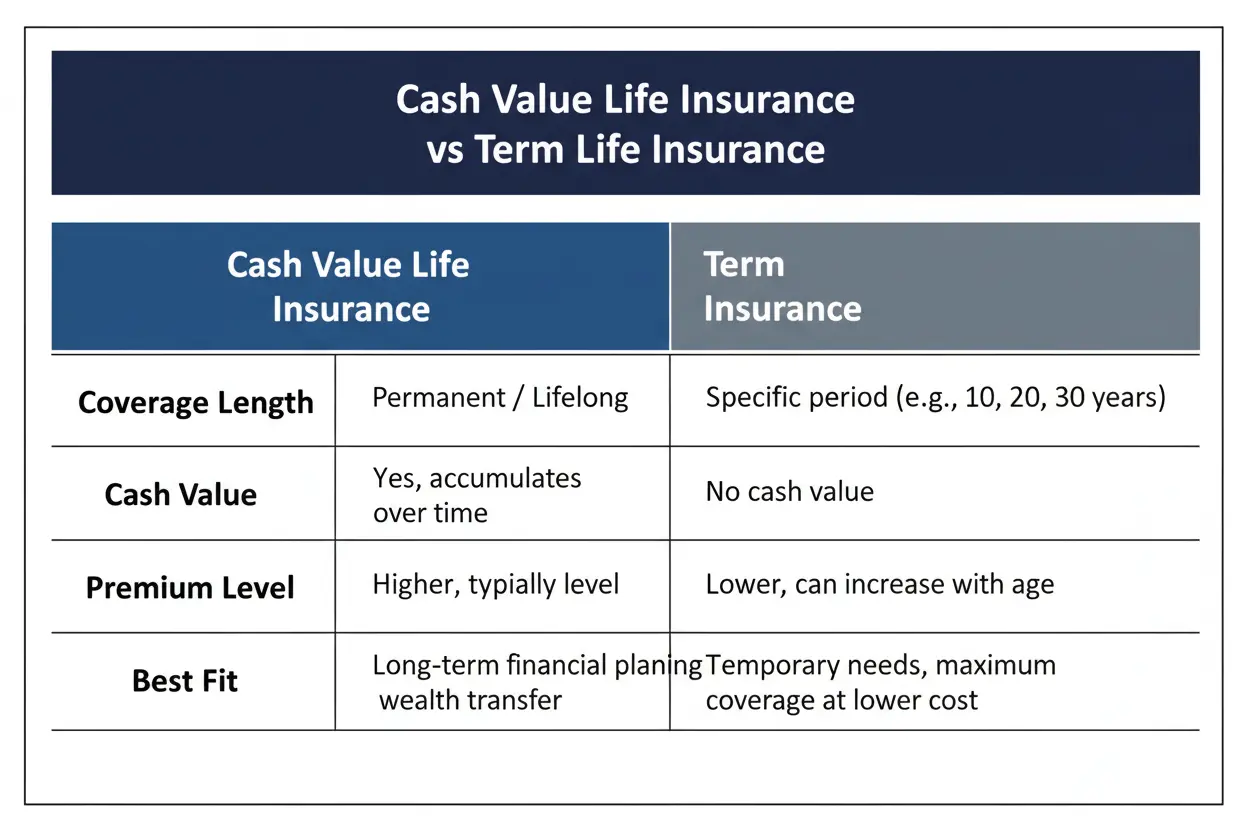
Whole life insurance is a form of permanent coverage designed to remain in force for the policyholder's entire life, provided that premiums are paid as agreed. Unlike term life insurance, which covers a specific period, whole life policies integrate two core components: a death benefit and a cash value savings element.
When you search for information regarding AIG or Corebridge Financial policies, you are essentially looking at a contractual agreement where a portion of your premium is diverted into a tax-deferred cash value account. This account grows based on the insurance company’s crediting rates. Over time, this "cash value" becomes a tangible asset that the policyholder can access through policy loans or withdrawals, though doing so can reduce the eventual death benefit if not repaid.
Resolving the "PDF" Search Intent
When users search for "AIG whole life insurance cash value and medical benefits pdf," they are often looking for one of two things: a specimen policy document or a rider description document. It is important to note that AIG does not issue a single, universal "medical benefits" PDF for all clients. Instead, medical benefits in life insurance are typically structured as "Accelerated Death Benefit Riders" (ADBR).
These riders allow a policyholder to access a portion of the death benefit early if they are diagnosed with a terminal illness, a chronic illness, or, in some cases, a critical illness. If you are seeking a specific PDF, the most reliable path is to log into the official policyholder portal of the entity currently servicing your policy. If your policy originated with AIG, it is likely now administered by Corebridge Financial. Accessing your specific "Policy Illustration" or "Summary of Benefits" PDF requires your unique policy number and a registered account.
How Cash Value Accumulates and Functions
The cash value of a whole life policy is the "living" component of the coverage. It functions much like a high-yield savings vehicle sheltered within an insurance wrapper.
- Premium Allocation: A portion of your premium covers the cost of insurance and administrative fees. The remaining amount is directed to the cash value account.
- Tax-Deferred Growth: The interest or dividends credited to the cash value grow without annual taxation. This provides a compounding effect over decades.
- Policy Loans: You can generally borrow against the cash value of your policy. These loans are not subject to the same credit checks as bank loans, but they accrue interest. If the loan is not repaid by the time the insured passes away, the outstanding balance is deducted from the death benefit paid to beneficiaries.
- Surrender Value: If you choose to terminate the policy, you are entitled to the net cash value, minus any applicable surrender charges, which are usually highest in the early years of the policy.
Defining "Medical Benefits" in Life Insurance
The term "medical benefits" in a life insurance context is frequently a misnomer for "living benefits." These are not health insurance payments for doctor visits or surgery; rather, they are liquidity options triggered by specific health events.
- Terminal Illness Rider: This is the most common provision. It allows for a lump-sum payout if a physician certifies that the insured has a limited life expectancy (typically 12 months or less).
- Chronic Illness Rider: This allows for the acceleration of the death benefit if the insured is unable to perform a set number of Activities of Daily Living (ADLs)—such as bathing, dressing, or eating—or requires substantial supervision due to cognitive impairment.
- Critical Illness Rider: Some policies provide for a one-time payment upon the diagnosis of specific conditions like cancer, stroke, or heart attack.
It is vital to review your specific PDF documentation because these riders often have varying "elimination periods" and maximum payout limits. Unlike standard medical insurance, these benefits are provided by the life insurance carrier and are intended to provide financial flexibility during a health crisis.
Comparative Analysis: Permanent Life Features
The following table outlines how standard whole life components compare to the "medical benefit" riders often associated with these policies.
| Feature | Primary Purpose | Liquidity Source | Tax Status |
|---|---|---|---|
| Cash Value | Asset accumulation | Loans/Surrender | Tax-deferred growth |
| Death Benefit | Income replacement | Beneficiary payout | Usually income-tax free |
| Accelerated Benefit | Health/Medical support | Death benefit portion | Usually tax-free if qualifying |
| Dividends | Profit sharing | Cash/Premium offset | Varies by jurisdiction |
Steps to Retrieve Your Official Documentation
If you are a policyholder searching for your own "AIG whole life insurance cash value and medical benefits" documentation, follow these steps to ensure you are looking at the correct, legally binding version:
- Identify the Servicing Entity: Confirm if your policy was transitioned to Corebridge Financial. Most AIG individual life insurance assets moved to this platform.
- Use the Official Portal: Navigate to the official Corebridge Financial or AIG Life and Retirement login page. Avoid third-party websites offering "free PDFs" of insurance documents, as these are often outdated or generic marketing templates that do not reflect your specific contract.
- Download the "Policy Summary" or "Specimen Contract": Once logged in, look for the "Documents" or "Forms" section. Download your original "Policy Illustration" or "Annual Statement." These documents explicitly state the cash value schedule and the specific riders attached to your coverage.
- Review the Rider Addendum: If you believe you have medical benefits, locate the specific rider addendum in your policy packet. It will detail the specific health triggers (ICD codes or clinical definitions) required to make a claim.
Common Misconceptions
A frequent error is assuming that cash value is "free money." In reality, cash value is an asset you own that the insurance company holds on your behalf. Taking a loan against it reduces the value of your policy and can lead to a "lapse" if the loan balance plus interest exceeds the remaining cash value.
Additionally, many assume that "medical benefits" cover all costs. These riders are designed to assist with expenses related to care, but they are limited by the total death benefit of the policy. If you accelerate 50% of your death benefit, that money is no longer available for your beneficiaries upon your passing. Always consult with a licensed financial advisor or tax professional before choosing to trigger a medical benefit or taking a significant loan against your cash value.
Frequently Asked Questions
1. Is the cash value guaranteed in my AIG policy? Whole life insurance typically offers a guaranteed minimum growth rate on the cash value. However, if the policy pays dividends, those are not guaranteed and depend on the performance of the company. Your specific PDF policy document will detail the "Guaranteed Cash Value" table.
2. Does a medical benefit rider increase my premium? In many cases, riders are added at the time of policy issue. Some are included at no additional cost, while others, particularly those covering chronic or critical illness, may carry a separate rider premium. Check your "Schedule of Benefits" page within your policy document to see if a specific charge is listed.
3. What happens if I lose my original PDF policy? If you lose your physical or digital copy, you can request a "Duplicate Policy" or "Certificate of Insurance" from the customer service department of your insurer. They are obligated to provide a copy of the contract that reflects the terms agreed upon at the date of issue.
4. Can I withdraw my cash value without paying taxes? Generally, you can withdraw your cash value up to the amount of premiums paid (your "cost basis") without income tax consequences. Anything withdrawn beyond that amount is typically treated as interest and may be subject to income tax. Always verify your cost basis with your provider.
5. Are these medical benefits considered "Health Insurance"? No. These are life insurance riders. They do not coordinate with your medical insurance (like Medicare or private health plans) and are not considered a substitute for health insurance. They are liquidity tools meant to provide cash for whatever needs the policyholder chooses during a health event.
Next Steps and Recommendations
For current policyholders, the most critical action is to download your specific "Annual Statement" from the official insurer portal. This document serves as your verified source of truth regarding current cash value, loan availability, and active riders. Do not rely on generic PDFs found via search engines, as they may refer to different product versions or different regulatory environments.
If you are evaluating a policy for purchase, ensure you receive a "Specimen Policy" that contains the specific language of the riders you are interested in. Read the "Definitions" section of that document thoroughly to understand the clinical triggers required to access your medical-related benefits. If you need assistance interpreting the financial math of the cash value schedule, consult a fee-only financial planner who has experience with permanent life insurance contracts.