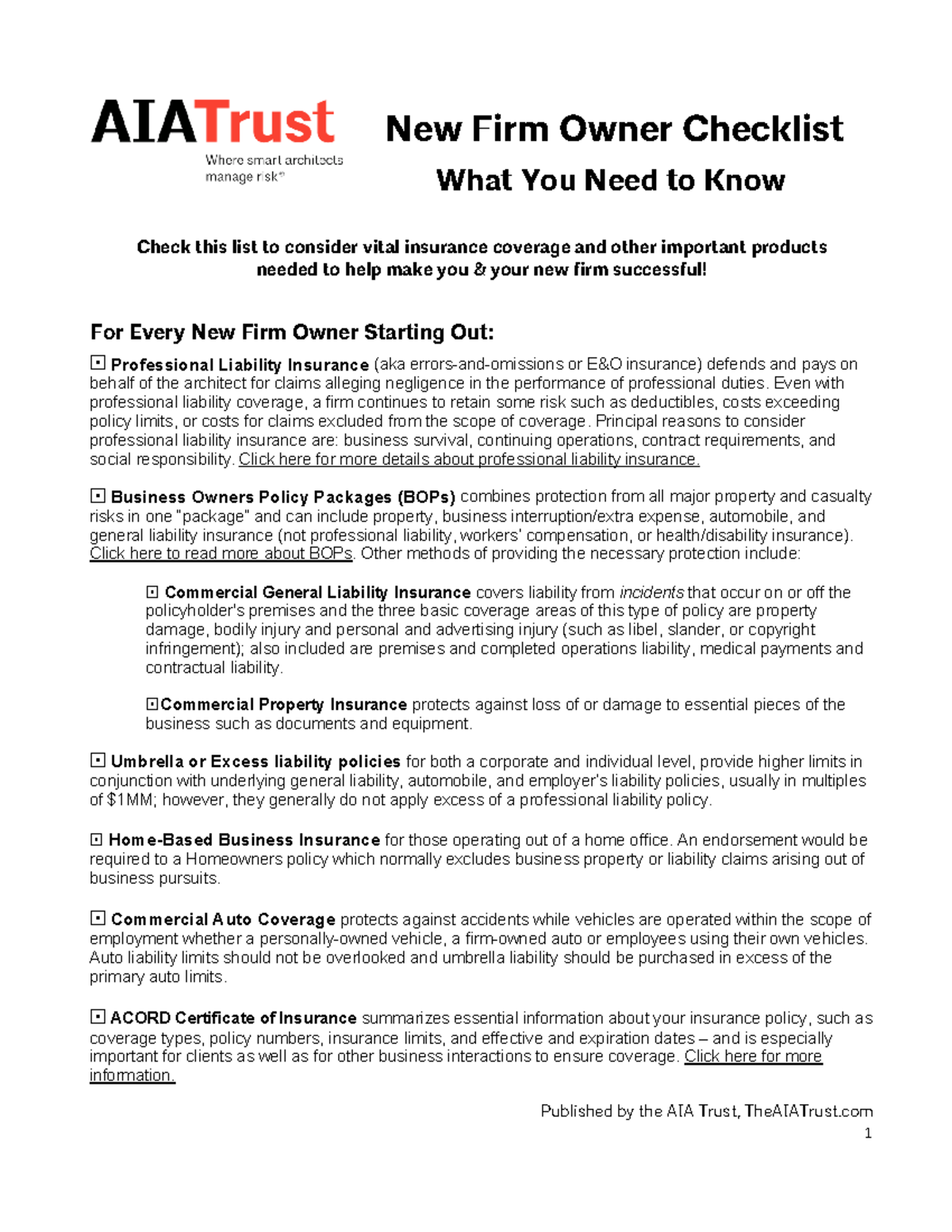
AIA Trust life insurance provides specialized coverage options tailored for members of the American Institute of Architects (AIA). Designed to address the unique financial planning needs of design professionals, these policies offer portable, group-rated life insurance solutions that remain in force even if you change employers or transition to independent practice.
Understanding the AIA Trust Model
The AIA Trust is not an insurance company itself, but rather a board-appointed group that functions as a fiduciary to AIA members. Its primary purpose is to research, review, and endorse insurance programs that offer high-quality coverage at competitive group rates. By leveraging the collective purchasing power of thousands of architects, the AIA Trust secures life insurance products that often feature underwriting standards and premium structures distinct from individual retail policies.
When you enroll in a plan offered through the AIA Trust, you are typically accessing a group term life insurance contract underwritten by a major national insurance carrier. This arrangement is crucial for professionals because the coverage is designed to follow your career path. Unlike some employer-sponsored plans that terminate the moment you resign or are laid off, AIA Trust-endorsed plans are designed to be portable. This provides a safety net during career transitions, whether you are moving between firms or establishing your own practice.
Core Features and Benefits
The life insurance offerings available through the AIA Trust generally focus on term life insurance, which provides death benefit protection for a specific period. This is often the most cost-effective way for architects to secure significant coverage during their peak earning and debt-accumulation years—such as when paying off student loans, funding children’s education, or carrying a mortgage.
Group Term Life Insurance
The primary benefit is the group rate. Because these plans are negotiated for a large professional organization, the premiums are often lower than those available to individuals purchasing "off the shelf" policies. Furthermore, the underwriting process for group plans can sometimes be less rigorous than individual underwriting, although this depends on the specific policy terms and your current health status at the time of application.
Portability and Continuity
For many architects, job mobility is a standard part of career progression. A common pitfall in financial planning is relying solely on firm-provided life insurance. If you leave that firm, you lose that coverage. AIA Trust-endorsed life insurance is designed to be owned by the individual member. This means that your coverage remains in place regardless of your employment status, provided you maintain your AIA membership and pay the required premiums.
Coverage for Dependents
Most AIA Trust-endorsed programs also allow members to purchase coverage for spouses and eligible children. This is an essential feature for comprehensive family protection, ensuring that the primary income earner’s death does not leave the surviving family members without financial resources to cover immediate expenses or long-term debt.
Comparison of Coverage Types
When evaluating your insurance options, it is helpful to understand how group-endorsed term insurance fits into a broader financial strategy.
| Feature | AIA Trust Term Life | Individual Retail Policy | Employer Group Policy |
|---|---|---|---|
| Ownership | Member-owned | Member-owned | Employer-owned |
| Portability | Yes, with membership | Yes | No |
| Underwriting | Group/Simplified | Full Medical | Usually None |
| Rate Stability | Generally consistent | Fixed (Level Term) | Subject to firm renewal |
| Cost Basis | Group purchasing power | Age/Health at issue | Negotiated by firm |
Eligibility and Enrollment Requirements
To participate in an AIA Trust-endorsed life insurance plan, you must first be a member of the American Institute of Architects. Membership serves as the gateway to these financial products. Once verified as a member, the enrollment process typically involves:
- Application: Completing the medical and personal history questionnaire provided by the insurance carrier.
- Evidence of Insurability (EOI): Depending on the amount of coverage requested, you may need to provide medical records or undergo a paramedical exam to demonstrate that you meet the health standards of the policy.
- Premium Payment: Establishing a payment schedule, which is usually deducted automatically to ensure that coverage does not lapse due to missed payments.
It is important to note that the AIA Trust does not administer the claims process; the carrier does. However, the Trust monitors the carrier’s performance to ensure they meet the service standards expected by the profession.
Addressing Common Risks and Limitations
While AIA Trust-endorsed plans offer significant advantages, they are not a one-size-fits-all solution. Every professional should be aware of potential limitations:
- Premium Increases: Unlike a "level-premium" individual policy where your cost is locked in for 10, 20, or 30 years, group term insurance premiums may increase as you enter higher age brackets. You must review the rate schedule provided in your specific policy document to understand how your costs will evolve over the next decade.
- Coverage Caps: There may be limits on the total face value of the policy you can obtain through a group plan. If your net worth and liabilities exceed these limits, you might need to supplement your group insurance with a private policy.
- Membership Dependence: Your eligibility for these specific rates is tied to your status as an AIA member. If your membership lapses, you may lose access to these group-endorsed rates or the ability to renew the specific policy terms.
Strategic Financial Integration
For the mid-career architect, life insurance is more than just a death benefit; it is a liquidity tool. By securing coverage through a professional organization like the AIA, you are insulating yourself against the volatility of the professional services market.
If you are currently transitioning into a partnership or starting your own firm, the portability of the AIA Trust plan serves as a vital component of your business continuity plan. You can carry the policy into your new venture without worrying about the medical re-qualification that might be required if you were to apply for a private policy with a new health history.
Furthermore, ensure that your beneficiary designations are kept up to date. Life events such as marriage, the birth of a child, or divorce should trigger an immediate review of your policy’s beneficiary form. Insurance proceeds are paid according to the document on file with the carrier, not according to a will or trust.
Frequently Asked Questions
What happens to my AIA Trust life insurance if I leave the architecture profession?
If you maintain your AIA membership, you can generally keep your coverage regardless of your employment status. However, if you cease to be a member of the AIA, you will likely lose eligibility for the specific group-endorsed rates and may be required to convert your policy to an individual plan at a different premium rate.
Can I increase my coverage amount later?
Yes, but you will typically need to provide Evidence of Insurability (EOI) for the additional coverage. You can request an increase during scheduled open enrollment periods or following qualifying life events, subject to the carrier’s underwriting approval.
Is the premium for AIA Trust life insurance tax-deductible?
Generally, life insurance premiums for personal coverage are not tax-deductible for individuals. If you are a business owner paying premiums through your firm, the tax treatment can vary significantly based on your business structure (e.g., C-Corp vs. LLC). Consult a qualified tax professional regarding your specific business structure.
How does the underwriting process work for these policies?
The underwriting process involves a review of your health history. Because these are group plans, the process is often more streamlined than retail life insurance, but it still requires accurate disclosure of your medical history to ensure your beneficiaries are protected against claims denials.
Can I hold an AIA Trust policy alongside an employer-provided policy?
Yes. It is common to have multiple life insurance policies. Many professionals use an employer-provided plan as their "base" coverage and add a portable AIA Trust-endorsed policy to ensure they have enough total coverage to meet their long-term family financial goals.
Recommended Next Actions
- Review your current coverage: Summarize all your existing policies, including employer-provided plans, private policies, and any legacy insurance.
- Calculate your "Gap": Determine your family’s financial needs in the event of your death, accounting for debt, education costs, and income replacement. Subtract your current coverage to find your protection gap.
- Request a Quote: Visit the official AIA Trust website to view the current program offerings and request a customized quote based on your age and desired coverage amount.
- Confirm Eligibility: Verify your AIA membership status to ensure there will be no administrative barriers to your application.
- Consult an Advisor: If your insurance needs are complex—due to business ownership or high net worth—discuss your findings with a fee-only financial planner before signing a new contract.