Securing permanent life insurance in the United States typically involves navigating age-based eligibility thresholds set by individual carriers. While many insurers offer policies to applicants up to age 80 or 85, specific underwriting guidelines, medical requirements, and premium structures shift significantly as you move into older age brackets, making early planning essential for long-term financial stability.
The Landscape of Permanent Life Insurance
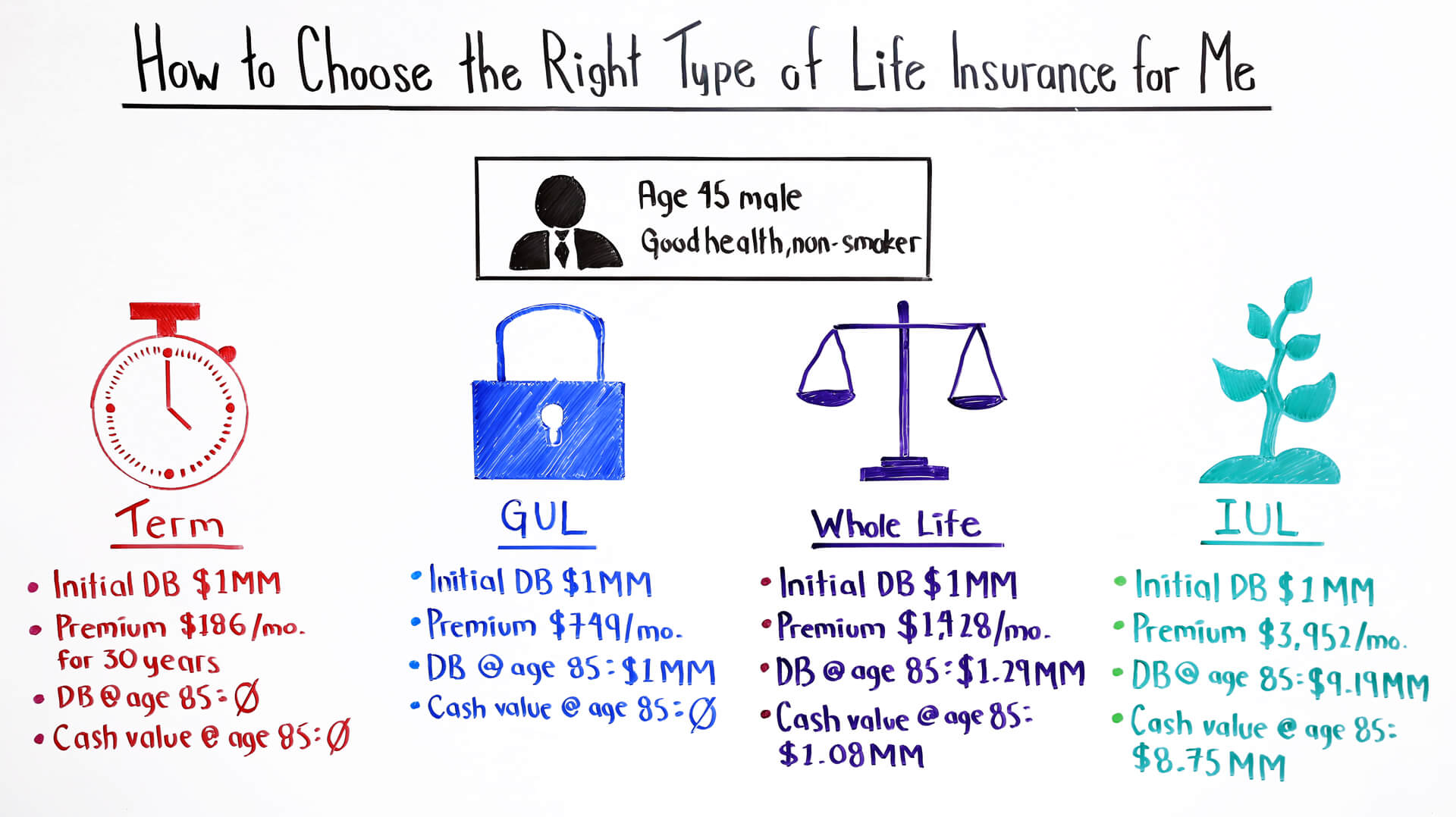
Permanent life insurance—which encompasses Whole Life, Universal Life, and Variable Life—is designed to provide lifelong coverage, provided premiums are paid and the policy remains in force. Unlike term life insurance, which expires after a set period, permanent policies include a cash-value component that grows over time. Because these policies are intended to last until the death of the insured, regardless of when that occurs, age is a critical variable for insurance carriers.
In the United States, life insurance is regulated at the state level, but the underwriting practices remain relatively consistent across the industry. When a carrier sets an "age limit," they are defining the maximum age at which they will accept a new application for a specific policy. As of 2026, most major carriers offer permanent life insurance products to individuals up to age 85, with a smaller subset of companies occasionally underwriting applicants up to age 90, though such cases often involve highly specialized products or simplified issue policies.
Distinguishing Between "Issue Age" and "Maximum Age"
To accurately assess your eligibility, it is necessary to distinguish between two industry terms: the "Issue Age" and the "Maximum Age."
The Issue Age is the specific age at which a company will issue a new policy. If a company’s maximum issue age for a whole life policy is 80, you must submit your application and have it processed before your 81st birthday. The Maximum Age usually refers to the age at which the policy matures or when coverage might be limited by other factors, such as the endowment age of a policy (the point at which the cash value equals the death benefit).
In 2026, many carriers have adopted automated underwriting systems that allow for faster processing. However, these systems are programmed with strict age gates. If you are approaching the upper boundary of a company’s issue age, the scrutiny on your financial and medical health profile will intensify.
Factors Influencing Eligibility Beyond Age
While age is a primary gatekeeper, it is rarely the only factor. Insurers evaluate applicants based on a comprehensive risk profile, which becomes more complex as you age.
- Medical Underwriting: Most permanent life insurance policies require a medical exam or a review of medical records. For older applicants, insurers are specifically looking for markers of chronic conditions, such as cardiovascular disease, diabetes, or cognitive impairment.
- Financial Underwriting: If you are seeking a high death benefit at an older age, you must demonstrate a "financial need" for the coverage. This is often used for estate planning, covering final expenses, or providing liquidity for business succession. Insurers want to ensure that the policy is being used for legitimate financial protection rather than as a speculative investment vehicle.
- Policy Type: Whole life insurance, which offers guaranteed premiums and death benefits, often has stricter age limits than universal life insurance. This is because the insurer takes on a greater long-term risk with whole life products.
The Impact of Age on Premium Costs
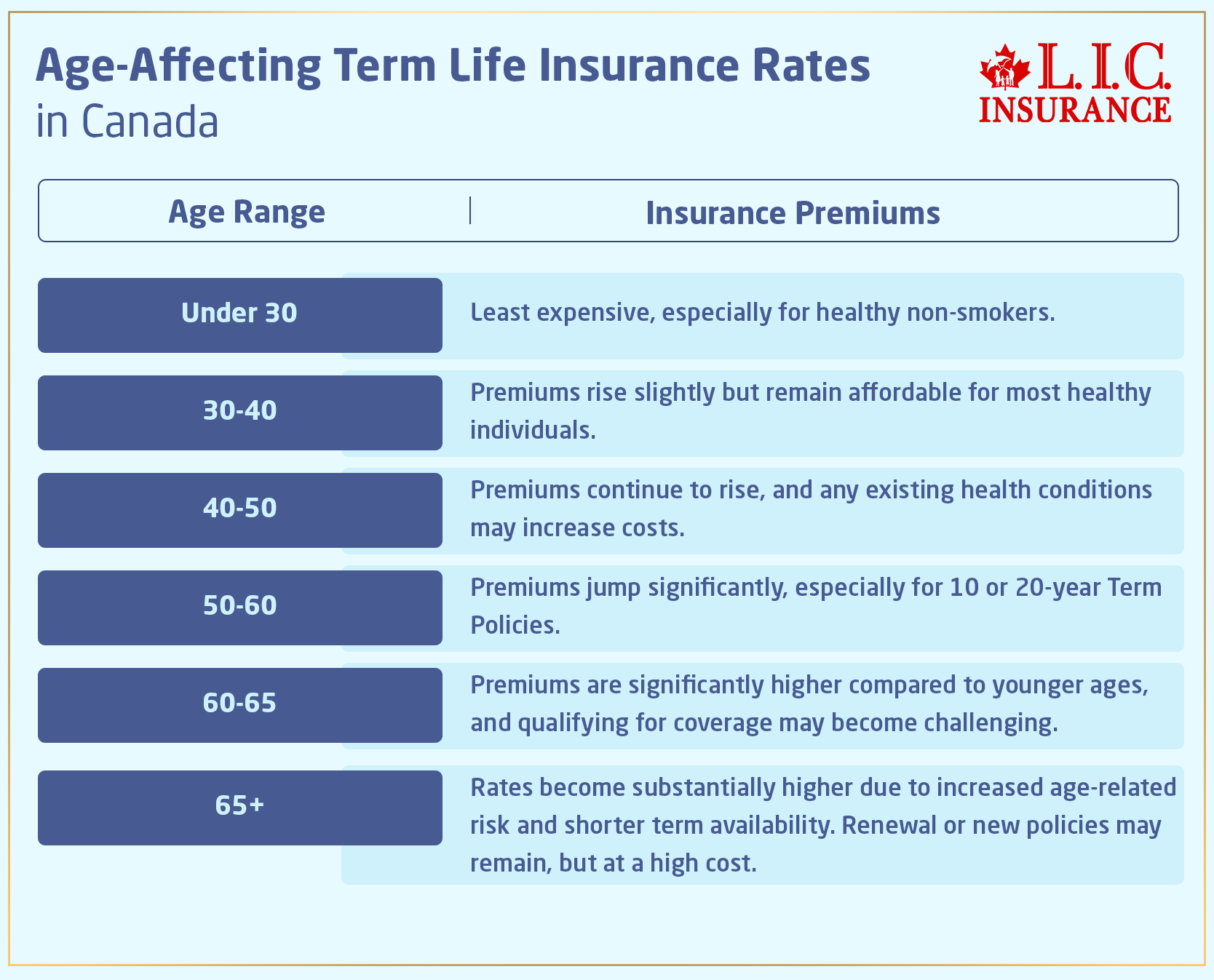
It is a fundamental principle of actuarial science that mortality risk increases with age. Consequently, the cost of permanent life insurance rises substantially for every year an applicant waits to purchase a policy.
In a permanent policy, the premium is level for the duration of the contract. When you purchase the policy at age 40, your premium is calculated based on the expected mortality risk over your remaining lifetime, factored into a smaller pool of payments. If you purchase the same amount of coverage at age 70, the premium will be significantly higher because the insurer has fewer years to collect premiums and a higher statistical probability of paying out the death benefit sooner.
Comparative Cost Structure
The following table illustrates how age brackets generally influence underwriting requirements and cost structures in the current 2026 market.
| Applicant Age Range | Primary Underwriting Focus | Availability of Products | Relative Premium Cost |
|---|---|---|---|
| 18–45 | Future insurability, lifestyle | Extensive | Low |
| 46–65 | Health history, career stability | High | Moderate |
| 66–80 | Chronic illness, financial need | Moderate | High |
| 81+ | Impairment, estate preservation | Limited | Very High |
Navigating the Application Process for Seniors
If you are over the age of 70 and seeking a permanent life insurance policy, the approach requires more preparation than it would for a younger applicant.
First, gather all medical documentation. Having a clear summary of any existing health conditions, along with a list of current medications and contact information for your primary care physician, can expedite the underwriting process. Many insurers in 2026 utilize electronic health records (EHR) to speed up these reviews, but having your own records organized can mitigate delays if the insurer requires manual clarification.
Second, be prepared for "Simplified Issue" or "Guaranteed Issue" options if your health profile does not meet the standards for "Fully Underwritten" policies. Simplified issue policies require answering health questions but often skip the medical exam. Guaranteed issue policies require no medical exam and no health questions, but they typically feature a "graded death benefit," meaning if you pass away shortly after purchasing the policy (usually within two years), the insurer only refunds the premiums paid rather than the full death benefit.
Common Pitfalls and How to Avoid Them
One of the most frequent mistakes applicants make is waiting until a major health event occurs before applying for coverage. Once a significant diagnosis is recorded, it becomes significantly harder—and more expensive—to obtain permanent coverage.
Another common error is failing to review the policy’s "Surrender Charge" schedule. Permanent policies are long-term commitments. If you purchase a policy at an older age and realize within a few years that you cannot afford the premiums, you may face significant financial penalties for cancelling or surrendering the policy, potentially losing much of the cash value you have accumulated. Always work with a licensed financial advisor who can run a "pro-forma" illustration of your policy to show how costs and cash values behave over 10, 20, or 30 years.
Expert Guidance on Policy Selection
When choosing a permanent policy, consider the following:
- Whole Life: Provides permanent coverage with fixed premiums. Best for those who want predictability.
- Universal Life: Offers more flexibility in premium payments and death benefits. Best for those whose financial situation may change, though it carries higher risk if the account value is not managed properly.
- Estate Liquidity: If the policy is intended to pay estate taxes, ensure the policy is structured correctly, perhaps within an Irrevocable Life Insurance Trust (ILIT), to avoid having the death benefit included in your taxable estate.
Consulting with a fee-only financial planner or an independent insurance broker—who has access to multiple carriers—is vital. Because age limits vary by company, an independent broker can help you identify which insurers are currently most competitive for your specific age and health bracket.
Next Steps for Interested Applicants
If you are researching permanent life insurance, your immediate next step should be a self-assessment of your financial goals. Determine exactly why you need the coverage and what death benefit amount is required to meet those needs. Once you have defined your objectives, contact at least two or three independent brokers to obtain informal quotes. Do not provide sensitive personal or medical data until you have verified the broker's credentials and confirmed they are licensed to operate in your state. Reviewing the "specimen policy" of any plan before you sign ensures you understand the age-related nuances of the contract you are entering.