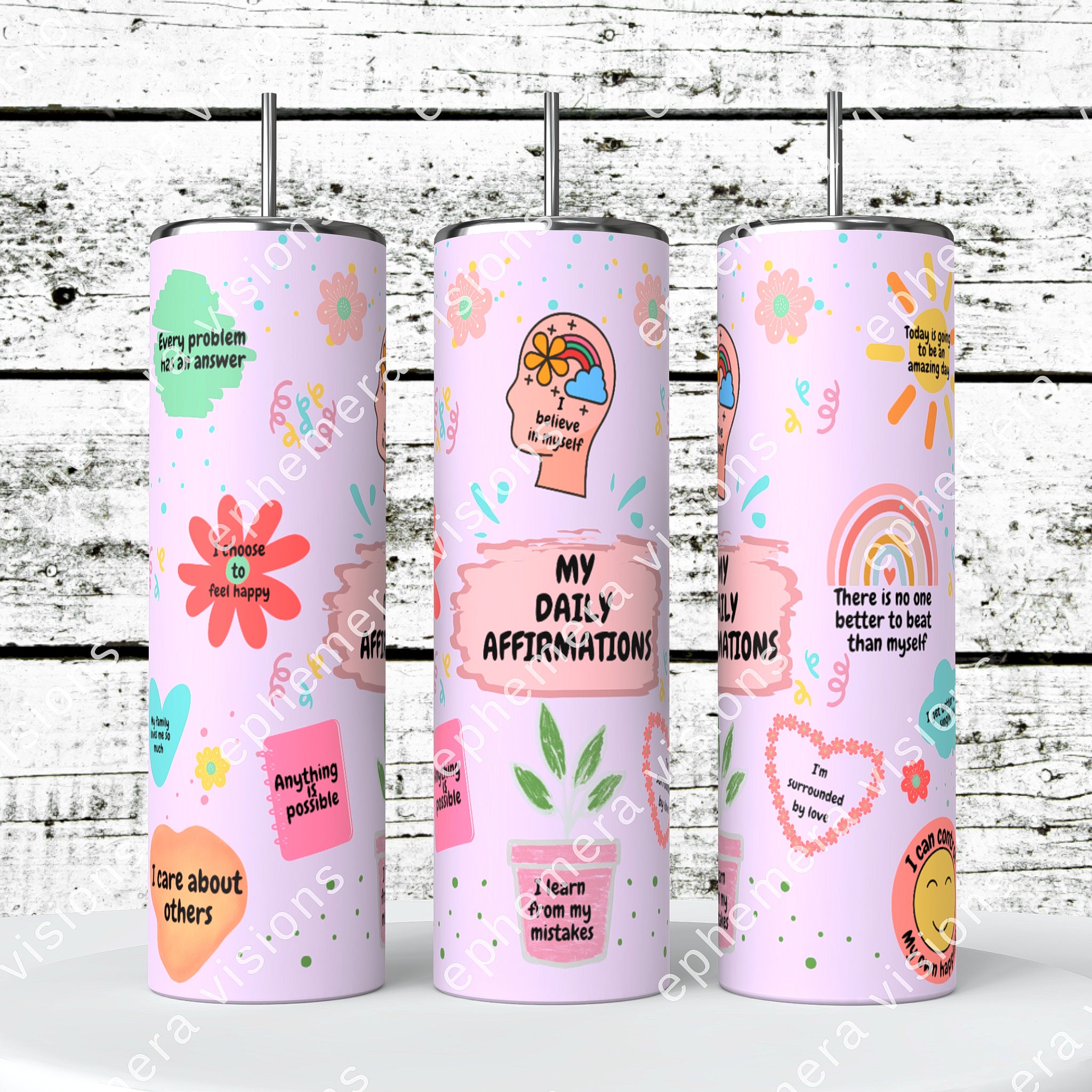
The affirmation by Snoop Dogg refers primarily to the "Affirmation Song" created for Doggyland, an animated children’s series co-founded by rap icon Snoop Dogg, executive producer Claude Brooks, and singer October London. Released to teach young children self-love, emotional regulation, and positive self-talk through hip-hop-infused nursery rhymes, the song features Snoop Dogg’s character, Bow Wizzle, guiding kids through empowering call-and-response phrases.
What Is Snoop Dogg's Affirmation Song?
In August 2022, Calvin Broadus Jr.—known globally as Snoop Dogg—expanded his artistic portfolio into early childhood education by launching Doggyland – Kids Songs & Nursery Rhymes. Co-created with Claude Brooks (creator of Hip Hop Harry) and singer-songwriter October London, the series was built to modernize children’s music by weaving hip-hop beats, diverse character design, and social-emotional learning (SEL) into everyday educational songs.
The standout track of the franchise, universally recognized as the affirmation song by Snoop Dogg, centers on building self-esteem in toddlers and young children. Snoop Dogg provides the voice for Bow Wizzle, an adult dog character who acts as a mentor to a cast of energetic puppies. Bow Wizzle leads the puppies through simple, memorable affirmations over a gentle, modern rhythmic beat.
While initially designed for toddlers and preschoolers, the song became a global viral phenomenon across platforms like TikTok, Instagram Reels, YouTube, and Spotify. Parents, elementary school teachers, therapists, and adults praise the track for making positive psychology accessible, catchy, and culturally resonant.
Key Lyrics and Core Emotional Themes
The genius of the Doggyland affirmation track lies in its simplicity and call-and-response structure. Snoop Dogg’s relaxed, reassuring tone breaks down complex emotional intelligence concepts into accessible phrases that children can easily memorize and repeat.
The Core Affirmations
The song revolves around several key statements of self-worth:
- "There is no one better to be than me." This foundational line promotes individuality and self-acceptance, encouraging children to resist unhealthy comparison with peers.
- "My feelings matter." A crucial lesson in emotional validation, teaching children that their internal state is important and deserving of recognition.
- "I am smart, I am strong, I am brave." Classic core affirmations designed to build cognitive confidence, physical confidence, and resilience in the face of new challenges.
- "I am loved, I am beautiful, I am kind." Statements focused on personal identity, emotional security, and prosocial behavior toward others.
Why Call-and-Response Works in Early Education
The song relies heavily on a call-and-response format. Bow Wizzle speaks a line, and the puppy characters (and young listeners) repeat it back. Educational psychologists and childhood educators note that call-and-response auditory training serves several vital developmental purposes:
- Auditory Retention: Rhyme and rhythm assist young brains in mapping sounds to meaning faster than plain spoken advice.
- Active Engagement: Children do not merely passively listen; they participate actively by speaking the words out loud, which reinforces cognitive pathways associated with belief systems.
- Vocal Confidence: Vocalizing positive statements helps non-verbal or quiet children build speech articulation and vocal presence in safe settings.
The Science of Positive Affirmations in Early Childhood
Using positive self-talk is not merely a feel-good exercise; it is rooted in cognitive-behavioral principles. Incorporating affirmations into early childhood education aligns with several key developmental concepts.
Neuroplasticity & Early Mindset Formation
- Repeated Auditory Inputs (Music)
- Internalized Self-Talk Speech (Cognition)
- Established Neural Pathways (Belief Systems)
- Automated Emotional Response (Resilience)
Building Neuroplasticity Through Music
During early childhood, the brain exhibits high neuroplasticity, meaning neural connections form rapidly in response to environmental inputs. Regular exposure to affirmative self-talk helps construct optimistic cognitive frameworks. When a child routinely sings "I am strong" or "My feelings matter," these phrases become part of their automatic internal dialogue when facing frustration or failure.
Social-Emotional Learning (SEL) Frameworks
Modern educational guidelines place heavy emphasis on SEL competencies, which include self-awareness, self-management, social awareness, relationship skills, and responsible decision-making. Snoop Dogg’s affirmation song directly addresses self-awareness and self-management by giving children explicit vocabulary to name their emotional rights and personal value.
How to Integrate Doggyland Affirmations into Daily Routines
Parents, caregivers, and educators can maximize the positive impact of the Doggyland affirmation song by incorporating it intentionally into daily schedules.
Morning Start Routine
Playing the song during morning prep—such as eating breakfast, brushing teeth, or riding in the car to school—sets a constructive emotional tone for the day. Encouraging children to speak the lines aloud in front of a mirror enhances the psychological impact of self-directed affirmations.
Classroom Transition Times
Teachers frequently use the track as a transition tool between high-energy activities (like recess) and focused academic work. The steady rhythm calms physical restlessness while refocusing student attention on positive group behavior.
De-escalation and Emotional Regulation
When a child experiences a meltdown, frustration, or anxiety, educators and parents can use the core phrases as gentle prompts. Asking a child to pause and repeat, "My feelings matter, but I am strong," creates a mindful interruption in emotional distress, allowing the nervous system to settle.
Comparing Doggyland to Traditional Kids' Educational Content
To understand why Snoop Dogg's entry into children's media has been so effective, it helps to examine how Doggyland compares to traditional nursery rhymes and standard SEL programming.
| Feature / Metric | Doggyland Affirmations (Snoop Dogg) | Traditional Nursery Rhymes | Standard Educational TV Songs |
|---|---|---|---|
| Primary Musical Genre | Hip-Hop, Modern R&B, Funk | Folk, European Classical, Traditional | Acoustic Pop, Upbeat Choral |
| Primary Focus | Emotional resilience, self-esteem, identity | Historical storytelling, basic counting, rhyme | General academics (alphabet, colors, safety) |
| Vocal Delivery | Smooth, rhythmic rap/melodic vocals (Bow Wizzle) | High-pitched choral singing | Standard energetic theatrical singing |
| Demographic Appeal | Toddlers, kids, teens, parents, educators | Toddlers, infants | Toddlers, young elementary |
| Linguistic Structure | Modern conversational affirmations | Archaic phrasing, historical idioms | Direct instructional lyrics |
| Cultural Inclusivity | High urban/multicultural representation | Variable / traditional European focus | Moderate broad appeal |
The Broader Cultural Impact of Snoop Dogg’s Pivot to Children's Media
Snoop Dogg’s creation of Doggyland and the popularity of the affirmation song mark a significant shift in pop culture and children's entertainment.
Modernizing Children's Music
For decades, children’s entertainment relied heavily on traditional folk melodies or overly simplistic synthesized arrangements. By injecting authentic hip-hop production values, smooth basslines, and natural cadence, Doggyland offers children’s music that adults can enjoy alongside their children without media fatigue.
Expanding Hip-Hop Culture Responsibly
Hip-hop has grown into the dominant global music culture. By utilizing the genre's rhythmic structure to convey messages of mental health, kindness, and cognitive resilience, Snoop Dogg demonstrates how urban art forms can drive early childhood development.
Mental Health Advocacy Across Generations
Snoop Dogg's public advocacy for mental wellness extends beyond children. Millions of adult social media users share clips of the affirmation song, acknowledging that its simple, comforting messages help relieve adult anxiety and stress.
Frequently Asked Questions
What is the title of the Snoop Dogg affirmation song?
The primary song is titled "Affirmation Song" by Doggyland - Kids Songs & Nursery Rhymes. It features Snoop Dogg voicing the character Bow Wizzle alongside artists October London and Claude Brooks.
Where can I stream or watch Snoop Dogg's affirmation songs?
The full catalog of Doggyland songs and animated videos is available across major streaming and video platforms, including YouTube, YouTube Kids, Spotify, Apple Music, Amazon Music, and Pandora.
What character does Snoop Dogg play in Doggyland?
Snoop Dogg voices Bow Wizzle, an adult dog character who acts as an encouraging mentor, teacher, and musical guide to the younger puppies in the show.
Are positive affirmations proven to help children?
Yes. Psychological research in child development indicates that practicing positive self-talk enhances self-esteem, reduces anxiety, improves emotional regulation, and fosters a growth mindset by encouraging healthy internal self-dialogue.
Is Doggyland suitable for classrooms?
Absolutely. Teachers worldwide use Doggyland tracks, especially the "Affirmation Song," for morning meetings, circle time, brain breaks, and Social-Emotional Learning (SEL) curriculum modules.
Practical Recommendation
To effectively use Snoop Dogg’s affirmation song for child development or personal well-being:
- Establish a Daily Anchor: Add the track to a set daily event, such as the morning commute or pre-bedtime wind-down.
- Encourage Vocalization: Have children repeat the phrases out loud rather than just listening passively. Vocalizing reinforces the cognitive benefits of self-talk.
- Model the Behavior: Adults should actively participate in singing the affirmations alongside children to normalize discussions about self-worth and mental wellness.