An adult white elephant gift exchange is a popular holiday party game where participants draw numbers, take turns selecting or stealing wrapped novelty, humorous, or practical gifts from a communal pool, and follow a strict set of rules governing how many times a single item can be stolen.
Understanding the Adult White Elephant Gift Exchange
The white elephant gift exchange has evolved from a historical tradition into a staple of modern holiday office parties, family gatherings, and social clubs. While traditional gift exchanges focus on sentimentality or high-value utility, the adult variant leans heavily into humor, mild irreverence, luxury indulgence, practical utility, and creative gag gifts. Because the atmosphere is tailored to a mature audience, participants can explore a broader spectrum of themes, ranging from high-end craft spirits and gourmet hot sauces to clever office humor and intentionally absurd novelty items.
Mastering this party tradition requires more than simply buying a random item off a shelf. Successful hosts and participants must understand the psychological dynamics of stealing, establish clear spending limits, and design a rule set that keeps the game moving efficiently. Whether you are planning a corporate holiday party, a friends’ night in, or a family gathering with adult children, getting the structure right ensures that everyone leaves entertained rather than disappointed.
Establishing the Ground Rules and Structure
Before any gifts are unwrapped, the host must clearly communicate the foundational rules of the exchange. Ambiguity is the primary cause of friction during white elephant games, making upfront alignment essential.
Setting the Budget and Theme
Establishing a realistic financial limit prevents awkward social dynamics. A standard spending threshold ranges from $20 to $50, depending on the affluence and demographic of the group. Hosts should also decide whether the exchange is open-ended or centered on a specific theme. Common adult themes include:
- The Gourmet & Spirits Tier: High-end coffee beans, craft cocktail kits, artisanal hot sauces, or regional wine.
- The Practical Utility Tier: High-utility everyday items, such as portable phone chargers, premium multi-tools, or luxury travel pillows.
- The Comedy & Gag Tier: Absurd novelty items, self-deprecating office supplies, or humorous books.
The Basic Sequence of Play
The traditional sequence follows a predictable path that keeps the gameplay transparent and fair:
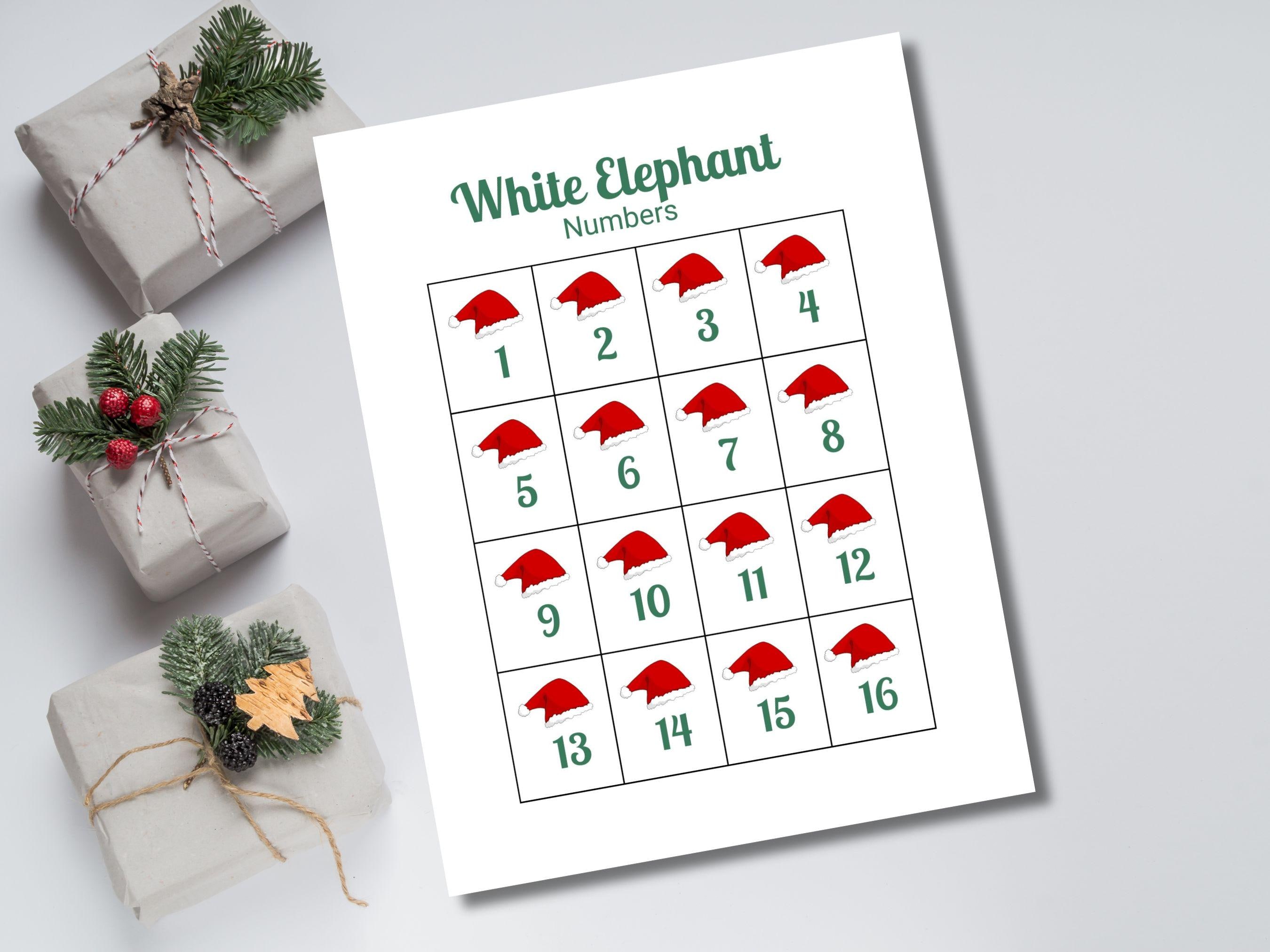
- Number Assignment: Each participant draws a random number from a hat or digital generator to determine their turn order.
- Opening the Pool: Player #1 selects a wrapped gift from the central pile, unwraps it, and displays it to the group.
- Choosing or Stealing: Player #2 has the option to either select a new, unopened gift from the pool or steal the opened gift from Player #1. If Player #1's gift is stolen, Player #1 must choose a new gift from the pool.
- Subsequent Turns: Subsequent players follow the same protocol, choosing an unknown package or stealing any previously unwrapped gift.
Core Rules and Advanced Variations
While the baseline mechanics are simple, modifying the rule set can dramatically change the tone and competitive intensity of the exchange. Hosts should select a variation that matches the personality of their group.
The Steal Limit Rule
To prevent two stubborn participants from trading the exact same high-demand gift back and forth indefinitely, standard rules dictate that a stolen gift cannot be stolen back immediately on the same turn. Furthermore, many groups implement a three-steal maximum rule, which permanently "freezes" an item once it has been stolen three times, securing it safely in the hands of its final recipient.
The "Sudden Death" First Player Privilege
In standard games, Player #1 is placed at an inherent disadvantage because they have no opportunity to steal from anyone else on their initial turn. To balance this, rules often grant Player #1 a final turn privilege after the last person has played. Once all gifts are opened, Player #1 holds the option to swap their current item with any unlocked gift in the room, bringing the game to a dramatic close.
Common Rule Variations Compared
| Variation Name | Primary Mechanic | Best Used For | Potential Drawbacks |
|---|---|---|---|
| Standard Three-Steal | Gifts lock after being stolen three times. | Large corporate or casual groups. | Can end too quickly if top gifts lock early. |
| Player #1 Redemption | First player gets one final chance to steal at the end. | Competitive friend groups. | Can cause unexpected last-minute drama. |
| The Yankee Swap | Immediate stealing allowed without turn-order limits in a final blitz. | Fast-paced gatherings. | High potential for chaotic confusion. |
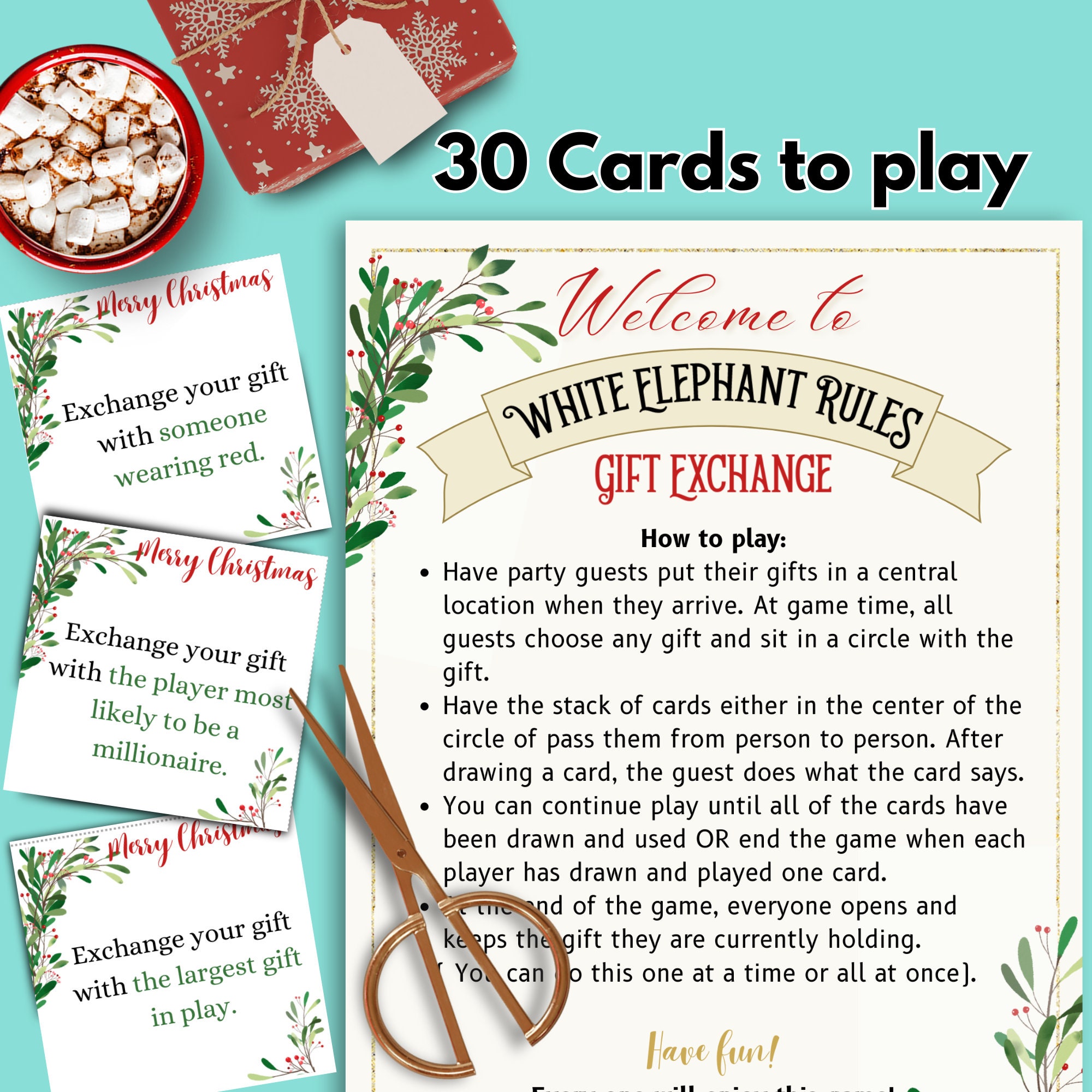
| White Elephant Bingo | Moves are dictated by a custom bingo card drawn throughout the night. | Interactive, long-form parties. | Requires significant preparation from the host. |
Selecting the Right Gift: Strategy and Etiquette
Choosing a gift for an adult white elephant exchange requires balancing universal appeal with enough distinctiveness to drive competitive stealing. The most successful items typically fall into one of two categories: high-utility items that everyone secretly wants, or clever novelties that generate genuine laughter.
High-Demand "Crowd Pleaser" Categories
- Consumables: High-end chocolates, specialty roasted coffees, infused olive oils, or craft beverage selections. These are universally appreciated and rarely result in permanent clutter.
- Cozy Comforts: Ultra-plush throw blankets, weighted neck wraps, or luxury lounge socks.
- Tech and Gadgets: Bluetooth shower speakers, multi-port charging stations, or compact desk vacuums.
Navigating Gift Etiquette
Participants should avoid purchasing overly offensive, deeply personal, or ultra-cheap items that clearly violate the spirit of the established budget. While humor is encouraged, gifts should remain appropriate for the specific social environment—what works among close college friends may not be suitable for an office setting with HR representation. Additionally, all gifts should be securely wrapped to obscure their shape and identity, preserving the mystery of the draw pile.
Troubleshooting Common Party Pitfalls
Even with careful planning, white elephant exchanges can run into logistical hurdles. Recognizing potential issues beforehand allows the host to intervene smoothly.
Stalled Momentum and Indecisiveness
When participants take too long debating whether to steal or open a new gift, the energy of the room drops. Hosts should enforce a strict 30-second decision timer once a player's turn begins. If the timer expires without a choice, the system can default the player to drawing an unopened gift from the pool.
Unbalanced Gift Quality
Inevitably, some participants will bring exceptional, highly coveted items while others bring low-effort, generic contributions. While this creates natural drama and humor, hosts can mitigate widespread disappointment by strictly enforcing the minimum financial threshold ahead of time and encouraging participants to focus on quality and creativity.
Frequently Asked Questions
What is the ideal group size for a white elephant gift exchange?
An effective group size ranges from 8 to 15 participants. Groups smaller than 6 lack enough variety in the gift pool to sustain exciting stealing dynamics, while groups larger than 20 tend to drag on too long, causing participants to lose engagement.
Can you bring handmade or secondhand items?
Handmade crafts, baked goods, and thrifted vintage items are generally acceptable if the group has explicitly agreed to a DIY or vintage theme. Otherwise, standard etiquette dictates bringing a brand-new, unused item purchased within the agreed-upon budget.
What happens if a gift is damaged during the game?
If an item is accidentally broken or damaged during the excitement of the exchange, the host should have a backup replacement item on hand—such as a gift card or a spare universal crowd-pleaser—to ensure the affected participant does not leave empty-handed.
Is it acceptable to steal the same gift multiple times?
Yes, provided it does not violate the local group rule regarding a maximum steal limit (such as the standard three-steal freeze). Strategic stealing is a core element of the game's entertainment value.
Final Recommendations for Success
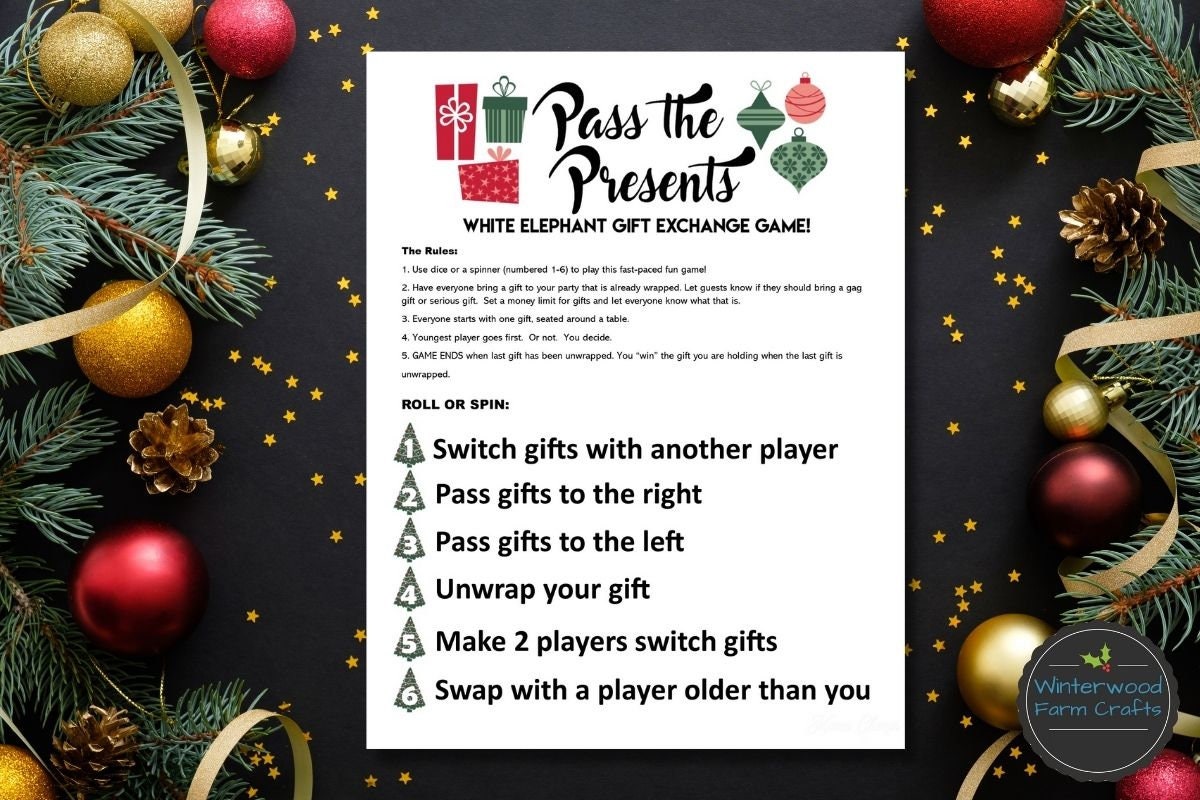
To execute a memorable adult white elephant gift exchange, focus heavily on clear upfront communication regarding rules and spending limits. Print out a quick reference sheet of the rule variations for the table so everyone can follow along easily. By balancing structure with a lighthearted, playful atmosphere, you ensure an engaging experience that keeps guests talking long after the final gift is unwrapped.