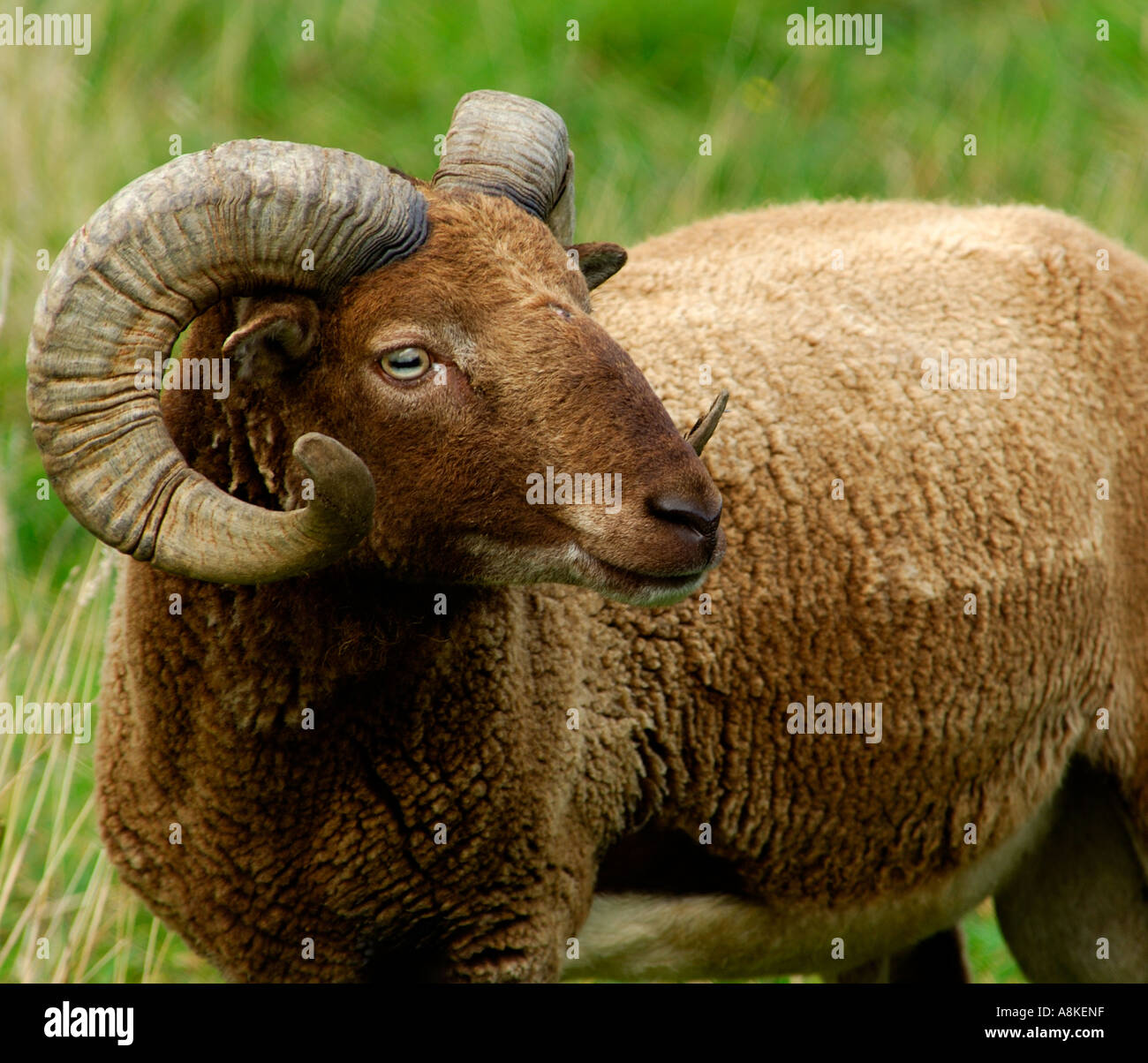
An adult male sheep, commonly known as a ram, plays a vital biological role in flock management, exhibits specific physical dimensions that vary significantly by breed, and typically maintains a productive lifespan of 6 to 12 years depending on health, genetics, and environmental conditions.
Understanding the characteristics of adult male sheep is essential for anyone engaged in livestock production, conservation breeding, or small-scale farming. While ewes (adult females) form the core of a flock’s maternal and wool-producing capacity, rams dictate the genetic trajectory, herd safety, and reproductive output of the operation. Managing these animals requires a clear grasp of their physiological traits, behavioral patterns, dimensional growth metrics, and aging process.
Biological and Flock Roles of the Adult Male Sheep
The primary role of a ram within an agricultural or pastoral setting is reproduction. However, their influence extends far beyond siring lambs. In commercial and heritage flocks alike, rams serve as genetic catalysts. Because a single ram can service dozens of ewes in a single breeding season, his genetic traits—such as growth rate, disease resistance, parasite tolerance, wool quality, and carcass conformation—are distributed rapidly across the entire herd. Selecting a high-quality ram is therefore the most efficient method for a producer to upgrade flock genetics over time.
Beyond reproduction, rams fulfill social and defensive functions within the flock structure. Although domestic sheep are generally prey animals that rely on flight rather than fight, dominant rams establish a clear hierarchy. This social order minimizes internal flock conflict by reducing chaotic competition among younger males. In extensive grazing systems or areas with low-level predator pressure, a robust ram can occasionally project an intimidating presence, though they are rarely relied upon as primary flock guardians compared to specialized livestock guardian dogs.
Managing these roles effectively requires an understanding of ram behavior, particularly during the breeding season, known as the rut or tupping season. Driven by elevated testosterone levels, rams can become highly territorial, assertive, and potentially dangerous to handlers. Respecting their strength and maintaining secure handling facilities are fundamental prerequisites for safe flock management.
Size, Weight, and Physical Dimensions
The physical size of an adult male sheep varies dramatically depending on the breed. Sheep breeds are generally categorized by their primary purpose—wool production, meat production, or dual-purpose capabilities—which directly influences their skeletal structure and mass.
Breed Categories and Weight Profiles
- Large Meat Breeds: Breeds such as the Suffolk, Hampshire, and Texel are bred for rapid growth and heavy muscling. Adult rams in these categories frequently weigh between 250 and 350 pounds (113 to 159 kg) and stand taller at the shoulder.
- Dual-Purpose Breeds: Breeds like the Dorset and Columbia balance wool and meat production. Rams typically range from 200 to 275 pounds (90 to 125 kg).
- Fine-Wool Breeds: Merino and Rambouillet rams are prized for fleece quality. While their wool volume is massive, their body weights generally range from 175 to 250 pounds (79 to 113 kg), featuring distinct spiral horns.
- Hair Sheep and Primitive Breeds: Breeds like the Katahdin, Dorper, or Shetland are smaller and adapted to specific climates. Hair sheep rams often weigh between 150 and 225 pounds (68 to 102 kg), while primitive heritage rams can be significantly lighter, ranging from 100 to 160 pounds (45 to 72 kg).
Anatomical Characteristics
Adult male sheep possess distinct anatomical features that differentiate them from ewes and wethers (castrated males). Rams generally feature thicker, broader skulls, heavier bone structures, and pronounced neck muscling. Many breeds exhibit large, spiral or curved horns, though polled (hornless) strains exist within traditionally horned breeds due to selective breeding. Their fleece is often coarser around the neck and shoulders (mane region), and they possess specialized scent glands below their eyes and between their hooves, which they use to mark territory and attract ewes during the breeding season.
| Breed Category | Primary Purpose | Average Adult Ram Weight | Horn Status | Typical Fleeces / Coat |
|---|---|---|---|---|
| Suffolk / Hampshire | Meat Production | 250 – 350 lbs (113 – 159 kg) | Typically Polled | Medium wool, dark faces |
| Merino / Rambouillet | Fine Wool | 175 – 250 lbs (79 – 113 kg) | Usually Horned (some polled) | Dense, high-micron fine wool |
| Dorper / Katahdin | Meat / Hair | 180 – 250 lbs (82 – 113 kg) | Polled | Hair coat (no shearing required) |
| Shetland / Icicle | Heritage / Fiber | 100 – 160 lbs (45 – 72 kg) | Horned or Polled | Variable dual-coat fleece |
Lifespan and Productive Working Years
The biological lifespan of an adult male sheep typically ranges from 10 to 12 years under optimal management conditions, though their productive working lifespan as a breeding sire is considerably shorter.
Stages of Maturity and Productivity
- Young Rams (6 to 12 months): Reaching sexual maturity, young ram lambs can technically sire offspring, but responsible producers limit their workload to prevent exhaustion and stunted skeletal development.
- Prime Breeding Years (2 to 6 years): This is the window of peak vigor, fertility, and structural soundness. A ram in this age bracket exhibits maximum libido and semen quality.
- Senior Years (7+ years): As rams age, several physiological declines become apparent. Dental wear (tooth loss or uneven wear known as "broken mouth") makes foraging difficult, leading to weight loss. Joint stiffness, arthritis, and diminishing fertility are also common.
Factors Influencing Longevity
Maximizing a ram's lifespan and active breeding years requires proactive health management. Key factors include:
- Parasite Management: Rams are susceptible to internal parasites like Haemonchus contortus (barber's pole worm). Regular fecal egg counts and targeted deworming protocols are essential.
- Nutrition: Unlike ewes, which experience high nutritional demands during lactation, rams require careful mineral balancing—specifically maintaining a correct calcium-to-phosphorus ratio to prevent urinary calculi (kidney stones), a fatal condition particularly common in grain-fed males.
- Housing and Hoof Care: Wet ground conditions lead to foot rot and foot scald. Routine trimming and dry bedding extend structural soundness.
- Stress Reduction: Fighting between co-penned rams causes physical injury, weight loss, and elevated stress hormones that reduce lifespan. Providing adequate space and separating unfamiliar males is critical.
Frequently Asked Questions
What is the difference between a ram and a wether?
A ram is an intact, sexually mature male sheep possessing full reproductive capacity and testosterone-driven behaviors. A wether is a male sheep that has been castrated at a young age. Wethers lack high testosterone levels, making them docile, safe to handle in large groups, and valued primarily for wool production or meat, though they cannot be used for breeding.
At what age does an adult male sheep reach full size?
Most rams reach their full skeletal height by 12 to 18 months of age, but they continue to fill out, develop muscle mass, and broaden their neck and chest until they are approximately 3 years old.
How many ewes can a single mature ram service?
A mature, healthy ram (aged 2 to 5 years) can service 30 to 50 ewes in a standard breeding season under pasture mating conditions. Young ram lambs should be limited to 10 to 15 ewes to protect their developing bodies. In controlled hand-mating systems, a single ram may service an even larger number of females.
Why do some rams fight, and how can it be managed?
Rams establish dominance hierarchies through ritualistic head-butting. In confined spaces, this behavior can escalate into severe injuries or death. Management strategies include providing ample space, avoiding overcrowding in winter housing, removing horns if safely possible, and housing rams out of sight of ewes when not actively breeding to reduce hormonal aggression.
How do you tell if an adult male sheep is getting too old for breeding?
Indicators of a declining breeding ram include poor body condition score despite adequate feed, worn or missing teeth affecting grazing efficiency, reluctance to mount ewes, lower lambing percentages in the flock, and visible joint stiffness or lameness. Most commercial producers retire rams around 5 to 6 years of age to maintain high flock fertility.
Next Actions for Flock Managers
If you are incorporating an adult male sheep into your operation, begin by conducting a comprehensive breeding soundness evaluation (BSE) with a livestock veterinarian to verify semen quality, scrotal circumference, and structural soundness. Ensure your fencing is robust, as rams testing their boundaries or seeking ewes can exert significant physical pressure on perimeter wires. Maintain a dedicated bachelor paddock away from ewes during the off-season to reduce fence-walking, stress, and accidental, unmanaged breedings.